
The High-Pasture Beef of Wuqia: Yak Meat From the Roof of Kizilsu
雪线牧牦牛,肉香压寒秋 Xuěxiàn mù máoniú, ròuxiāng yā hánqiū – Yaks graze along the snowline; their meat’s fragrance outweighs the cold autumn
Wuqia yak Wūqià Máoniú is the winter table of 克孜勒苏柯尔克孜自治州 Kèzīlèsū Kē’ěrkèzī Zìzhìzhōu Kizilsu Kirghiz Autonomous Prefecture’s highest county – meat from shaggy cattle that graze the pastures between three and four thousand metres, where the air thins, the grass runs short and sweet, and the animals grow slowly on everything the lowlands cannot offer. Yak beef reads darker and denser than farm beef; the flavour is deeper, almost gamey at the edge, with a sweetness that locals attribute to the altitude grasses and everyone else attributes to the simple fact that these animals walk kilometres a day over scree for their dinner.
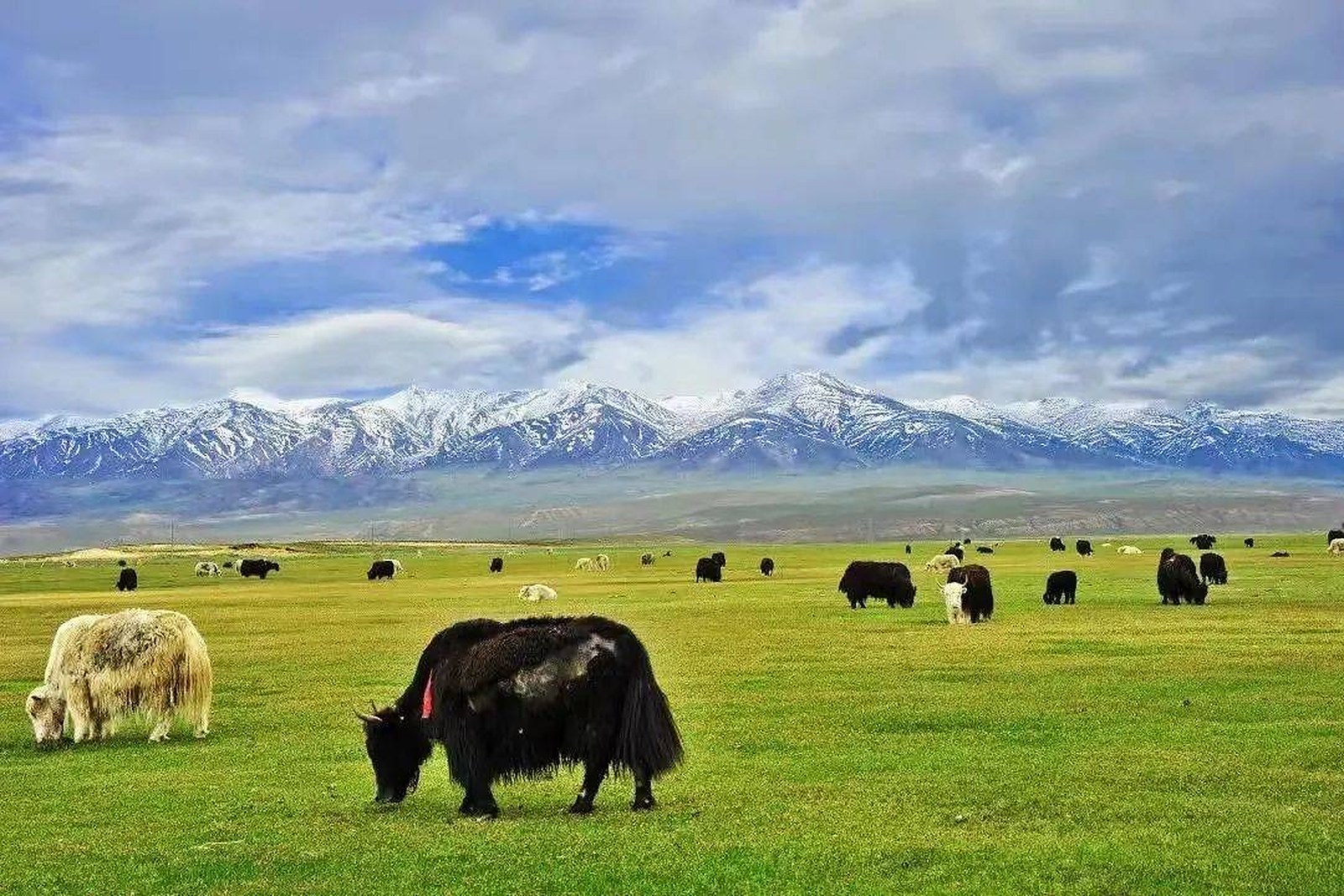
The kitchen repertoire follows the seasons. Autumn brings the slaughter month, when households process a yak into stores that must last until spring: fresh cuts for immediate feasting, ribs and leg bones into the stew pot with radish, and the lean rounds sliced and hung to dry into jerky that powers herders through winter rides. Town restaurants in Wuqia serve the fresh season’s grilled yak skewers – heavier, chewier, more fragrant than lamb skewers, ordered by those who know – and the stew with white radish is the dish every household claims its own grandmother perfected.
Beyond the yak, the same 克孜勒苏柯尔克孜自治州 Kèzīlèsū Kē’ěrkèzī Zìzhìzhōu Kizilsu Kirghiz Autonomous Prefecture holds other flavors: 阿图什无花果 Ātúshí Wúhuāguǒ Atush fig, 巴仁杏 Bārén Xìng Baren apricot, 柯尔克孜纳仁 Kē’ěrkèzī Nàrén Kyrgyz naren, and 马奶酒 Mǎnǎijiǔ kumis – four more doors into the same 克孜勒苏柯尔克孜自治州 Kèzīlèsū Kē’ěrkèzī Zìzhìzhōu Kizilsu Kirghiz Autonomous Prefecture. With the yak settled, our Kizilsu travel map fills the day.
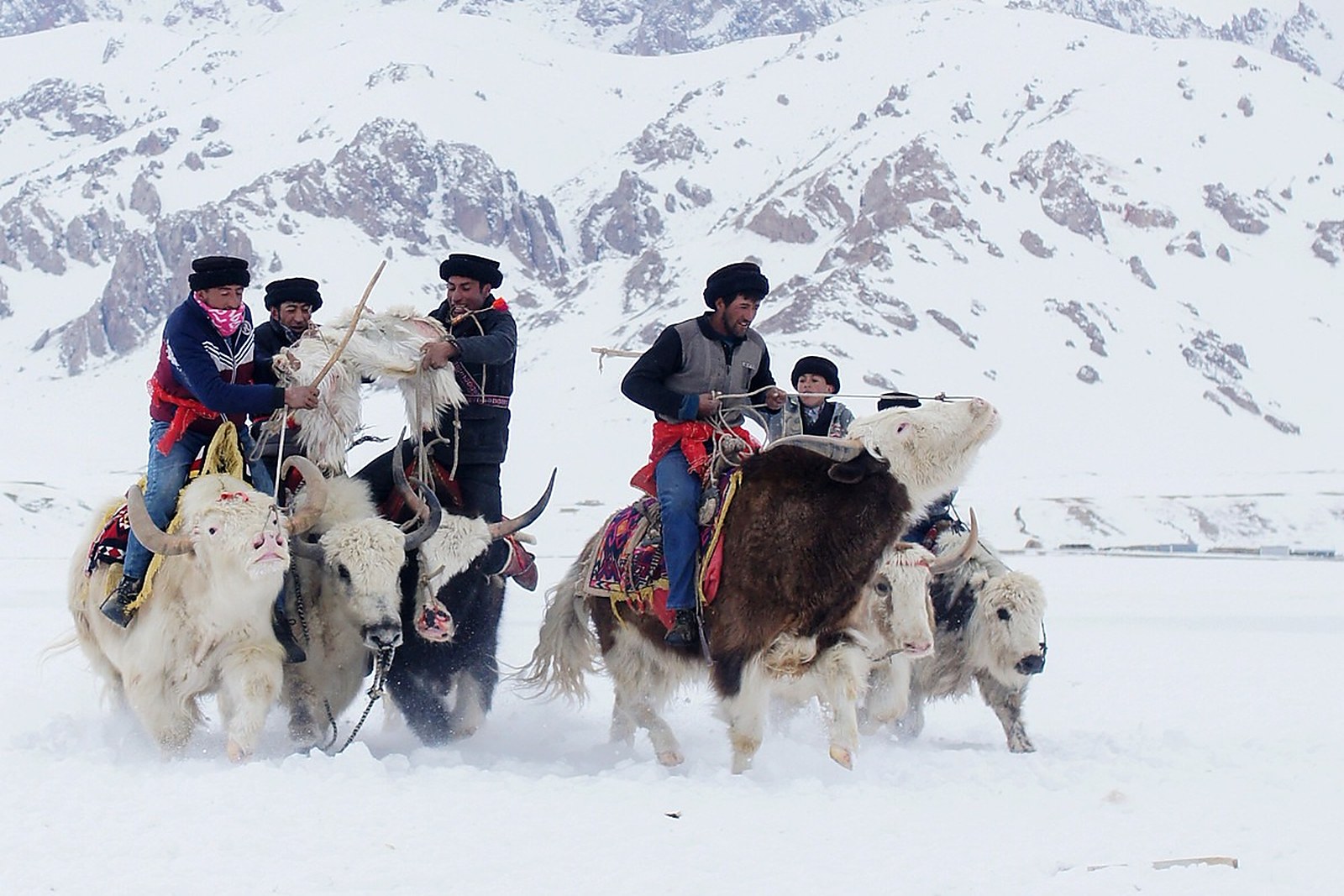
Yak dairy rounds out the animal’s economy. The milk runs richer than cow’s at half the volume, churned into butter that pasture households trade like currency, and dried into cheese crumbs that thicken tea and fill winter breads. Nothing about the animal is wasted, and the herders’ economy reflects that wholeness: a household’s yaks are wealth on hoof, draught power in the passes, warmth as tent-hair and felt, and the winter table all at once. Travellers who taste yak in Wuqia are tasting an entire mountain economy condensed into a bowl.
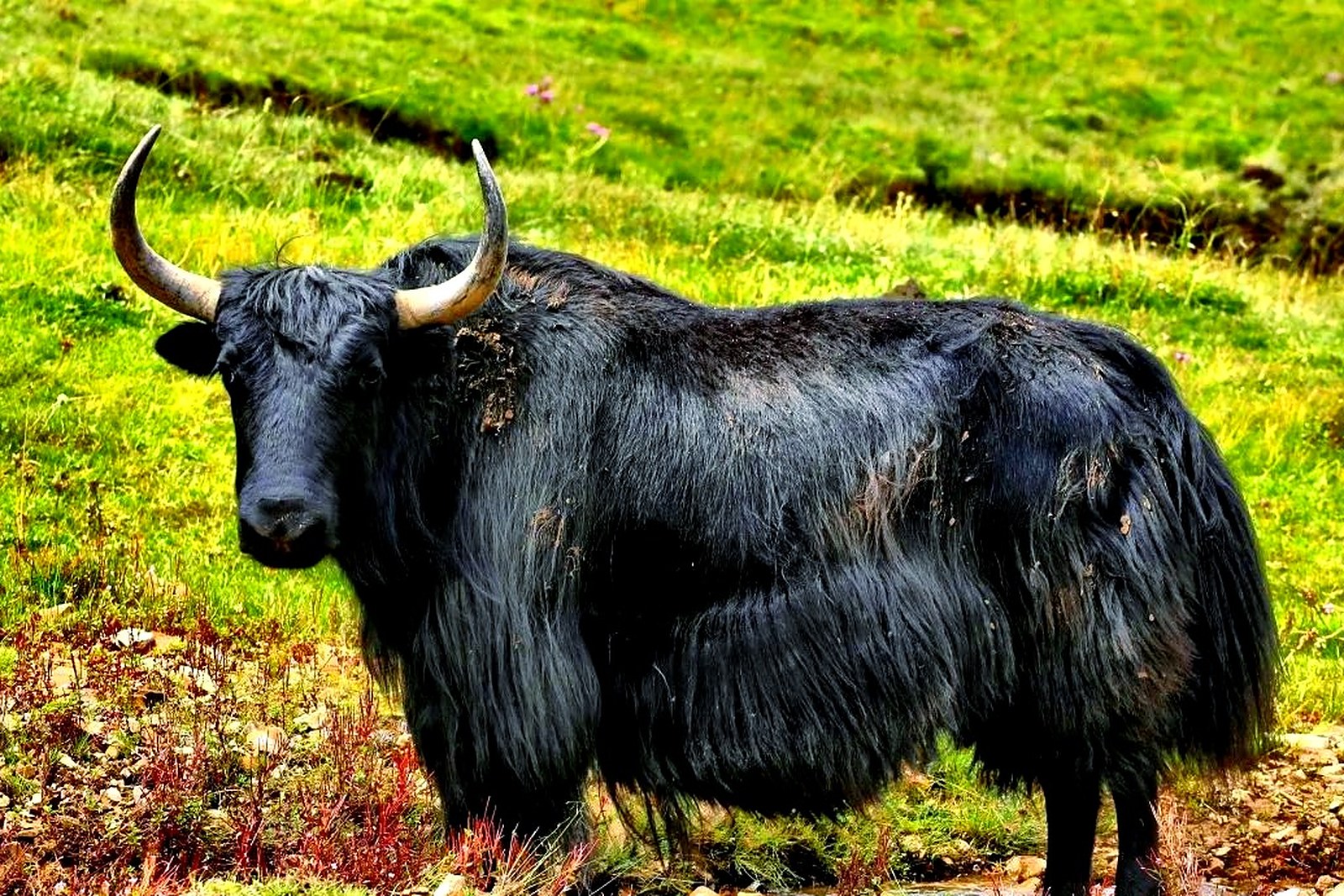
The meat rewards slow cooking and punishes hurry. Fresh yak grilled fast over charcoal stays firm and faintly sweet; stewed with radish for hours it turns spoon-soft and the broth goes almost mahogany with depth. The dried version – cut with the grain, dried in cold moving air – is chewed slowly on the road like concentrated stock. Households simmer jerky into morning tea for guests arriving from the cold, a gesture that says winter is handled here, whatever the mountains do.
For travellers the honest entry points are Wuqia town’s winter tables and the high-pasture homestays in autumn. November visits catch the slaughter-month feasts and the first drying racks; deeper winter turns the town restaurants into stew houses where the yak-radish pot sits centred on every table like a stove with a lid. Either way the pairing rule is local and strict: strong black tea beside, flatbread below, and no sweet anything until the meat is done talking.
Words and Names
What the Locals Know
flowcloud would say Wuqia yak is altitude made edible: slow-grown on short sweet grass, cooked long into a broth the colour of the mountains at dusk – the county’s winter measured out one mahogany bowl at a time. All checked November 2026.
Where to find it: Wuqia town’s winter restaurants and the November homestay feasts in the high pastures; order the radish stew first, the grilled skewers second, and ask the host what the drying racks are holding – the jerky that never leaves the county is the truest version. All checked November 2026.