
Lǎomiàn yī fā, làròu yī xiān; yī yuán yī gè, zǎochǎng yī lóng. — One rise of old dough, one fragrance of cured pork; one yuan each, one basket at the morning market.
Wushan buns (巫山包子, Wūshān Bāozi) are the county’s breakfast institution: old-dough (老面) fermented steamed buns sold at about 1 yuan each, in two registers — cured-pork filling (腊肉馅) or plain vegetable (菜包). The old-dough fermentation is the whole claim: a slower, sourer rise than commercial yeast, producing a denser, chewier skin that stands up to a rich filling. In a county famous for its fish, the bun is what the county actually eats before work.
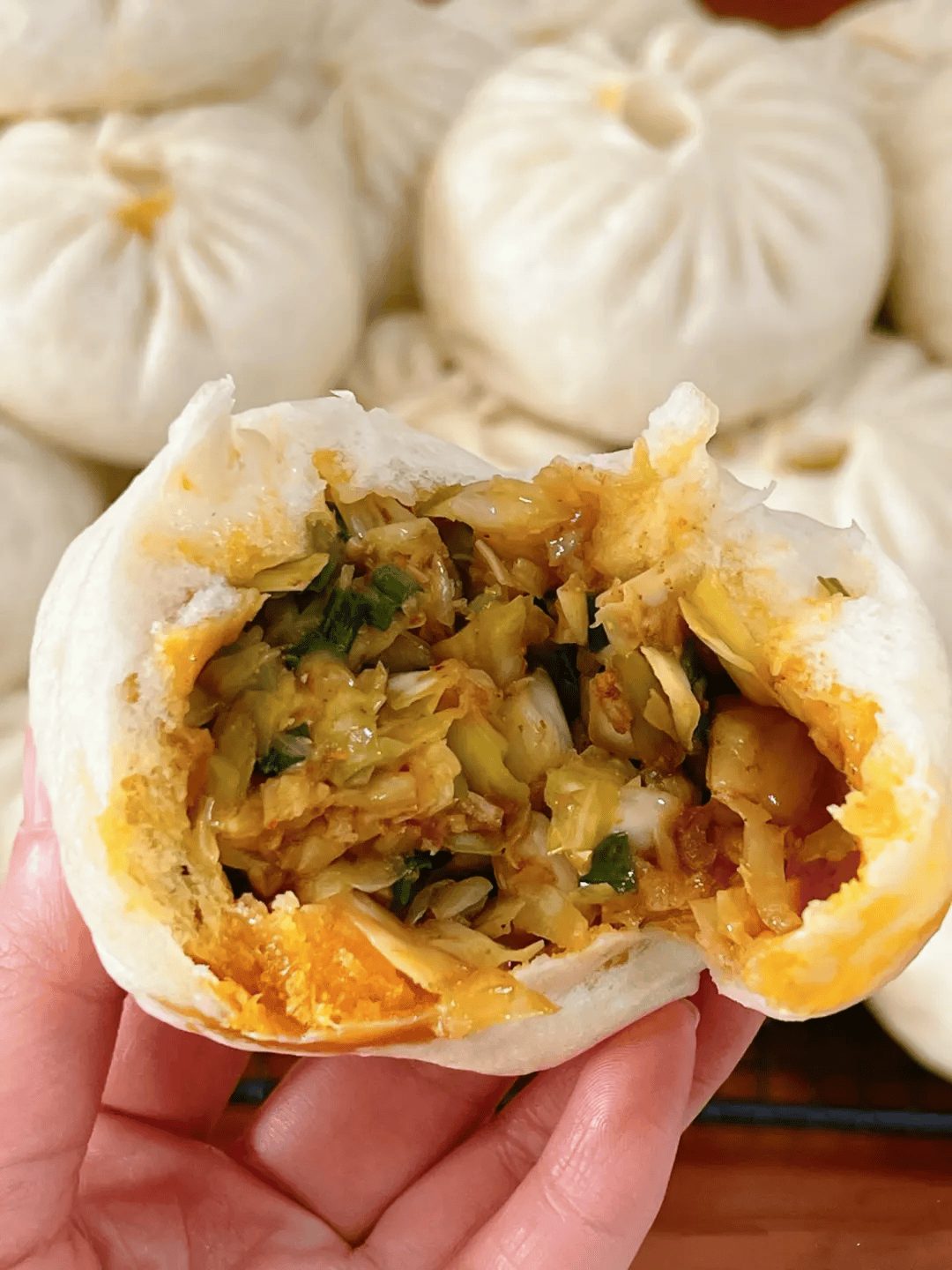
老面 is a sourdough-style starter kept alive from batch to batch; the fermentation is longer and the flavour deeper than instant yeast can give, at the cost of predictability — the baker works by feel and by the season, and the dough’s behaviour changes with the weather. That variability is the point: the bun’s slight tang is the trace of a living culture, and it is the reason a 1-yuan bun can out-sell a 3-yuan machine-made one.
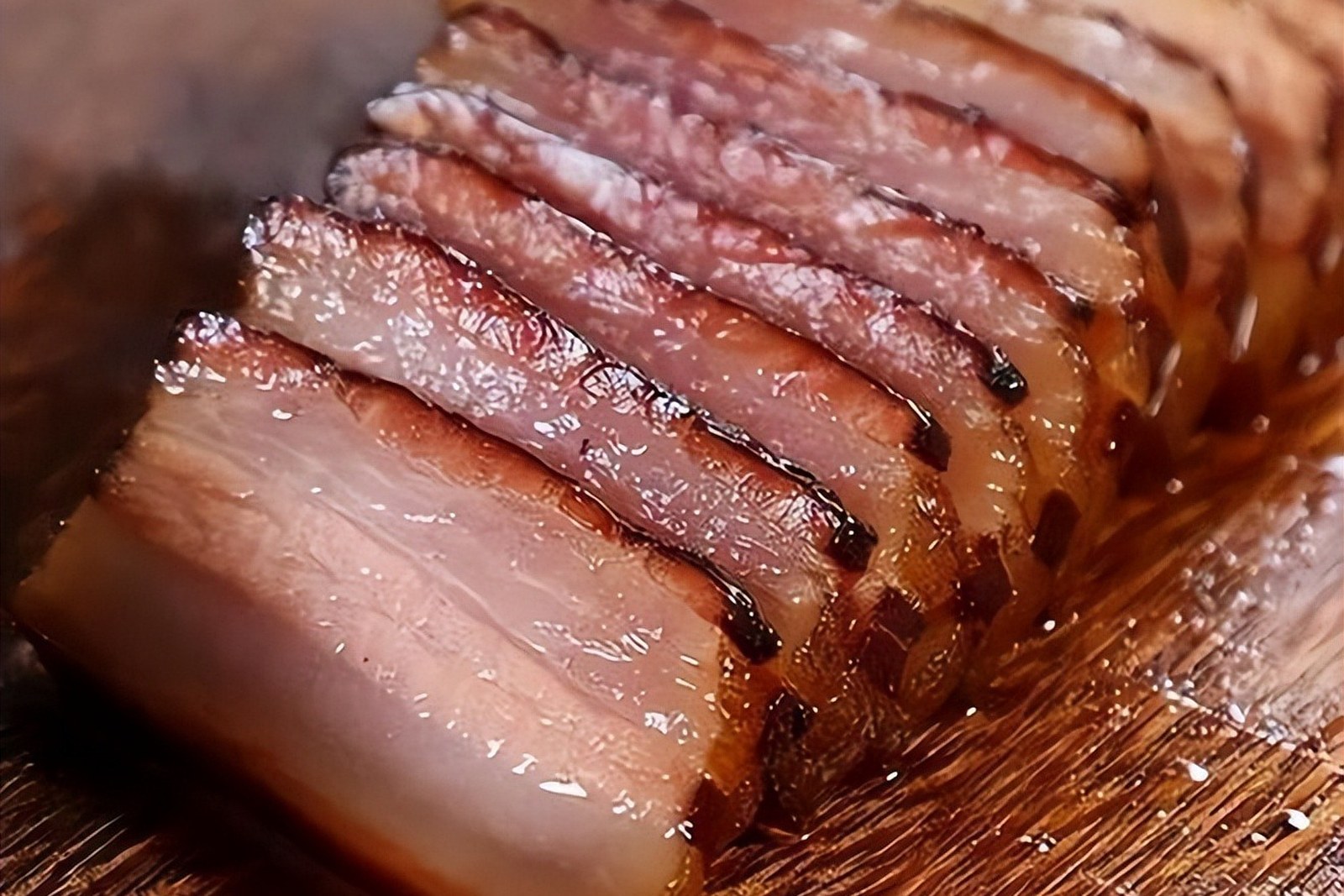
The morning trade is the real one: the buns sell out by mid-morning, and the correct purchase is a paper bag of four from the nearest steamer, eaten walking. The cured-pork filling is the county’s own — the smokehouse’s breakfast form — and locals buy them by the bag rather than the piece.
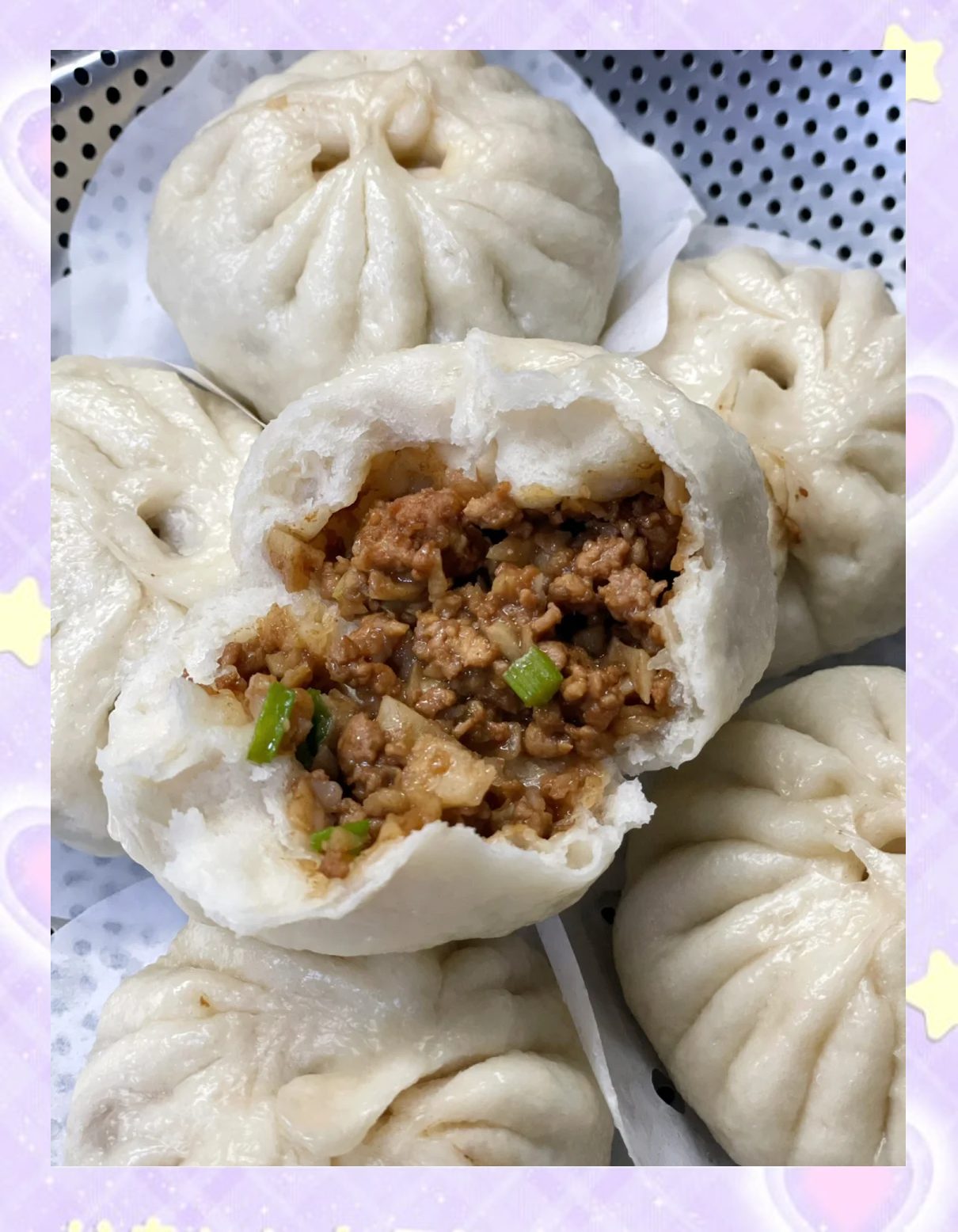
flowcloud would say that the county’s cured pork appears at breakfast as well as dinner — and that the 1-yuan bun is the smokehouse’s morning shift.
Where to find it: Xiangshi Bao on Jingtan Second Road, a forty-year shop whose queue forms before the steamers open — a paper bag of four eaten walking; the buns sell out by mid-morning. Kaiyuan on Pinghu West Road (north of the Guobin hotel) is the other old name. All checked October 2026.
Words and Names
包子 bāozi — the steamed bun · 老面 lǎomiàn — old dough, the sourdough-style starter · 腊肉馅 làròu xiàn — cured-pork filling, the local register · 菜包 càibāo — the vegetable bun, the plain register · 蒸笼 zhēnglóng — the steamer basket