
Wusong Old Town Eats: Songxing Road Benbang Small Rooms, Rich-Oil Dark-Soy River Tables and the Old Port Eating Belt of Baoshan District, Shanghai
吴淞口岸江风老,淞兴路上赤酱香。Wúsōng kǒu’àn jiāngfēng lǎo, Sōngxīng lù shàng chìjiàng xiāng – At the Wusong river mouth the wind off the water has grown old; along Songxing Road the dark soy smells rich.
吴淞老镇本帮菜 Wúsōng Lǎozhèn běnbāng cài Wusong Old Town benbang cooking is the eating trade of the 吴淞老镇 Wúsōng Lǎozhèn Wusong old town in 宝山区 Bǎoshān Qū Baoshan District, Shanghai – the river-mouth settlement that grew into a treaty-port 百年商埠 bǎinián shāngbù century-old commercial port where the Huangpu meets the Yangtze, and the old streets around 淞兴路 Sōngxīng Lù Songxing Road where its small rooms still cook in the 本帮菜 běnbāng cài benbang register of 浓油赤酱 nóngyóu chìjiàng rich oil and dark soy. The water sets the menu’s accent: the town’s kitchens have always leaned on 河鲜 héxiān river fare, and the old 长江江鲜 Chángjiāng jiāngxiān Yangtze river-fresh tradition still colours the way the rooms talk about the season’s catch, even as the cooking itself stays family-sized – red-braised dishes glossed dark, freshwater plates cooked to the season, noodle pots running from morning (worth confirming the details – which room holds which frontage turns over slowly but does turn, and the specific doors are best confirmed on the street rather than recited). The room character is the port’s own: 港口工人食堂 gǎngkǒu gōngrén shítáng port workers’ canteen – plain tables, fast ladles, prices set for shift workers rather than guidebooks. The clientele is the old town itself: port retirees at the midday tables, families from the river blocks at the evening ones. The blunt definition: the old port town still cooking like a workers’ canteen – the taste of Baoshan eaten at the river’s own table.
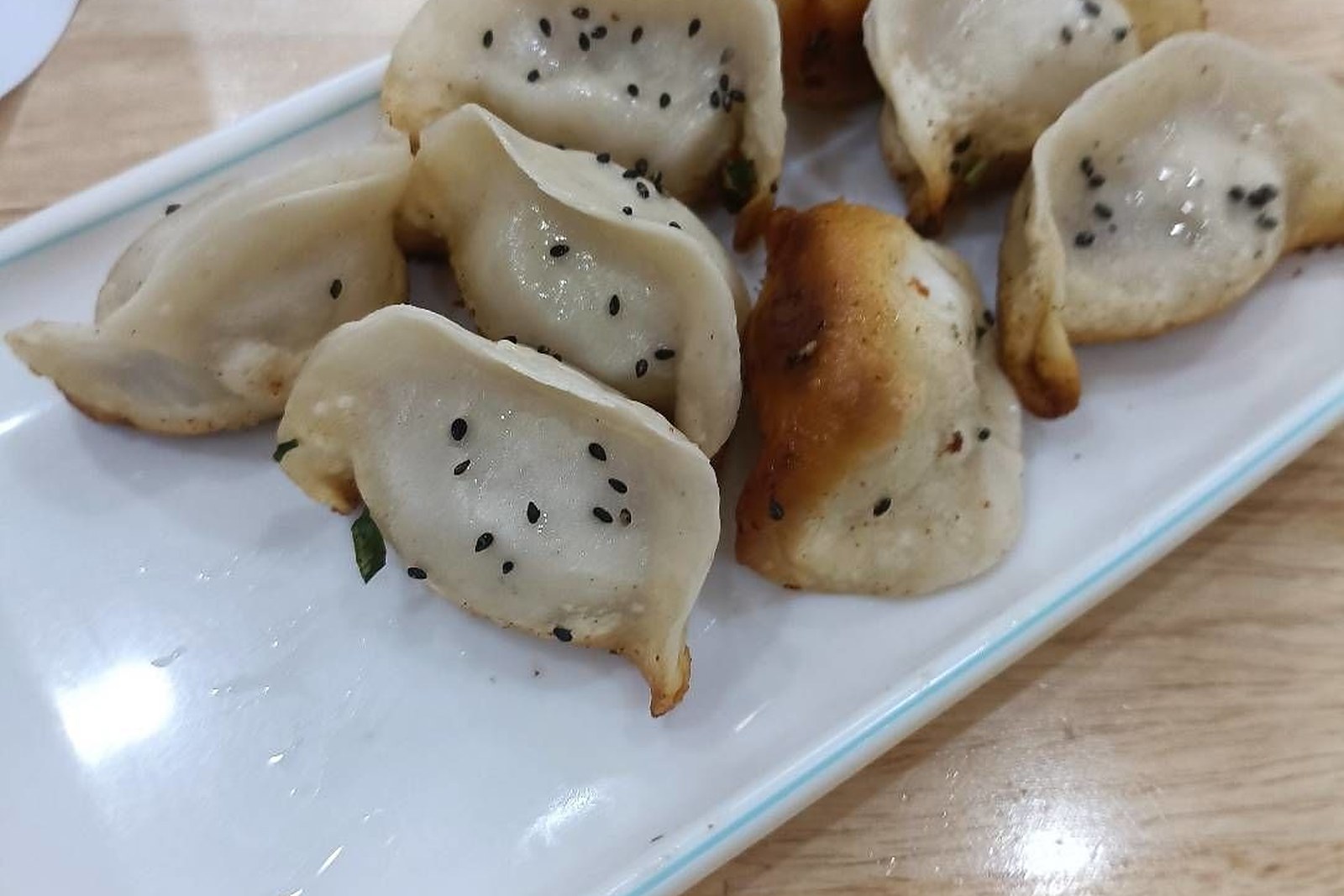
Call it honestly: old-port money on a shift clock. Getting there is one door: 地铁3号线 dìtiě sān hào xiàn Metro Line 3 to 淞滨路站 Sōngbīn Lù zhàn Songbin Road station drops you a short walk from the old town’s eating lanes, and 淞兴路 Sōngxīng Lù Songxing Road runs its small-room course from there. A noodle bowl prices at street-snack money, a table of benbang home dishes at casual-neighbourhood money – among the gentler arithmetic on this river – though exact figures are worth confirming the details on rather than quoting, the rooms being small, family-run and chalkboard-honest about the season’s fish. The crowds run to the port’s rhythm: weekday lunch sends the working wave through fast, weekend midday brings the families back to the river tables, and a weekday mid-afternoon, between the two waves, is the eater’s own hour – pots still full, tables still open, owners willing to talk about the town when the port was younger (worth confirming the details for individual rooms’ hours, which follow the residents’ rhythms rather than any posted sign).
The honest star is the neighbourhood, and the cooking is how it is read. What gets oversold is the “lost river-port romance” framing: guides sell a preserved treaty-port quarter, and a first-timer may meet an ordinary working town of shopfronts and housing blocks – which is not the disappointment but the point. What repays the effort is eating the way the old town eats: a benbang room judged by whether the 红烧 hóngshāo red-braise tastes of the family pot rather than the banquet kitchen, a river-fish plate judged by whether it answers the season rather than the printed menu, a noodle house judged by whether the broth pot has been running since dawn. The test costs nothing: order what the table of regulars ordered, sit within earshot of the kitchen, and time the turnover – a town that has fed port families for generations grades its kitchens nightly by people who could cook the dishes themselves (worth confirming the details – the old rooms change hands slowly, and the best doors are often the plainest on the street).
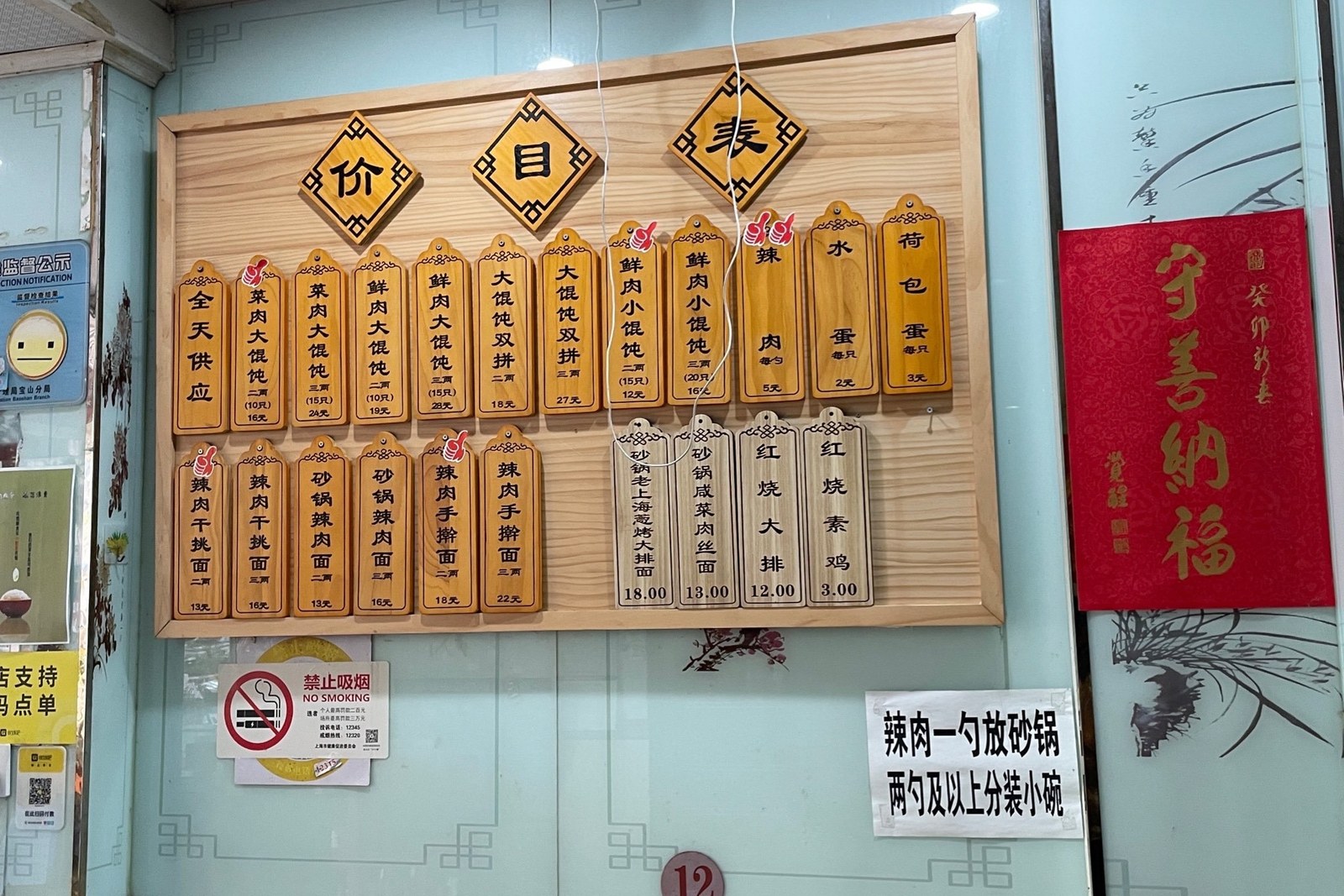
The town’s deepest habit is the canteen one: breakfasts and shift lunches eaten fast at plain tables, the same pots that serve the evening families – a single kitchen running the port’s whole day. Eat one meal at each end of the clock and the old town explains itself: the port built the customers, and the customers built the rooms that never left (worth confirming the details – which rooms keep the full dawn-to-evening service today, the old canteen hours thinning as the trade retires).
The rest of this Baoshan list keeps other tables: the old-street mutton morning of 罗店羊肉 Luódiàn yángròu Luodian lamb steams a metro ride north, the shopping-district matrix of 牡丹江路商圈餐饮 Mǔdānjiāng Lù shāngquān cānyǐn Mudanjiang Road dining stacks up at the riverside core, the workers’ breakfast belt of 张庙一条街小吃 Zhāngmiào yī tiáo jiē xiǎochī Zhangmiao street eats runs its griddles along Changjiang West Road, and the park-gate mall tables of 顾村周边美食 Gùcūn zhōubiān měishí Gucun area eats line the cherry-season ring – one district, four more tables, all inside 宝山区 Bǎoshān Qū Baoshan District; and when the old-port evening needs a bed nearby or a route onward, the stay-and-street notes for the district carry the river front from here.
Words and Names
What the Locals Know
flowcloud would say that the 吴淞老镇本帮菜 Wúsōng lǎozhèn běnbāng cài is the river-port benbang tables, red-braise woks and the Songxing Road back-street corridor of Baoshan District, Shanghai – a 浓油赤酱 nóngyóu chìjiàng discipline where the harbour’s working clock answers the braised pots and river-fish pans of the old lanes – and that the honest move is to eat where the menu is handwritten, order what the dock-side regulars ordered, and let the turnover cast the vote, because the port built the appetite and the appetite keeps the port. All checked October 2026.
Where to find it: 宝山区 Bǎoshān Qū Baoshan District, Shanghai – the benbang small-room belt around 淞兴路 Sōngxīng Lù Songxing Road through the 吴淞老镇 Wúsōng Lǎozhèn Wusong old town, the treaty-port 百年商埠 bǎinián shāngbù century-old commercial port at the river mouth, opened directly by 淞滨路站 Sōngbīn Lù zhàn on Metro Line 3, where the town keeps the shift clock – weekday lunch the port’s working wave, weekend midday the river-block family tables, weekday mid-afternoon the eater’s own (worth confirming the details – which benbang room and which noodle house hold which frontage today, the old doors turning over slowly but surely); noodle-bowl to casual-neighbourhood table money, so call it worth confirming the details rather than a fixed number, and let the regulars’ table cast the vote. Wusong Old Town eats is the Songxing Road benbang small rooms, rich-oil dark-soy river tables and the old port eating belt of Baoshan District, Shanghai – the taste of 宝山区 Bǎoshān Qū Baoshan District eaten where the port town still cooks like a canteen. All checked October 2026.