
Bǎoyuán yánquán, yī guō lǔshuǐ; dòuxiāng yī dài, qiānnián yī wèi. — The Baoyuan salt spring, one pot of brine; a whiff of bean fragrance, a thousand-year flavour.
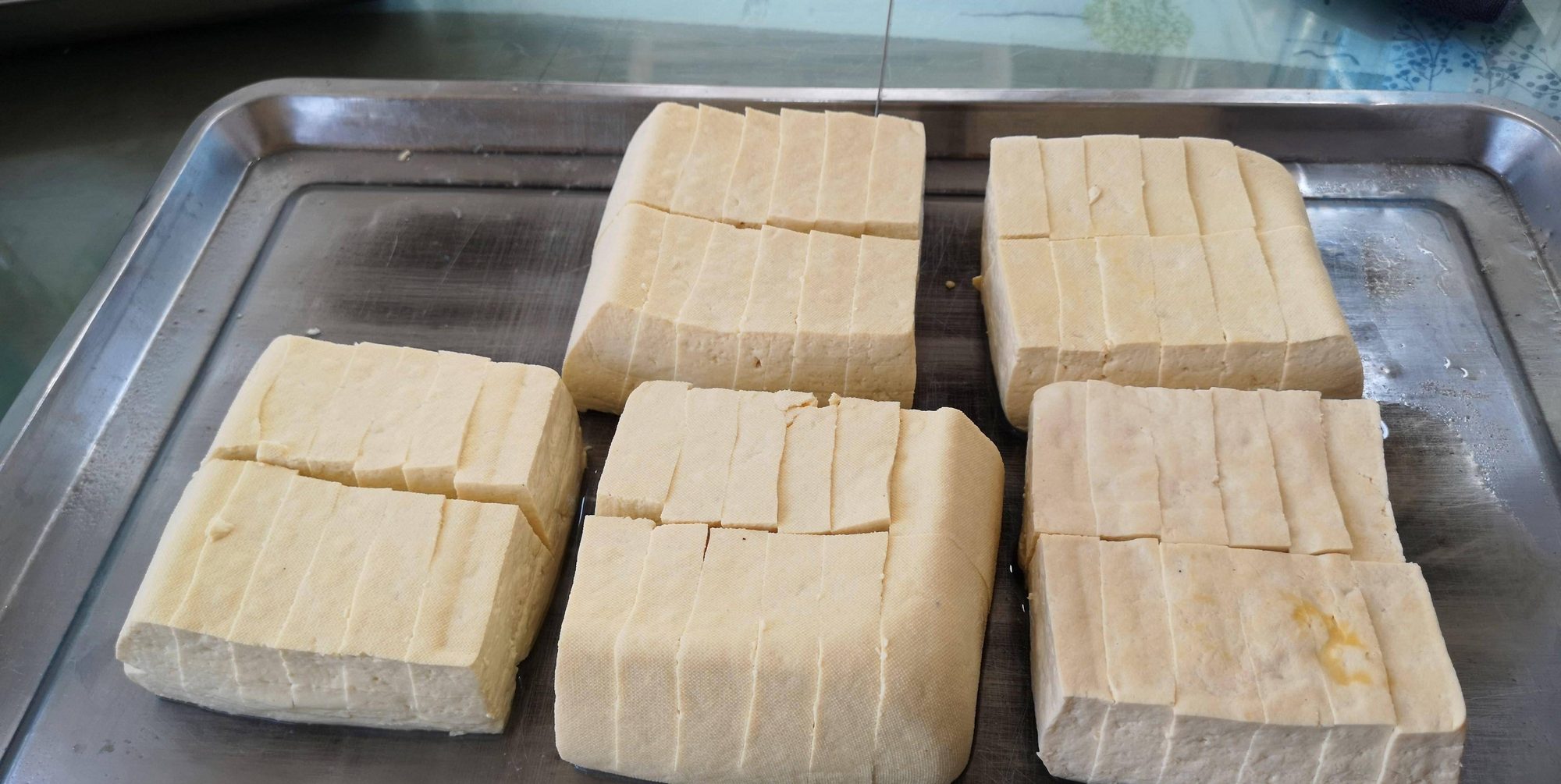
Salt-brine tofu (盐卤豆腐, Yánlǔ Dòufu) is the county’s tofu register, and its distinction is the brine: the salt of the Baoyuan spring — the same source that built Ningchang’s five-thousand-year industry — is the coagulant tradition behind the county’s tofu-making. The result is the firmer, more savoury style of tofu that brine (as opposed to gypsum) produces: a denser curd with a light salt edge, used in the county’s kitchens both as the plain plate — steamed or stewed with a dipping sauce — and as the sponge in the local hotpots.
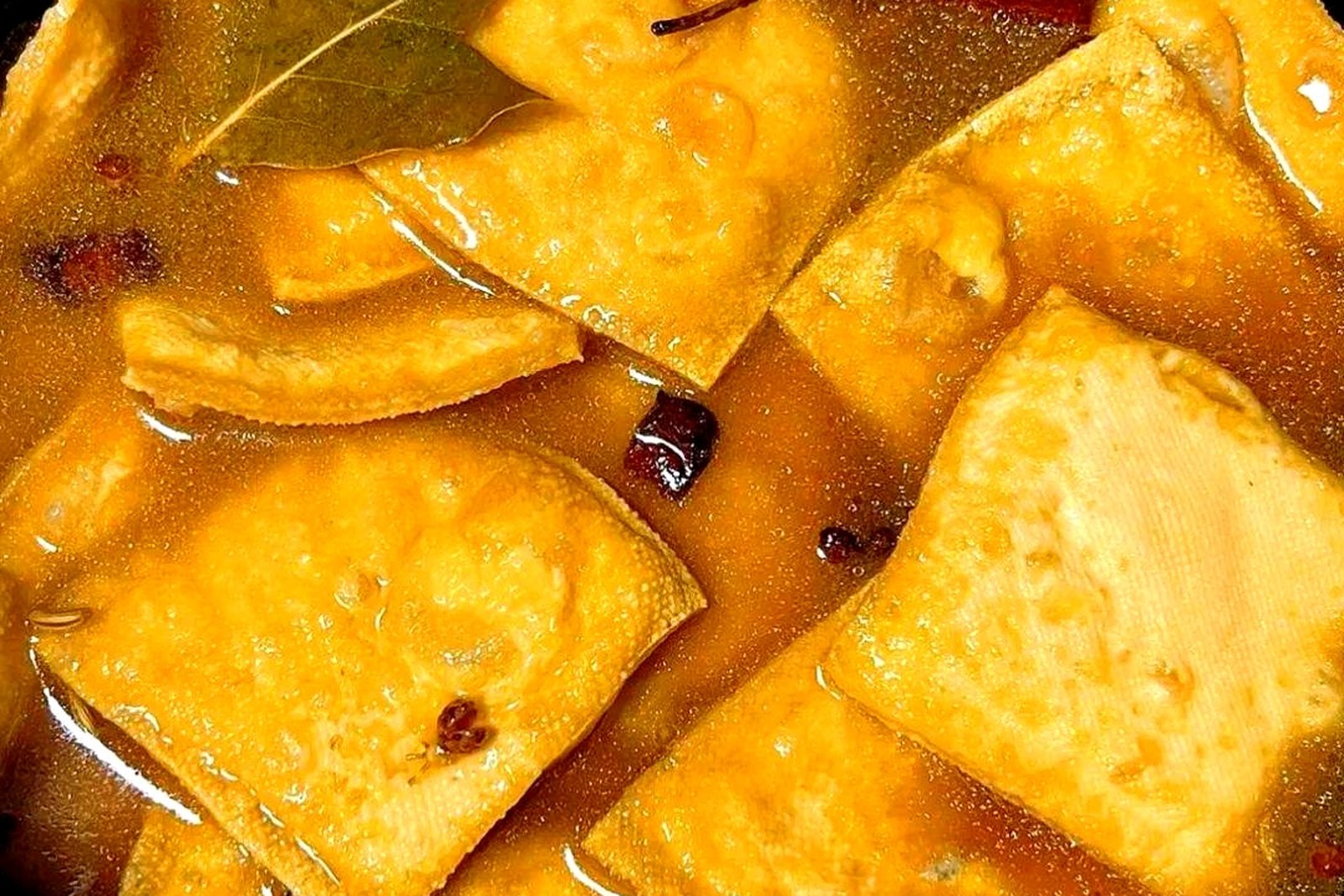
Tofu’s texture is decided by its coagulant. Brine coagulation yields the firm, slightly granular curd that holds its shape in a stew and takes a sauce on its surface; gypsum yields the tender silken style. The county’s brine tradition is the kitchen half of its salt industry — the spring that was boiled for trade also seasoned the town’s food, and the tofu is the everyday form of that five-thousand-year relationship.
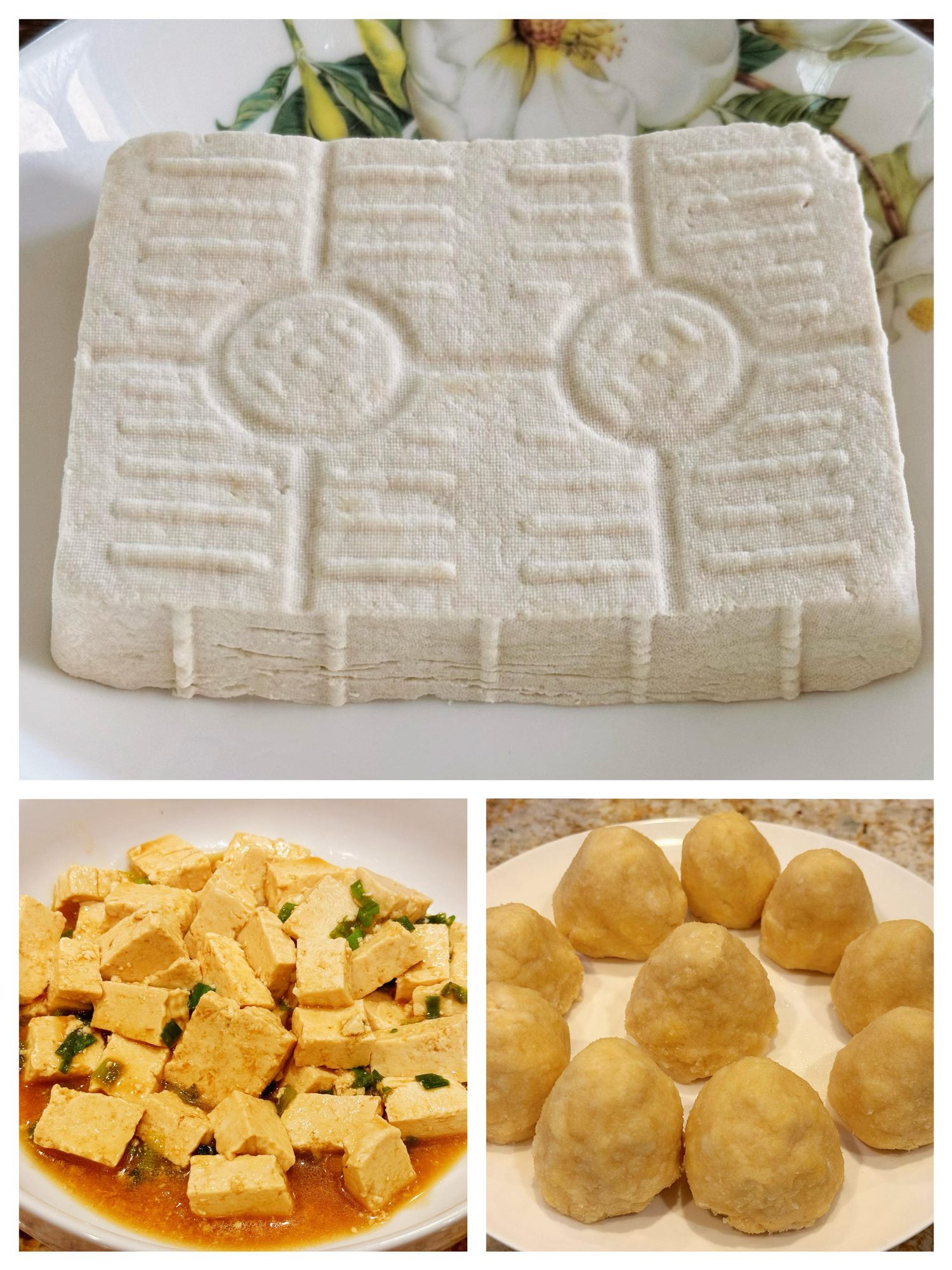
The county’s tofu trade is a morning one — made daily, sold warm, and best before noon. The plain plate with a chilli-and-vinegar dip is the local breakfast-and-lunch form; the hotpot sponge is the dinner form. Farmhouse and market stalls beat the restaurants on freshness, and the curd should smell of beans, not of the brine.
flowcloud would say that the county’s salt was an industry for five thousand years and a seasoning every single day — and that the tofu is where the two finally met on a plate.
Where to find it: the county’s morning market stalls and farmhouse makers — made daily, sold warm, best before noon. All checked October 2026.
Words and Names
盐卤豆腐 yánlǔ dòufu — salt-brine tofu · 卤 lǔ — brine, the coagulant · 宝源山盐泉 Bǎoyuán Shān Yánquán — the Baoyuan salt spring, the brine’s source · 豆花 dòuhuā — bean curd flower, the softer relative · 点浆 diǎnjiāng — “pointing the soy milk”, the coagulation step