
槟榔 bīng láng is the seed of the areca palm, and in 湘潭市 Xiāng tán shì it is not a fruit and not a medicine and not quite a snack. It is a habit with a manufacturing industry behind it. The nut that grows on Hainan and in southeast Asia is bought in as a dried whole seed, and in Xiangtan it is cut, brushed, brined and cured until it becomes something the city has made its own: a dark, fibrous wedge, about the length of a thumb joint, sold in foil packets from counters on every commercial street. Chewing it produces a red saliva, a hot flush across the chest and a taste that visitors describe, almost always in the same terms, as an acquired one.
The habit arrived here by water. 槟榔 is one of the 南药, the southern drugs of the old pharmacopoeia, and Xiangtan was one of the great medicine ports on the 湘江 Xiāng jiāng, the river that carries the province’s trade north to the Yangtze. Medicine came up the river as cargo and was repacked and forwarded here, and the betel nut came with it. The local story of how it stopped being a medicine and became a pastime turns on a war. In 1864, after the Taiping campaigns, the shipping routes shifted and a large consignment of the nut was stranded at Xiangtan; at the same time 曾国藩 Zēng Guó fān disbanded the Xiang army and sent home a great many soldiers, many of them from central Hunan, on terms generous enough that they had money and no work. They took to an expensive southern luxury that happened to be sitting in the warehouses, and the city never stopped.
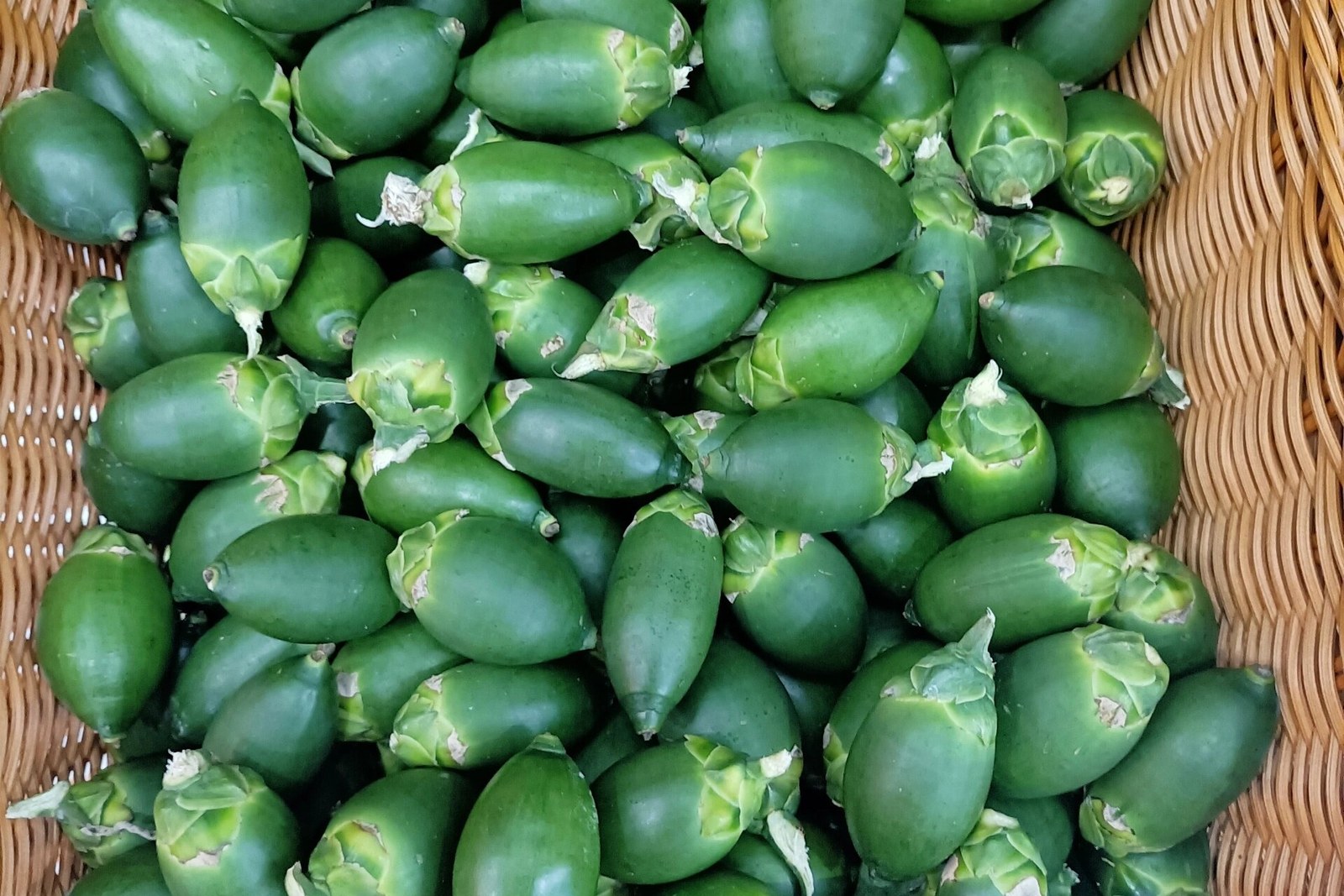
What Xiangtan did to the nut is the part that is genuinely its own, and it is the reason the product is a local rather than a southern one. Three changes are attributed to the city. The first is the substitution of lime and 桂子油 guì zi yóu, the oil of cassia, for the 蒌叶 lóu yè, the betel leaf that in the south is wrapped round the nut; cassia’s aromatic compounds and smell are close enough to the leaf to do the same work at a fraction of the trouble. The second is smoke. The third is 点卤 diǎn lǔ, the application of a brine, and there are said to be hundreds of brine recipes, most of them built on sugar to soften the astringency of the nut. The result is that the fresh green 青果 qīng guǒ of the south becomes here a cured, shelf-stable dry product, which is what lets it travel and what turned a seasonal southern habit into a packaged national one.
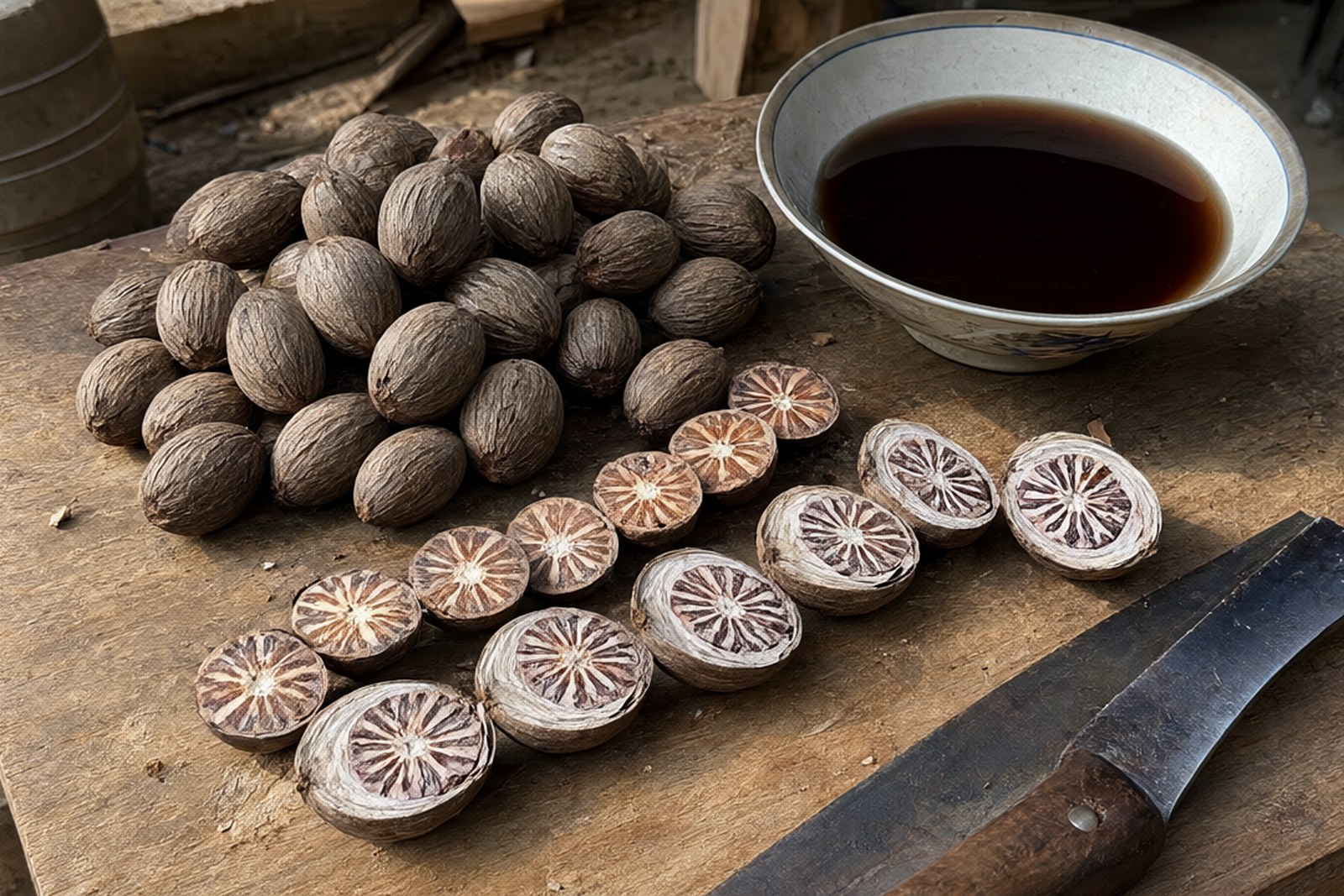
The modern process is a production line with an old vocabulary. Whole nuts are graded and washed, then 发籽 fā zǐ, soaked back to a workable texture; they are roasted, 上胶 shàng jiāo, coated and rested, cut in half lengthwise, brushed with the brine, dried in slices and packed. The industry was formalised in the 1990s: the city government named betel nut a pillar of its food industry in 1995, a provincial trade association was set up at Xiangtan in 1998 and a provincial standard for edible betel nut followed in 1999. By 2001 it was the largest single component of Xiangtan’s food industry, and by 2017 the city had some thirty large processors turning over more than two hundred thousand tonnes a year, employing close to three hundred thousand people across growing, curing, packing and selling, with the province’s crop coming up from Hainan and the finished product going out to twenty-nine provinces. The houses that dominate the trade include 张新发, founded in 1905, whose 制作技艺 zhì zuò jì yì, its making technique, is on the provincial intangible-heritage list and whose published process runs to sixty-one steps.
Words and Names
槟榔 bīng láng is the areca nut; 青果 qīng guǒ is the fresh green one eaten in the south, and the cured 湘潭 product is made from dried seed. 点卤 diǎn lǔ is the brushing on of the brine and 卤水 lǔ shuǐ the brine itself, which in Xiangtan is usually sweetened. 上表香 shàng biǎo xiāng is the surface dressing of lime and cassia oil that replaces the southern betel leaf. 发籽 fā zǐ is the soaking that brings the dried nut back to a workable state, 上胶 shàng jiāo the coating stage and 切籽 qiē zǐ the halving. 蒌叶 lóu yè is the leaf wrapped round the nut in Hainan and Guangdong, and 桂子油 guì zi yóu, cassia oil, is what stands in for it here.
What the Locals Know
First-timers are told two things and rarely believe either. The first is not to swallow the juice of the first mouthful, because it is harsh and the flush comes on quickly; the second is that the whole thing is an acquired taste and that the second packet is better than the first. The flavours sold in Xiangtan run far past the plain one – 芝麻 zhī ma sesame, 桂花 guì huā osmanthus, 薄荷 bó hé mint, 枸杞 gǒu qǐ goji, 玫瑰 méi guī rose, and in recent years 辣椒 là jiāo, chilli – and the sweet brines are what make the range possible. Ask at a counter and the shopkeeper will cut a fresh one in front of you and offer a half. What a shopkeeper will not tell you, and what the city’s own public-health record makes impossible to leave out, is that the habit is not harmless: a study published by the oral and maxillofacial department of 湘雅医院 Xiāng yǎ yī yuàn, the teaching hospital of Central South University, found that the share of oral cancers in Hunan attributable to betel nut rose from about twenty-four per cent to about eighty-six per cent between 2006 and 2016. The nut is classified as a carcinogen. The trade is a large local employer and the habit is a large local risk, and both of those things are true at once.
flowcloud would say that a city which received a southern medicine as freight, found itself holding the whole consignment after a war, sold it to its own returning soldiers, and then spent a hundred and sixty years inventing new ways to keep it on the shelf, has built one of the few industries in China whose raw material is somebody else’s and whose product is entirely its own.
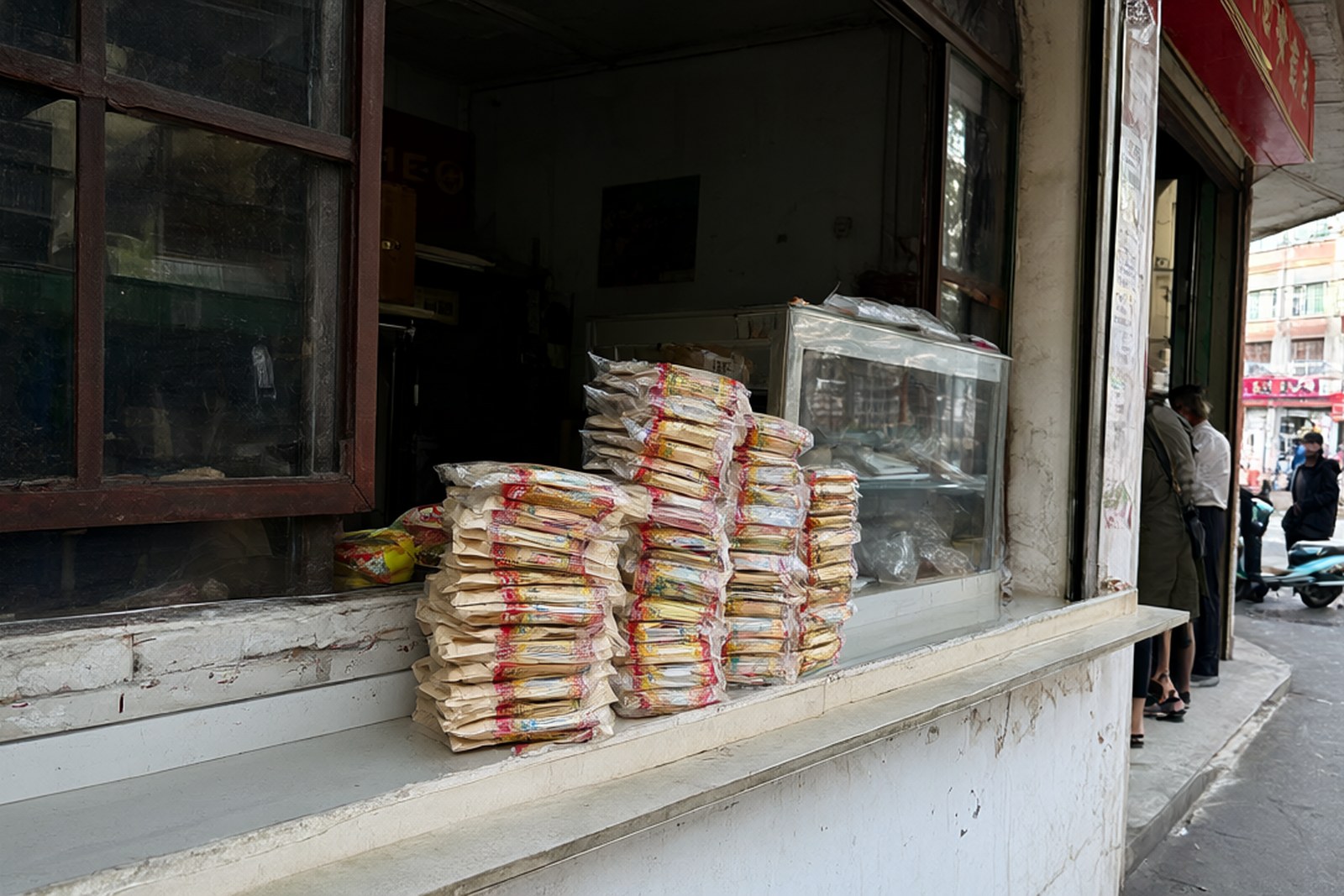
Where to find it: the counters and small shops on the commercial streets of 湘潭市 and across 湘潭县, where the packets sit in glass cases beside the till and a single cured nut is sold loose for a few yuan; a branded packet runs about ¥10 to ¥40 depending on the flavour and the size, and the makers’ own shops and counters are the safest place to be sold the genuine article. 湘潭 is on the 京广 and 沪昆 lines with 湘潭站 Xiāng tán zhàn and 湘潭北站 Xiāng tán běi zhàn in the city, and the trade’s processing base is in 湘潭县 rather than in the urban districts.