
Xiaotangshan Vegetables: Special-Crop Greenhouses, Geothermal Winters and the Olympic Kitchen Garden of Changping District, Beijing
温室四时青不断,小汤山下菜蔬鲜。Wēnshì sìshí qīng bù duàn, Xiǎotāngshān xià càishū xiān – In the greenhouses the green never breaks across four seasons; below Xiaotangshan the vegetables run fresh.
小汤山蔬菜 Xiǎotāngshān shūcài Xiaotangshan vegetables are the year-round salad Beijing’s north eats without asking the season, and the address is a base: 小汤山镇 Xiǎotāngshān Zhèn Xiaotangshan town in the eastern half of 昌平区 Chāngpíng Qū Changping District, Beijing, a town built on 温泉 wēnquán hot springs – the water its very name advertises – where the 小汤山特菜基地 Xiǎotāngshān tècài jīdì Xiaotangshan special-vegetable base was set up in the nineteen-eighties to grow 特菜 tècài “special vegetables”: introduced crops a Beijing market had never seen, grown to order for the capital’s banqueting kitchens (worth confirming the founding year, which the park dates variously). The ground fits the work: the geothermal water that steamed the town’s bath houses for centuries now warms greenhouse beds through the coldest weeks, so the base runs a season no outdoor field can match – and the modern glass and plastic houses turned the trick into an industry: soilless beds, computer-run climate, seedlings on the move all year. The fame most visitors under-rate is the kitchen résumé: its vegetables were among the supply that fed the athletes’ dining halls through the 2008 Beijing Olympic summer (worth confirming the year’s contract lists). The naming is the tell: 特菜 tècài special-vegetable is a caterer’s word that became a town’s crop.
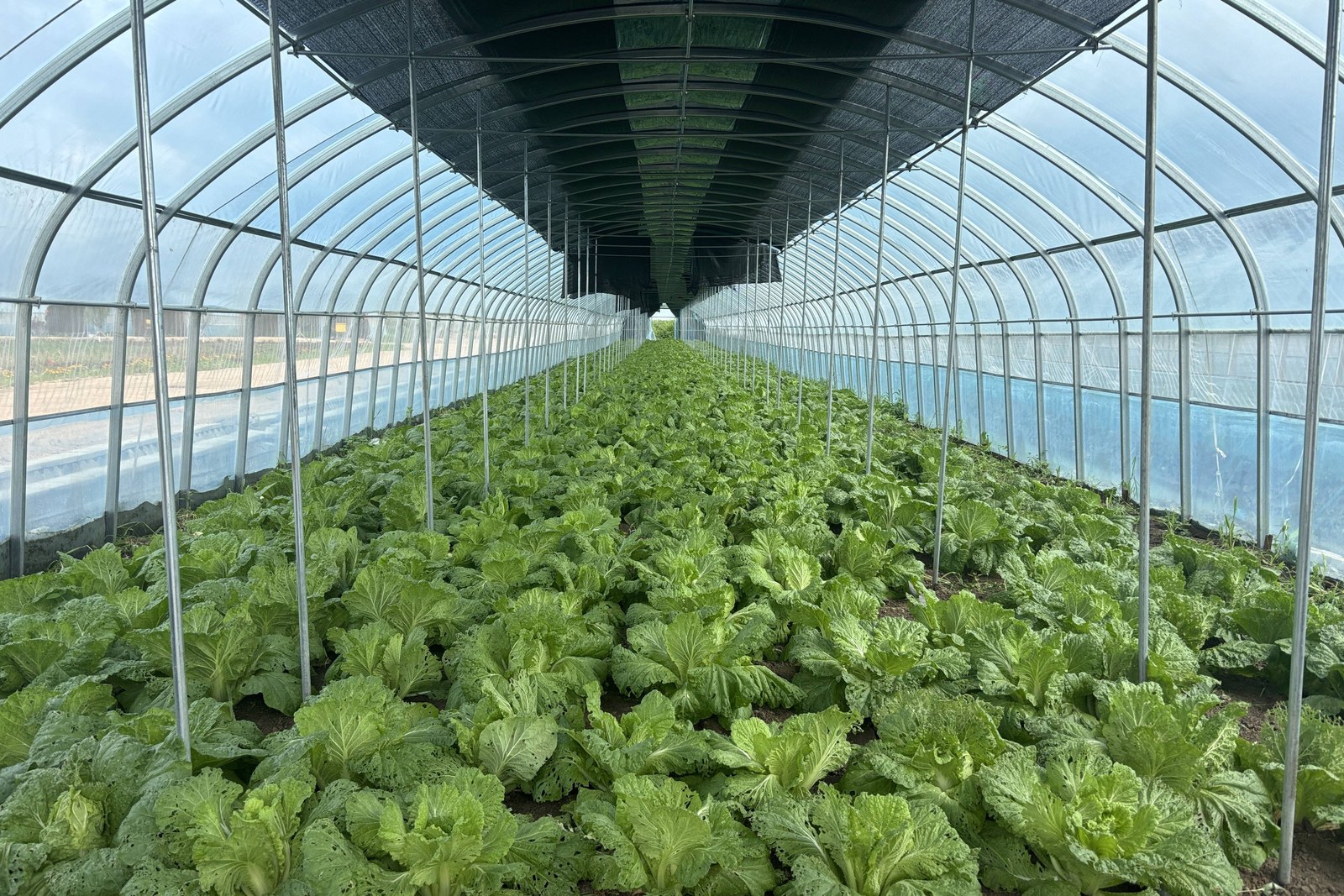
The eating is a fresh-crisp grammar written for vegetables bred to be eaten raw, and it leans 脆 cuì crisp plus 甜 tián sweet to match the washing-up counter. The anchor is the same-day box: cherry tomatoes that pop under the tooth, 迷你黄瓜 mínǐ huánggua mini cucumbers thin enough to eat whole, 彩椒 cǎijiāo colour-drenched sweet peppers that read like fruit, lettuces, asparagus and sweet peas by the season – a tray bred for the raw platter, not the stewpot. Around the tray the town’s farm shops run their weekly book: boxes dated the morning they were cut, salad leaves at the city’s direct-sale counters the same day, and winter deliveries out of the geothermal houses when the fields outside are frozen (worth confirming the details – which counters sell the base’s own pick). The showcase is the 小汤山现代农业科技示范园 Xiǎotāngshān Xiàndài Nóngyè Kējì Shìfànyuán demonstration park, where the glass houses open to visitors and the high-wire tomato rows and floating lettuce rafts make the science visible.
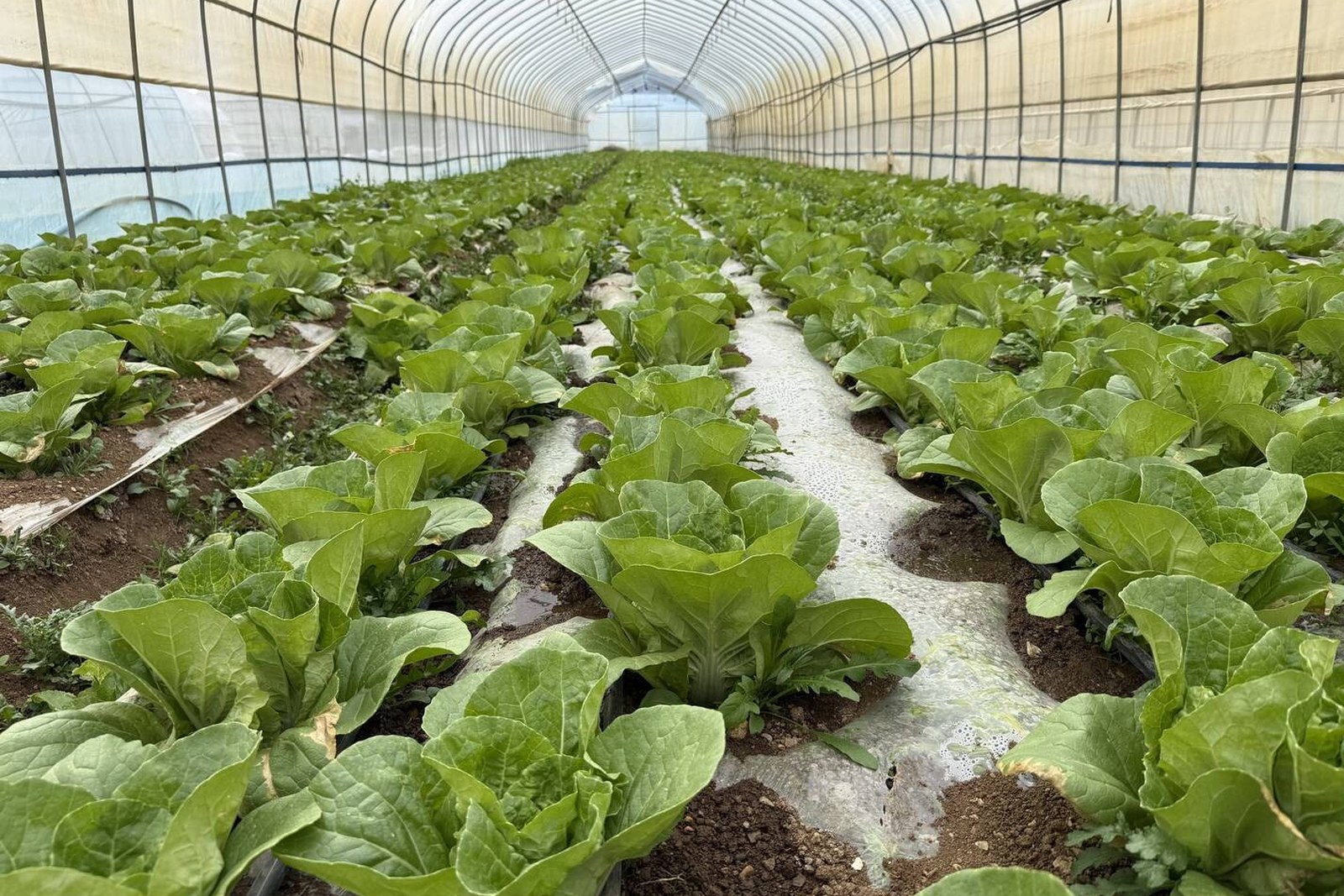
The honest grade is geography plus the harvest clock. In 昌平区 Chāngpíng Qū Changping District, Beijing the honest buying is at the base’s own direct-sale counters and the farm shops along the town’s roads, where boxes carry cut dates and the morning harvest turns over fast (worth confirming the details – which shops run the base’s own line and which resell). The test costs nothing: a same-day cherry tomato snaps and sprays; a three-day-old one wrinkles at the shoulder, tastes of the fridge, and no cellophane hides it. Winter proves the point: a red tomato on the vine in January in Beijing is the base’s whole engineering argument in one bite. A per-person bill runs on the box and the season, so call it worth confirming the details rather than a fixed number, and come on a weekday morning: the picking rows empty as fast as the school buses arrive.
The wry truth is that 小汤山蔬菜 Xiǎotāngshān shūcài is over-rated as a brand sticker and under-rated as climate engineering: the supermarket shelf files it under “premium vegetables”, while the actual thing – hot-spring heat piped under winter beds, introduced cultivars selected across decades, soilless culture and computer climate in houses that ignore the calendar – is applied technology the label never mentions. The self-deprecating footnote, and the district braid: a food writer will lecture a greenhouse technician on “seasonality” under a January tomato vine, photograph the lettuce rafts at heroic shutter, and then call the salad “commendably futuristic” as if glass were a flavour – which is the honest grade: 小汤山蔬菜 Xiǎotāngshān shūcài is a working base the writer will aestheticise more than he tastes, and the auntie at the next counter has chosen her cherry tomatoes, argued about the cucumbers and paid before the shutter closes. The same 昌平区 Chāngpíng Qū Changping District, Beijing thread runs on: the copper pots of 阳坊涮肉 Yángfāng shuànròu Yangfang instant-boiled mutton steam in the southwestern town, the Fuji rows of 昌平苹果 Chāngpíng píngguǒ Changping apples stripe the mountain-front in October, the rows of 兴寿草莓 Xīngshòu cǎoméi Xingshou strawberries redden from the first cold weeks, and the pressed threads of 流村饸饹面 Liúcūn hélao miàn Liucun helao noodles fill the mountain bowls – one district, four more tables.
Words and Names
- 小汤山镇 Xiǎotāngshān Zhèn / Xiaotangshan Town · the hot-spring town that named the vegetables - 特菜 tècài / special vegetables · the introduced crops the base grows - 温泉 wēnquán / hot spring · the geothermal water that heats the winter houses - 无土栽培 wútǔ zāipéi / soilless culture · the bedless growing system of the modern houses - 樱桃番茄 yīngtáo fānqié / cherry tomato · the tray’s small sweet anchor - 彩椒 cǎijiāo / coloured sweet pepper · the pepper bred to eat like fruit - 示范园 shìfànyuán / demonstration park · the visitor-facing glass-house showcase - 昌平区 Chāngpíng Qū / Changping District · the Beijing district holding the base
What the Locals Know
- Shop by the cut date: the base’s own counters box the morning harvest – a box dated today eats differently from the same label loose (worth confirming which shops run the base line).
- Eat the special vegetables raw: the tray is bred for crisp and sweetness – stewing it is the visitor’s loss.
- Prove the winter: buy the vine tomato in January – the geothermal houses are the whole argument for the address.
- Keep the box cold and the wait short: freshness is a clock that starts at the cut, not at the shelf.
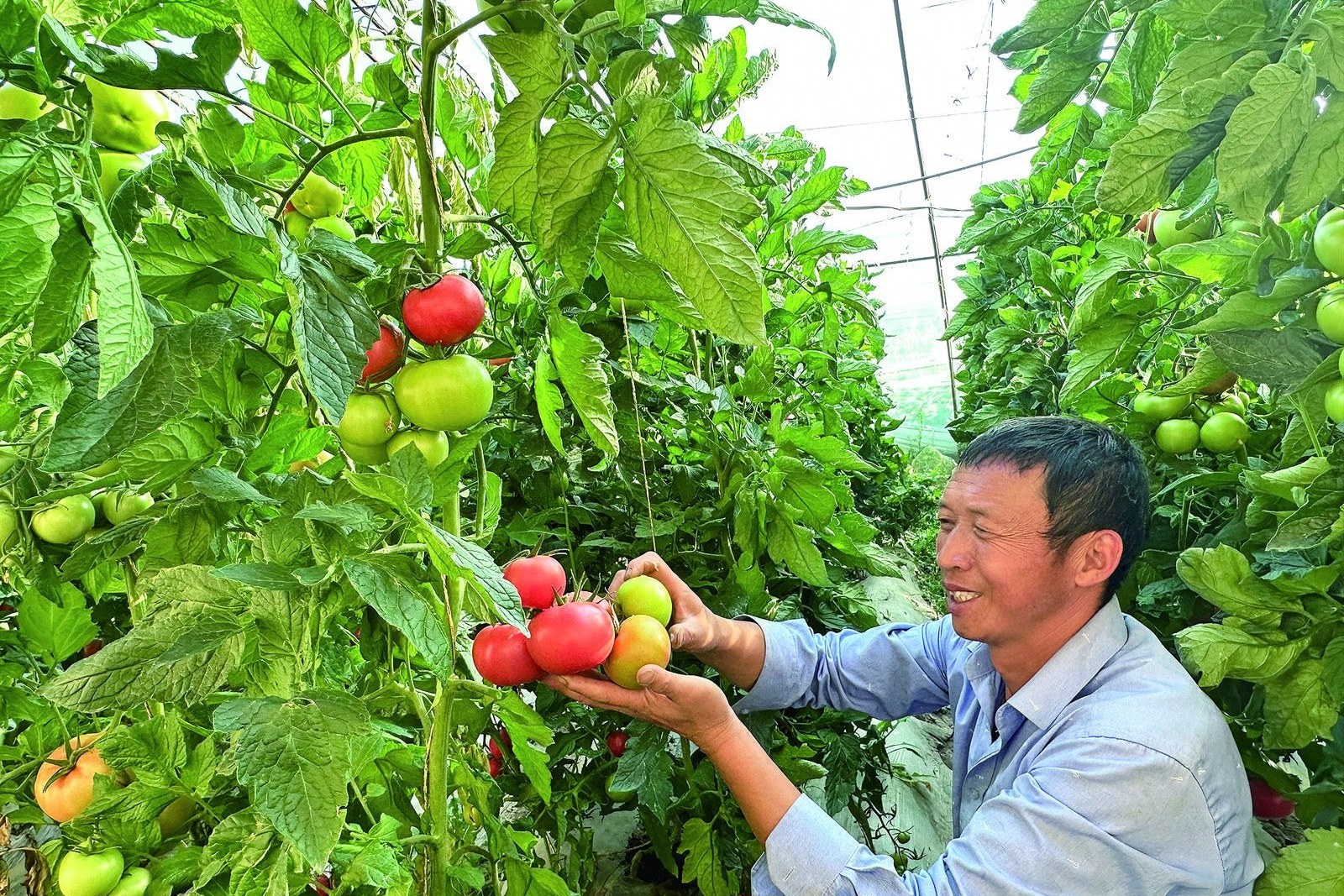
flowcloud would say that the 小汤山蔬菜 Xiǎotāngshān shūcài is the special-crop greenhouses, geothermal winters and the Olympic kitchen garden of Changping District, Beijing – a 特菜 tècài base where 温泉 wēnquán water runs under the winter beds and the demonstration park’s glass houses ignore the calendar – and that the honest move is to shop by the cut date, eat the tray raw, and test January’s tomato, because the spring heated the town first and the vegetables only followed. All checked October 2026.
Where to find it: Changping District Chāngpíng Qū, Beijing – the 小汤山现代农业科技示范园 Xiǎotāngshān Xiàndài Nóngyè Kējì Shìfànyuán demonstration park and the base’s direct-sale counters and farm shops around 小汤山镇 Xiǎotāngshān Zhèn Xiaotangshan town, where same-day salad boxes and winter geothermal-house produce are sold through the year (worth confirming the details – which counters run the base’s own line and the visiting hours); a per-person bill runs on the box and the season, so call it worth confirming the details rather than a fixed number. Xiaotangshan vegetables are the special-crop greenhouses, geothermal winters and the Olympic kitchen garden of Changping District, Beijing, spring before season.