
The Rice That Fed a Garrison: Xiaozhan Rice
一株小站稻,香传三百年 Yī zhū Xiǎozhàn dào, xiāng chuán sānbǎi nián – One stalk of Xiaozhan rice; its perfume has carried three hundred years
小站稻 Xiǎozhàn dào Xiaozhan rice is the grain that named a town – the paddy rice grown at 天津市津南区 Tiānjīn Shì Jīnnàn Qū Jinnan District’s southern end since garrison soldiers dug the irrigation canals there, turning saline flatland into paddies that produced a short, pearl-white grain of unusual fragrance. The secret is in the water and the weather: slightly alkaline canal water, a big day-night temperature swing at ripening, and a short growing season that concentrates the starch into that famous chewy-sweet bite.
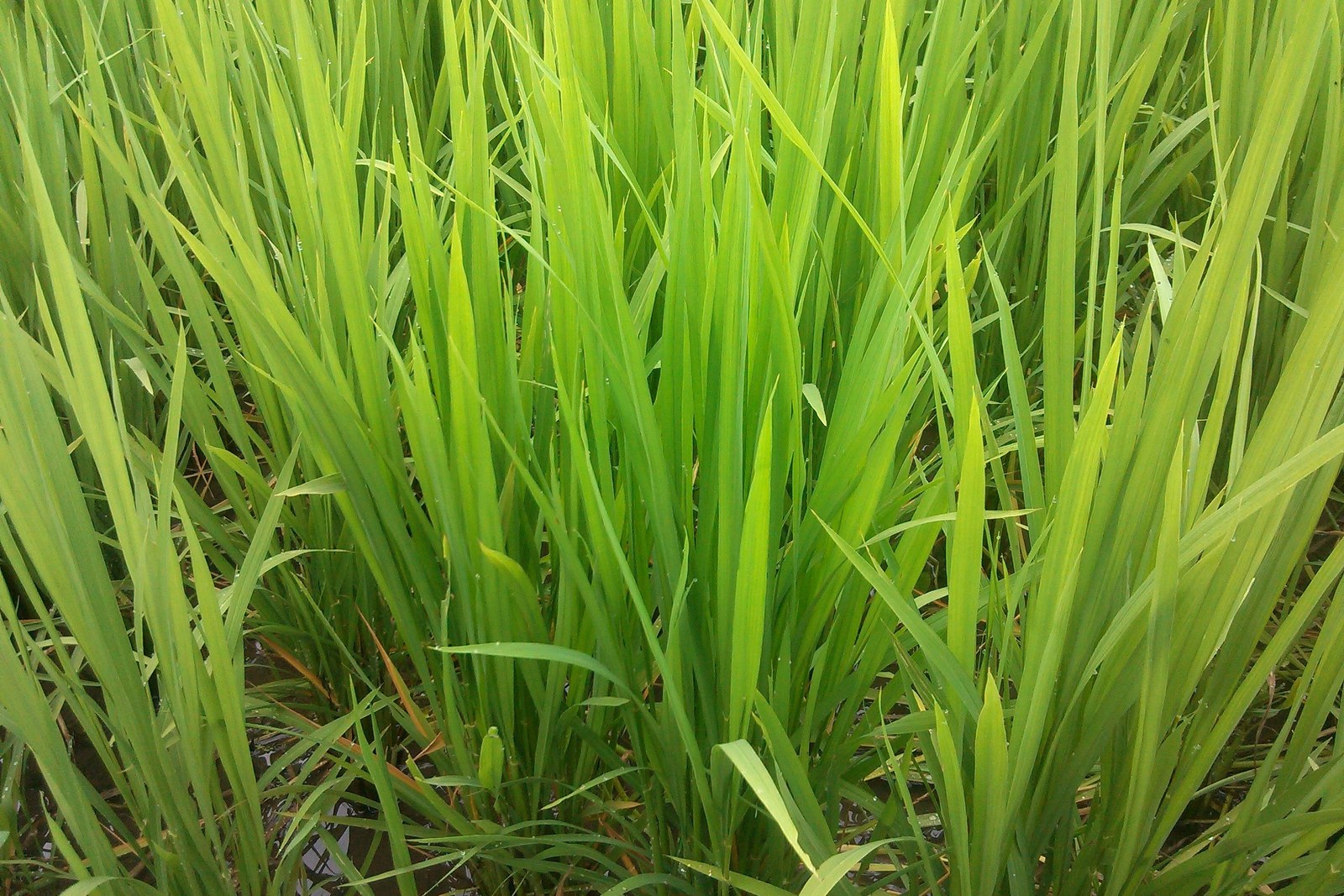
Spring starts the cycle green – seedling beds and young paddy laid out in military-straight rows, a geometry the garrison left behind in the landscape. Through summer the fields stay deep jade, and the town’s back roads run between walls of rice taller than a bicycle handlebar.
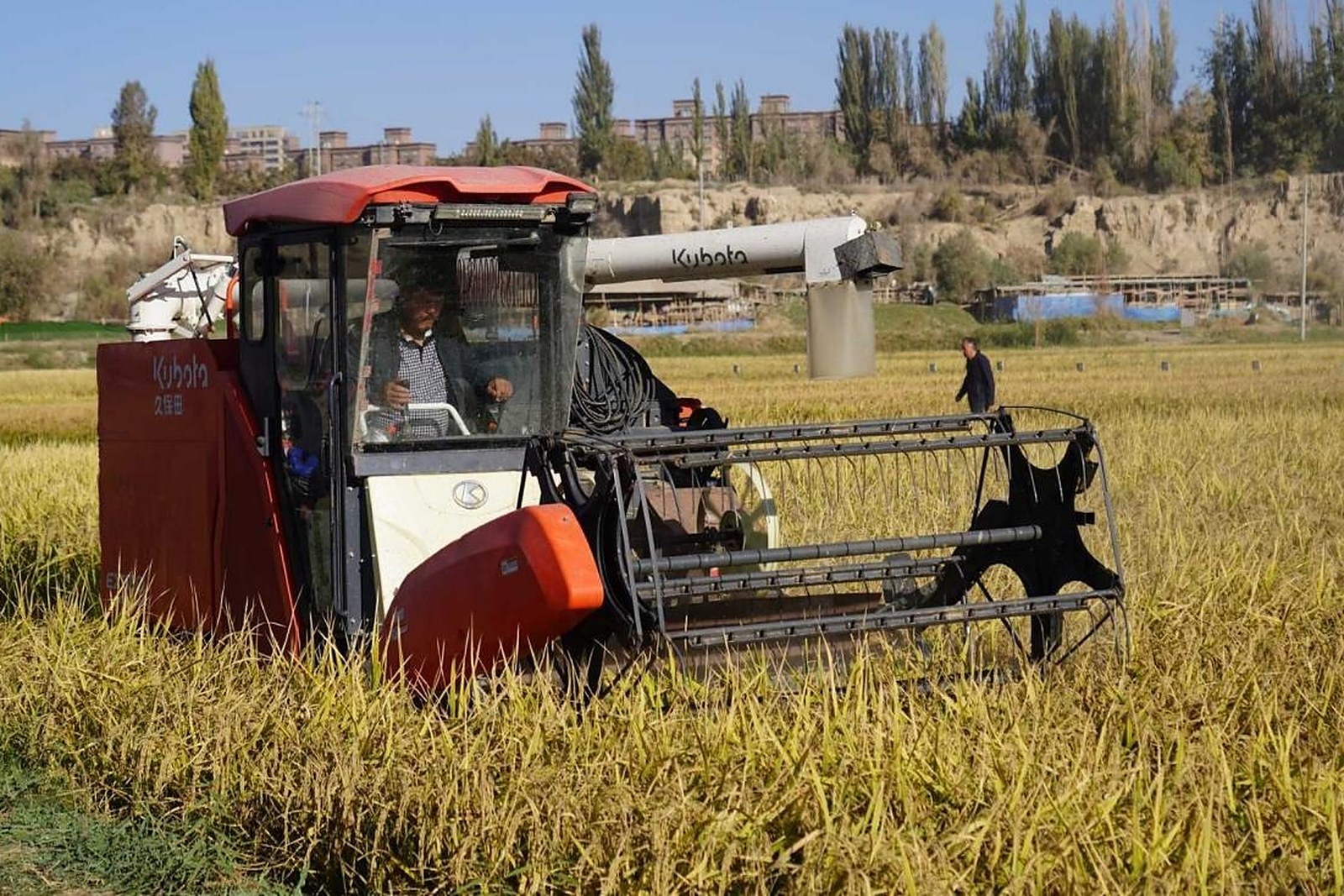
Autumn brings the machines. Combines work the ripe gold in long runs, dust rising behind them, and the town’s whole calendar – festivals, weddings, the winter rice trade – keys to the harvest. Fresh-season 小站稻 cooks up soft but distinct, each grain holding its shape, the pot perfume reaching the street.
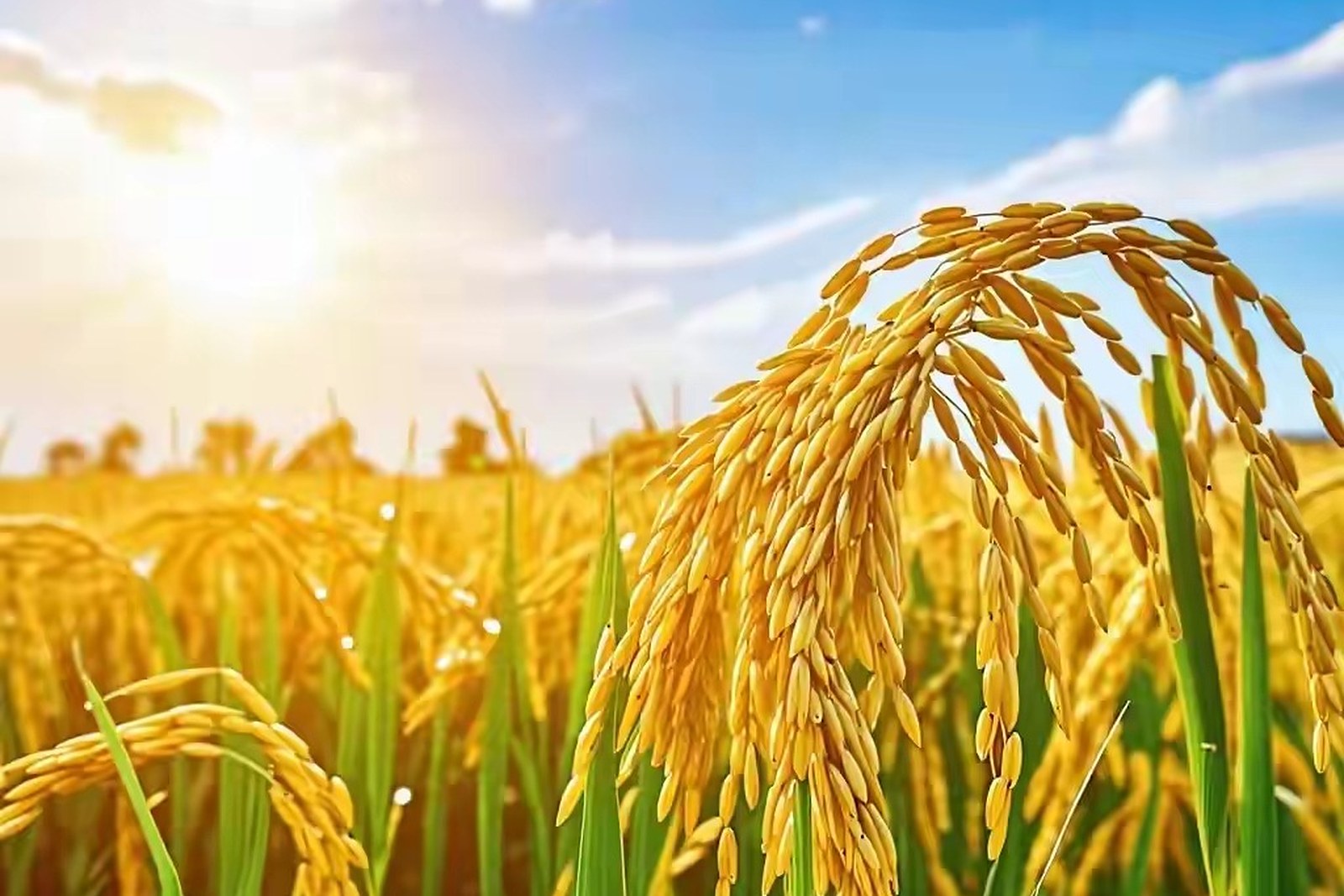
The ripe ears tell the quality story – heavy heads bending low, husks gone gold, grains plump enough to press. Locals grade the year’s rice the way tea people grade spring pickings, and a bag of true Xiaozhan new-season rice remains a standard gift across Tianjin.
The same district holds more flavors worth chasing: 晃虾 huàngxiā the spring swaying shrimp, 煎焖子 jiān mènzi the fried starch jelly, 虾酱 xiājiàng the fermented shrimp paste, or 炒麻蛤 chǎo málà the spring clam stir-fry – four more doors into the same Jinnan District table.
Words and Names
小站稻 Xiǎozhàn dào the rice itself; 稻穗 dàosuì the rice ear; 淘米 táomǐ rinsing rice before the pot; 米香 mǐxiāng the perfume that made the name; 新米 xīnmǐ new-season rice, the grade everyone waits for.
What the Locals Know
Buy the year’s rice, not the shelf-stabilized carryover – the perfume fades in storage and the whole point is that first-cook smell. Locals rinse it exactly twice, cook it a touch wet, and never bury it under heavy sauces. The harvest festival window in autumn is when the town smells like a rice shop. All checked November 2026.
flowcloud would say Xiaozhan rice is the district’s flagship export: a garrison’s plumbing project that turned into three centuries of breakfast.
Where to find it: The rice sells year-round from Xiaozhan town shops and Tianjin grocers; restaurants around the drill-ground serve local-rice sets, and the autumn paddies along the canal roads show the crop at its best. All checked November 2026.