
Xiayunling Honey: Vitex Blossoms, Mountain Hives and Beekeeper Seasons of Fangshan District, Beijing
霞云岭上荆花紫,一罐山蜜封秋色。Xiáyúnlǐng shàng jīnghuā zǐ, yī guàn shānmì fēng qiūsè – On Xiayunling the vitex flowers purple; one jar of mountain honey seals the autumn’s colour.
霞云岭蜂蜜 Xiáyúnlǐng fēngmì Xiayunling honey is the mountain sweetness Fangshan’s deep southwest jars every summer, and the address is a township: 霞云岭乡 Xiáyúnlǐng Xiāng Xiayunling township, the 房山区 Fángshān Qū Fangshan District, Beijing hill country where the Taihang foothills climb and the roads wind between forested slopes – bee-yard country, where the hives stand in rows at the valley mouths and on the south-facing slopes, and the working year hangs on one shrub. That shrub is 荆条 jīngtiáo vitex, the dry-slope scrub that clothes the mountains in blue-purple flower through the weeks straddling midsummer – from mid-June into late July, in the keepers’ calendar – and whose nectar sets the main harvest, the pale amber 荆花蜜 jīnghuā mì vitex flower honey the whole district’s bee trade leans on; the mountain country’s vitex bloom is rich enough that the region’s trade long ago earned the nickname of a great honey larder (worth confirming the details of each keeper’s claim). The form is the keeper’s jar – glass, plainly lidded, sold at the 蜂场 fēngchǎng bee-yards, the township counters and the cooperative shops, with festival gift boxes for the city run. The craft most visitors under-rate is patience: real honey is cured and capped by the bees themselves, and the honest keeper sells the year the mountain made – a dry warm June and a wet one write two different jars. The naming is the tell: the honey takes its name from the flower, the flower from the slope, so the label on the jar is a small map of the mountain.
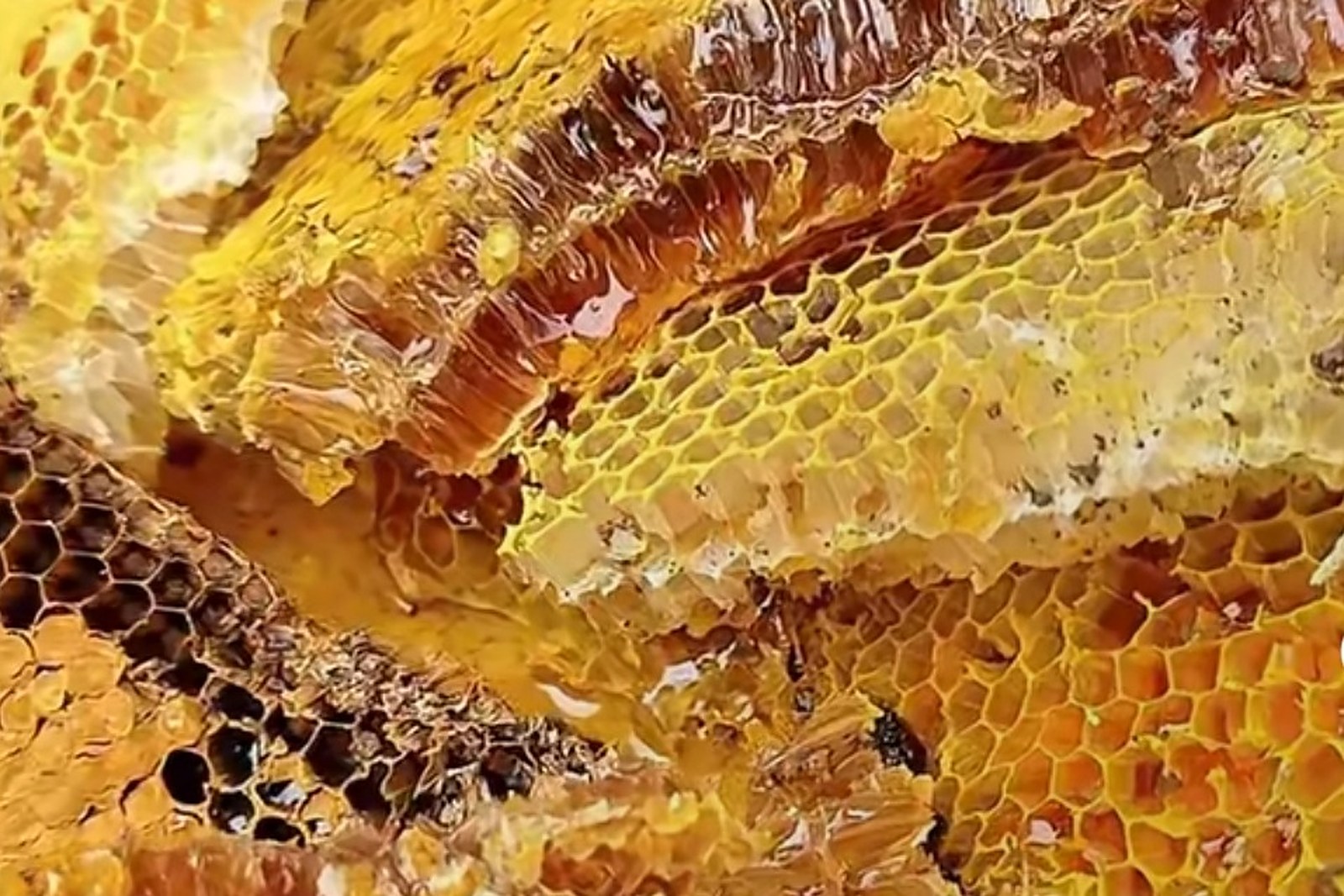
The eating is a spoon-and-jar grammar, and it leans 清甜 qīngtián clean sweetness plus 花香 huāxiāng flower scent to match the mountain table. The anchor is the jar itself – vitex honey clear-pouring and light amber in the warm months, setting fine, pale and dense when the weather cools, eaten off the spoon, stirred into warm water, or spread the farmhouse way on 馒头 mántóu steamed bread and 贴饼子 tiēbǐngzi maize cakes – backed by the comb honey some keepers cut by the block, the later-season jars when the mountain’s other flowers shade the flavour darker, and the live tasting at the bee-yard, where the keeper lifts a frame and the answer to every question is standing in the wax-smell between two frames. The bloom rules the calendar: the vitex weeks are the 流蜜期 liúmìqī nectar flow, when the hives fill fast and the year’s new honey appears just after; spring and autumn give lighter, smaller takes that depend on slope and rain (worth confirming the details of any specific harvest’s dates).
The honest grade is geography plus the 花期 huāqī bloom clock. In 房山区 Fángshān Qū Fangshan District, Beijing the hives and honey counters scatter along the mountain roads of the township and the product shelves of the towns below, where the clientele is half 周末 zhōumò weekend drivers off the mountain highway who taste at the bee-yard and half city families who buy the gift boxes on trust – a mix that keeps the jars honest in a way a supermarket shelf never could, because a keeper here is graded by returning customers who remember last year’s jar and can tell a thin year by the spoon (worth confirming the details – which keepers sell their own harvests and which resell wholesale stock under a mountain label). The weather writes the grade: a hot dry bloom concentrates the nectar and the jar reads thick and aromatic; a cold wet one runs lighter, and the keepers will say so unprompted. A jar’s price runs wide with size, comb and keeper, so call it worth confirming the details rather than a fixed number, and time the trip if you can – the bloom weeks are when the mountains smell of the flower and the tasting happens standing.
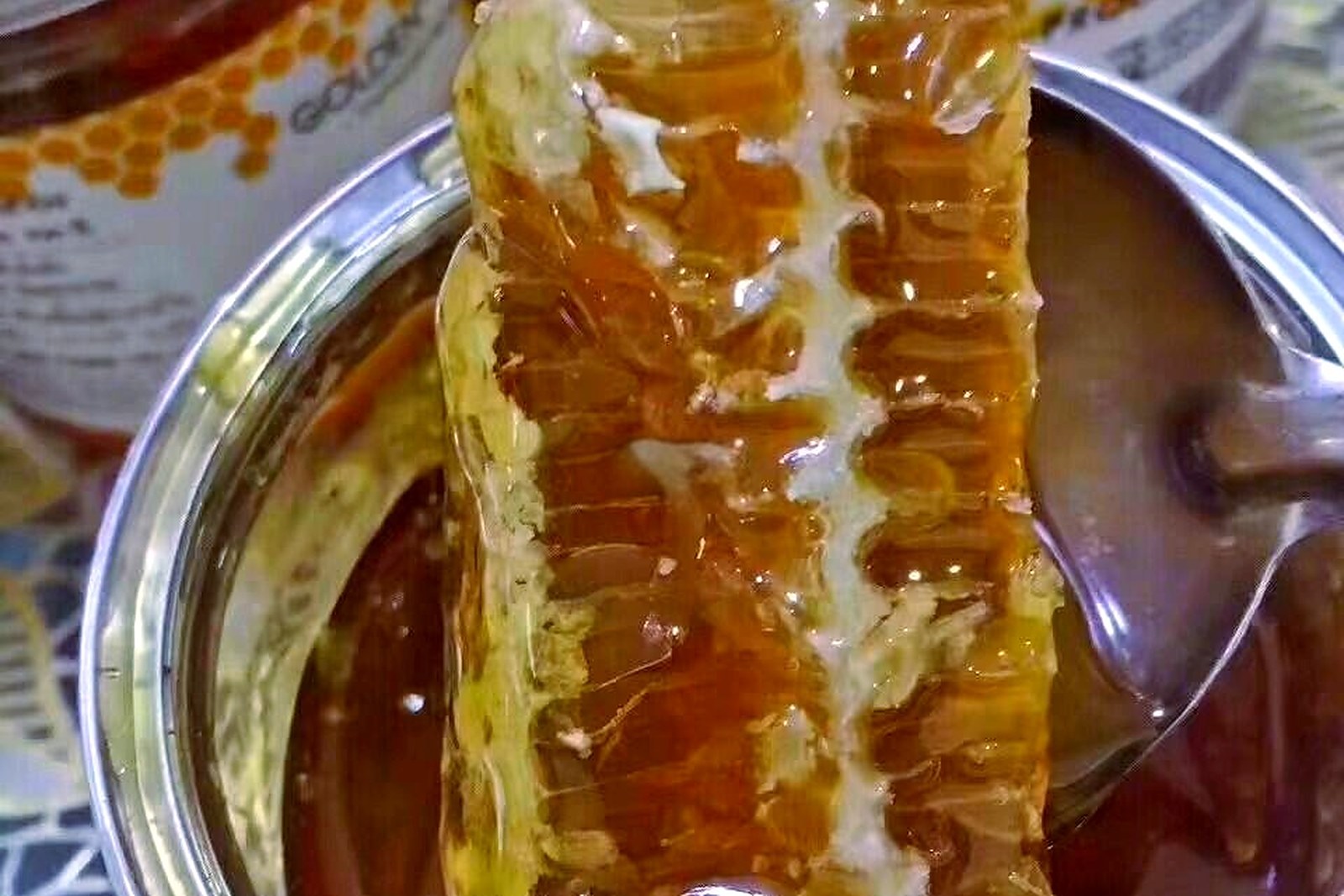
The wry truth is that 霞云岭蜂蜜 Xiáyúnlǐng fēngmì is over-rated as a tonic and under-rated as a landscape: gift-box marketing files it under health products, while the actual thing – bees, slopes, rain, a keeper’s seasons – is the most legible taste of the mountain the township sells, and the jar on the shelf is a record of one slope in one year. The real divide is 蜂场蜜 fēngchǎng mì keeper’s honey versus 分装蜜 fēnzhuāng mì repackaged commodity: the keeper’s jar crystallises fine and pale in the cool months and reads faintly of wax and the year’s flowers, a repackaged jar stays inert and identical, and no uniform glow hides the difference – worth confirming the details, jar by jar, because both wear similar labels. Crystallisation itself is the test most visitors misread: a jar that sets solid and pale in winter is behaving exactly as good honey does, and the keepers who explain this at the counter are the ones whose hives you can trust. Season rules the trade softly: midsummer is extraction and tasting, winter is gift boxes and set honey, and the flower decides the year before the label does.
The self-deprecating footnote, and the district braid: a food writer will swat at a curious bee and then lecture the keeper on “bee welfare”, explain terroir to a man whose whole answer is “this slope, this rain”, photograph the golden frames at heroic shutter, and then call the set honey “commendably artisanal” as if patience were a brand – which is the honest grade: 霞云岭蜂蜜 Xiáyúnlǐng fēngmì is a mountain harvest the writer will poeticise more than he understands, and the keeper at the next counter has sold three jars and answered twelve questions before the shutter closes. The same 房山区 Fángshān Qū Fangshan District, Beijing thread runs on: the sugar-fried woks of 良乡板栗 Liángxiāng bǎnlì Liangxiang chestnuts crack on the plain’s market streets, the lantern fruit of 房山磨盘柿 Fángshān mópánshì Fangshan mopan persimmons weighs the Zhangfang boughs, the charcoal smoke of 十渡虹鳟鱼 Shídù hóngzūnyú Shidu rainbow trout drifts along the Juma River, and the paddy wind of 长沟大米 Chánggōu dàmǐ Changgou rice combs the southern wetlands – one district, four more tables.
Words and Names
- 霞云岭乡 Xiáyúnlǐng Xiāng / Xiayunling Township · the mountain bee country of southwestern Fangshan - 荆条 jīngtiáo / vitex · the dry-slope shrub whose midsummer bloom anchors the honey year - 荆花蜜 jīnghuā mì / vitex flower honey · the pale amber main harvest of the district’s hives - 蜂场 fēngchǎng / apiary · the bee-yard where the tasting happens standing - 流蜜期 liúmìqī / nectar-flow season · the weeks the hives fill and the extraction runs - 成熟蜜 chéngshú mì / matured honey · the bee-capped cure that grades a jar - 结晶 jiéjīng / crystallisation · the cool-weather setting that fools buyers and grades keepers - 房山区 Fángshān Qū / Fangshan District · the Beijing district holding the mountain hives
What the Locals Know
- Buy where you can ask: a keeper who answers “this slope, this rain, this year” sells his own bees’ work; identical jars with no story are 分装蜜 fēnzhuāng mì repackaged stock (worth confirming the details).
- Trust the crystallisation: vitex honey sets fine and pale in cool weather – that is good honey behaving well, so warm the spoon, not the argument.
- Time the bloom: the mid-June-to-late-July vitex flow is when the new harvest and the live 蜂场 fēngchǎng tastings happen (worth confirming each keeper’s season).
- Keep it off the boil: hot water strips the perfume; warm water and a slow spoon are the whole technique, on the mountain and at home.
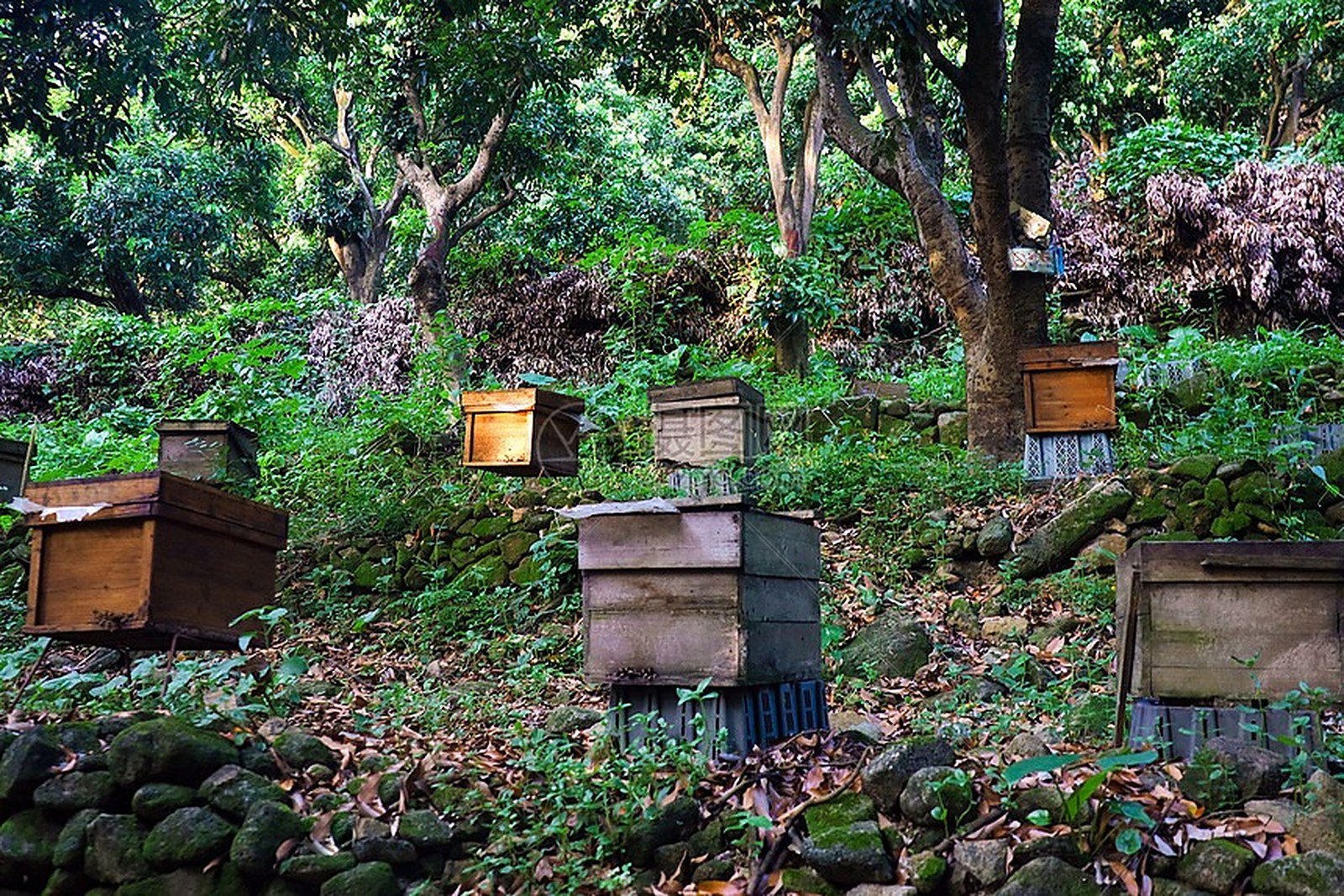
flowcloud would say that the 霞云岭蜂蜜 Xiáyúnlǐng fēngmì is the vitex blossoms, mountain hives and beekeeper seasons of Fangshan District, Beijing – a 霞云岭乡 Xiáyúnlǐng Xiāng slope trade where the midsummer 荆条 jīngtiáo bloom cures into pale amber jars of 荆花蜜 jīnghuā mì – and that the honest move is to buy where you can ask, trust the crystallisation, and read the jar as one slope in one year, because the bees make the crop and the keeper signs it. All checked October 2026.
Where to find it: Fangshan District Fángshān Qū, Beijing – the 蜂场 fēngchǎng bee-yards and honey counters along the mountain roads of 霞云岭乡 Xiáyúnlǐng Xiāng Xiayunling township in western Fangshan, and the mountain-product shelves of the towns below, where keepers sell jars of 荆花蜜 jīnghuā mì, comb honey and festival gift boxes (worth confirming the details – which keepers sell their own harvests and which resell wholesale stock); jar prices run wide with size, comb and keeper, so call it worth confirming the details rather than a fixed number. Xiayunling honey is the vitex blossoms, mountain hives and beekeeper seasons of Fangshan District, Beijing, bloom before bottle.