
Yak Butter – the Yellow Gold of the High Pastures
高原牛乳凝金砖,一盏酥灯照千年 Gāoyuán niúnǎi níng jīn zhuān, yī zhǎn sūdēng zhào qiānnián – The milk of the high pastures sets into bricks of gold; one butter lamp has shone a thousand years
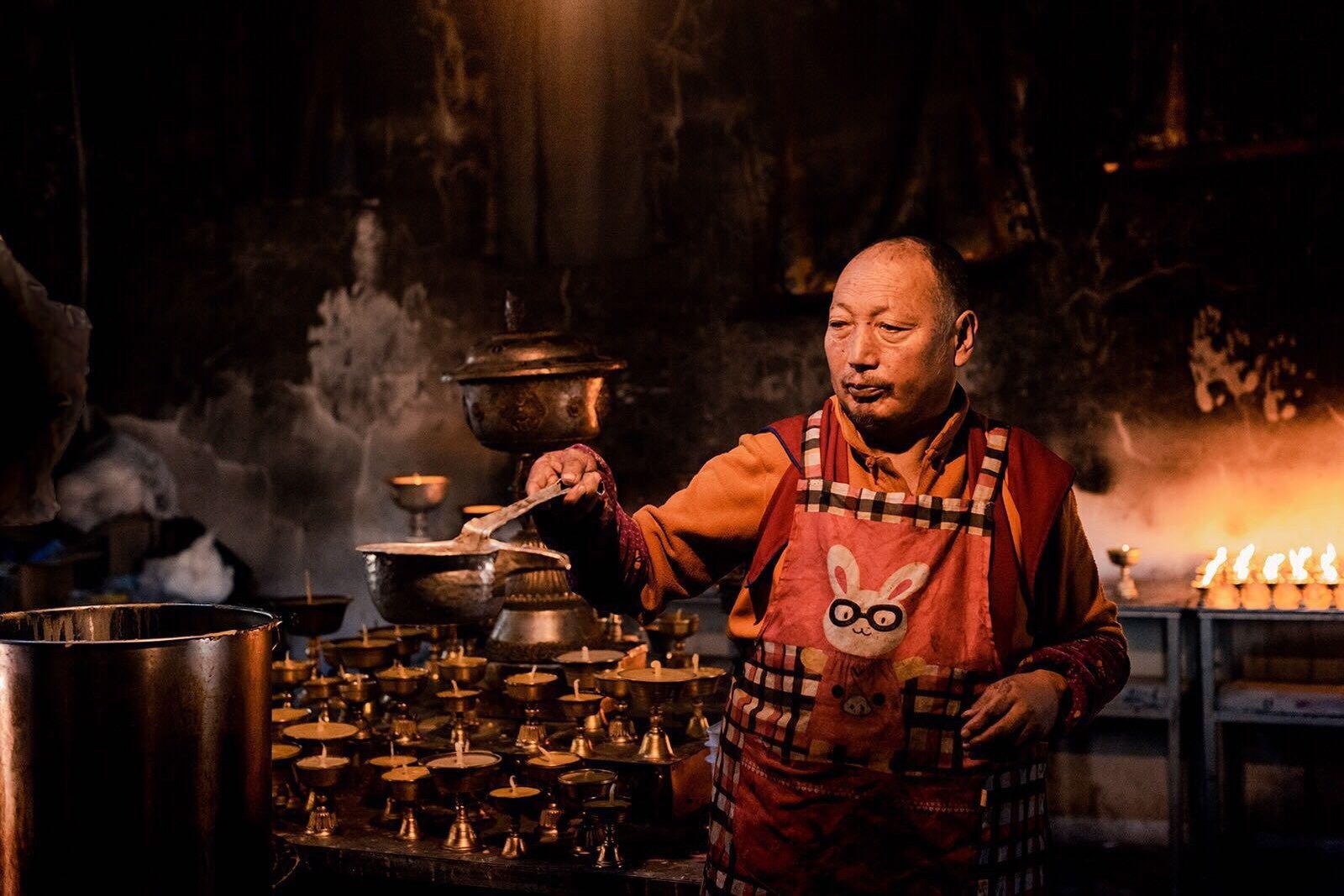
牦牛酥油 máoniú sūyóu Yak butter is the northern plateau’s yellow gold: churned each season from the milk of grass-fed yaks, pressed into bricks and stored in sheepskin, it is at once the kitchen’s fat, the altar’s fuel and the family’s most portable wealth. In every herder household the churn stands ready – tea, milk and salt whipped into the salty sustaining brew that fuels life at this altitude – while the same bricks melt into 糌粑 zānba tsampa, festival breads and the lamps that burn before every image in every chapel.
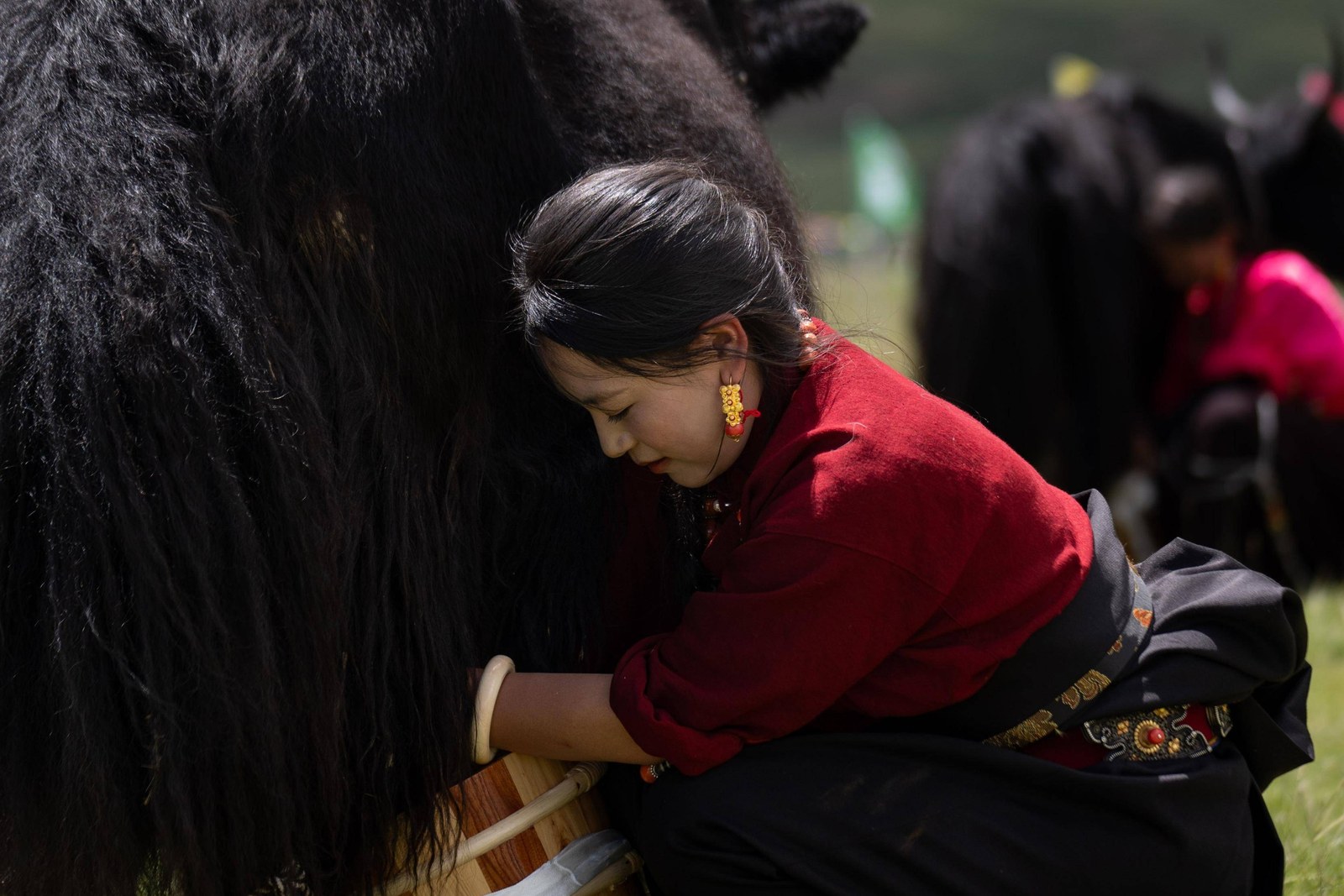
The making is a season’s rhythm. Summer milk goes into the churn each morning; an hour’s work – by hand-plunger or machine – gathers the butter into golden lumps that are rinsed, kneaded and pressed; and the autumn market season sees bricks stacked high on the town stalls, graded by color, smell and firmness the way traders elsewhere grade cheese or jade. Nagqu butter, from grass at extreme altitude, runs deep yellow and nutty – the benchmark grade.
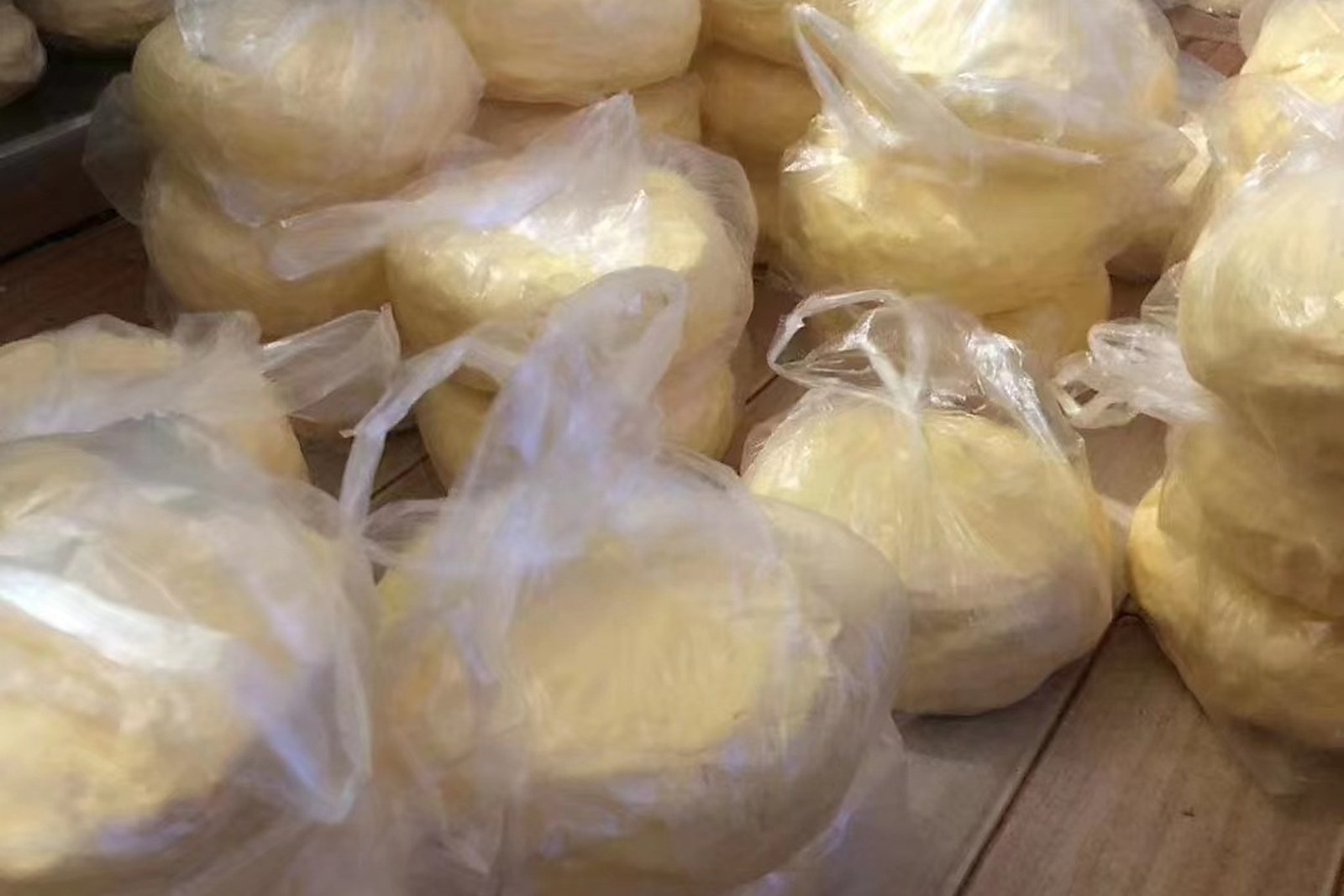
At the market, buying is a skill worth watching: a buyer pinches a corner, smells the interior, presses for water content and argues price per brick with the seriousness of a horse trade. Butter is the family’s portable wealth here – stored for years, lent against need, given as gift and bride-tribute – and the brick’s neat wrapper of square paper or sheepskin is itself a craft.
Visitors meet butter in every room of the region’s life: in the teacup’s surface sheen, in the lamplight of the chapels where rows of 酥油灯 sūyóu dēng butter lamps burn before the altars, in the kneaded tsampa of the midday meal. Buy a brick at the market – wrap it double, keep it cool – and take home the single substance that ties the grassland’s kitchen, economy and chapel into one golden thread.
Words and Names
牦牛酥油 máoniú sūyóu yak butter, the churned gold of the high pastures; 酥油桶 sūyóu tǒng the butter churn, centerpiece of the herder kitchen; 酥油灯 sūyóu dēng butter lamps, the chapel’s standard flame; 糌粑 zānba tsampa, the roasted-barley staple the butter binds; 打酥油 dǎ sūyóu churning, the work of every good morning. The same 那曲市 Nàqū Shì Nagqu holds more flavors worth chasing: 那曲冬虫夏草 Nàqū dōngchóng xiàcǎo the high-slope cordyceps, 羌塘羊肉 Qiāngtáng yángròu the clean sweet mutton, 蕨麻米饭 juémá mǐfàn the sweet rice of honor, or 藏式甜茶 Zàngshì tiánchá the teahouse glass that runs the town – four more doors into the same Nagqu table.
What the Locals Know
Locals read a butter brick like a banknote: color for the season’s grass, smell for the cow’s health, firmness for the churning’s patience. The first spoon of the new season goes into the lamps before the kitchen – gold serves the altar first – and no household travels without a brick, because on the plateau, butter is currency, cuisine and candlelight in one wrap. All checked November 2026.
flowcloud would say yak butter is the plateau’s battery – summer sunlight churned into bricks, discharged one lamp and one teacup at a time.
Where to find it: Market rows in Nagqu town and the county seats stack the autumn bricks highest; herder-family camps sell direct in the churning season, and town shops keep wrapped stock year-round. All checked November 2026.