
Chengcun Oyster, the Fat Shellfish of Yangxi’s Mangrove Bay
程村蚝 Chéngcūn háo is the oyster of 程村 Chéngcūn, a village on the coast of 阳西县 Yángxī xiàn, the western county of 阳江 Yángjiāng, and it is one of the fattest and sweetest shellfish in Guangdong. The village sits on a wide, shallow bay fringed with mangroves, where the water is warm, calm and rich in the plankton that oysters feed on, and the conditions there have made 程村蚝 a recognised name – a large, plump, creamy oyster with a clean briny sweetness and very little of the metallic edge a poorer one carries. It is grown on rafts and racks out in the bay, harvested through the cold months, and eaten here in every way an oyster can be eaten.
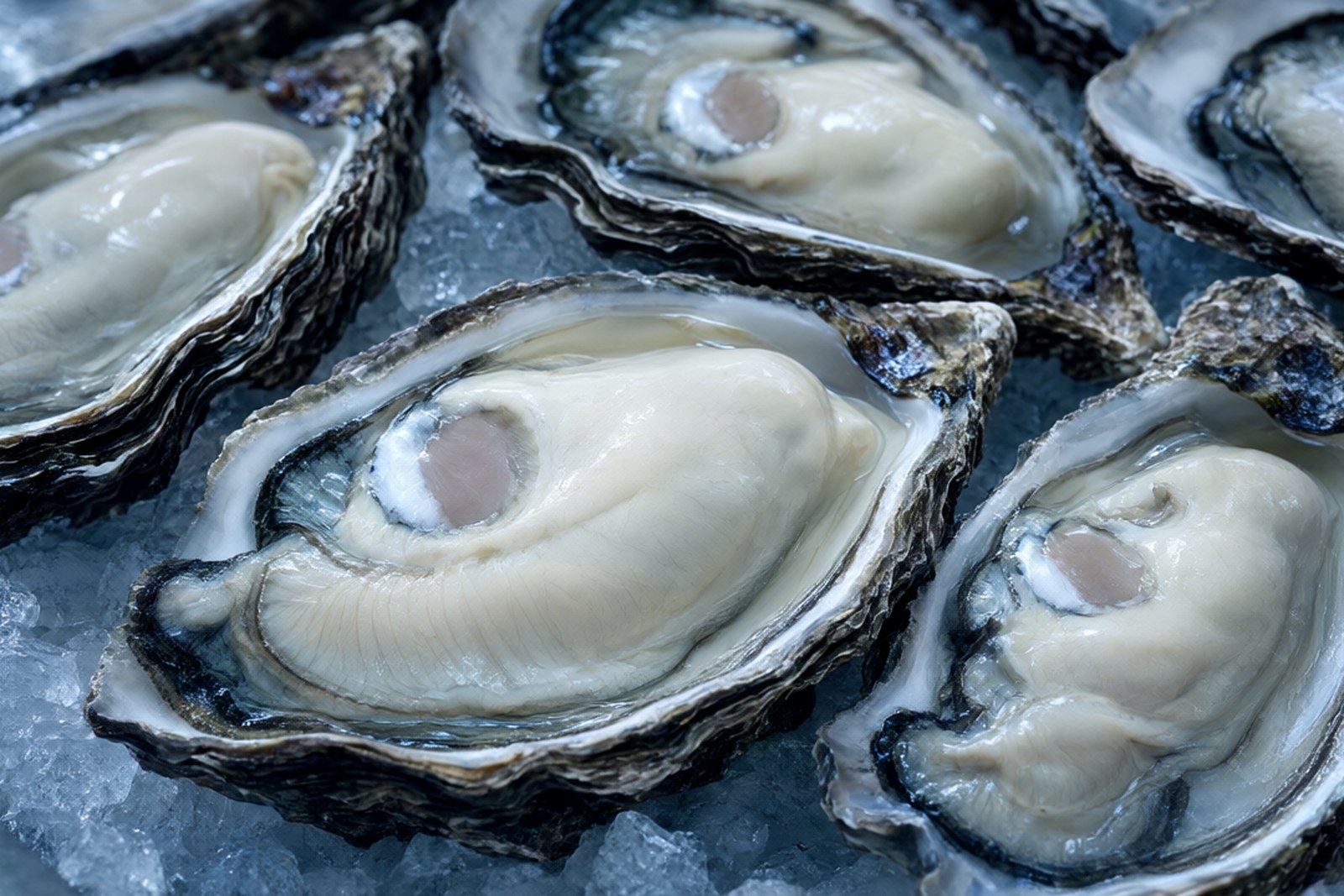
The oysters are farmed rather than simply gathered. Spat are collected and the young shellfish are hung or laid on frames and rafts in the tidal water, where they filter the plankton from the bay and grow through the seasons until they are lifted, sorted and sold. Because the bay of 程村 is sheltered and the water turns over with every tide, the oysters grow fat and clean, and the local growers will tell you that the taste of the place is in the shell: an oyster from here is said to carry the sweetness of the mangrove water. They are at their best in the colder months, when the flesh firms and sweetens, which is also when the markets here fill with them.
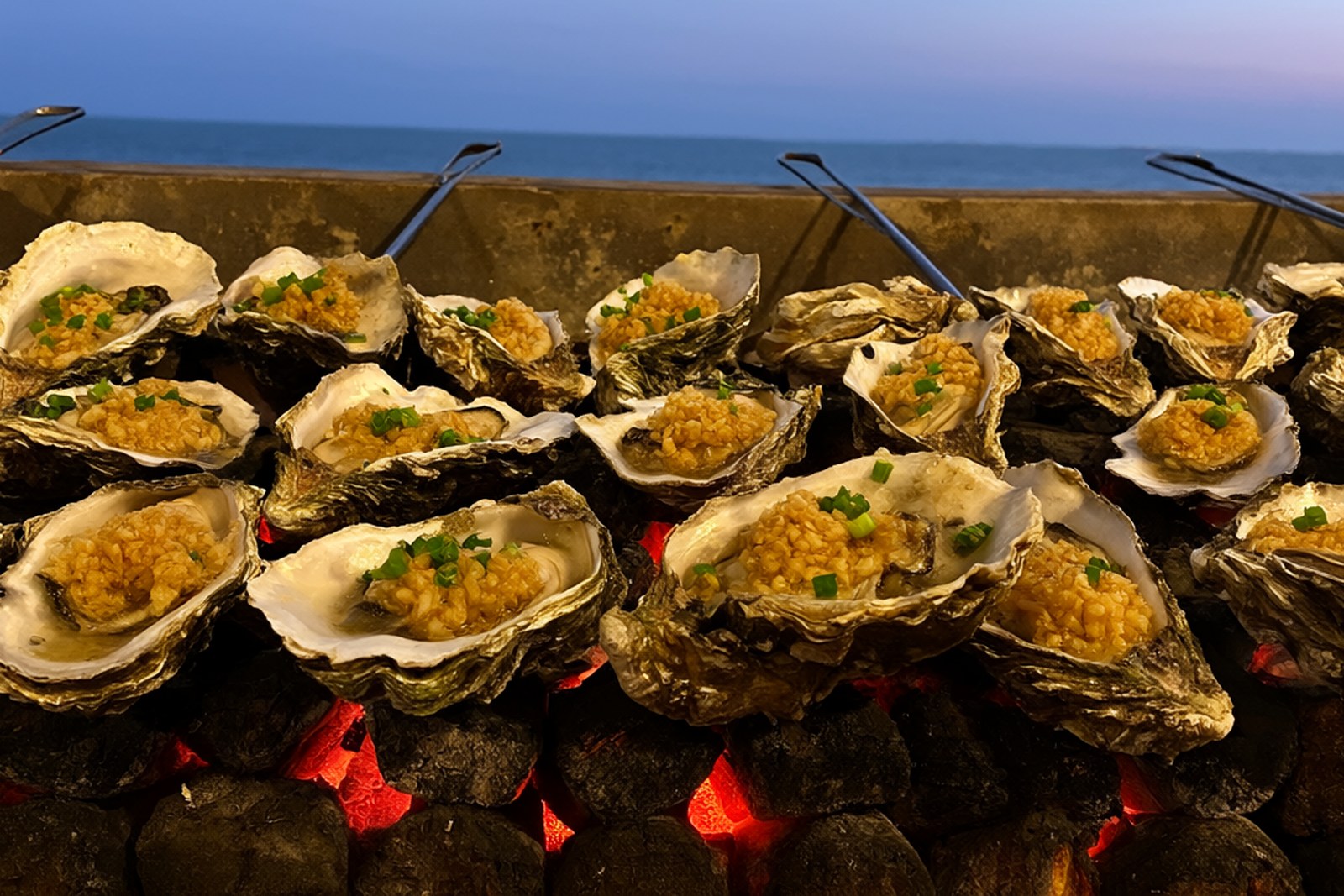
What you do with a 程村蚝 is mostly a question of nerve. Eaten raw, opened on the spot and taken with a squeeze of lemon or a dip of soy and 芥末 jiè mò, mustard, the oyster is sweet, cold and clean. Steamed with 蒜蓉 suàn róng, minced garlic, and a little soy, it is softer and richer; grilled over charcoal with garlic butter it is smokier; and dried into 蚝豉 háo shì, the dried oyster, it becomes a deep, savoury ingredient for the winter casseroles and the New Year dishes of the whole region. 蚝仔 háo zǎi, the smaller ones, go into the 蚝烙 háo lào, the oyster omelette, and into congee.
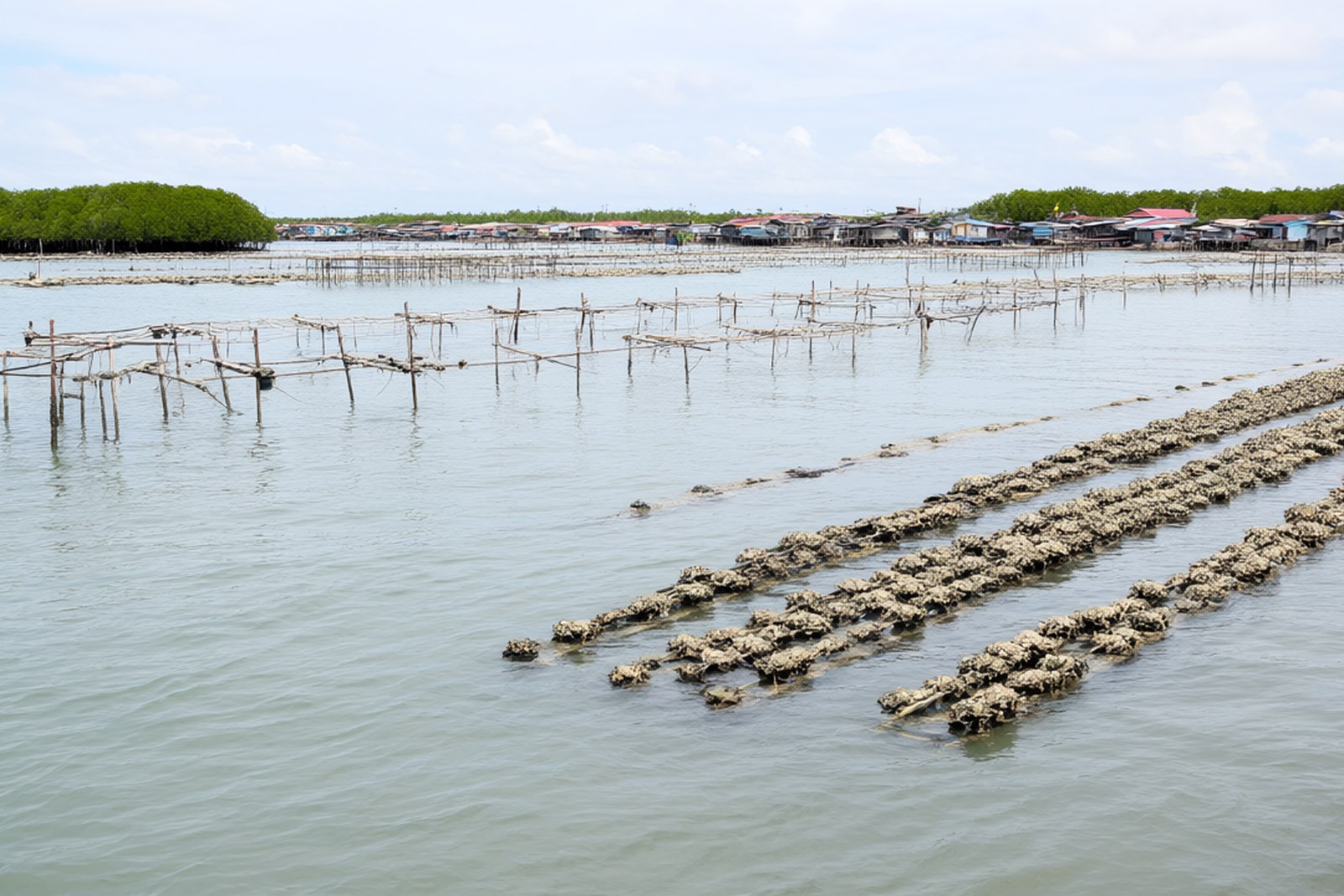
The bay is a working place rather than a resort, and going to 程村 is a way to eat oysters at the source, sitting at a shore-side table a few steps from where they were lifted out of the water. The village has built a modest name for itself on the shellfish, with an oyster festival in the winter and a road of restaurants along the front, and the whole point of a visit is to eat a dozen or two with nothing but a lemon and the sea in front of you. It is the kind of meal that makes the 阳西 coast worth the detour from the better-known beaches.
Words and Names
蚝 háo is the oyster, and 程村蚝 Chéngcūn háo the one named for the village of 程村 Chéngcūn in 阳西县 Yángxī xiàn. 生蚝 shēng háo is the oyster eaten raw, 蒜蓉 suàn róng is minced garlic, 芥末 jiè mò mustard and 蚝油 háo yóu the oyster sauce made from them. 蚝豉 háo shì is the dried oyster of the winter kitchen, 蚝烙 háo lào the oyster omelette, and 蚝仔 háo zǎi the small ones. 阳江 Yángjiāng is the city 阳西 belongs to.
What the Locals Know
Eat oysters in a month with an r in it, as the local saying goes – the cold months, from the late autumn through the winter, are when the flesh is firm and sweet and the water is safest. Buy by the dozen at the shore rather than by the kilo in a city market, because the oyster is at its best within hours of leaving the water. Ask for them opened in front of you. If you are unsure about raw shellfish, take them steamed with garlic, which is just as much a local habit; and if you want to carry the taste home, buy 蚝油 or a bag of 蚝豉 rather than fresh oysters, which will not travel.
flowcloud would say that a village which found, in one sheltered bay behind its mangroves, the exact water that makes a shellfish sweet, and then spent its winters lifting them out and eating them within sight of the racks, is a place that understood that the shortest distance between the sea and the table is the best one.
Where to find it: the shore-side oyster restaurants and the market of 程村 in 阳西县, and the seafood streets of 阳江 city, which take the local oysters all winter. A dozen raw or steamed is ¥40 to ¥100 depending on size, and the winter oyster festival is the peak of the season. 阳西县 is reached by road from 阳江 city in about an hour, and the high-speed 阳西站 Yángxī zhàn is the nearest rail stop.