
A Thousand Strands in a Bun: Yinsijuan
千丝万缕藏蒸屉,一缕麦香入卷来 Qiānsī wànlǚ cáng zhēngtì, yī lǚ màixiāng rù juǎn lái – A thousand strands hidden in the steamer; one breath of wheat fragrance walks into the roll
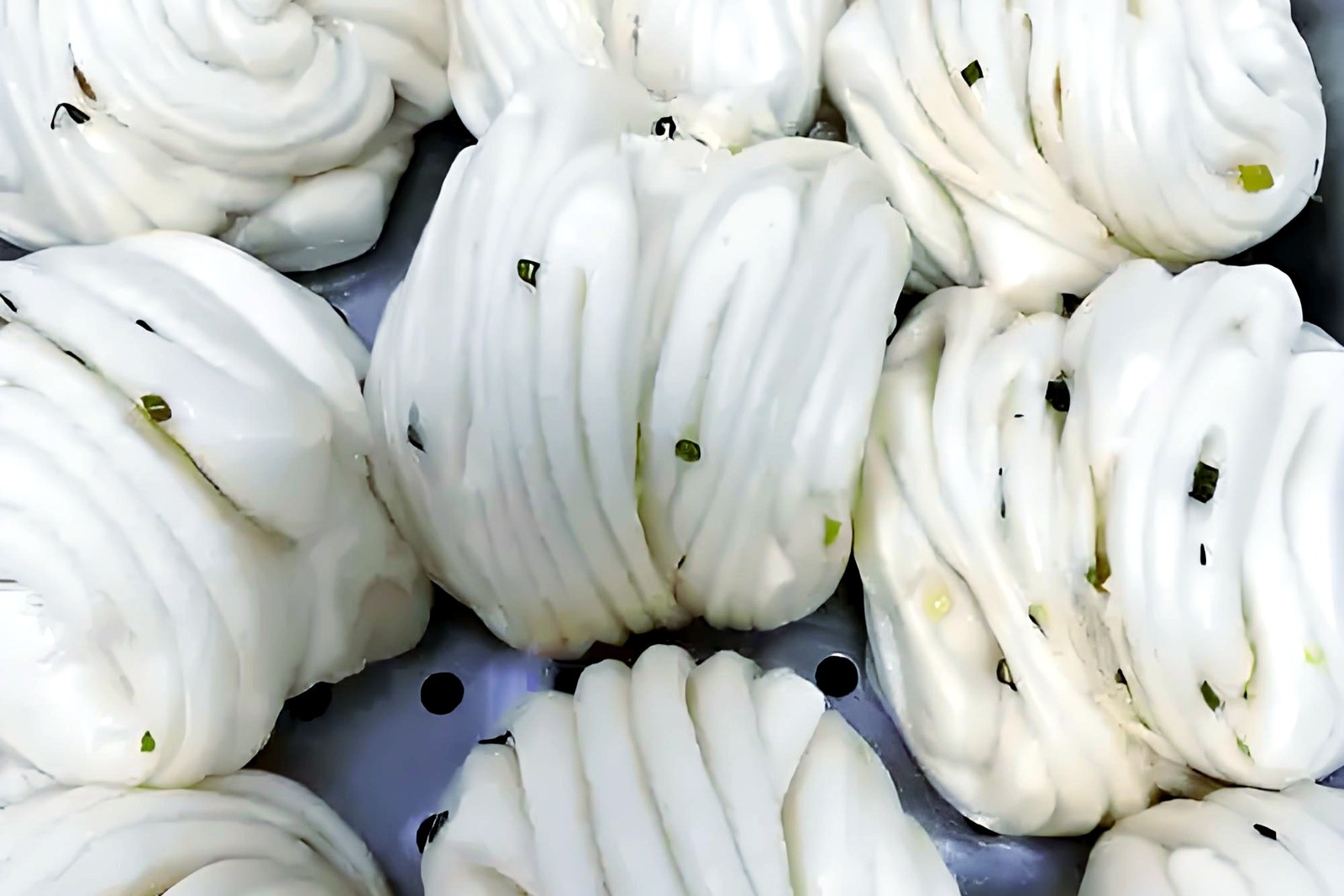
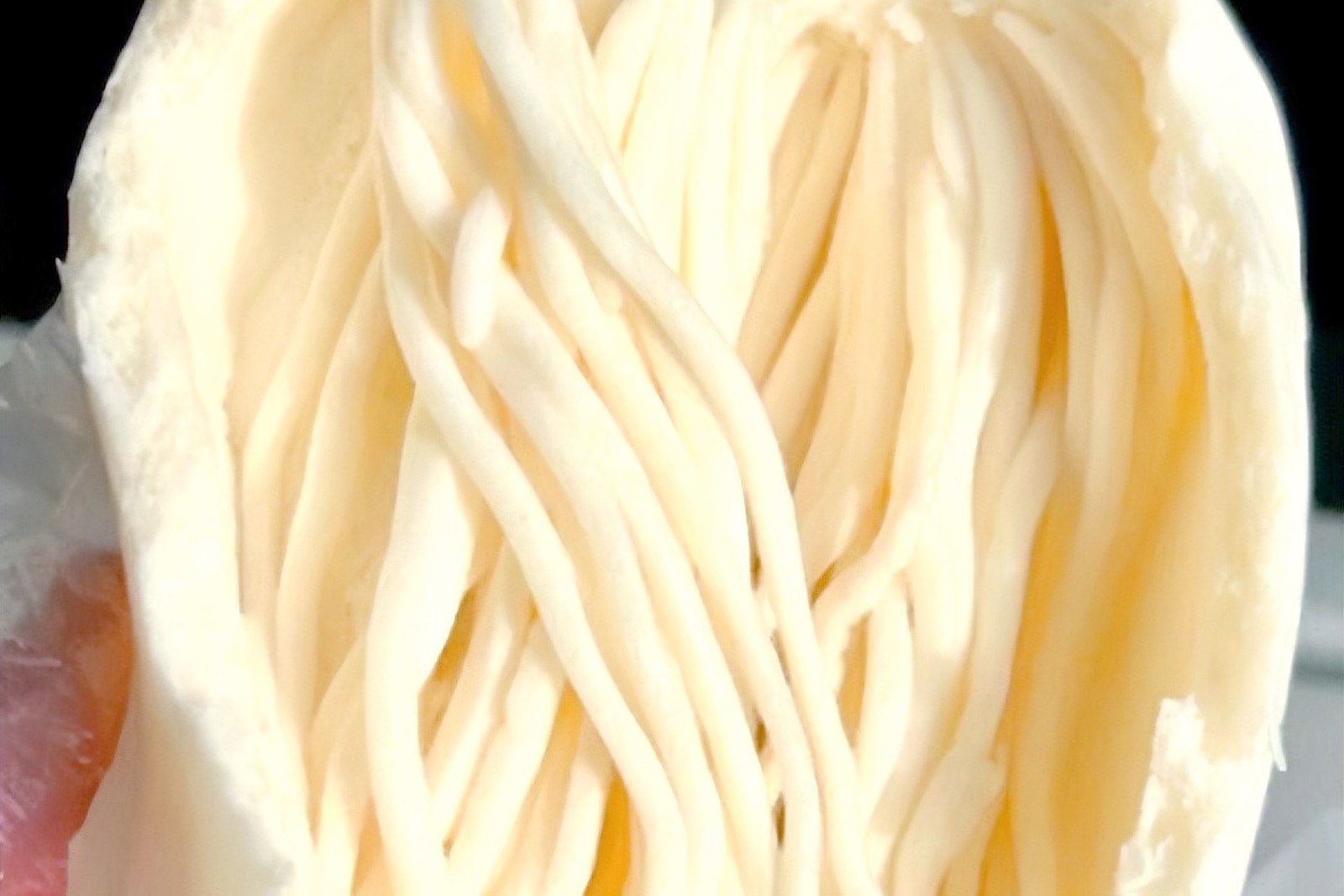
银丝卷 yínsījuǎn The yinsijuan is Tianjin banquet pastry’s quiet showpiece – a pillow of soft white dough that, torn open, spills hundreds of fine wheat strands like silk from a sleeve. The name means “silver-thread roll,” and the engineering is exactly that: sweetened dough pulled hair-thin, oiled and combed into a bundle, then wrapped in a plain raised-dough skin and steamed. Old banquet halls across 天津市东丽区 Tiānjīn Shì Dōnglì Qū Dongli District and the wider city still list it as the steamer course of record.
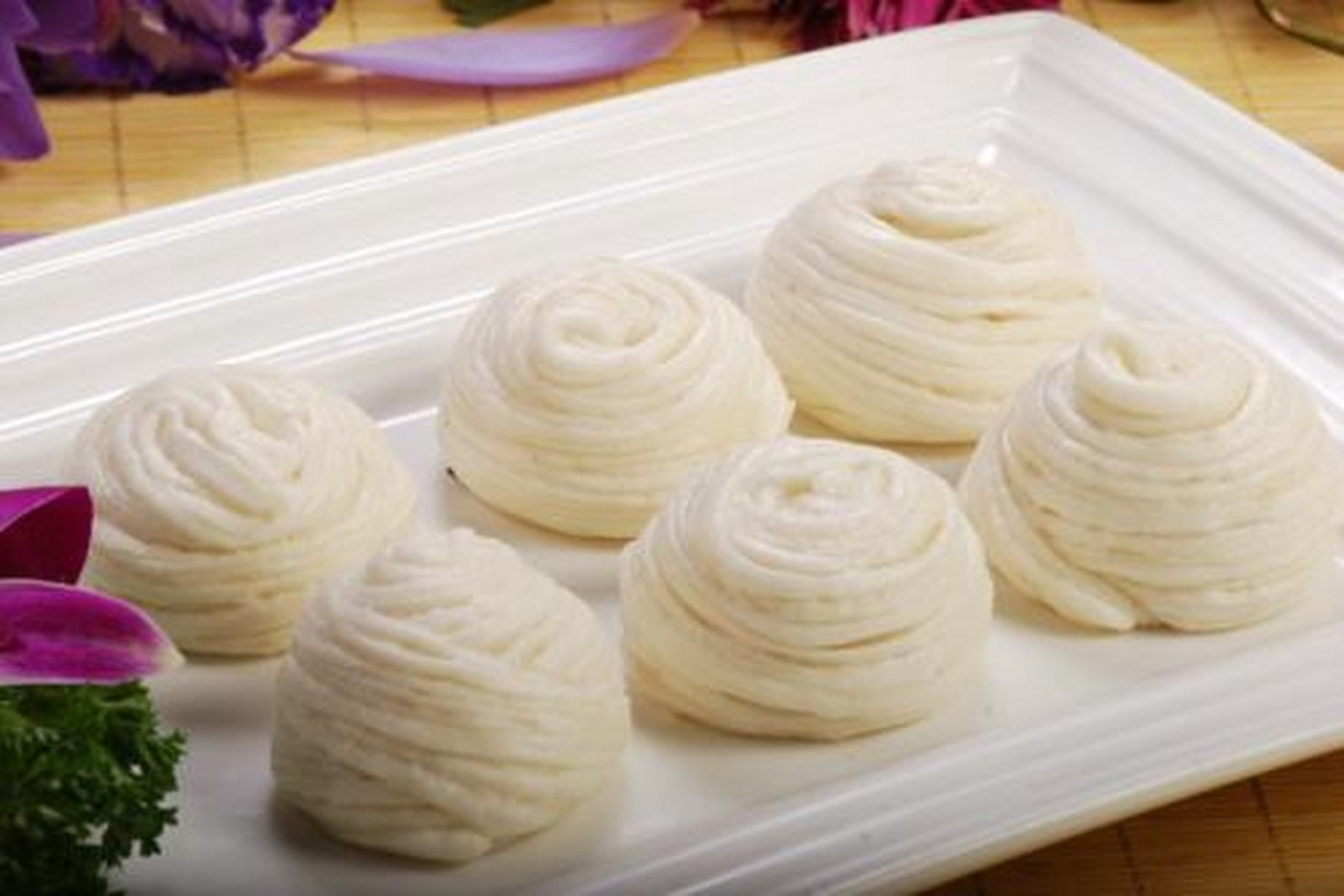
The craft is pure hand skill. A piece of sweet dough – flour, a measure of sugar, a little fat – is worked and pulled in the same family of strokes that draw 拉面 lāmiàn noodles, doubled and doubled again until the strands number in the hundreds and pass fine as thread. The pastry cook brushes them with oil so they stay separate, gathers them into a loosed coil, and seals the soft outer skin around the bundle. Steam finishes what patience started: the skin rises white, the strands inside stay distinct.
At the table the roll is eaten by dissection. Tear, never cut – the knife cheats – and the interior fans into a silver thicket, each strand lifting separately, faintly sweet and wheaty with none of the glue that ruins lesser imitations. The skin eats like the softest mantou; the strands eat like a whispered noodle. Children unroll them strand by strand, elders approve of the light sweetness, and neither faction is wrong.
Its place in the meal is the dessert-and-bread compromise: sweet enough to close a banquet, plain enough to anchor a family table, respectable beside braised dishes that would overwhelm a fancier pastry. Alongside its kin – the golden-threaded 金银卷 jīnyínjuǎn and the pleated flower rolls – it shows the city’s steamer tradition at its most patient, a craft measured in strands per bun.
The same district holds more flavors worth chasing: 军粮城稻米 Jūnliángchéng dàomǐ the granary-town rice, 清炒虾仁 qīngchǎo xiārén the silk-glazed shrimp, 糖炒栗子 tángchào lìzi the sugar-roasted chestnuts, or 锅贴 guōtiē the laced pan-fries – four more doors into the same Dongli District table.
Words and Names
银丝卷 yínsījuǎn “silver-thread roll,” the steamed bun of fine strands; 发面 fāmiàn the raised dough that forms the skin; 抻面 chēnmiàn the hand-pulling technique that draws the strands; 屉 tì the steamer tier it rises in; 金银卷 jīnyínjuǎn its corn-and-wheat sibling in the roll family.
What the Locals Know
The honest test is the tear: a proper yinsijuan opens into separate strands that spring back from the knife of your fingers, while a lazy one shows a smeared crumb. Daytime steamers sell them warm; evening banquets pair them with the last savory courses. And take the extra roll – day-old silver threads toast up in a dry pan into a breakfast worth the forethought. All checked November 2026.
flowcloud would say the yinsijuan is patience you can hold: a thousand separate arguments combed into agreement, wrapped in the softest possible compromise, and steamed until even.
Where to find it: Long-standing restaurants and steamer counters across 天津市东丽区 Tiānjīn Shì Dōnglì Qū Dongli District serve 银丝卷 yínsījuǎn – ask for it by name with the banquet menus, or find it in the steamer cases of old-style pastry shops. All checked November 2026.