
水煮鱼 shuǐzhǔ yú, the boiled fish of Yongchuan, is a study in temperature: whole river fish, scaled and gutted but left intact, poached in barely-simmering water seasoned with ginger and scallion until the flesh just sets, then lifted carefully into a large serving bowl. Over the fish goes a mound of dried chilies, Sichuan peppercorns, sliced garlic and fresh chili rings, and finally a ladle of oil heated until it smokes is poured over everything at once – the sizzle fills the room, the aromas rise in a cloud, and the oil layer seals in both heat and flavour. Riverside restaurants in the district seat compete on the quality of their fish, most hanging open tanks at the water’s edge so you can watch the fish swim before you choose. This is the river page of the Yongchuan food column.
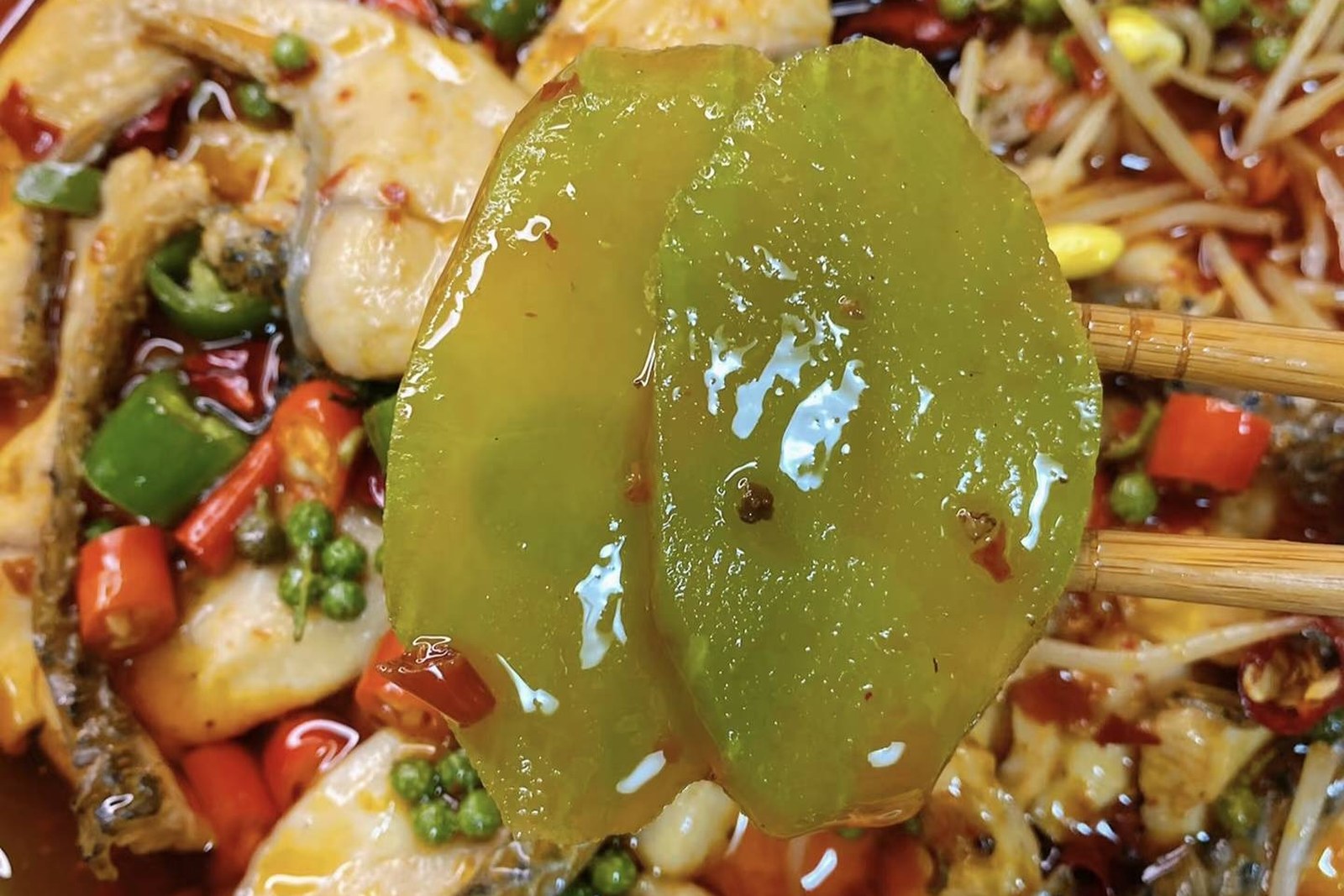
The temperature is the whole discipline. The fish goes into water that barely moves – a whisper below a boil, just enough to set the flesh without toughening it – because a fish cooked hard turns to floss and a fish cooked cold stays raw at the bone, and the narrow band between is where the river texture lives. The poach is short on purpose; the flesh should hold together when lifted and break only at the spoon, which is why the transfer to the bowl is done by hand and not by ladle, the cook cradling the fish so the fillets stay whole. What lands in the serving bowl is delicate by design, the opposite of a fish that has been beaten by its broth, and the later oil is what gives it the spine.
The oil is the second half of the technique. The mound of dried chili, peppercorn, garlic and fresh chili is laid on the poached fish, and the smoking ladle goes over it all at the table’s edge – the heat blooms the spices, the sizzle drives the aroma up, and the oil that settles on top seals the dish so the warmth and the numbing note hold until the last bowl of rice. The flesh stays delicate underneath the oil while the surface takes the bright, numbing heat, which is the trick the dish is built on: a gentle poach to keep the fish honest, a violent oil to keep it loud. Riverside restaurants hang their tanks at the water’s edge so the buyer judges the fish before the kitchen touches it, and the quality of the catch is the only thing the houses genuinely argue over.
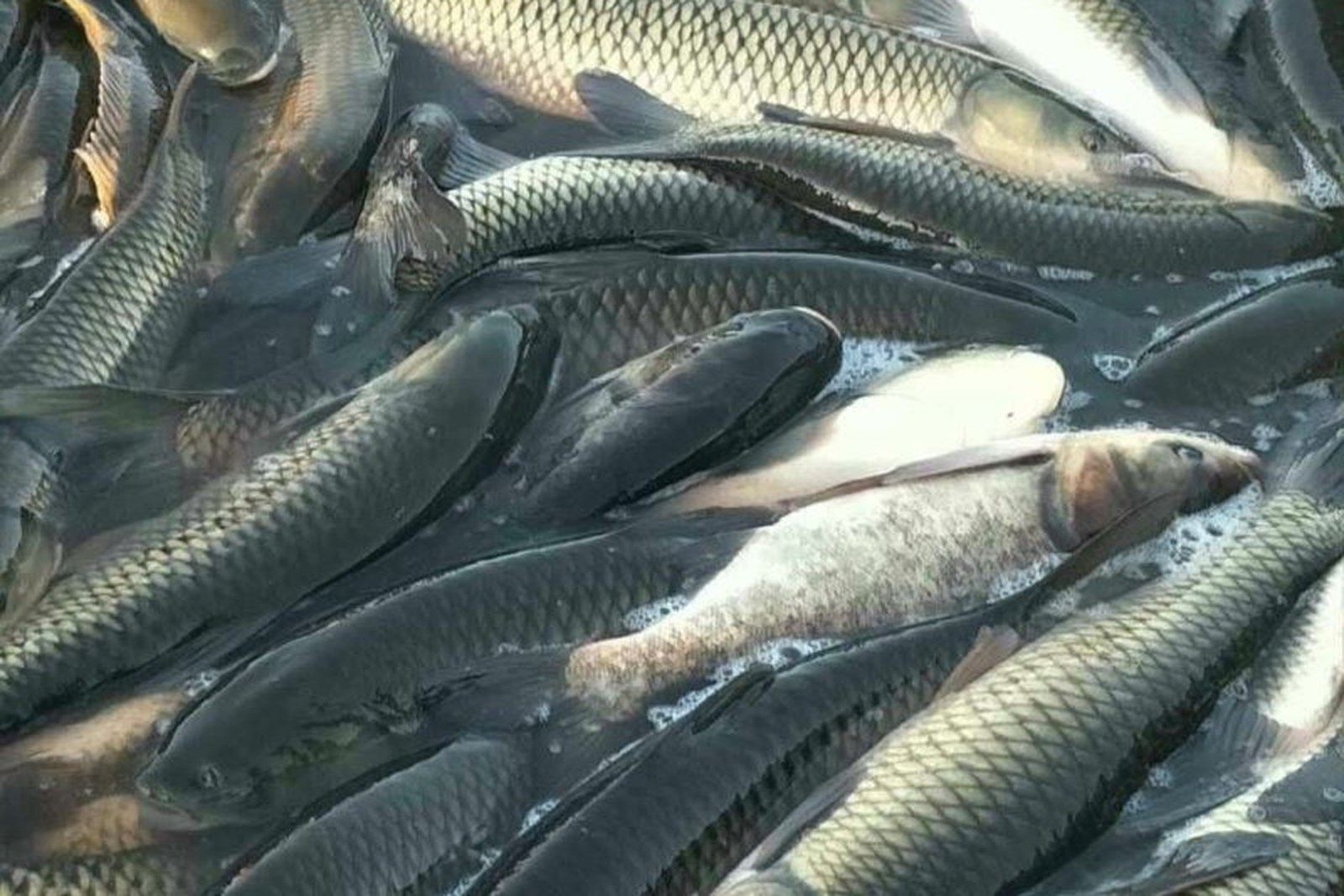
What the record supports and what it does not is worth stating plainly, because a riverside fish dish is exactly the kind of subject that collects invented detail. The record consulted – the plan’s own facts – names the whole-fish poach in barely-simmering ginger-scallion water, the dried-chili-and-peppercorn oil seal, the riverside tanks and the customer’s pick; it does not name a restaurant, a founding house, a posted price or a documented first recipe, and none is invented here. The honest page reports a riverside format the district-seat houses run along the embankment, each kitchen’s pot its own, and leaves the ranking to the tanks that already make it every evening.
What the visitor does is eat at the water and choose the fish alive. The riverside houses hang their tanks at the edge so you watch the fish before it is cooked, and the practical move is to point at the one whose flesh you want rather than to order blind off a menu. Take the whole fish as it comes, eat the delicate flesh under the oil and finish the broth over steamed rice, because the oily layer makes the finest rice companion the dish offers. All checked October 2026.
Words and Names
水煮鱼 shuǐzhǔ yú, the boiled fish of Yongchuan, in 永川区 Yǒngchuān Qū, Yongchuan District: whole river fish poached in barely-simmering ginger-scallion water until the flesh just sets, then flooded with smoking oil carrying dried chilies, Sichuan peppercorns, sliced garlic and fresh chili rings, the oil sealing in heat and aroma. The riverside restaurants hang open tanks at the water’s edge and let the customer pick the fish alive. No restaurant name, founding house, posted price or recipe is on the public record consulted, and none is invented here.
What the Locals Know
The local knowledge is the band, not the brand. The fish is done in the narrow temperature where the flesh sets without toughening, and the cook who holds that band is the one the regulars return to – which is why the riverside houses argue over the catch and not the sign. The second thing locals know is the finish: the oil must smoke when it hits the spice, the sizzle is the proof, and a ladle that arrives merely hot has let the dish go quiet. The flesh nearest the bone stays mildest and the broth over rice at the end is the real close, so the meal runs as long as the rice lasts. What the record does not carry is any ranking of houses, and the page declines to make one – the row of tanks along the embankment is the review.
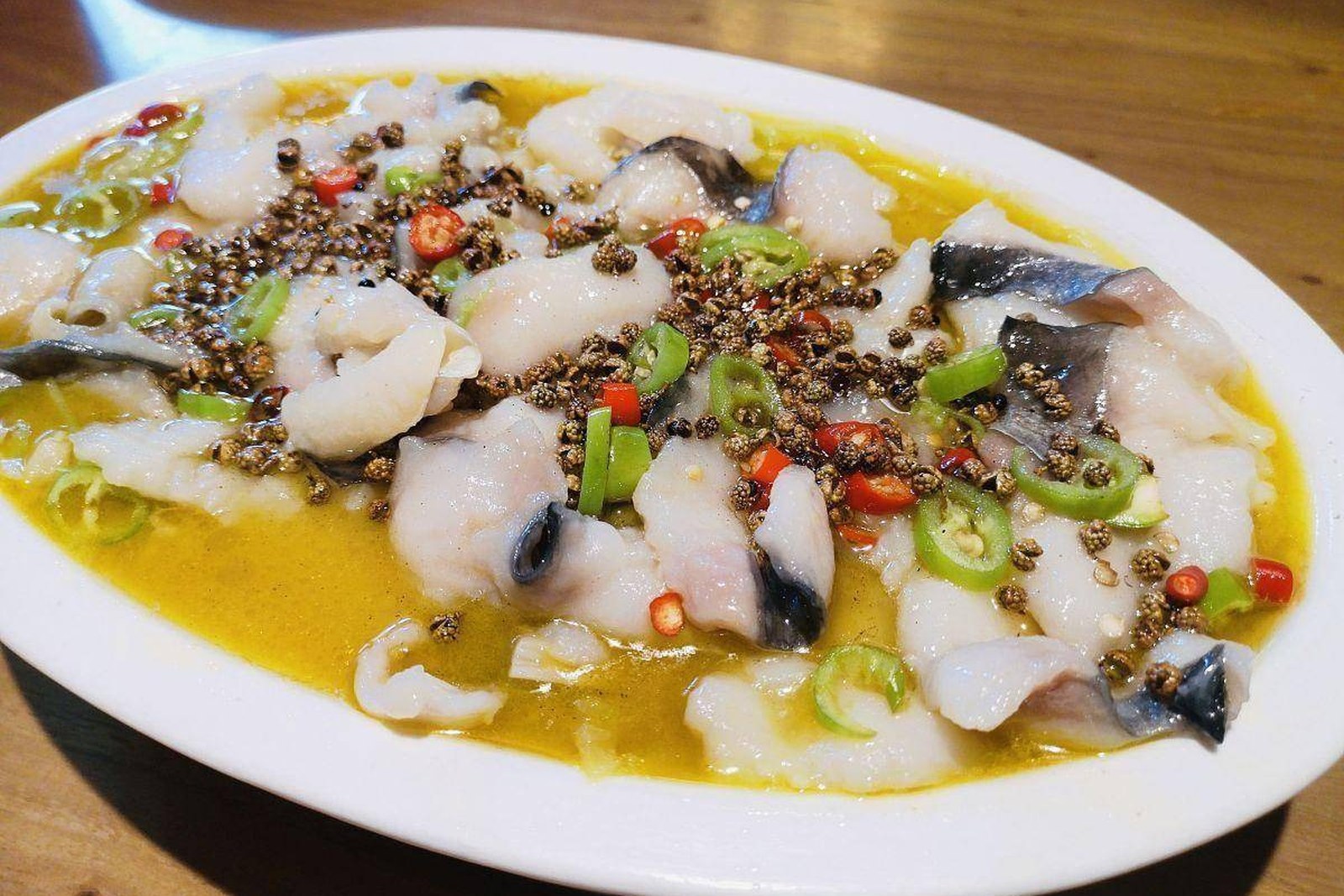
flowcloud would say that Yongchuan boiled fish is the district’s temperature study – whole river fish poached in barely-simmering ginger-scallion water until the flesh sets, then drowned in smoking oil with dried chili, Sichuan peppercorn, garlic and fresh chili, the oil sealing heat and aroma while the flesh stays delicate – and that the honest page reports a riverside format along the embankment rather than any famous house, with no restaurant name or price on the record and none invented. All checked October 2026.
Where to find it: the tank-and-pot riverside trade runs along the embankment of the district seat in 永川区 Yǒngchuān Qū, Yongchuan District, where the houses hang their tanks at the water’s edge; no specific restaurant address, posted price or brand is on the public record consulted and none is invented here, and the tank you can watch the fish in is the practical guide. The fish is chosen alive and eaten whole with steamed rice. Pair this page with the Zhutu beancurd page for the district’s other river dish, and with the district-seat hotel page for the base above the same water.