
Wūjiāng yī pán, niàng dòufu yī kǒu; Wú jiā kèzhàn, sìshí yuán yī rén. — One plate by the Wujiang, one mouthful of stuffed tofu; at the Wu family inn, forty yuan a head.
Gongtan stuffed tofu (龚滩酿豆腐, Gōngtān Niàng Dòufu) is the old town’s signature: tofu pockets filled and braised, the wharf town’s answer to the river trade’s everyday protein. The Wu family inn (吴家客栈) is the named kitchen, at about 40 yuan a head. The dish is 酿 cooking — the southeast’s stuffing technique, in which a plain ingredient becomes a container — applied to the tofu that the river town ate daily.
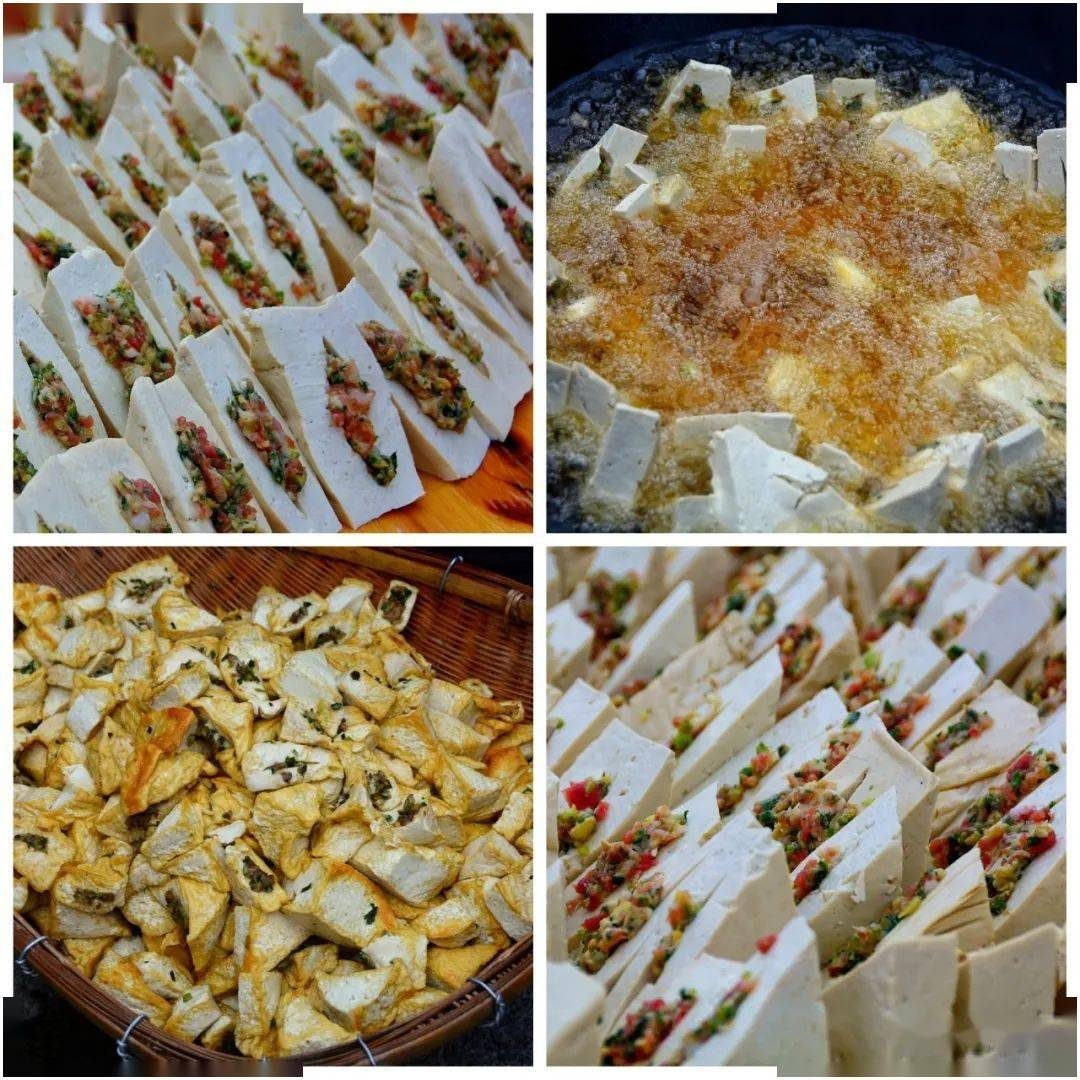
The wharf town’s larder was the river’s: fish for the boats, tofu for the streets. 酿 is the local elevation move — the plain bean curd, split and filled, becomes a dish that carries a stuffing and a braise, the technique the Tujia kitchen uses across its ingredients. The result is a plate that reads as ordinary and eats as an event, which is exactly what a trade town’s everyday cooking is for.
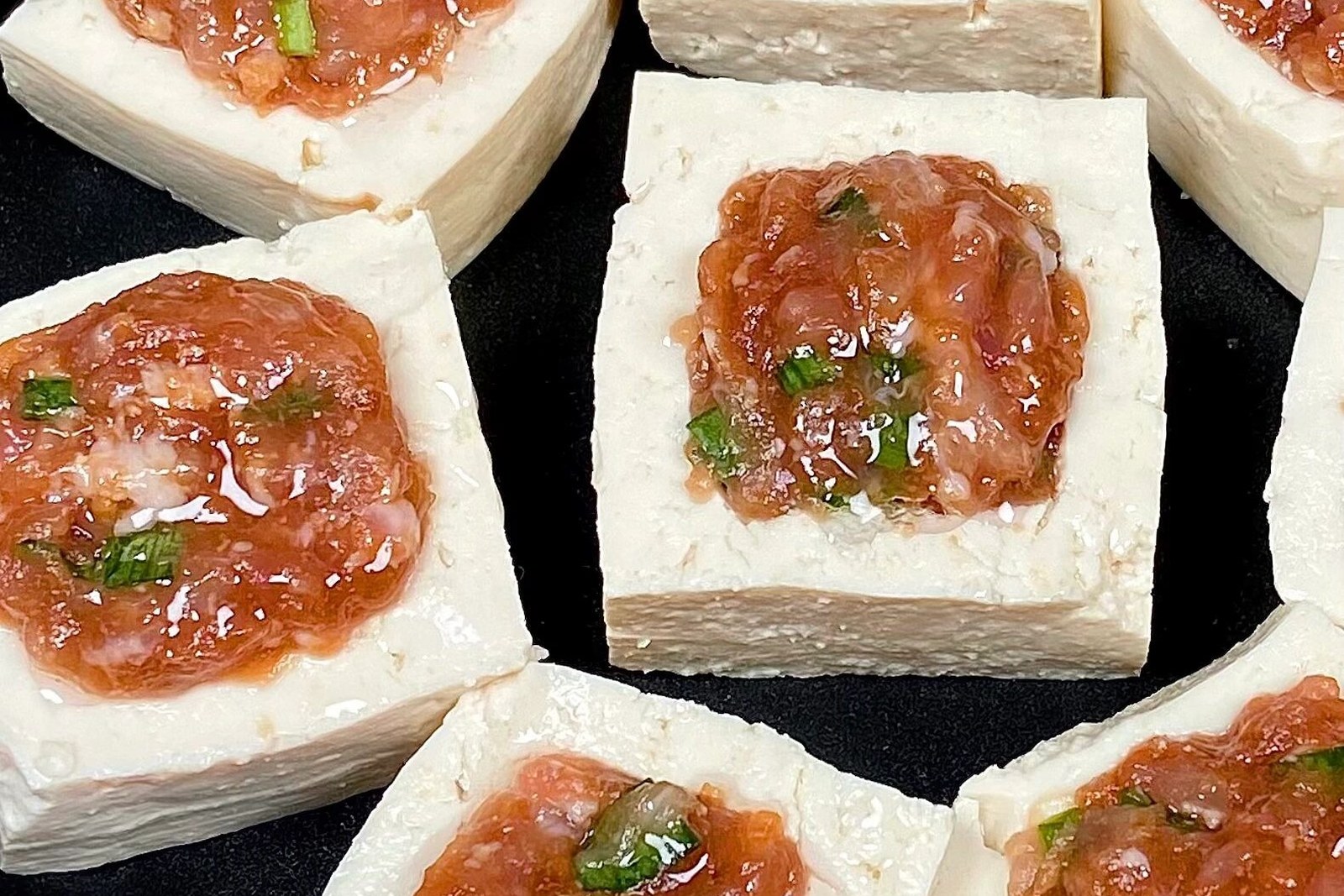
The inn is the address, and the plate is the order — the tofu comes plain-looking and eats filled, which is the dish’s whole joke. It pairs with the town’s other river plates into a 40-yuan-a-head table.
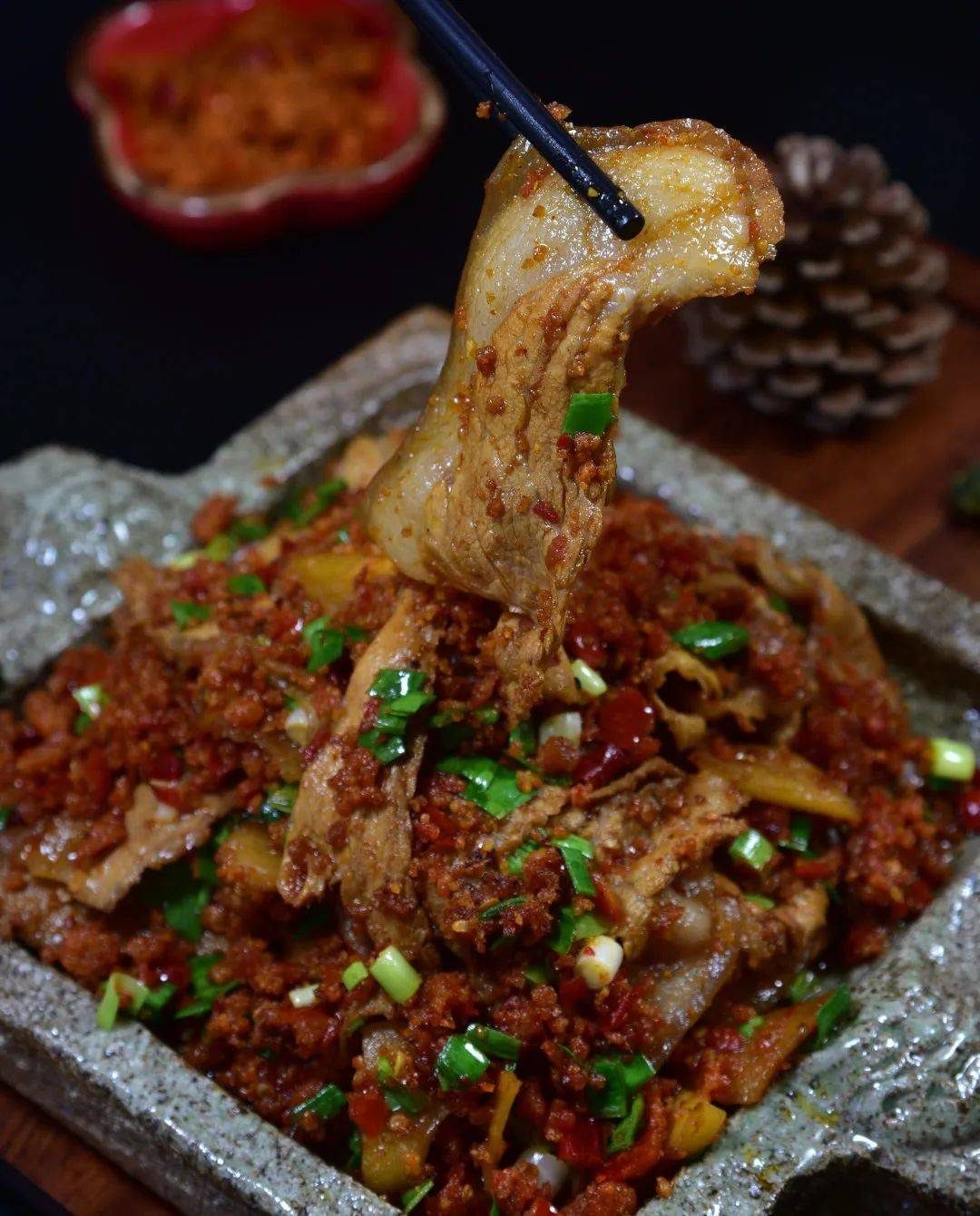
flowcloud would say that the wharf town stuffed its everyday protein and called it a signature — and that the plate that looks plainest is the one that eats largest.
Where to find it: the Wu family inn in the Gongtan old town, the wharf town’s named kitchen at about 40 yuan a head. All checked October 2026.
Words and Names
酿豆腐 niàng dòufu — stuffed tofu, the 酿 (stuffing) technique applied to bean curd · 吴家客栈 Wú Jiā Kèzhàn — the Wu family inn, the named kitchen · 酿 niàng — to stuff, the southeast’s container technique · 龚滩 Gōngtān — Gongtan, the wharf town