
Tǔjiā yī guō, là páigǔ yī guō; làyuè yī fēng, shíyīyuè yī guō. — One Tujia pot, one pot of cured ribs; one wind of the twelfth month, one pot of the eleventh lunar month.
Tujia cured ribs (土家腊排骨, Tǔjiā Là Páigǔ) are the county’s cured-meat pot: ribs salted and smoked in the cold season — the twelfth lunar month is the curing month (腊月) — then stewed into a pot with the county’s winter vegetables. The curing is the county’s pantry logic at altitude: meat preserved by salt, air and smoke before the new year, eaten from winter into spring, and the pot is the form it reaches the table in.
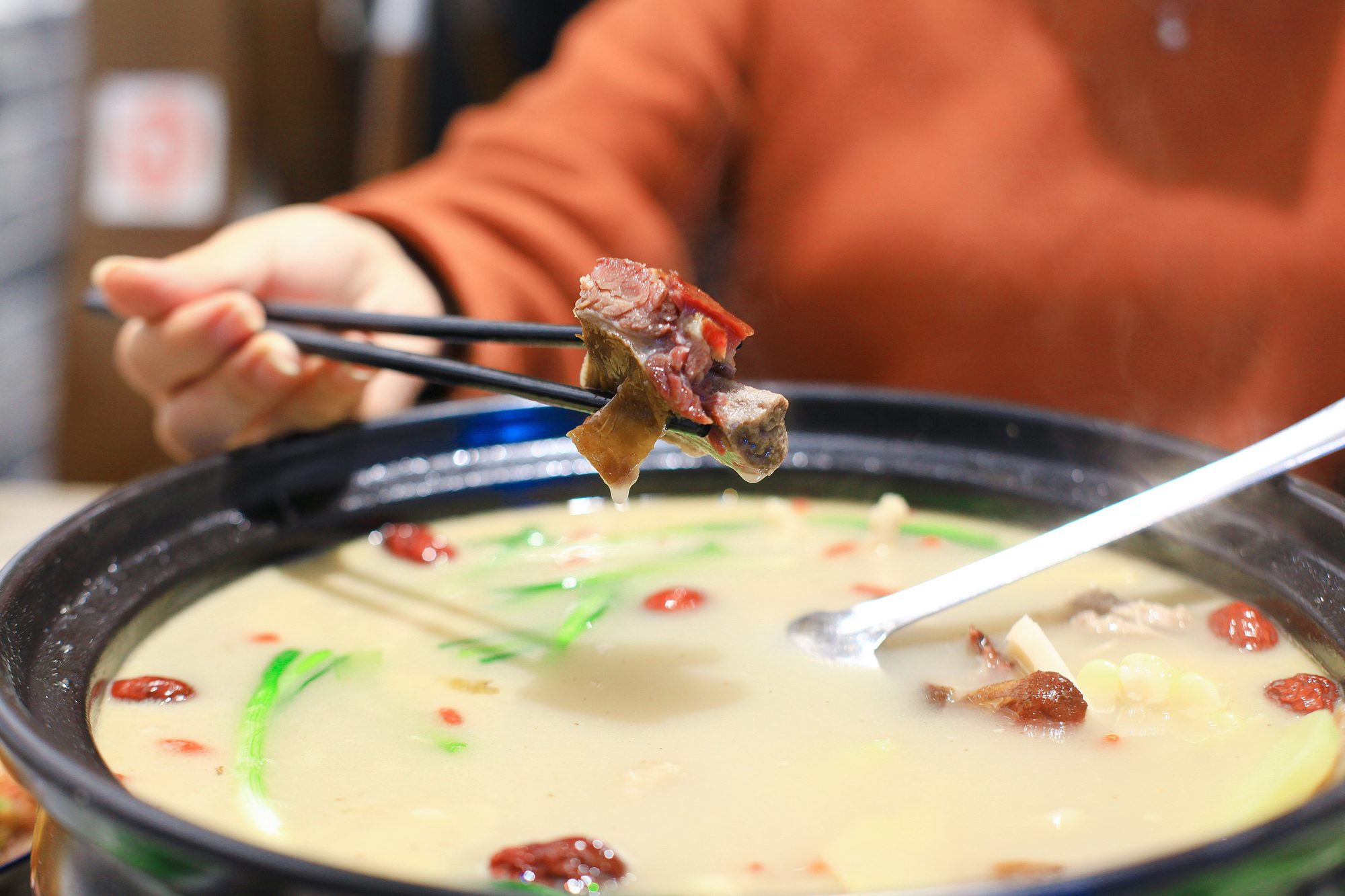
In the mountain southeast, the smokehouse (腊肉房) is where a household’s year is written: pork hung, salted and smoked through the cold months, the rafters filling as the year ends. The rib is the cut that best takes the cure — lean, bone-in, and slow to dry — and the pot that follows is the cure’s payoff: the meat’s smoke carried into a broth with the winter’s roots. The dish is less a recipe than a calendar.
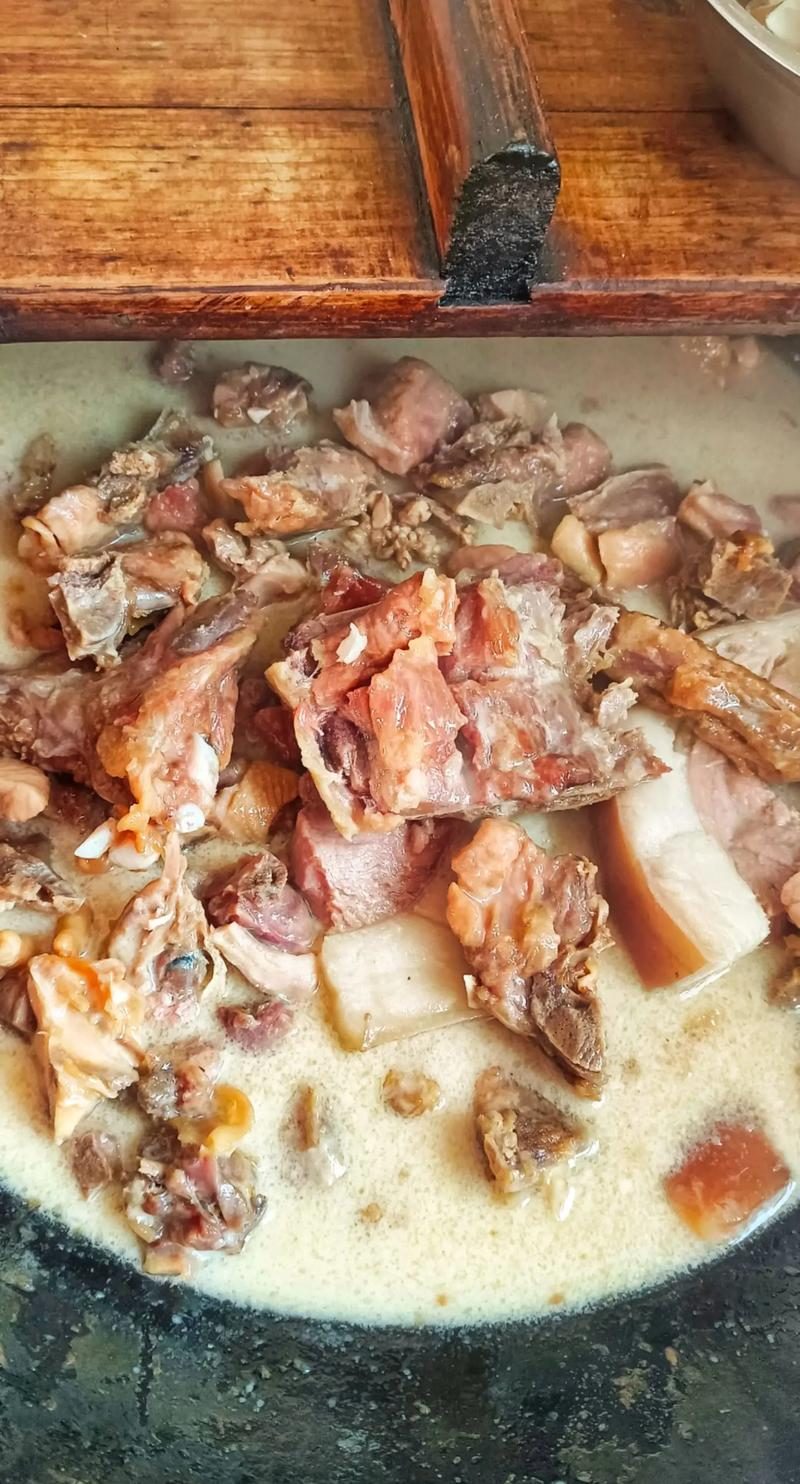
The cured rib is winter-into-spring food, and every household’s rafters claim a version — the smoke and salt are a family signature, not a standard. The pot is ordered by the jin in the county’s kitchens, and the best of it is the home-cured.
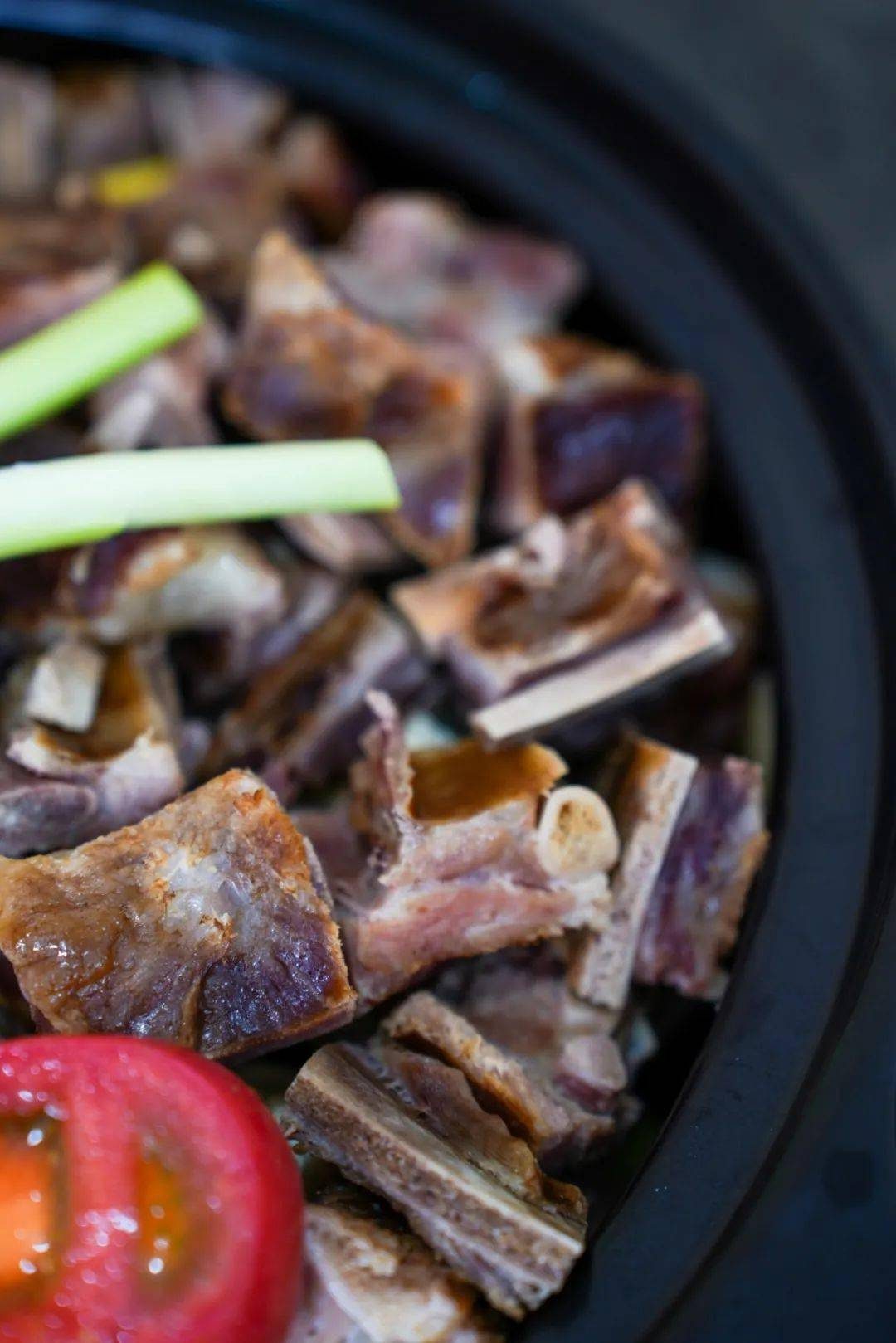
flowcloud would say that the county writes its winter into its rafters and reads it back one pot at a time — and that the calendar is the recipe.
Where to find it: the county’s kitchens, where the pot is ordered by the jin and the best of it is the home-cured. All checked October 2026.
Words and Names
腊排骨 là páigǔ — cured ribs · 腊月 làyuè — the twelfth lunar month, the curing month · 腊肉 làròu — cured meat, the smokehouse’s general product · 土家 Tǔjiā — the Tujia, the county’s curing tradition · 吊脚楼 diàojiǎolóu — the stilted house, whose fire and smoke do the curing