
Yóuchá yī wǎn, tǔjiā yī lǐ; dǎchá yī shēng, kèrén yī táng. — One bowl of oil-tea, one Tujia courtesy; one sound of the pounding bowl, one hall of guests.
Tujia oil-tea soup (土家油茶汤, Tǔjiā Yóuchá Tāng) is the county’s hosted bowl: tea fried in oil, boiled and pounded with grains and seasonings into a savory soup that is served to guests as the household’s first answer to a visitor. It is a southeast-Tujia tradition — the material flags that specific kitchens need verification ⚠️ — and the bowl’s identity is procedural: the sound of the pounding (打油茶) is the announcement that a guest has arrived.
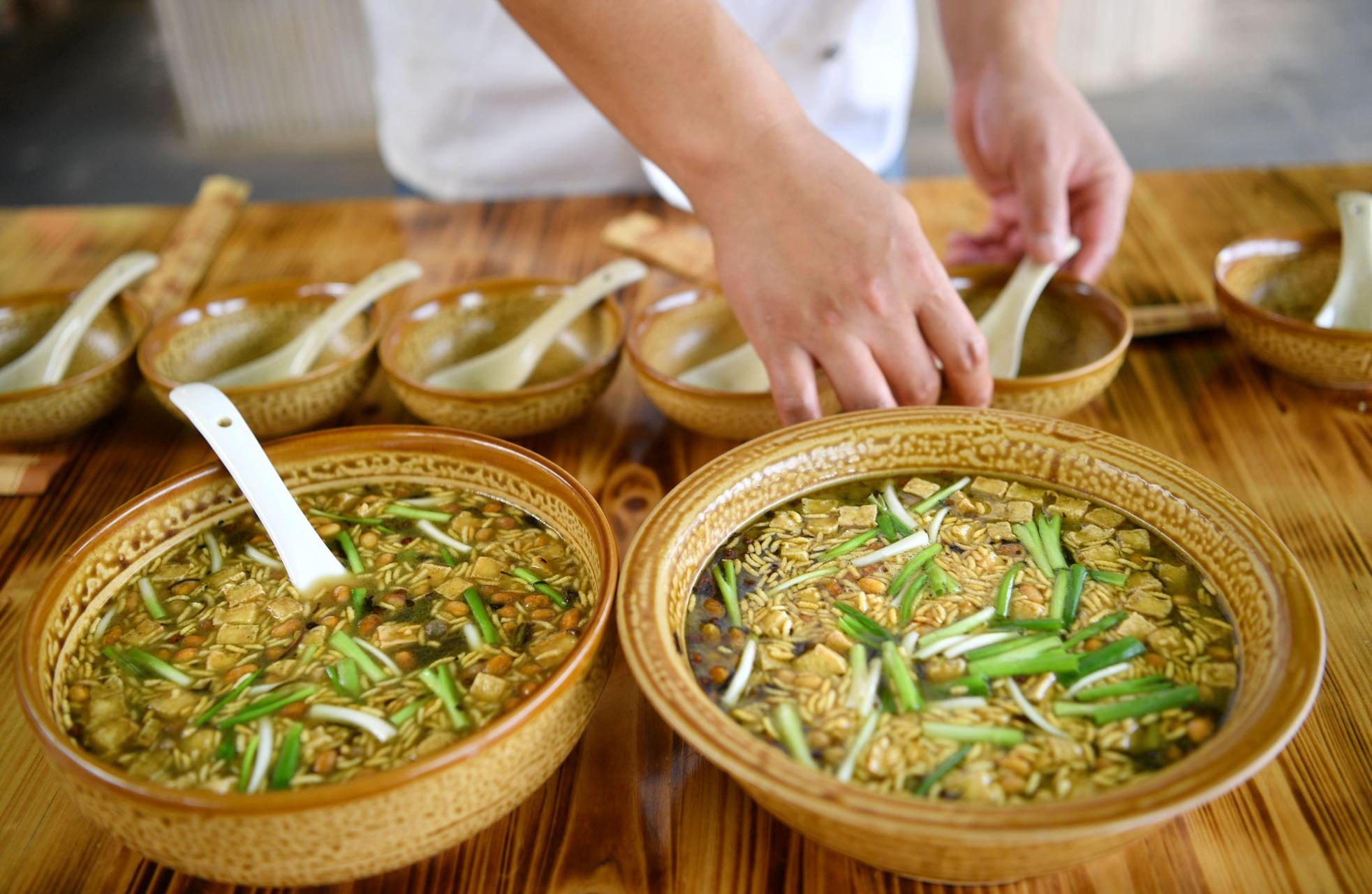
The Tujia mountains grew tea and grew the grains that thicken a bowl; oil-tea is the local synthesis — the tea’s bitterness fixed by frying, the bowl’s body given by pounded grain, and the whole made savory rather than sweet because the bowl is food, not drink. In a region where hospitality is measured in what is put in front of you first, oil-tea is the protocol: the guest is seated, the bowl is pounded, and the visit begins.
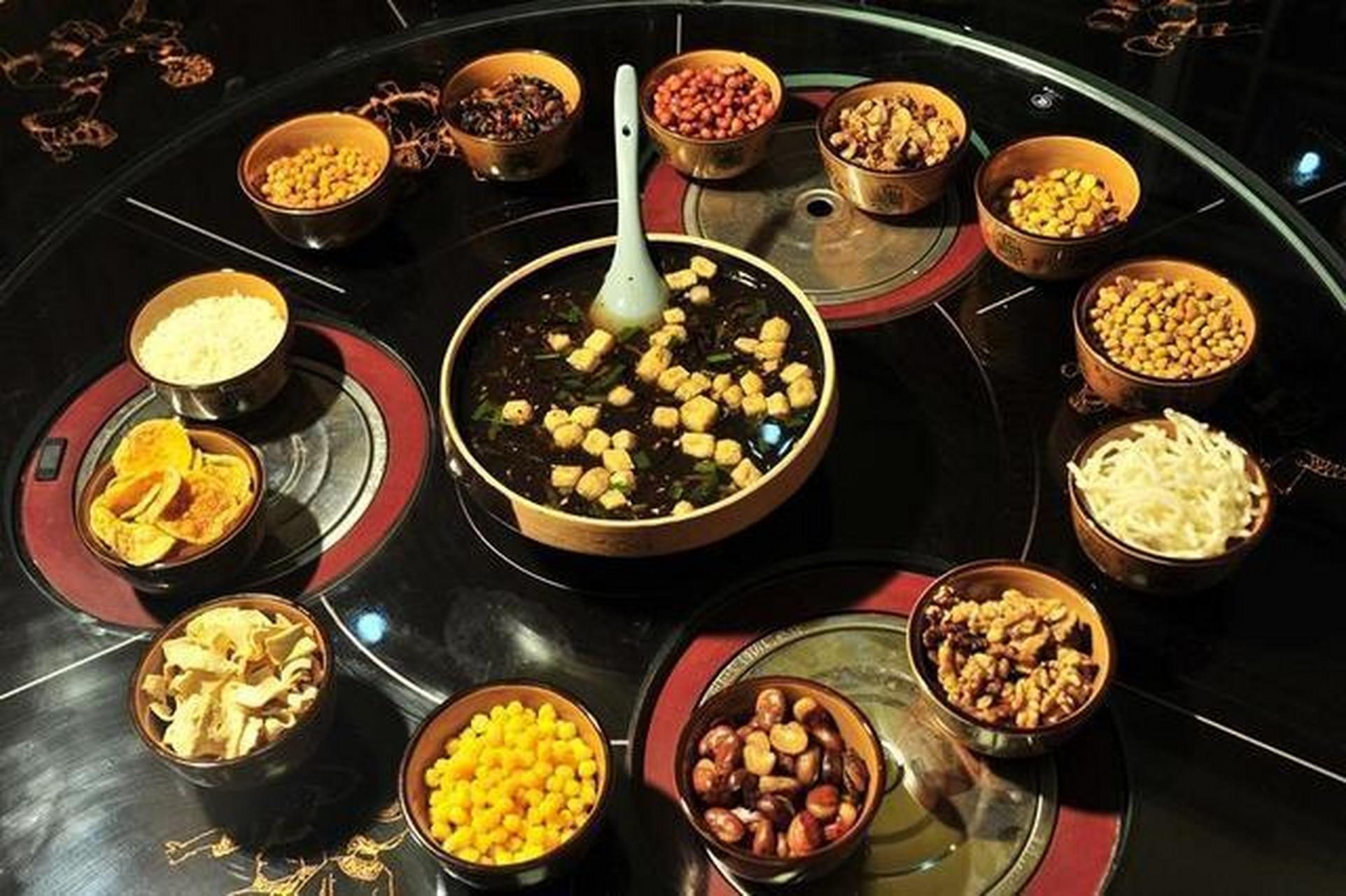
The bowl is served to guests and eaten at breakfast; the pounded version is the hosted one, and a household’s oil-tea is its own. The tradition is regional rather than restaurant-specific ⚠️ verify leading kitchens and current service before publishing.
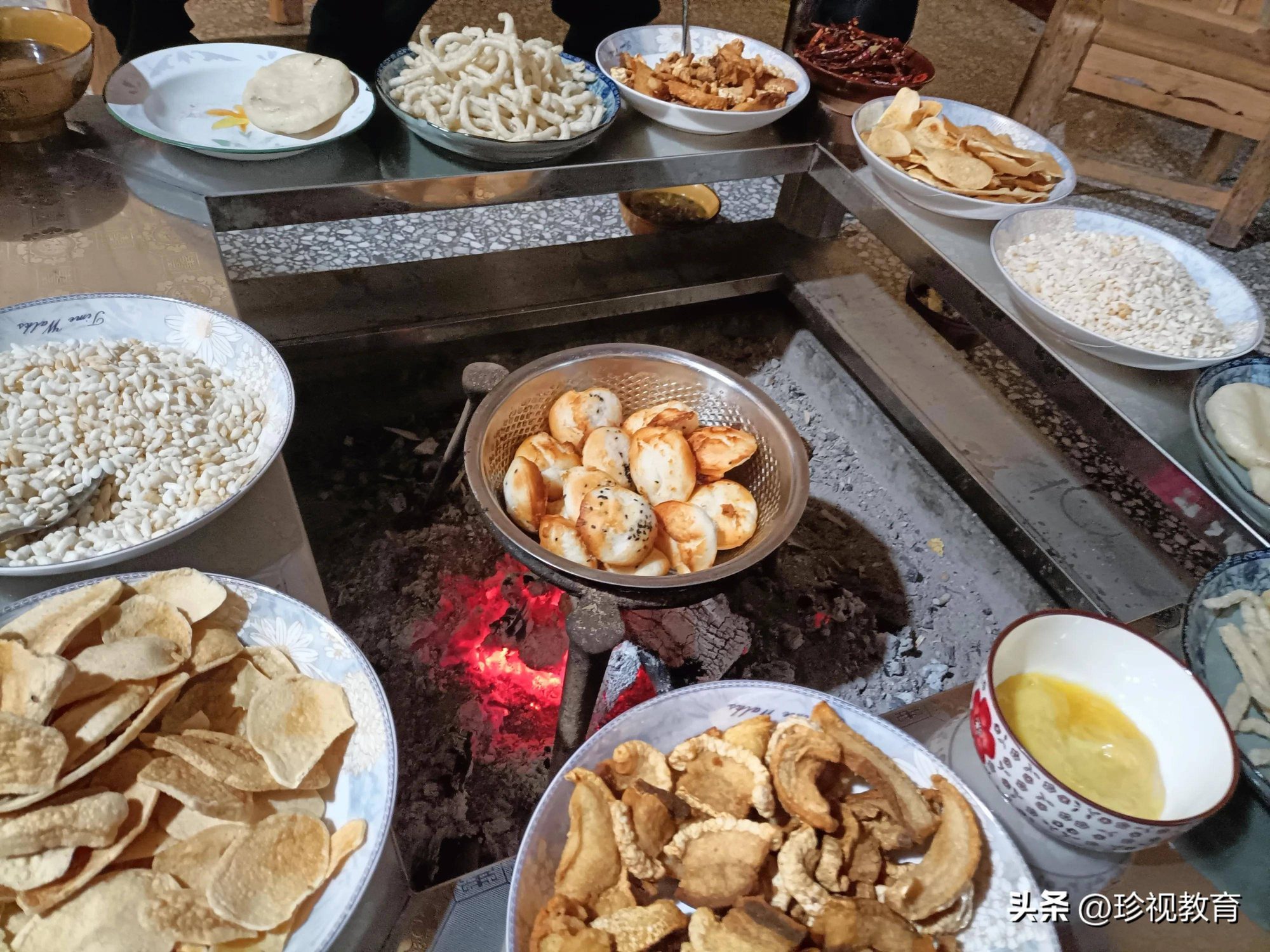
flowcloud would say that the county greets a visitor with the sound of a pounding bowl — and that the tea is savoury because the bowl is dinner.
Where to find it: a southeast-Tujia tradition rather than a restaurant address, pounded in households and served to guests at breakfast. All checked October 2026.
Words and Names
油茶汤 yóuchá tāng — oil-tea soup · 打油茶 dǎ yóuchá — to pound oil-tea, the technique and its sound · 土家 Tǔjiā — the Tujia · 茶叶 cháyè — the tea leaves, fried before boiling · 渝东南 Yúdōngnán — the southeast, the tradition’s home region