
Read a Chongqing district map as a farming map and it stops being a map of a city. The former 渝北区 Yùbèi Qū Yubei District – the northern district of Chongqing Municipality until it was abolished on 7 November 2025 and folded, with 江北区 Jiangbei, into 两江新区 Liangjiang New Area – was described by its own environmental filings as three mountains and two rivers: the 龙王洞 Lóngwángdòng Longwangdong, 铜锣 Tónggluó Tongluo and 明月 Míngyuè Mingyue ridges running north to south with the Yangtze and the Jialing on either side. That is a fruit-growing topography before it is anything else, and the district’s agricultural register was a slogan with numbers in it: 三花六果, three flowers and six fruits, a register cut in half by a 2025 boundary.
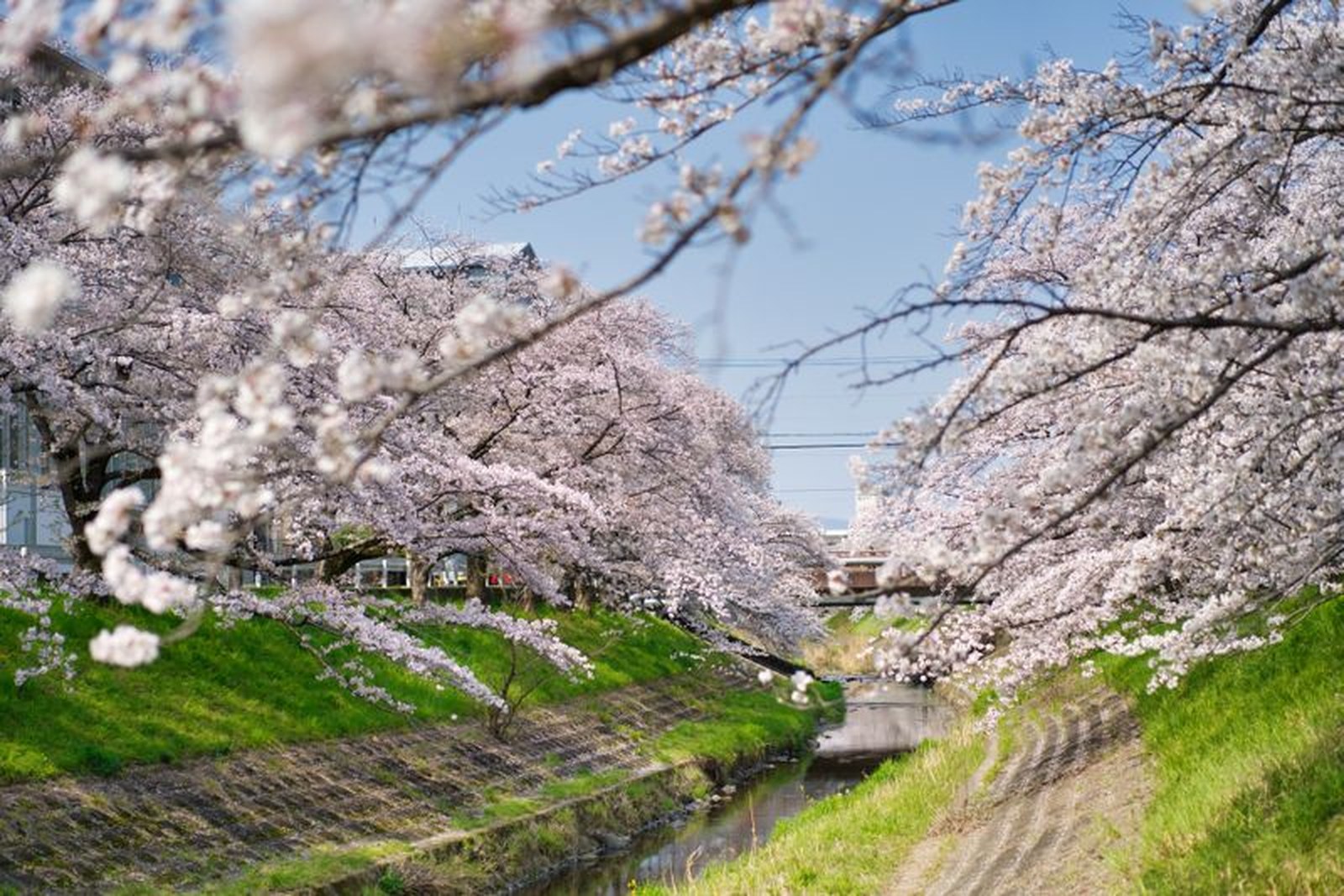
The three flowers are the pear, the plum and the wild cherry, and they open on the northern section of the same three ridges a few days apart. 放牛坪 Fàngniúpíng Fangniuping in 茨竹镇 Cízhú Zhèn Cizhu town is the pear blossom, and 云龟山 Yúnguī Shān Yungui Mountain in 大盛镇 Dàshèng Zhèn Daxing town has the wild cherry. Both towns are among the five that left the district on 7 November 2025 – Cizhu, Daxing, Dawan, Tongjing and Xinglong all went to 北碚区 Běibèi Qū Beibei District – so the three flowers are now a Beibei blossom season, and any map still showing them inside Yubei is a year out of date. That is why this page is a market register rather than a scenic itinerary: the fruit does not care which district signs it, but the road to it does.
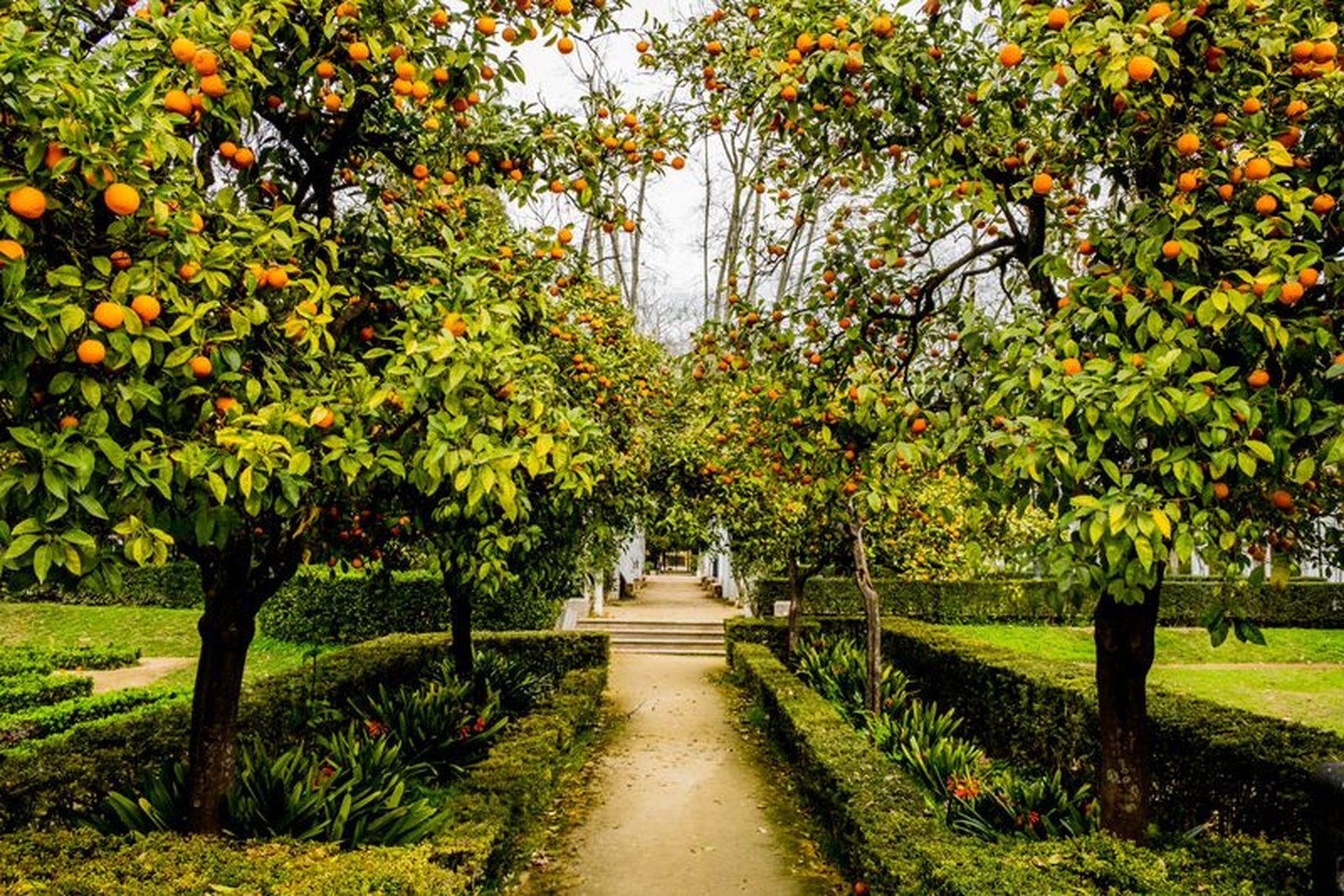
The six fruits are the half with paper. Three carry national geographical-indication registration, and two of those three are exactly the ones that are no longer Yubei’s to claim, which is an irony the district’s own pages never had to address. 渝北梨橙 Yùbèi Líchéng, the Yubei pear-orange, was approved for registration protection on 7 December 2012 and is also called 统景梨橙 Tǒngjǐng Líchéng Tongjing pear-orange after its main growing area. 渝北歪嘴李 Yùbèi Wāizuǐ Lǐ, the Yubei crooked-mouth plum, was approved on 20 December 2011 and is grown around 印盒村 Yìhé Cūn Yinhe village on more than 11,000 mu, and it was entered in the 2013 national catalogue of famous farm products. 放牛坪梨 Fàngniúpíng Lí Fangniuping pear, from Cizhu, holds registration too. All three main growing areas are in the five towns that went to Beibei, and the plum’s fame got Yubei a national title as well: 中国李之乡, the hometown of the Chinese plum. The two fruits Yubei is named for are grown in Beibei today.
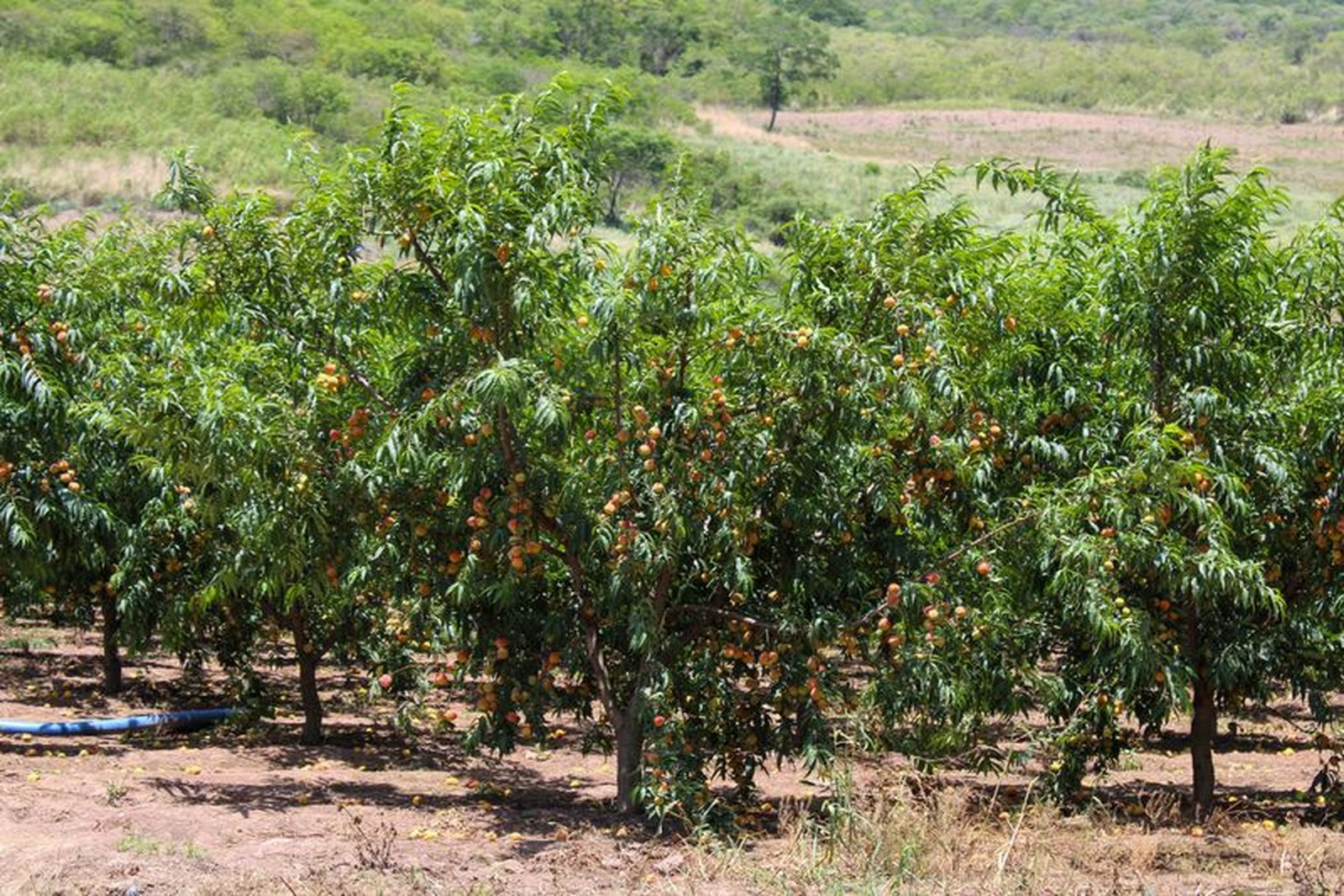
The other three are not registered, and the register is written the way a working agricultural list is written: 兴隆杨梅 Xīnglóng Yángméi Xinglong bayberry, 大湾金凤桃 Dàwān Jīnfèng Táo Dawan golden peach, and the blueberries of 石船 Shíchuán Shichuan, 木耳 Mù’ěr Muer and 茨竹 Cízhú Cizhu. Xinglong, Dawan and Cizhu are Beibei today, and the district’s own ecological argument still holds wherever the fruit is: the three ridges, the two rivers and the mild humid basin give a long growing season in a province otherwise too cold for citrus. The reason to eat the district rather than only photograph it is Daxing’s 白岩老腊肉 Báiyán Lǎ Làròu Baiyan cured pork, and since November 2025 a Beibei food.
Words and Names
三花六果 Sānhuā Liùguǒ “three flowers and six fruits”, the former Yubei District’s agricultural line: 梨花 Líhuā pear blossom, 李花 Lǐhuā plum blossom and 野樱花 Yěyīnghuā wild cherry blossom, with 放牛坪 Fàngniúpíng Fangniuping pear blossom at 茨竹镇 Cízhú Zhèn Cizhu town and 云龟山 Yúnguī Shān Yungui Mountain wild cherry at 大盛镇 Dàshèng Zhèn Daxing town. 渝北梨橙 the Yubei pear-orange, also 统景梨橙 Tongjing pear-orange, registered 7 December 2012; 渝北歪嘴李 the Yubei crooked-mouth plum, registered 20 December 2011, grown at 印盒村 Yìhé Cūn Yinhe village on over 11,000 mu and entered in the 2013 national catalogue of famous farm products; 放牛坪梨 the registered Fangniuping pear. 兴隆杨梅 Xinglong bayberry, 大湾金凤桃 Dawan golden peach, and the blueberries of 石船 Shichuan, 木耳 Muer and 茨竹 Cizhu. 白岩老腊肉 Baiyan cured pork.
What the Locals Know
What people who grow this fruit know and visitors do not is that the district name on the crate is a legal description, not a flavour. The registration is attached to a growing area, and after a boundary moves the growing area does not move with the label – so the same pear-orange can be sold under a Yubei name it still qualifies for and a Tongjing name that is now a Beibei name, and a shopkeeper will use whichever the customer recognises. The second thing is water: on a ridge with the river on one side, the difference between a slope that drains and a slope that holds water is the difference between a fruit that carries its juice and one that is dry inside. The third is that the plum harvest moves, coming in late June at low altitude and holding back into the first and second week of July higher up. The fourth is the cured pork.
flowcloud would say that 三花六果 was the former Yubei District’s agricultural register before it was anything else – three flowers, pear, plum and wild cherry, opening along the northern section of the three ridges with the pear blossom at Fangniuping in Cizhu and the wild cherry on Yungui Mountain in Daxing, and six fruits of which three carry national geographical-indication registration: the Yubei pear-orange of 7 December 2012, also called Tongjing pear-orange, the Yubei crooked-mouth plum of 20 December 2011, grown on more than 11,000 mu around Yinhe village and entered in the 2013 national catalogue of famous farm products, and the Fangniuping pear, joined by Xinglong bayberry, Dawan golden peach and the blueberries of Shichuan, Muer and Cizhu. Since 7 November 2025 the district that named all of this no longer exists, and five of the seven named places are in Beibei. All checked October 2026.
Where to find it: the fruit and cured-pork country of the former 渝北区 Yubei District’s northern ridges, now split between Liangjiang New Area and, for the five transferred towns, 北碚区 Beibei District. Go to the growing areas rather than to a district name: Tongjing for the pear-orange, Yinhe village for the crooked-mouth plum, Fangniuping in Cizhu for the pear and its blossom, Yungui Mountain in Daxing for the wild cherry, and the Daxing villages for Baiyan cured pork. The plum is late June at low altitude and early to mid-July higher up. Public transport to the northern towns is thin, so this is a day trip with a car. No prices are quoted, and the fruit is sold by weight at roadside markets.