
云阳小面 (Yúnyáng Xiǎomiàn) — Yunyang’s little bowl of noodles, the breakfast the whole county measures its mornings by.
If you have ever eaten a bowl of Chongqing xiaomian in any Chinese city, the odds are decent that the noodles in it came from Yunyang. The county likes to call itself the fresh-noodle capital of China, and the numbers behind that claim are not modest: more than 100,000 Yunyang natives are estimated to run noodle shops and small factories across the country, a diaspora of noodle-makers whose workshops supply the alkaline wheat strands that anchor the Chongqing breakfast habit. Walk through any Yunyang town at six in the morning and the rhythm is the same — the hiss of boiling water, the flick of a colander, the slap of cooked noodles into a bowl.
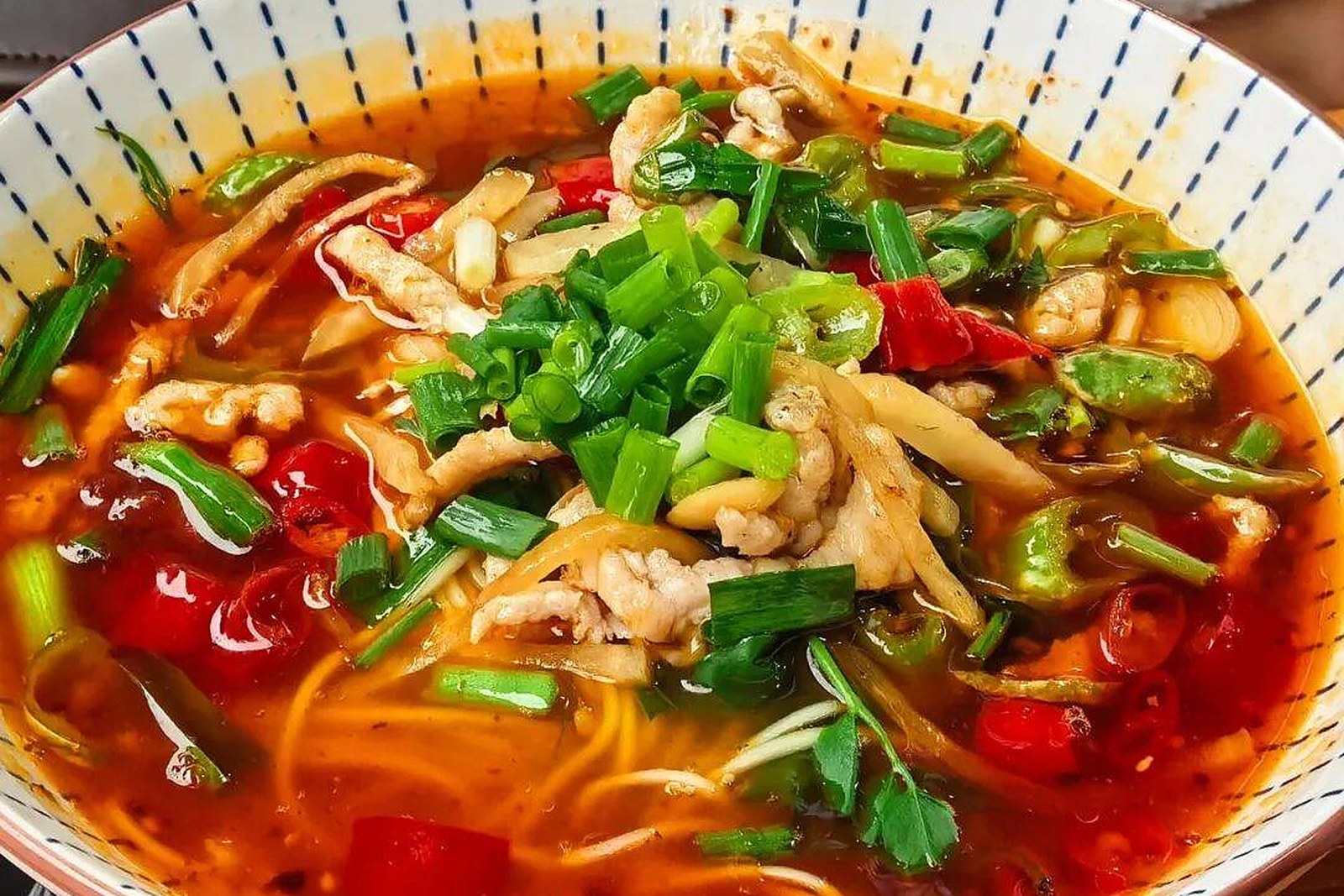
The noodle itself is the quiet star. Made from wheat flour and a measured dose of alkaline water (碱水), it is rolled thin and cut thin, then cooked just long enough to stay springy rather than soft. The alkalinity gives it a faint yellow tint and a chew that holds up under a heavy dressing. Back home the bowl is served with little ceremony: a scoop of lard or broth at the bottom, a spoon of chilli oil, and then a dozen seasonings — soy sauce, vinegar, crushed garlic, Sichuan pepper, sesame, scallion, and often a spoon of the cook’s own pickled vegetable.
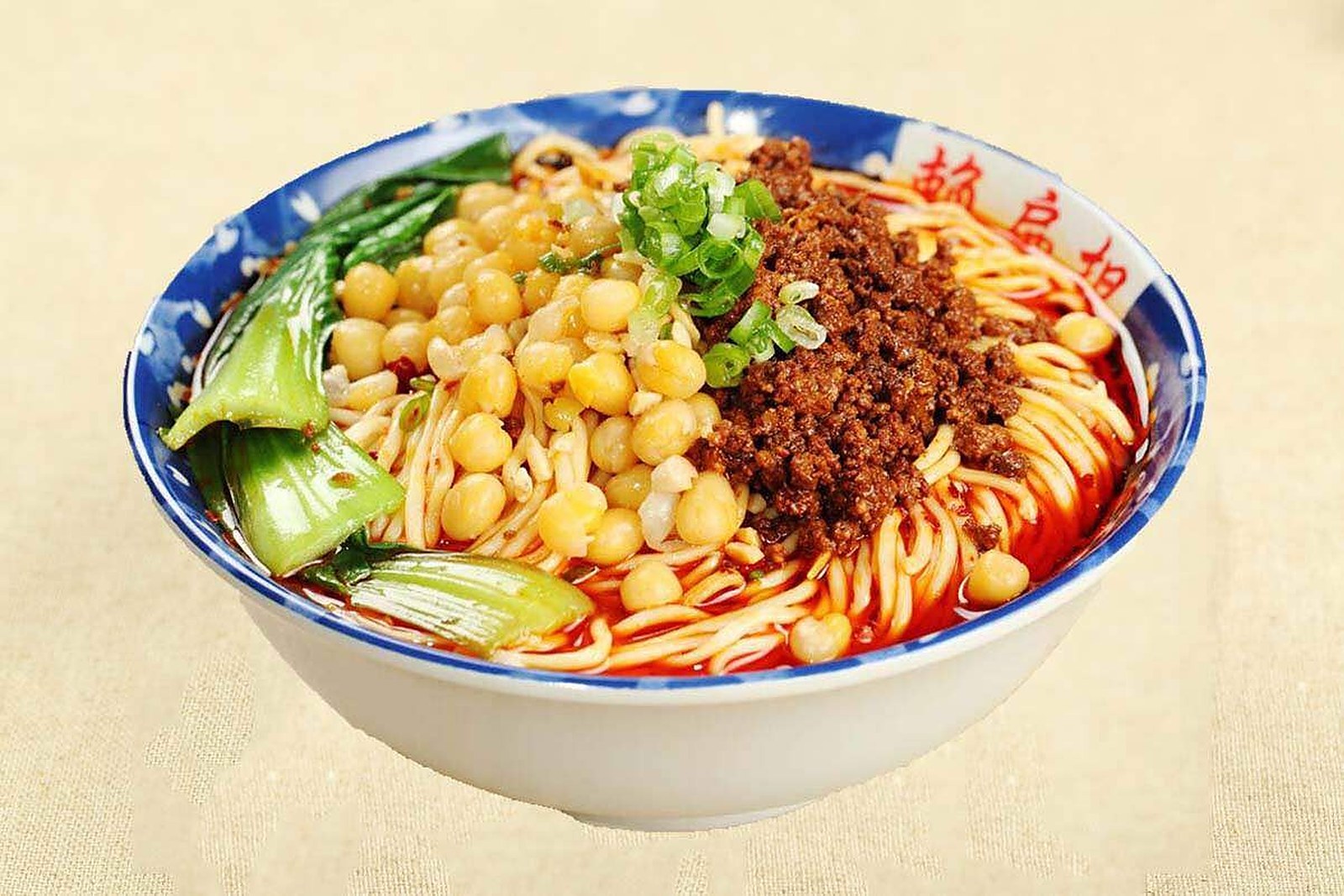
What surprises first-timers is the balance. The chilli oil is loud but not the only voice; the garlic and vinegar keep it bright, and a few threads of blanched greens or a halved boiled egg sit on top for body. You eat it standing at a counter or on a low stool, fast, because the noodles are best in the first two minutes. Prices stay low — a street bowl runs a few yuan — and the same shop often serves it from dawn until the morning rush thins out.
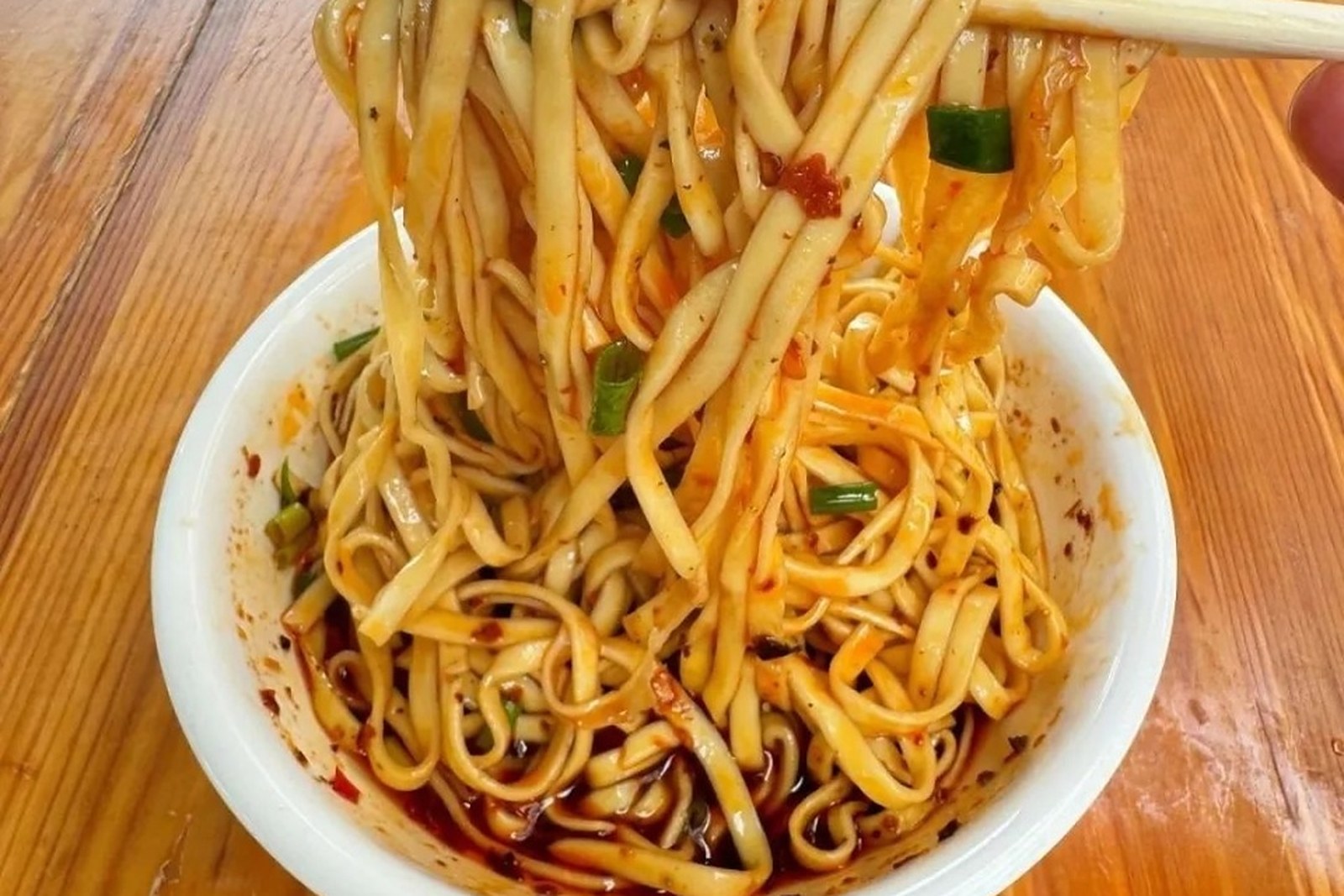
Beyond the bowl, the noodle trade is the county’s quiet export economy. Villages around the seat send generations of sons and daughters to open shops in far cities, and many return with the capital to build bigger ones at home. If you want to see the craft at the source, the morning markets and the food street near the Yangtze riverfront are the honest places — no show, just the pot, the oil, and the dozen jars of seasoning that make a Yunyang breakfast taste like Yunyang.
Words and Names
云阳小面 Yúnyáng Xiǎomiàn — Yunyang xiaomian, the county’s everyday breakfast noodle 碱水 jiǎnshuǐ — alkaline water, the ingredient that gives the noodles their spring and colour 小面 xiǎomiàn — literally “small noodles,” the Chongqing-style dressed noodle bowl 重庆 Chóngqìng — Chongqing, the megacity whose noodle habit Yunyang supplies 长江 Chángjiāng — the Yangtze, whose riverfront food street serves the morning bowl