
Zanda Apricots — the Orchard Fruit of the Sutlej Green Ribbon
土林深处杏花开,一谷春色上高原 Tǔlín shēnchù xìnghuā kāi, yī gǔ chūnsè shàng gāoyuán – Apricot blossom opens deep in the earth forest; a valley of spring color climbs the plateau
札达杏 Zhádá xìng the apricots of Zanda are the surprise inside the stone country: deep in the Sutlej valley, where the river bottom drops to altitudes the rest of the far west never sees, the land turns soft and green, and apricot trees line the village lanes and irrigated fields. Spring lays the gullies white under the earth-forest walls; by late summer the branches hang with golden fruit that families eat fresh, dry into sweet dense leather for winter, and crack for the kernels’ oil.
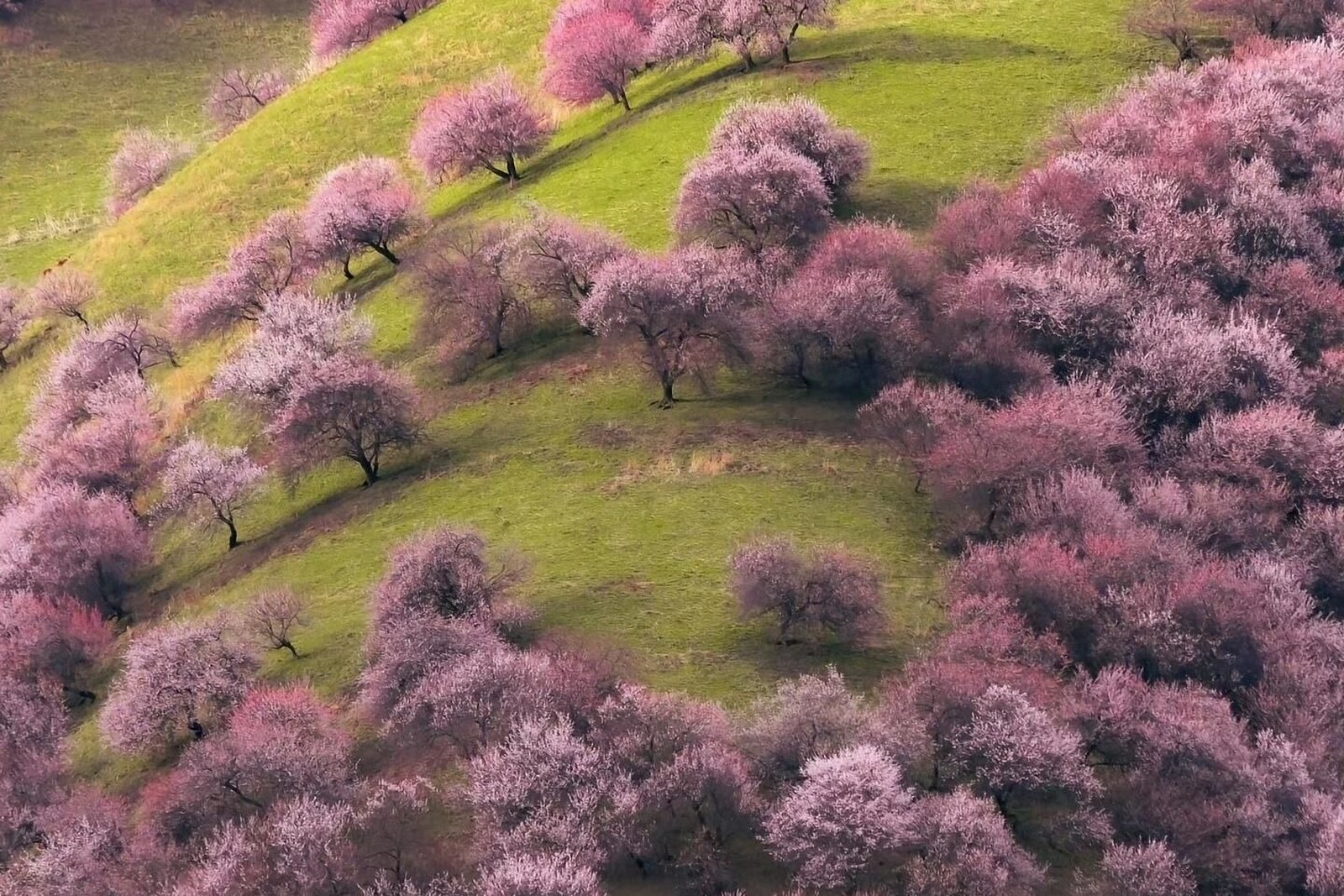
The orchard country reads like a different province. Beneath the towers of eroded clay, the valley floor carries wheat patches, willow fences and rows of gnarled apricot trunks – some, by orchard lore, planted when the trade routes still ran the river, standing beside the chortens and still bearing. Blossom season draws the valley’s photographers; fruit season feeds it, and the first handful of sun-warmed apricots bought from a farmhouse is the taste every traveler remembers.
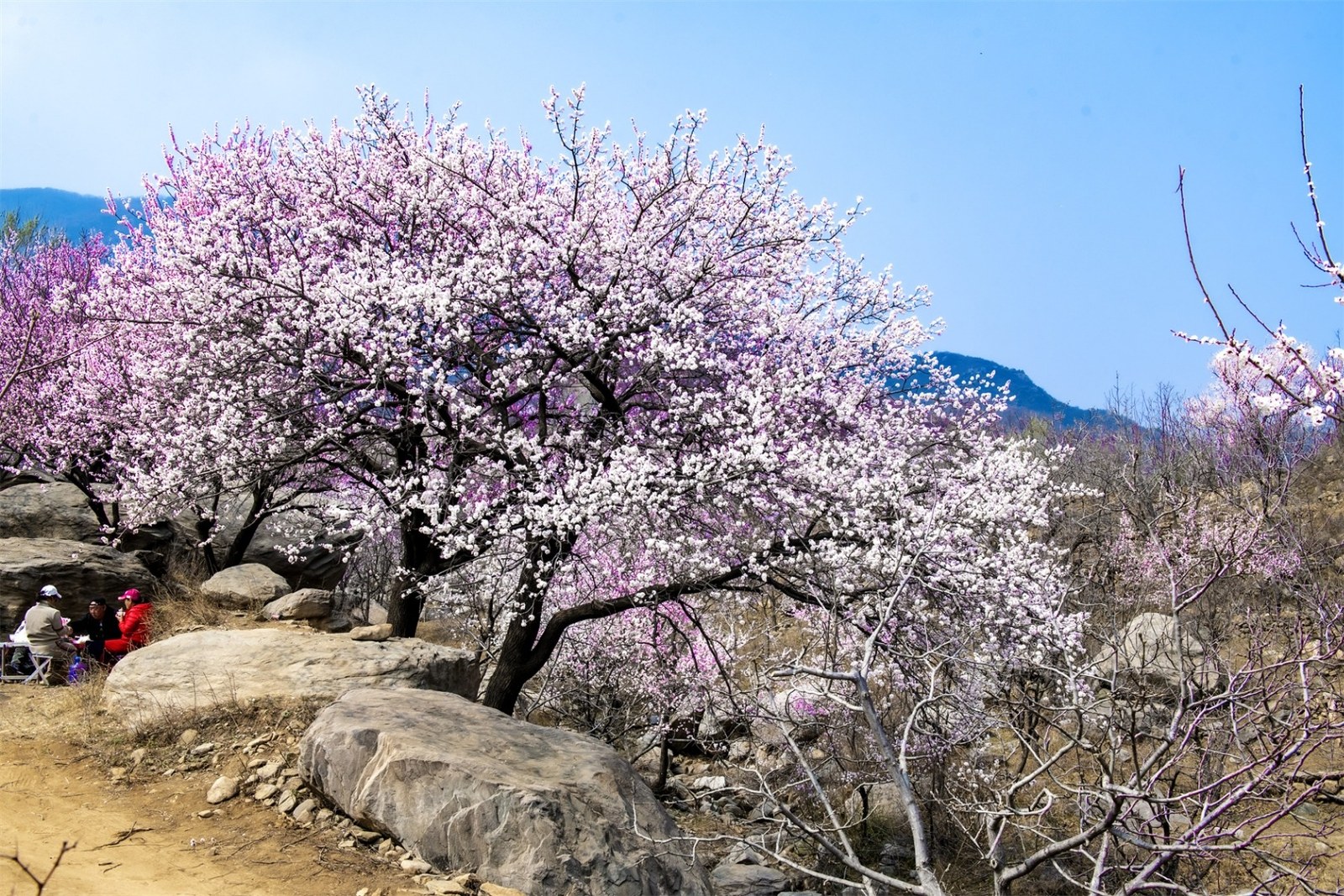
The fruit carries the valley’s economy and its gift economy at once. Families dry the surplus in the sun on rooftops and flat stones – apricot leather that keeps the year’s sweetness in a fold – and send bags down the road to relatives and guests. Kernels crack into oil-rich nuts for baking and lamp fuel in the old style; the wood prunes feed the stove; nothing of the tree is wasted, and the tree returns the favor every spring.
For the traveler the apricots are the reason to slow down in Zanda: tea under an apricot tree above the river, a walk between blossom rows with the towers glowing behind, or a bag of sun-dried fruit for the road west. The valley proves a point the plateau keeps proving at every turn – that even inside the driest stone country, the river carves room for an orchard, and the orchard becomes the valley’s calendar, its currency and its pride.
Words and Names
札达杏 Zhádá xìng the apricots of the Sutlej valley, the far west’s orchard fruit; 象泉河 Xiàngquán Hé the Sutlej, the river that makes the green ribbon possible; 杏干 xìnggān sun-dried apricots, the winter staple of the valley; 杏花 xìnghuā apricot blossom, the valley’s spring festival; 果园 guǒyuán the orchard rows, the valley floor’s economy and ornament. The same 阿里地区 Ālǐ Dìqū Ngari holds more flavors worth chasing: 普兰尼泊尔风味 Pǔlán Níbó’ěr fēngwèi the border thali, 藏式烤饼 Zàngshì kǎobǐng the everyday flatbread, 普兰香料奶茶 Pǔlán xiāngliào nǎichá the spiced tea of the stalls, or 狮泉河食肆 Shīquánhé shísì the capital’s crossroads table – four more doors into the same Ngari table.
What the Locals Know
Locals date the valley’s year by the apricot tree: blossom for the plowing, fruit for the drying roofs, kernels for the oil lamp. The oldest trunks belong to monasteries and village elders, and the fruit of a shared tree is always offered before it is sold. All checked November 2026.
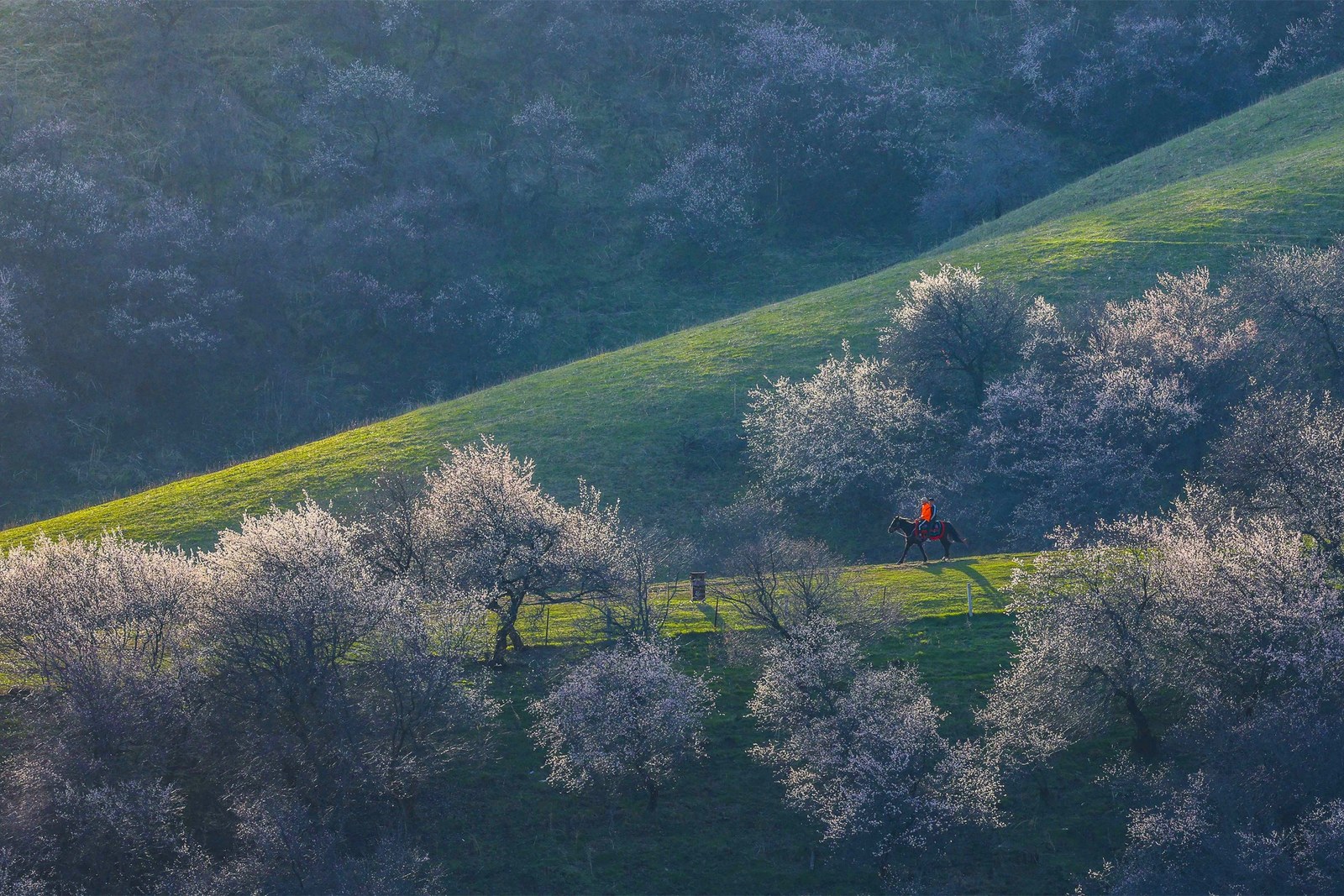
flowcloud would say Zanda’s apricots are the desert’s soft answer – sweetness grown inside a wall of stone.
Where to find it: The orchards line the Sutlej valley villages east and west of Zanda county town; fresh fruit appears in late summer, dried leather and kernels at the town market year-round, and blossom season fills the valley every spring. All checked November 2026.