
Zhangjiawan Grapes: Yuan-Era Vines, Beijing’s Turpan and the Hundred-Variety Garden of Tongzhou District, Beijing
张家湾里葡萄熟,七百年藤挂玉珠。Zhāngjiāwān lǐ pútáo shú, qībǎi nián téng guà yùzhū – In Zhangjiawan the grapes ripen; seven hundred years of vines hang strings of jade beads.
张家湾葡萄 Zhāngjiāwān pútáo Zhangjiawan grapes are the trellis fruit Beijing’s east has picked by the basket since the canal barges still berthed at the town, and the address is an old port: 张家湾镇 Zhāngjiāwān Zhèn Zhangjiawan town in 通州区 Tōngzhōu Qū Tongzhou District, Beijing, the former 漕运 cáoyùn grain-transport town whose wharves once transshipped the south’s goods into the capital – a place with vine roots older than most of the city’s orchards, for the county gazetteer traces grape growing here back to the Yuan dynasty, some seven hundred years (worth confirming the details of the earliest records). The country fits the vine: the same loose, deep, well-drained river sands that grow the eastern plain’s cherries run here too, under a climate that dries the autumn days and cools the nights – table-grape weather, in the growers’ shorthand. The fame is double-barrelled, varieties and scale: from the rose-scented muscat rows of the old gardens the town moved early on the big-berried 巨峰 jùfēng Kyoho type, planted to thousands of mu at its twentieth-century peak and shipped down the eastern seaboard, and earned itself the travelling nicknames 北京的吐鲁番 Běijīng de Tǔlǔfān “Beijing’s Turpan” – after the oasis town of China’s grape country – and 京郊葡萄之乡 jīngjiāo pútáo zhī xiāng “grape country of the capital’s suburbs” (worth confirming the details of each peak’s acreage). The craft most visitors under-rate is the cultivar library: this is a place that collects grapes the way ports collect flags. The naming is the tell: the fruit takes the town’s name, and the town once named a whole genre of Beijing summer.
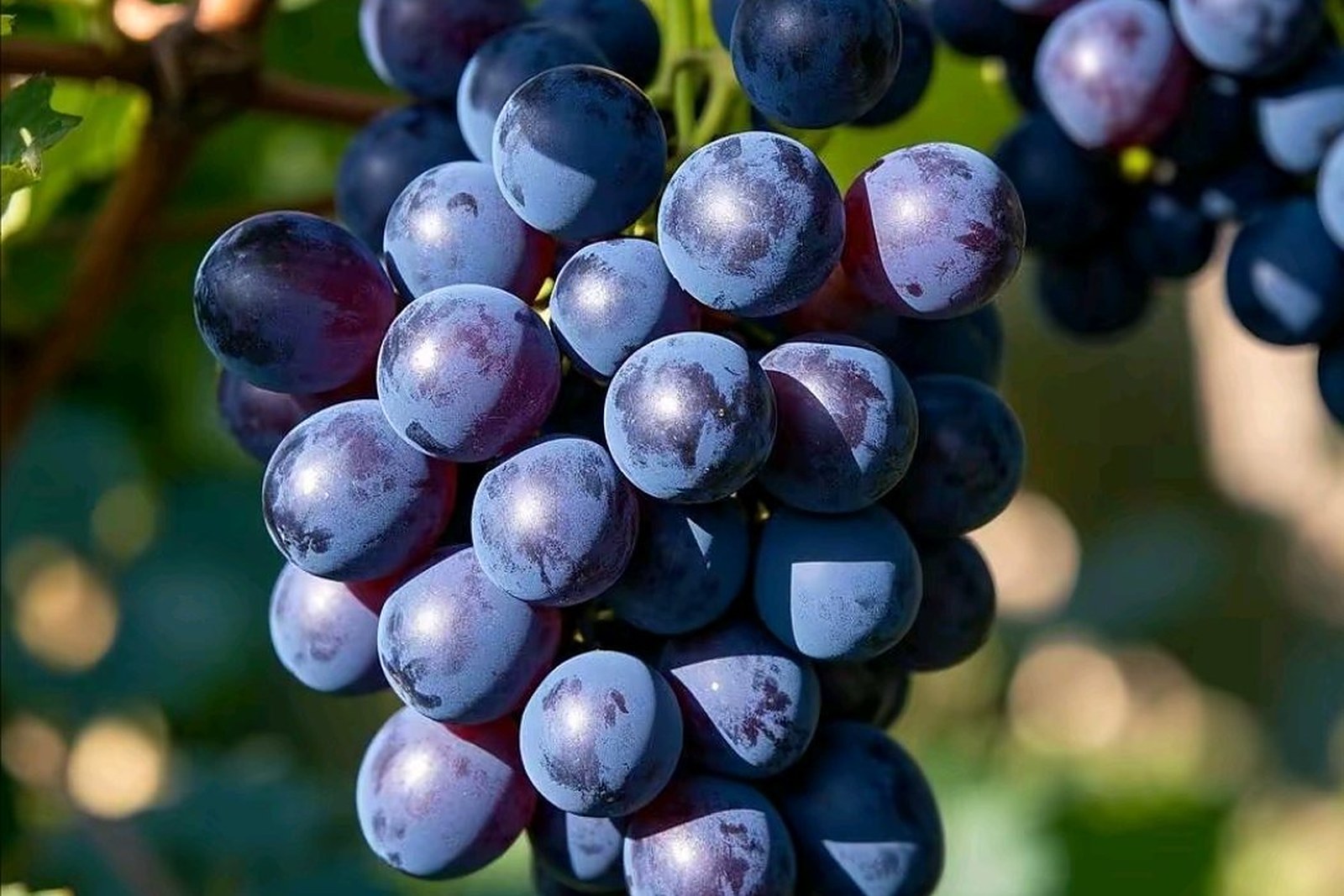
The eating is a tasting-bench grammar written for a fruit sold by the cluster, and it leans 香甜 xiāngtián aromatic-sweet plus 脆 cuì crisp to match the shelves. The anchor is the old standard, 玫瑰香 méiguīxiāng the rose muscat – small berries, thick perfume, the flavour older Beijing means when it says grape – backed by a bench of introductions the town’s trial gardens made locally famous: the lychee-scented 贵妃玫瑰 Guìfēi méiguī Guifei Rose, the Japanese 粉红亚都蜜 Fěnhóng yàdūmì Pink Yadumi, the Romanian 维多利亚 Wéiduōlìyà Victoria, the seedless-dark 夏黑 Xiàhēi Summer Black, the ruby-fingered 美人指 měirénzhǐ Beauty Finger, and the newer shine of 阳光玫瑰 Yángguāng méiguī Shine Muscat – dozens of varieties on one town’s trellises, sold to eat, not to press (worth confirming the details of which varieties hang in which garden’s rows). The showcase is 北京葡萄大观园 Běijīng Pútáo Dàguānyuán the Beijing Grape Grand View Garden, the demonstration garden where the collection runs past a hundred cultivars and the season is stretched by glass and plastic from early summer deep into autumn – and where the town’s grape festival sets benches, judging tables and variety lists out under the vines (worth confirming the details of each year’s festival calendar). The eating rule the benches teach is simple: this is a table-grape town, and the variety is the menu – pick the perfume you want before you pick the cluster.
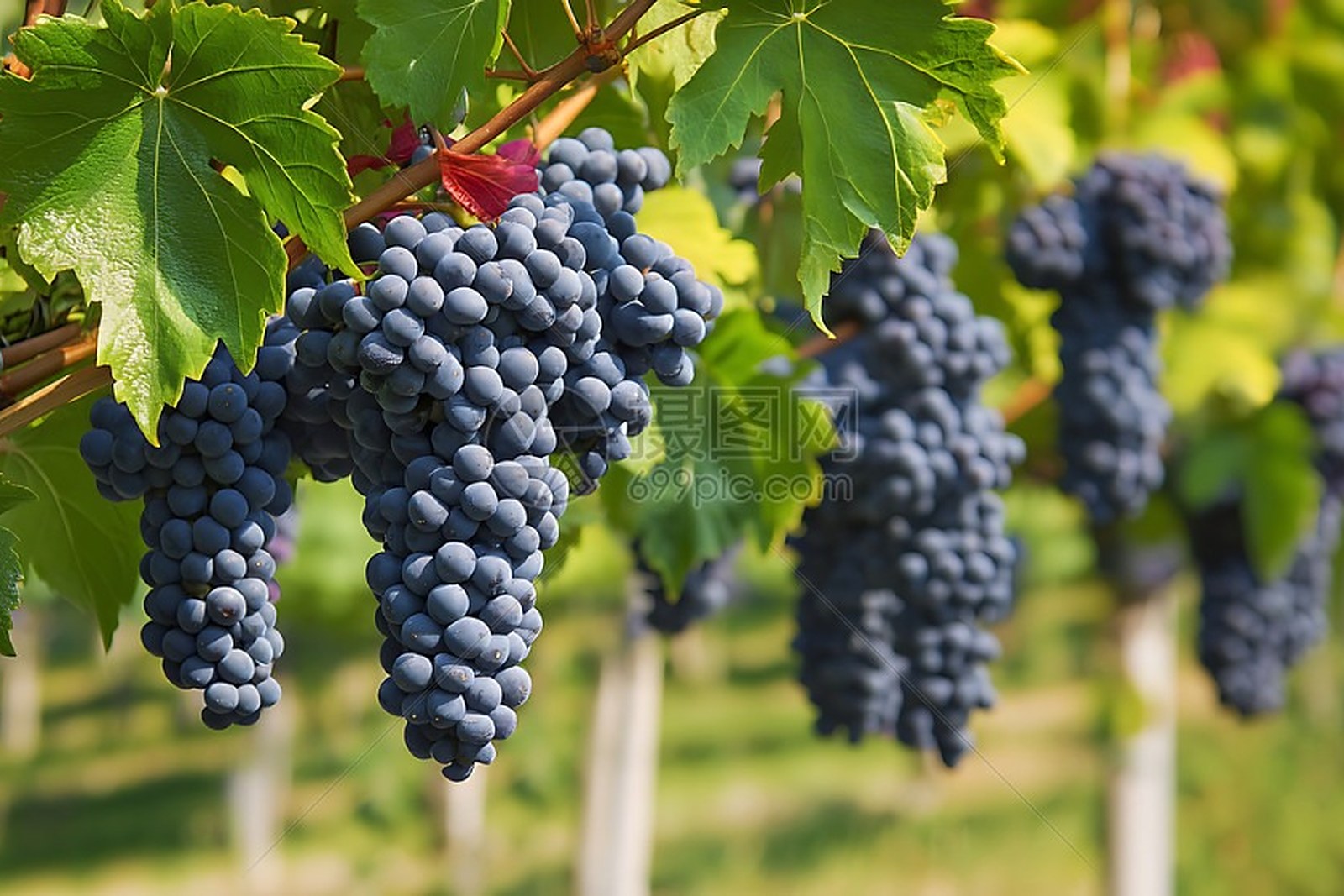
The honest grade is geography plus the ripeness clock. In 通州区 Tōngzhōu Qū Tongzhou District, Beijing the gardens and pick-your-own rows scatter along the town’s lanes southeast of the old canal bridge, where the clientele is half 周末 zhōumò weekend pickers with scissors and half pre-order buyers collecting boxes for the week – a mix that keeps the trellises honest in a way a fruit-stand pile never could, because a garden here is graded by returning families who ask for last year’s variety by name (worth confirming the details – which gardens run greenhouse rows and which are field-only). The region’s fruit carries a national geographical-indication listing, granted in the mid-2010s and reckoned the capital’s first township-named one (worth confirming the details), and the bench test outranks the plaque: taste where the cluster was cut – ripe fruit snaps off its stem clean and finishes sweet with the perfume the variety promises; under-ripe fruit drags and waters out, and no bag of grapes hides it. A per-person bill runs on the basket and the variety, so call it worth confirming the details rather than a fixed number, and come after the summer’s heat breaks: the autumn nights colour the sugar, and the same variety reads sweeter in September than it did in August.
The wry truth is that 张家湾葡萄 Zhāngjiāwān pútáo is over-rated as a nickname – “Beijing’s Turpan” is a travel-brochure compliment about a desert heat the town does not have – and under-rated as horticulture: the actual thing, a seven-century vine tradition turned varietal library, trial rows of introductions from three continents, greenhouse calendars stretching a short season into most of a year, is plant breeding the brochure never mentions. The real divide is 架上熟 jià shàng shú vine-ripened versus 车上熟 chē shàng shú truck-ripened, and the locals read it in the snap of the skin before the first berry lands. The self-deprecating footnote, and the district braid: a food writer will compare the bench to a winery tasting room that does not exist, photograph the shaded trellises at heroic shutter, and then call the muscat “commendably nostalgic” as if perfume were a decade – which is the honest grade: 张家湾葡萄 Zhāngjiāwān pútáo is a working collection the writer will romanticise more than he weighs, and the kids at the next row have already stripped a whole cluster and argued about which trellis to raid next before the shutter closes. The same 通州区 Tōngzhōu Qū Tongzhou District, Beijing thread runs on: the canal catfish of 小楼烧鲇鱼 Xiǎolóu shāo niányú Xiaolou braised catfish fries golden on the old South Street, the sesame-and-brown-sugar rounds of 大顺斋糖火烧 Dàshùnzhāi táng huǒshao Dashunzai sugar huoshao stack in the Hui-quarter shops, the ruby jars of 仙源腐乳 Xiānyuán fǔrǔ Xianyuan fermented beancurd line the shop shelves, and the cherry rows of 西集大樱桃 Xíjí dà yīngtáo Xiji big cherries open the plain’s summer – one district, four more tables.
Words and Names
- 张家湾镇 Zhāngjiāwān Zhèn / Zhangjiawan Town · the old canal-port town the grapes are named for - 京郊葡萄之乡 jīngjiāo pútáo zhī xiāng / grape country of the capital’s suburbs · the town’s own trellis billing - 玫瑰香 méiguīxiāng / rose muscat · the small perfumed standard older Beijing calls a grape - 巨峰 jùfēng / Kyoho · the big-berried introduction that carried the town’s twentieth-century fame - 北京葡萄大观园 Běijīng Pútáo Dàguānyuán / Beijing Grape Grand View Garden · the hundred-variety demonstration garden - 品种 pǐnzhǒng / cultivar · the variety bench the town collects like a library - 地理标志 dìlǐ biāozhì / geographical indication · the township-named national listing the fruit carries - 通州区 Tōngzhōu Qū / Tongzhou District · the Beijing district holding the vine trellises
What the Locals Know
- Ask the bench, not the sign: the gardens carry dozens of varieties ripening in relay – the honest bench will tell you which cluster was cut this morning (worth confirming the details garden by garden).
- Test the snap: a ripe grape parts from its stem clean and crisp; one that drags is under-ripe or stored – taste before you pick your row.
- Come after the heat breaks: autumn nights build the sugar, and September fruit of the same variety outsweets August’s (worth confirming each variety’s weeks).
- Start at the showcase garden: the Grand View Garden’s collection rows and the festival weeks teach the varieties fastest – then take the lane gardens on trust (worth confirming each year’s festival calendar).
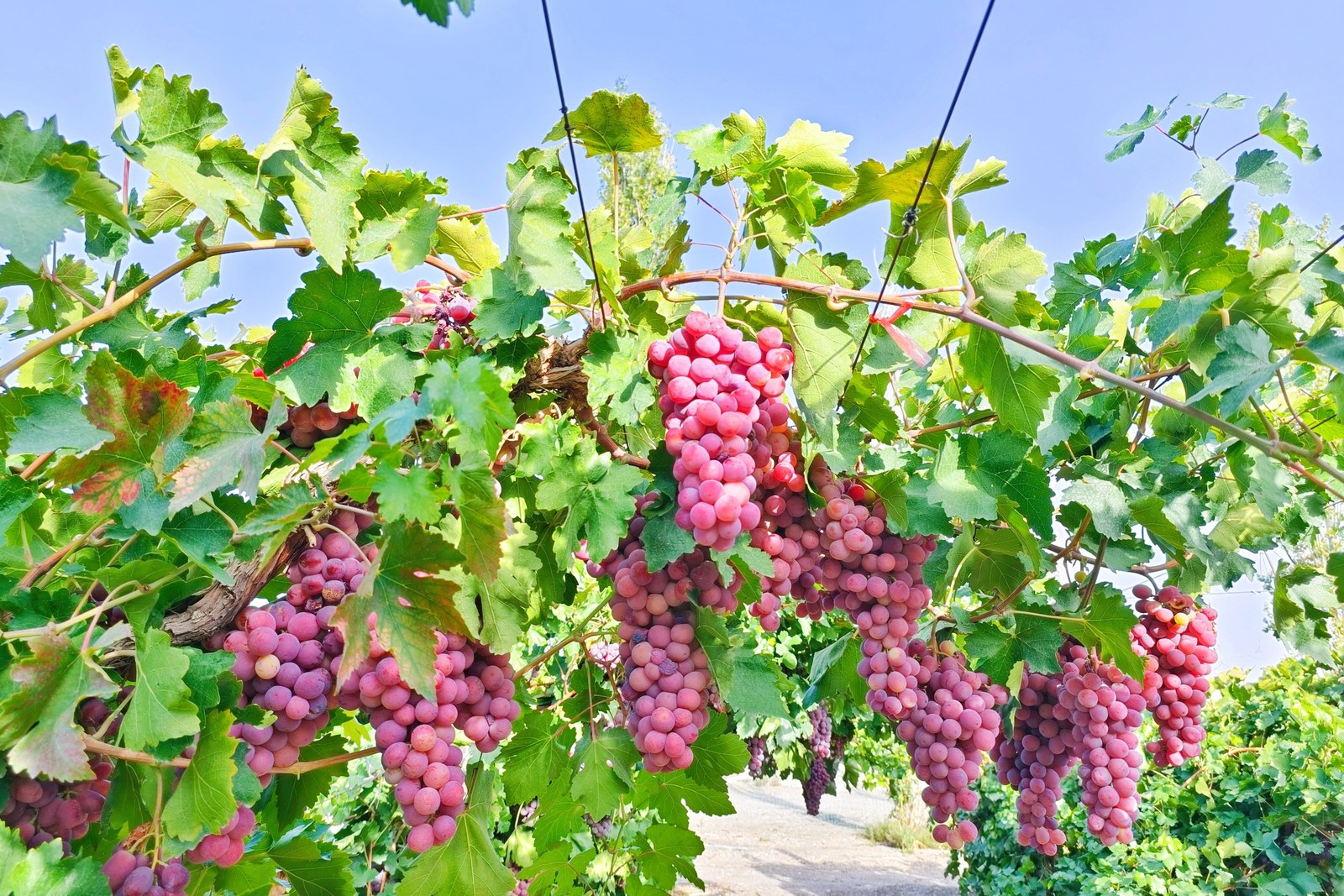
flowcloud would say that the 张家湾葡萄 Zhāngjiāwān pútáo is the Yuan-era vines, Beijing’s Turpan and the hundred-variety garden of Tongzhou District, Beijing – a 京郊葡萄之乡 jīngjiāo pútáo zhī xiāng port town whose 玫瑰香 méiguīxiāng muscat anchors a trial bench of dozens of cultivars at the 北京葡萄大观园 Běijīng Pútáo Dàguānyuán – and that the honest move is to ask the bench, test the snap, and come after the heat breaks, because the vines hold the history and the autumn holds the sugar. All checked October 2026.
Where to find it: Tongzhou District Tōngzhōu Qū, Beijing – the 北京葡萄大观园 Běijīng Pútáo Dàguānyuán demonstration garden at 大北关村 Dàběiguān Cūn and the pick-your-own rows and farm gardens across 张家湾镇 Zhāngjiāwān Zhèn Zhangjiawan town, where 玫瑰香 méiguīxiāng and dozens of other table grapes are picked from early summer into autumn (worth confirming the details – which gardens run greenhouse rows and which are field-only); a per-person bill runs on the basket and the variety, so call it worth confirming the details rather than a fixed number. Zhangjiawan grapes are the Yuan-era vines, Beijing’s Turpan and the hundred-variety garden of Tongzhou District, Beijing, vine before vintage.