
Zhangze Mutton: The White-Cut Goat of Yexie Town’s Winter Banquet Tables, the Mutton-and-Shaojiu Warming Ritual and the Village Feast Calendar of Zhangze in Songjiang District, Shanghai
张泽冬深羊味厚,白切一碟酒一杯。Zhāngzé dōng shēn yáng wèi hòu, báiqiē yī dié jiǔ yī bēi – When winter deepens in Zhangze the mutton taste thickens; one plate of white-cut, one glass of wine.
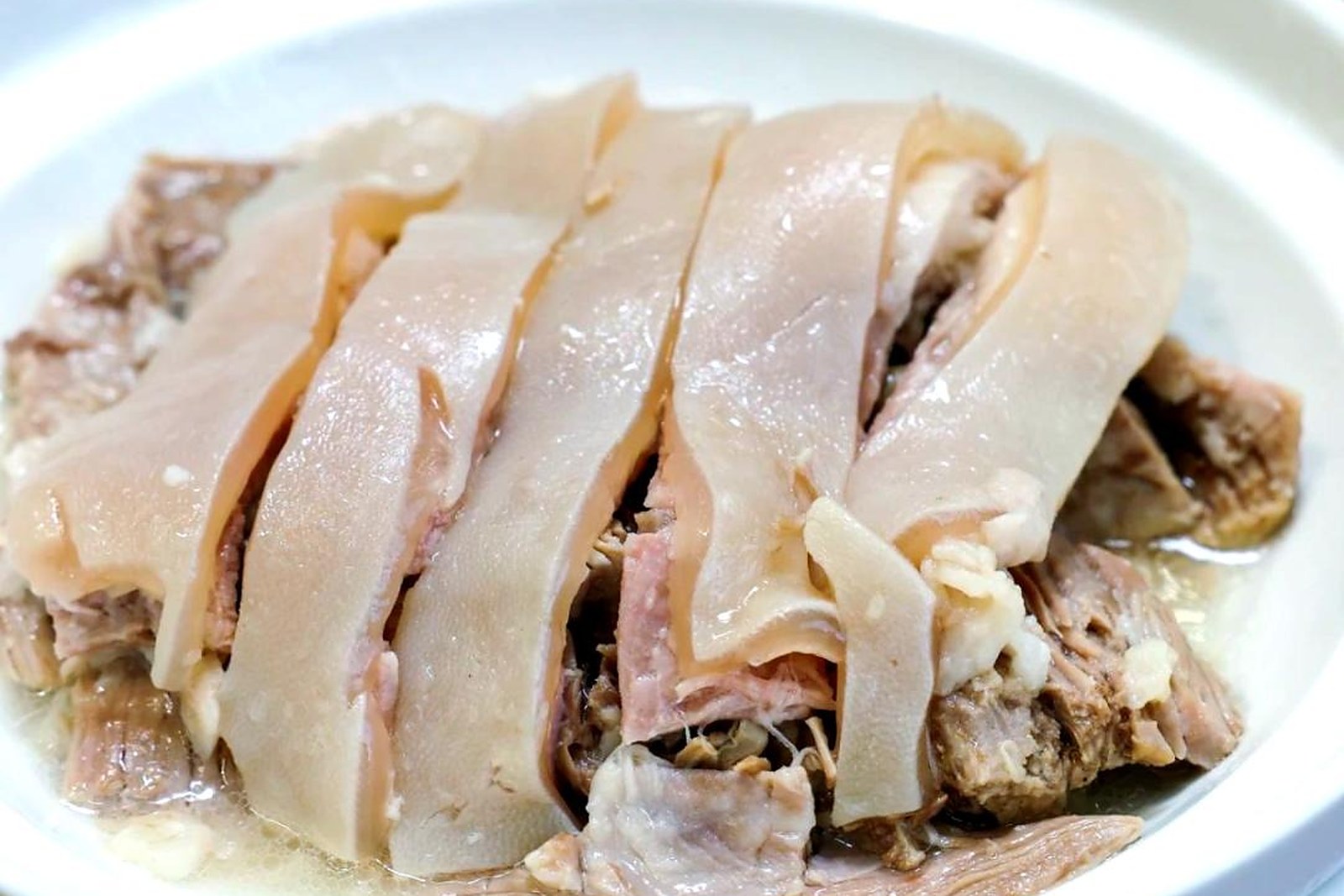
张泽羊肉 Zhāngzé yángròu Zhangze mutton is the goat-cooking trade of the 张泽 Zhāngzé Zhangze belt of 叶榭镇 Yèxiè Zhèn Yexie town in 松江区 Sōngjiāng Qū Songjiang District, Shanghai – the old market belt on the district’s south-eastern farm reach where the winter calendar is measured in mutton-and-wine mornings and the kitchens cook the goat whole for the town’s own tables. The register is the village’s own: 白切羊肉 báiqiē yángròu white-cut mutton – the boiled goat chilled, sliced and served plain with a soy dip – the skin set in clear jelly and the flesh carrying everything the long pot gave it, beside the mutton soup bowls that empty the pot, eaten the traditional way with 羊肉烧酒 yángròu shāojiǔ – mutton on the table, distilled spirits beside it – the 冬令进补 dōnglìng jìnbǔ winter-warming ritual the cold months call for, and a 乡宴 xiāngyàn village-banquet habit the belt keeps as its own calendar (worth confirming the details – which farmhouse kitchen holds which street frontage turns over as town trades do, and the specific doors are best confirmed in the belt rather than recited). The name is worth one footnote: this is the Zhangze mutton of Songjiang’s Yexie town, not the 张桥羊肉 Zhāngqiáo yángròu Zhangqiao mutton of neighbouring 金山区 Jīnshān Qū Jinshan District – two goat towns, two district calendars, and the dishes answer to their own pots. The clientele is the belt’s own first: families who book the goat for winter banquets, and city riders who run out on a cold morning for the white-cut plate and the warming glass. The blunt definition: the market belt where the goat is the calendar – the taste of Songjiang eaten in the season the pot was built for.
Call it honestly: village-table money on a winter clock. Getting there is one door: the 张泽 Zhāngzé Zhangze belt sits in the farm reach south of the Huangpu, reached by road ride or the district’s connecting buses, with 叶榭站 Yèxiè zhàn Yexie station on the 金山铁路 Jīnshān Tiělù Jinshan Railway as the nearest rail reach and the last stretch running by local ride through the town’s streets (worth confirming the details for the station-to-belt connection, the market lanes being ride territory more than walk territory). A white-cut mutton plate with the soy dip prices at casual-neighbourhood money, a mutton soup bowl at street-snack money, a full goat banquet table for a group at occasion-within-reason money – though exact figures are worth confirming the details on rather than quoting, the kitchens being family-run and repriced by the season’s banquet calendar. The crowds run to the cold: the deep-winter weekends stack the banquet bookings and fill the belt’s tables from late morning, warm months thin the trade to the soup bowls and the regulars, and a cold weekday mid-morning, when the pot runs for the town’s own and the steam hangs in the doorway, is the eater’s own hour (worth confirming the details for individual kitchens’ hours, which follow the banquet calendar more than any posted sign).
The honest star is the white-cut plate itself, graded knife by knife. What gets oversold is the “secret mutton paradise” framing: guides sell a hidden belt where every table is a feast, and a first-timer may meet an ordinary market-street strip of plain rooms, boiling pots and parked cars – which is not the disappointment but the point. What repays the effort is grading the plate the way the belt does: white-cut mutton judged by whether the skin carries its jelly with a give rather than a snap, the flesh judged by whether it tastes of the broth’s long morning rather than the dip alone, the soy dish judged by whether the kitchen lets the goat speak first. The test costs nothing: order the white-cut plate plain before you book the banquet, eat one slice with no dip at all, and take the table where the town’s own banquet parties gather rather than where the roadside flags fly – a trade that has cooked the same goat for generations grades its pots daily, and the winter banquet queue is the certificate (worth confirming the details – the kitchens migrate with the leases, and today’s plainest room may be next season’s remembered one).
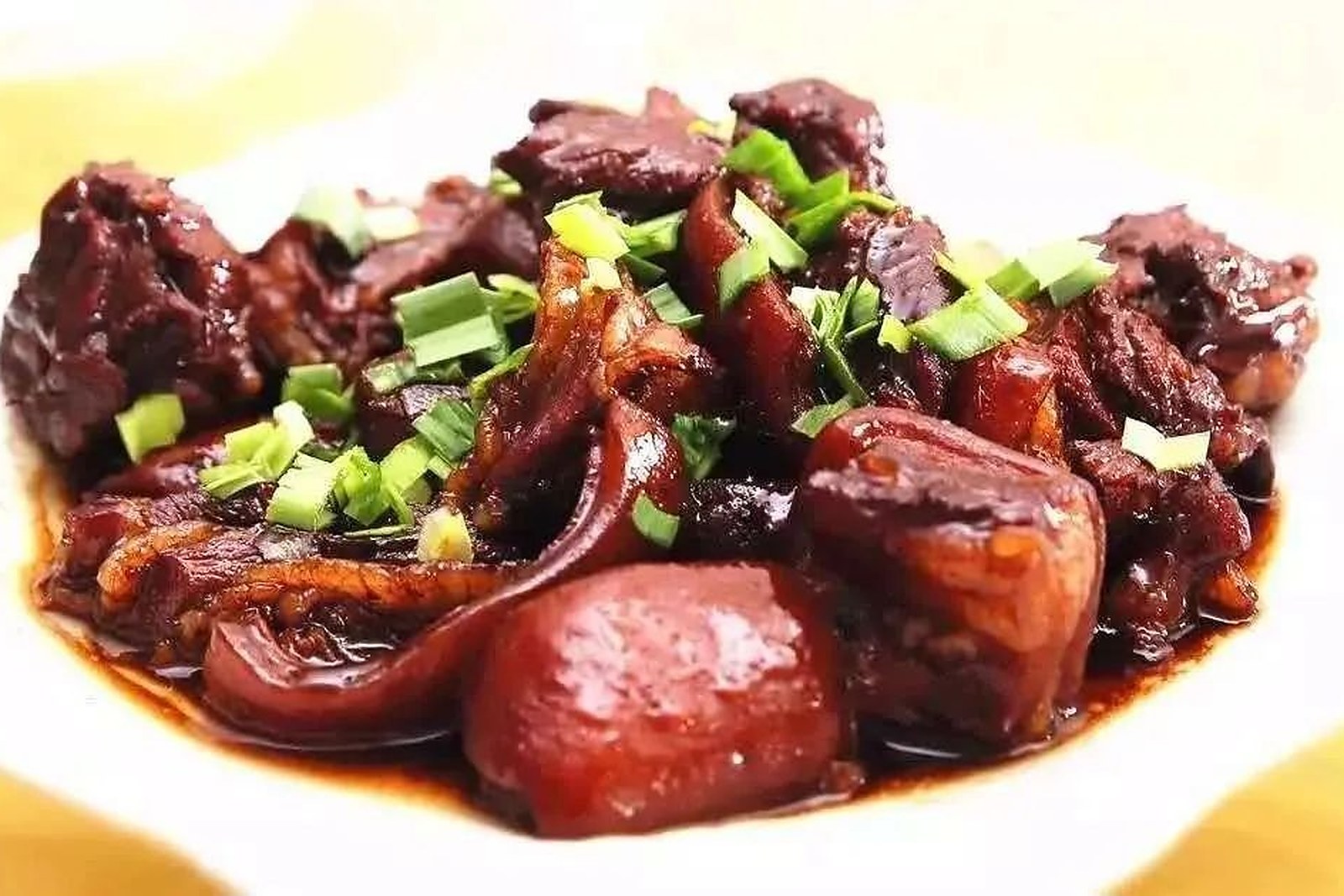
The belt’s deepest habit is the 羊肉烧酒 yángròu shāojiǔ mutton-and-wine pairing itself – and its own clock: Zhangze keeps the morning habit, tables of townsmen over white-cut and a small glass before the market finishes, the old winter arithmetic that one plate answers one glass and the pot warms the room before the day is run – a discipline the cold months built and the belt keeps without any signboard. Time it right – a cold weekday morning, the pot running for its own – and the table explains the trade better than any menu: the market calendar raised the goat, and the goat pays the winter’s rent (worth confirming the details – which kitchens run the full morning register through the warm months, the trade thickening with the first cold snap and thinning again by spring).
The rest of this Songjiang list keeps other tables: the thousand-year steam of 松江鲈鱼 Sōngjiāng lúyú Songjiang perch rises by 秀野桥 Xiùyě Qiáo Xiuye Bridge in the old creek belt, the soft steamed squares of 叶榭软糕 Yèxiè ruǎngāo Yexie ruangao bake in this same town’s tea counters, the soup-bursting baskets of 泗泾小笼 Sìjīng xiǎolóng Sijing xiaolong steam in the old town of 泗泾 Sìjīng Sijing to the north, and the orchid-scented spring shoots of 佘山兰笋 Shéshān lánsǔn Sheshan lanbamboo rise in the hill’s bamboo groves – one district, four more tables, all inside 松江区 Sōngjiāng Qū Songjiang District; and when the mutton lunch needs a bed in the town or a broader route, the stay-and-street notes for the district pick up where the white-cut leaves off.
Words and Names
What the Locals Know
flowcloud would say that the 张泽羊肉 Zhāngzé yángròu is the white-cut goat and the mutton-and-wine ritual of Songjiang District, Shanghai – a 冬令进补 dōnglìng jìnbǔ winter-warming discipline where the jelly-set skin and the long-pot flesh of the 白切羊肉 báiqiē yángròu plate answer the 羊肉烧酒 yángròu shāojiǔ tables and the 乡宴 xiāngyàn banquet calendar of the 张泽 Zhāngzé Zhangze belt of 叶榭镇 Yèxiè Zhèn Yexie town – and that the honest move is to eat one slice with no dip at all, keep the belt’s morning clock, and let the winter banquet queue cast the vote, because the market calendar raised the goat and the goat pays the winter’s rent. All checked October 2026.
Where to find it: 松江区 Sōngjiāng Qū Songjiang District, Shanghai – the village goat-cooking belt of 张泽羊肉 Zhāngzé yángròu through the 张泽 Zhāngzé Zhangze belt of 叶榭镇 Yèxiè Zhèn Yexie town – the Songjiang original, distinct from 金山张桥羊肉 Zhāngqiáo yángròu Zhangqiao mutton over the district line in Jinshan – where the 白切羊肉 báiqiē yángròu white-cut plate keeps the soy-dip register and the 羊肉烧酒 yángròu shāojiǔ tables keep the 冬令进补 dōnglìng jìnbǔ winter trade, reached by road ride or the district’s connecting buses, with 叶榭站 Yèxiè zhàn on the 金山铁路 Jīnshān Tiělù Jinshan Railway as the nearest rail reach and the last stretch by local ride (worth confirming the details for the station-to-belt connection and which kitchen holds which street frontage today, belt doors turning over as town trades do), where the trade keeps the cold clock – deep-winter weekends the stacked banquet bookings, warm months the thinned soup-bowl trade, cold weekday morning the eater’s own; casual-neighbourhood to occasion-within-reason money, so call it worth confirming the details rather than a fixed number, and let the winter banquet queue cast the vote. Zhangze mutton is the white-cut goat, the mutton-and-shaojiu warming ritual and the village feast calendar of Zhangze in Songjiang District, Shanghai – the taste of 松江区 Sōngjiāng Qū Songjiang District eaten in the season the pot was built for. All checked October 2026.