
小草坝天麻,炖鸡补一身。Xiǎocǎobà tiānmá, dùn jī bǔ yīshēn – Xiaocaoba gastrodia, stewed with chicken, restores the whole body.
昭通天麻炖鸡 Zhāotōng Tiānmá Dùn Jī Zhaotong gastrodia stewed chicken is the city’s medicinal-table centrepiece – a 药膳 yàoshàn medicinal dish of 乌骨鸡 wūgǔ jī black-bone chicken slow-stewed with 天麻 tiānmá gastrodia, the dried tuber of a wild orchid that 昭通 Zhāotōng grows better than almost anywhere in 云南 Yúnnán. The famous source is 小草坝 Xiǎocǎobà Xiaocaoba, up in 彝良县 Yíliáng Xiàn Yiliang County, whose 天麻 tiānmá carries a 地理标志 dìlǐ biāozhì geographical-indication tag and a reputation for being fatter, whiter and more fragrant than the field-grown stuff from elsewhere. The dish is what a 昭通 Zhāotōng family puts on the table when someone is 体虚 tǐxū run down, just out of hospital, or merely entitled to a good meal that also claims to be medicine – the 天麻 tiānmá is sliced thin or left in knobs and simmered with the chicken, a little 枸杞 gǒuqǐ goji and 红枣 hóngzǎo red dates, into a pale, clean, faintly earthy broth that tastes of chicken first and of forest floor second. A pot runs about 80-150 yuan at a 餐馆 cānguǎn restaurant or 农家乐 nóngjiālè farm house (worth confirming – the price swings hard with whether the 天麻 tiānmá is real 小草坝 Xiǎocǎobà or a cheaper substitute, and you rarely get to watch the tuber go in), and the honest shape is that this is a 补 bǔ tonic dish sold on its health claim, so the question of what is actually in the pot matters more than it does for a plain chicken.
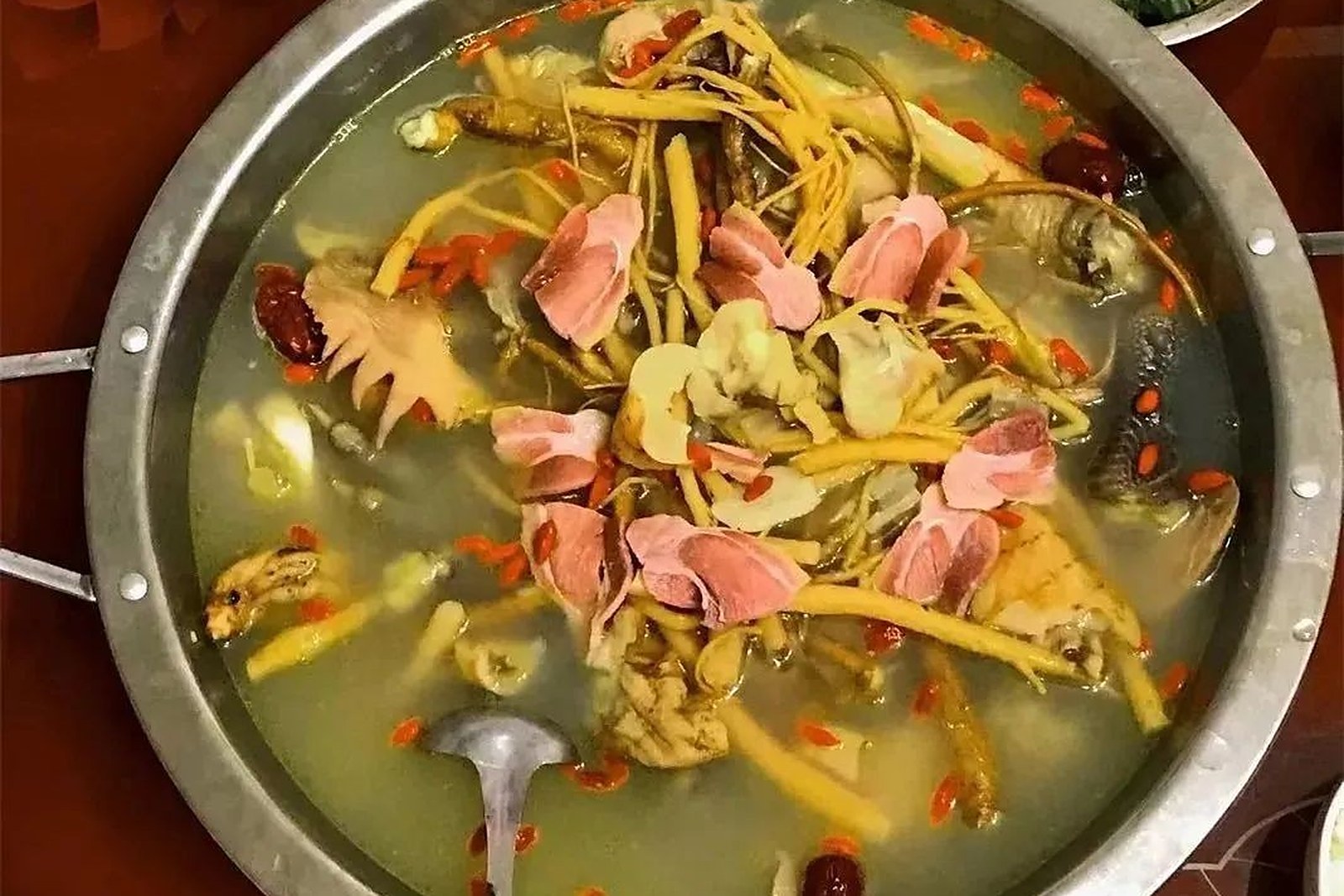
The mechanism is the tuber. 天麻 Tiānmá gastrodia is not a root but the cured, dried stem-base of a leafless orchid that parasitises a soil fungus, and the 小草坝 Xiǎocǎobà version is prized because the cold, damp, high 彝良 Yíliáng hills grow it slow and dense – the good tuber is heavy, pale and faintly waxy, and it stews to a soft, almost flavourless-without-being-bland bite that soaks up the broth. The comparison locals draw is with the 汽锅鸡 qìguō jī steam-pot chicken of 昆明 Kūnmíng – both are the ‘good bird, little interference’ school of Yunnan chicken – but where the 汽锅 qìguō is steam-clean and celebratory, the 天麻炖鸡 tiānmá dùn jī is openly medicinal, a dish whose whole reason to exist is the tuber, not the meat. The 乌骨鸡 wūgǔ jī black-bone bird is chosen because its dark meat and 骨 gǔ bones are held, in the same logic that built the dish, to be more 补 bǔ restorative than a white chicken – the science of that is the science of tradition, which is to say it is what people believe and what the broth delivers emotionally if not chemically. The honest caveat for a writer is that 天麻 tiānmá is a real pharmacopeia item (used for headaches and dizziness in 中医 zhōngyī Chinese medicine) but the stew is a food, not a prescription, and a bowl will not cure what ails you any more than chicken soup ever did (worth confirming the health claims – they are heritage, not hospital).
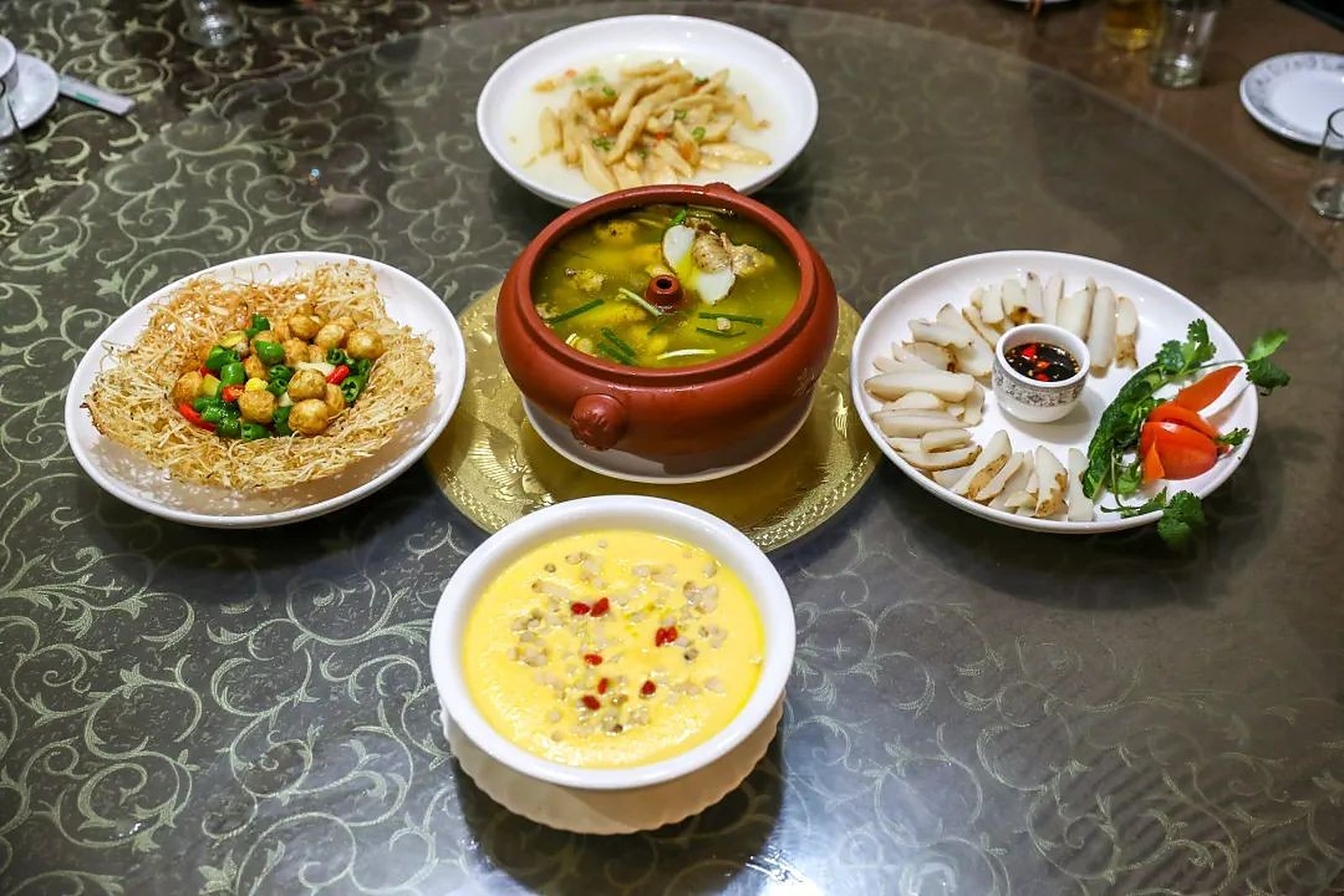
Locals eat it as a restorative, not a routine. The move, if you are a visitor, is to order it at a 昭通 Zhāotōng restaurant that will at least show you the 天麻 tiānmá before it goes in – a house that brings the tuber to the table is signalling it is not hiding a cheaper knob – and to eat it in the cold months, when a pale 药膳 yàoshàn broth is exactly the warmth a plateau winter wants. The honest season is autumn through winter, after the 天麻 tiānmá is dug and cured, and the honest test of a bowl is the tuber itself: real 小草坝 Xiǎocǎobà is pale and solid, not a brown, hollow, chalky impostor, and a broth that is cloudy, greasy or heavy with 味精 wèijīng MSG has missed the point, which is clean and light. Because the 天麻 tiānmá is the expensive, name-carrying ingredient, a visitor should ask plainly where it came from – 小草坝 Xiǎocǎobà or not – because the difference is both price and pride, and a 昭通 Zhāotōng cook who is proud of the tuber will tell you the village, while one who deflects probably bought the cheap bag (worth confirming the origin claim before you pay the premium).
Words and Names
昭通天麻炖鸡 Zhāotōng Tiānmá Dùn Jī Zhaotong gastrodia stewed chicken · 天麻 Tiānmá gastrodia (orchid tuber) · 小草坝 Xiǎocǎobà Xiaocaoba (source of famous gastrodia) · 彝良县 Yíliáng Xiàn Yiliang County · 乌骨鸡 Wūgǔ Jī black-bone chicken · 药膳 Yàoshàn medicinal cuisine · 补 Bǔ to restore / tonic · 地理标志 Dìlǐ Biāozhì geographical indication · 枸杞 Gǒuqǐ goji berry · 红枣 Hóngzǎo red dates · 中医 Zhōngyī Chinese medicine · 汽锅鸡 Qìguō Jī steam-pot chicken
What the Locals Know
- The tuber is the dish: real 小草坝 Xiǎocǎobà 天麻 tiānmá is pale, heavy and solid, not brown, hollow and chalky, so ask to see it before it cooks, because the name on the menu is both the price and the pride.
- The broth should be clean and light: a 天麻炖鸡 tiānmá dùn jī that is cloudy, greasy or heavy with 味精 wèijīng has missed the point, which is a pale, restorative 药膳 yàoshàn soup, not a rich stock.
- The season is the cure: eat it in autumn and winter, after the 天麻 tiānmá is dug and cured, when a plateau cold makes the tonic make sense.
- The claims are heritage, not hospital: 天麻 tiānmá is a real 中医 zhōngyī item but the stew is food, not prescription, so don’t expect it to fix what ails you (worth confirming the health lore before quoting it as fact).
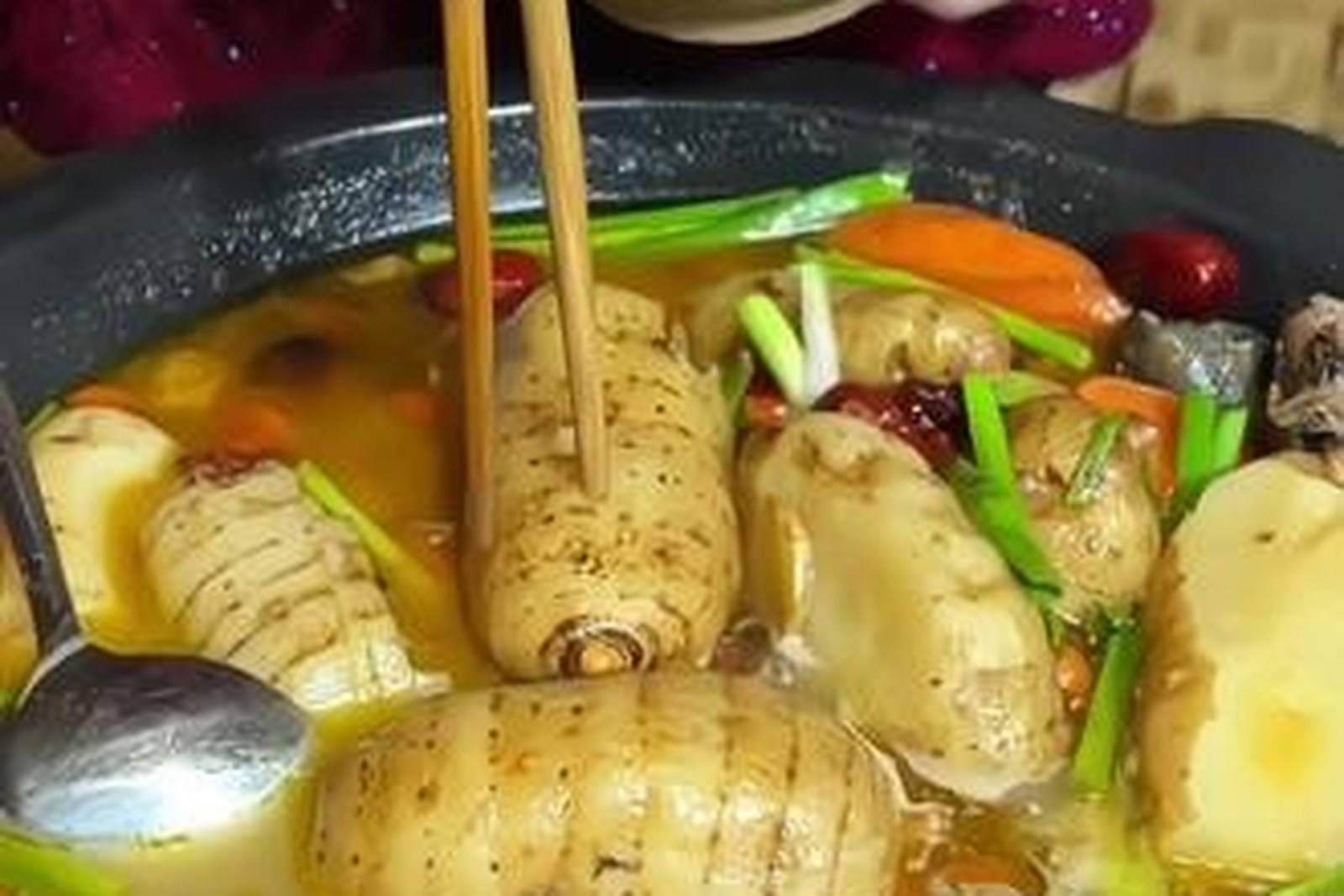
flowcloud would say that the 昭通天麻炖鸡 zhāotōng tiānmá dùn jī is a 乌骨鸡 wūgǔ jī black-bone chicken slow-stewed with 小草坝 xiǎocǎobà 天麻 tiānmá gastrodia into a pale, clean 药膳 yàoshàn broth – a tonic sold on its health claim – and that the honest move is to ask to see the tuber, ask if it is real 小草坝 xiǎocǎobà, and eat it in winter, because the tuber is the dish and the cure is mostly the warmth. All checked October 2026.
Where to find it: 昭通 Zhāotōng restaurants and 农家乐 nóngjiālè, a pot about 80-150 yuan (worth confirming the details); order in autumn-winter, ask to see the 天麻 tiānmá and ask if it is 小草坝 Xiǎocǎobà. It is the plateau’s medicinal chicken, tonic before dinner. All checked October 2026.