
Zhapu Road Food Street: Shanghai’s First Food Street, Old Signboards and the Suzhou Creek Eating Corridor of Hongkou District, Shanghai
乍浦街头香一路,老招新灶共河灯。Zhàpǔ jiētóu xiāng yī lù, lǎo zhāo xīn zào gòng hé dēng – Along Zhapu Road the aroma runs the whole way; old signboards and new stoves share the river lamps.
乍浦路美食街 Zhàpǔ Lù měishí jiē Zhapu Road Food Street is the eating street along 乍浦路 Zhàpǔ Lù Zhapu Road in the southern reach of 虹口区 Hóngkǒu Qū Hongkou District, Shanghai – the short, dense road that runs from the 苏州河 Sūzhōu Hé Suzhou Creek frontage north into the old blocks, and the street credited as Shanghai’s first food street: in the 1990s the city hung the name on this strip, restaurants crowded in shoulder to shoulder, and the “food street” grammar that every Chinese city now prints on its maps was written here first. What keeps the strip alive is the layering rather than any single door: 百年老字号 bǎinián lǎozìhào century-old brand houses whose recipes predate the title by generations, neighbourhood noodle and dumpling rooms that fed the street long before it was famous, and a younger wave of cafes and small restaurants that followed the creek-side renewal north from the Bund’s back yards (worth confirming the details – which shop holds which number turns over as eating streets do, and the oldest names now keep the title more than the menu). The blunt definition: the street where Shanghai invented the food street, still cooking – quieter than its fame, closer to its neighbours than the guidebooks admit, and best read signboard by signboard from the creek end upward.
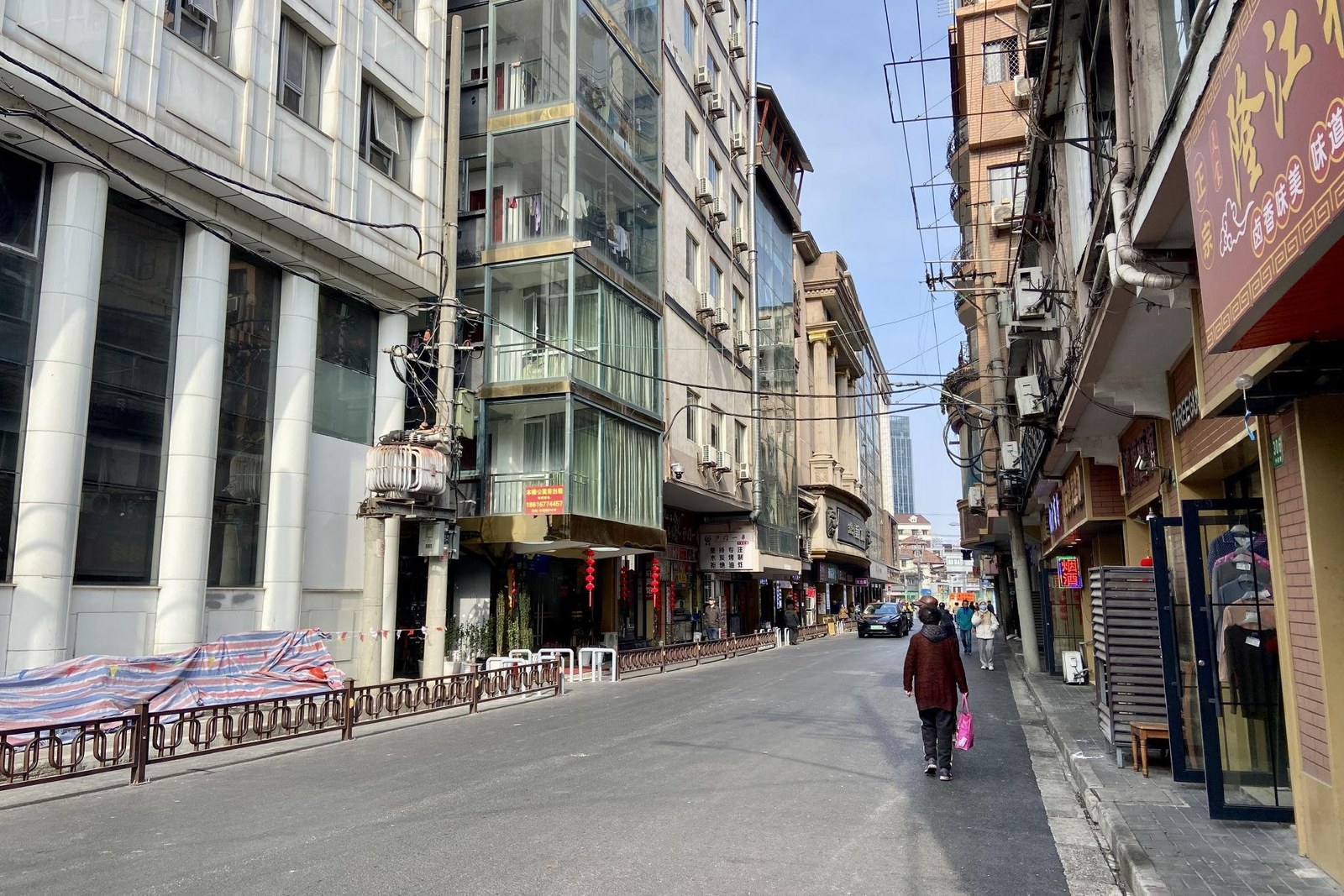
Call it honestly: eating-street money on a neighbourhood clock. Getting there is a choice of doors: 地铁10号线 dìtiě shí hào xiàn Metro Line 10 to 四川北路站 Sìchuān Běi Lù zhàn Sichuan Road North station puts the street’s upper reach within a short walk, while 地铁12号线 dìtiě shí’èr hào xiàn Metro Line 12 to 天潼路站 Tiántóng Lù zhàn Tiantong Road station opens the creek-side lower end. A meal runs from loose-change street snacks to proper table money depending on the door – the old brand houses at the top bracket, the noodle windows at the bottom – though exact figures are worth confirming the details on rather than quoting, the strip mixing rent brackets as thickly as it mixes vintages. The crowds run to two waves: weekday lunch, when the office towers on the creek edge send their workers down the road, and weekend evenings, when the neon makes its argument; a weekday mid-afternoon, when the old houses serve their retired regulars and the new doors brew for themselves, is the eater’s own hour (worth confirming the details for individual shops’ hours, which split between the old breakfast clock and the younger bar one).
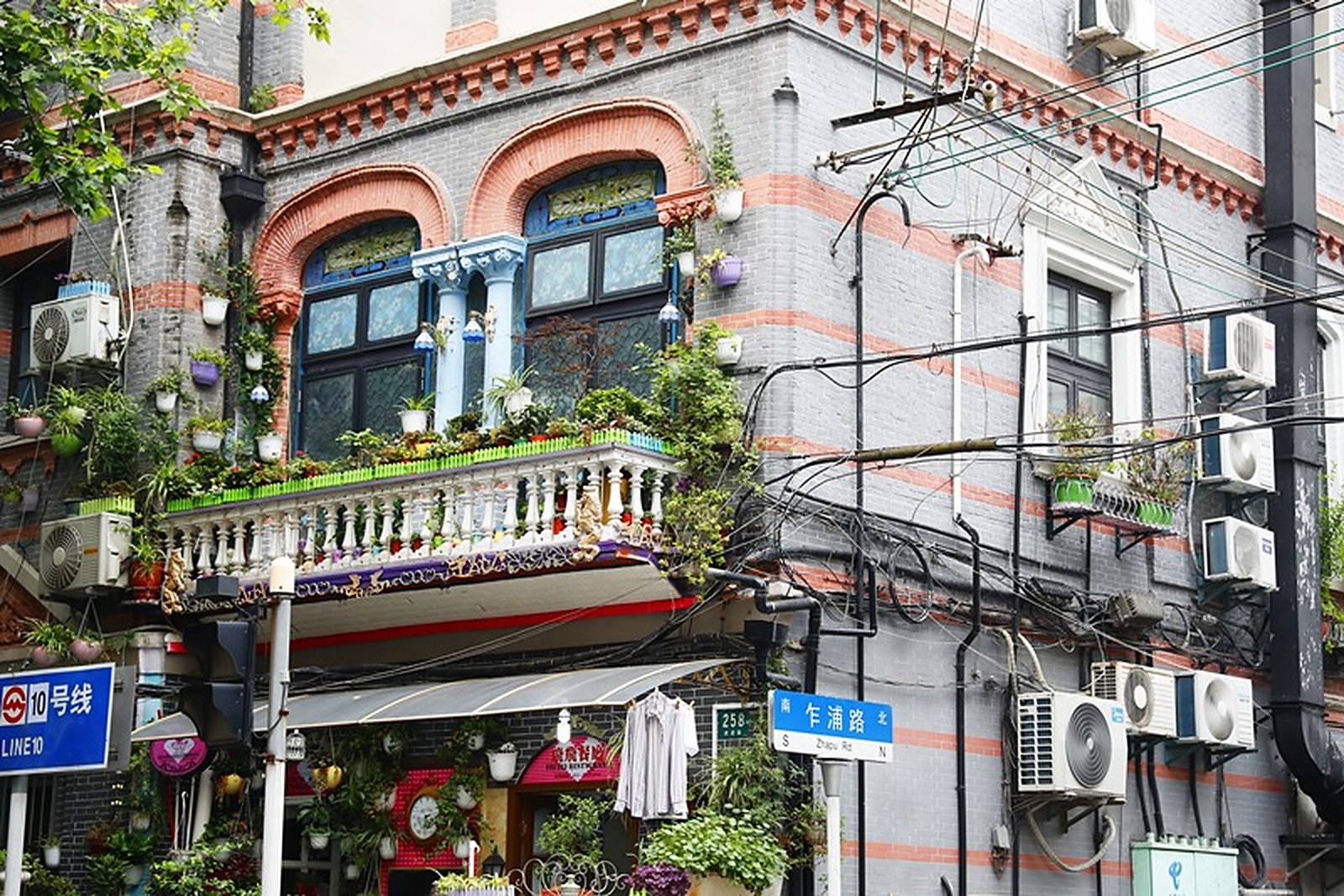
The honest star is the layering, and the food is the strata. What gets oversold is the “first food street” framing: guides sell a neon carnival of a hundred doors, and a first-timer may meet a settled street whose famous years have mellowed into ordinary trade – half the legend, all of the lunch. What repays the effort is reading the strip the way the block does: an old brand house graded by whether its signature dish still tastes of the recipe rather than the reunion dinner, a noodle room graded by whether the broth pot has been running since morning, a new cafe graded by whether it survives on neighbourhood repeat trade or on photographs alone. The test costs nothing: walk the road end to end before choosing, and eat at the plainest old door with locals at the tables – a strip that has outlived three eras of dining fashion does not need to charm anyone, and that composure is the certificate (worth confirming the details – each house keeps its own history, and the stories differ door by door).
Nearly everything else on this Hongkou list keeps other doors: the neighbourhood pastry rooms and noodle houses of 提篮桥小吃 Tílánqiáo xiǎochī Tilanqiao snacks run their lane trade a metro ride northeast, the home-style tables and canteens of 四川北路餐饮 Sìchuān Běi Lù cānyǐn Sichuan Road North eats line the century-old shopping street inland, the river-view dining rooms and mall food floors of 北外滩餐饮 Běiwàitān cānyǐn North Bund dining stack up above the Huangpu, and the coffee cups of 甜爱路咖啡 Tián’ài Lù kāfēi Tianai Road cafes pour along the romance street a few blocks west – one district, four more tables, all inside 虹口区 Hóngkǒu Qū Hongkou District; and when the eating street day needs a bed or a broader route, the stay-and-street notes for the district pick up where the signboards leave off.
Words and Names
- 乍浦路美食街 Zhàpǔ Lù měishí jiē / Zhapu Road Food Street · the strip credited as Shanghai’s first food street - 乍浦路 Zhàpǔ Lù / Zhapu Road · the road that holds the strip - 美食街 měishí jiē / food street · the grammar this road wrote first - 老字号 lǎozìhào / old brand · the century houses predating the title - 苏州河 Sūzhōu Hé / Suzhou Creek · the waterway at the strip’s southern foot - 四川北路站 Sìchuān Běi Lù zhàn / Sichuan Road North station · the Line 10 approach - 天潼路站 Tiántóng Lù zhàn / Tiantong Road station · the Line 12 approach - 招牌 zhāopái / signboard · the strip’s layered reading, era by era - 虹口区 Hóngkǒu Qū / Hongkou District · the Shanghai district holding the street
What the Locals Know
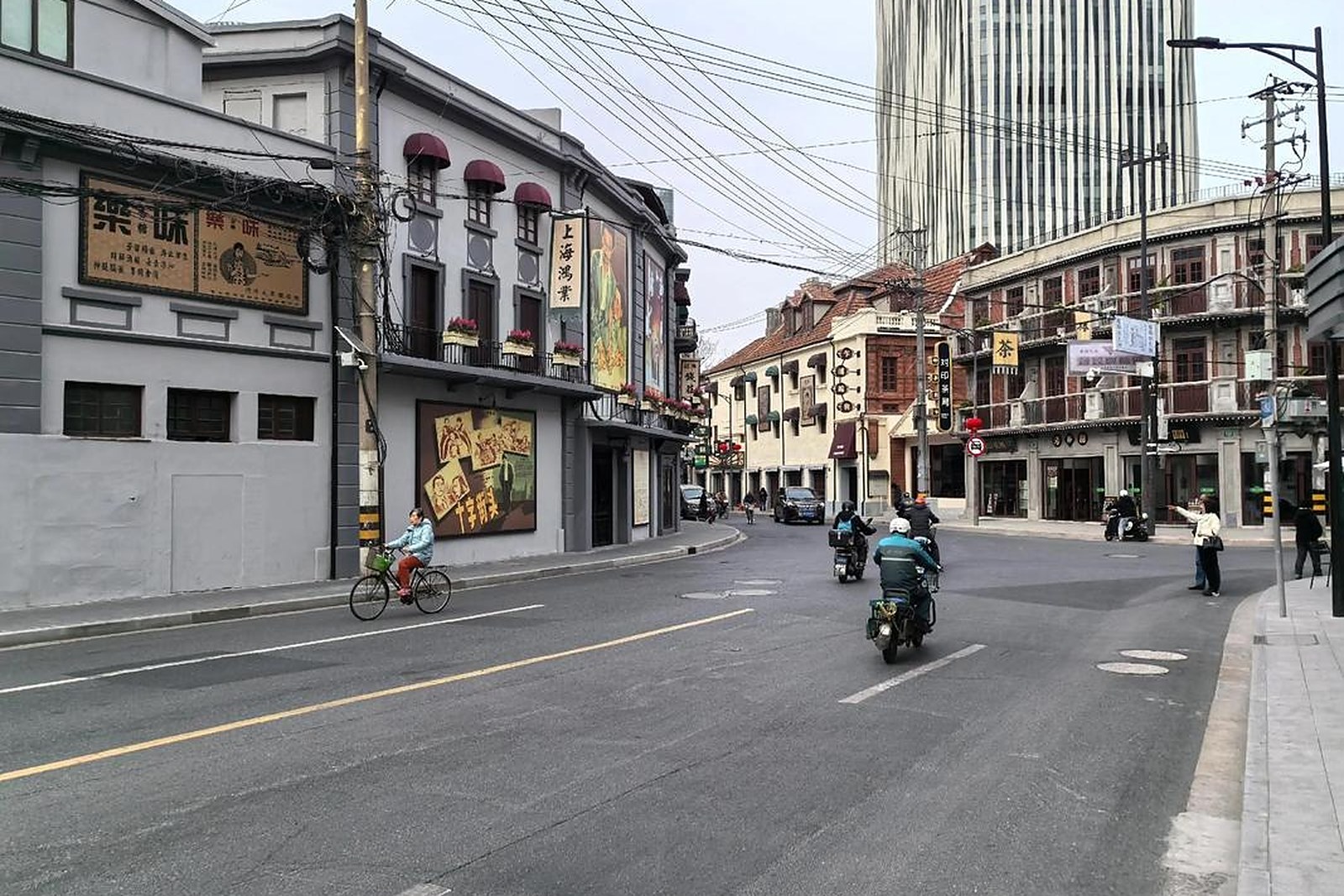
flowcloud would say that the 乍浦路美食街 Zhàpǔ Lù měishí jiē is the first food street, old signboards and the Suzhou Creek eating corridor of Hongkou District, Shanghai – a 老字号 lǎozìhào discipline where the street that invented the food-street name answers the new stoves beneath its old lamps – and that the honest move is to walk the road end to end, eat at the plainest old door with locals at the tables, and let the layering cast the vote, because the creek built the trade and the trade outlived its own fame. All checked October 2026.
Where to find it: 虹口区 Hóngkǒu Qū Hongkou District, Shanghai – the eating strip of 乍浦路 Zhàpǔ Lù Zhapu Road running from the 苏州河 Sūzhōu Hé Suzhou Creek frontage north into the old blocks, reached from 四川北路站 Sìchuān Běi Lù zhàn on Metro Line 10 or 天潼路站 Tiántóng Lù zhàn on Metro Line 12, where the street keeps a mixed clock – the lunch wave from the creek-edge offices, weekend evenings for the neon, weekday mid-afternoon the eater’s own (worth confirming the details – which shop holds which number today, eating-street doors turning over as they always have); meals run from street-snack to table money by the door, so call it worth confirming the details rather than a fixed number, and let the plainest old house cast the vote. Zhapu Road Food Street is Shanghai’s first food street, old signboards and the Suzhou Creek eating corridor of Hongkou District, Shanghai – the taste of 虹口区 Hóngkǒu Qū Hongkou District eaten where the city wrote the food-street rule. All checked October 2026.