
香山蜜饼 (Xiāngshān Mìbǐng) is a traditional honey-sweetened baked cake tied to local memory of the Tang-dynasty poet Bái Jūyì (白居易), who is said to have tasted and praised the sweet cakes during his time in the region. The story may be legend, but it has stuck to the pastry for generations, and the cakes remain a favoured local tea snack around Zhōngxiàn, crisp at the edge and soft within, carrying a clean honey sweetness rather than the heavy sugar of a modern biscuit.
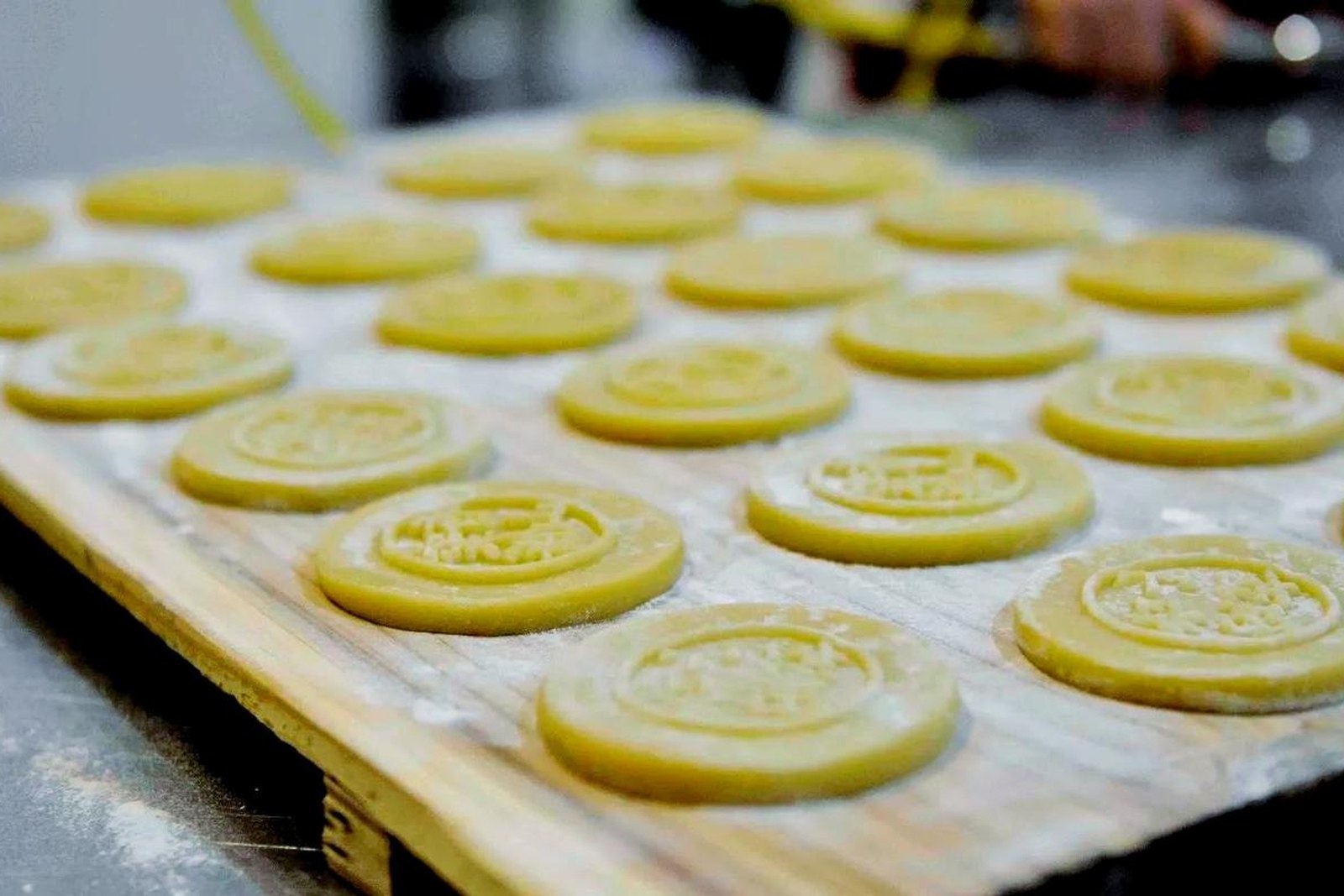
The making is straightforward but exacting. A wheat dough is enriched with honey (蜂蜜) and a little oil, shaped into flat rounds, and baked until the surface sets into a brittle, lacquered crust while the inside stays chewy and faintly moist. Good ones split open along the top as they cool, the way a proper 饼 should, and they keep their texture for days in a sealed tin — which is part of why they travelled so well as a gift in the days before packaged sweets.
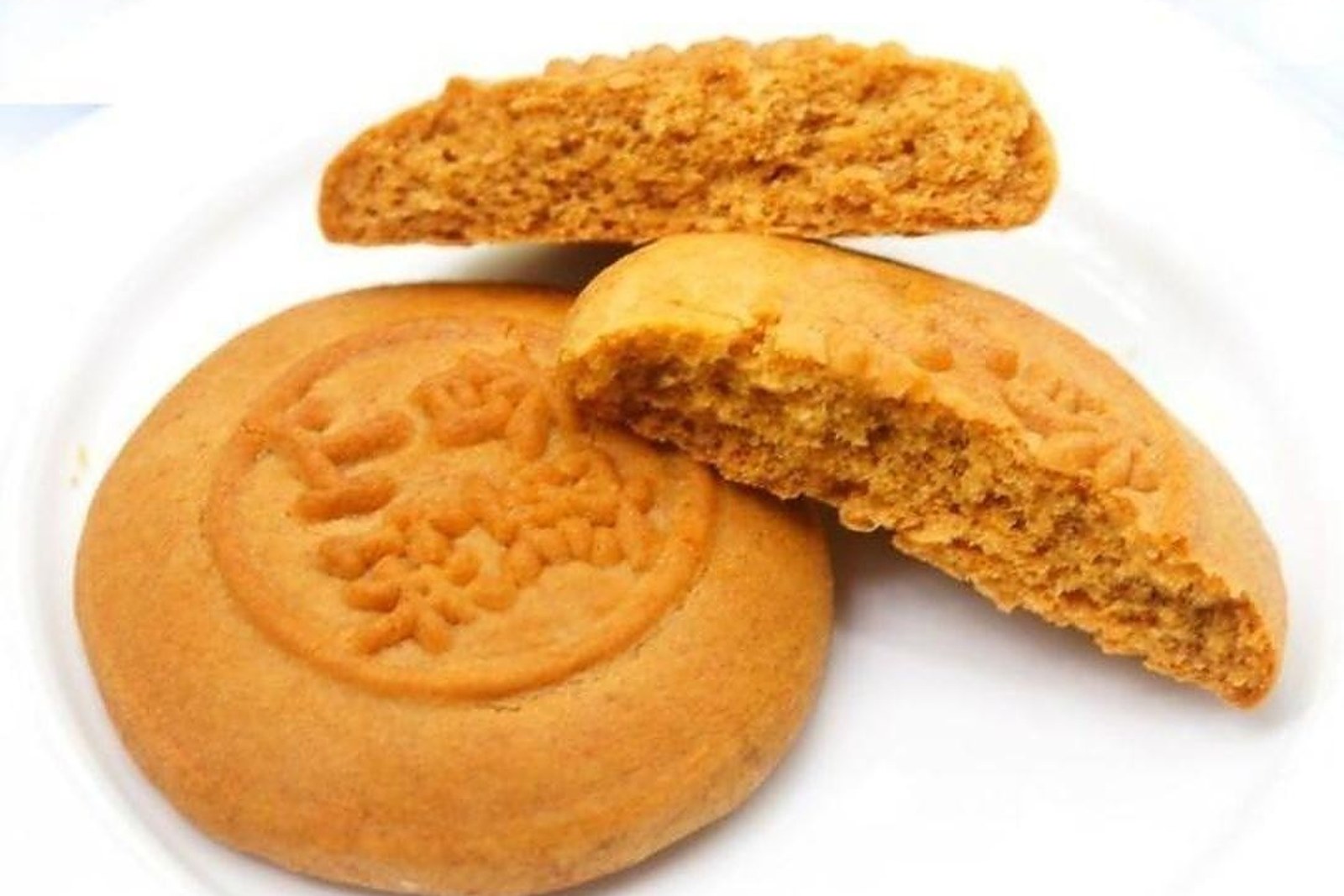
The Bái Jūyì link gives the cake its character as much as the recipe does. The poet-governor is remembered across the Yangtze gorges for walking among ordinary people, and the story that he enjoyed these humble honey cakes turns a simple bake into a small piece of local pride. Vendors near the county seat and the scenic spots still tell the tale to visitors, and a few old shops keep the method close to the older standard of honey-forward, lightly crisp rounds.
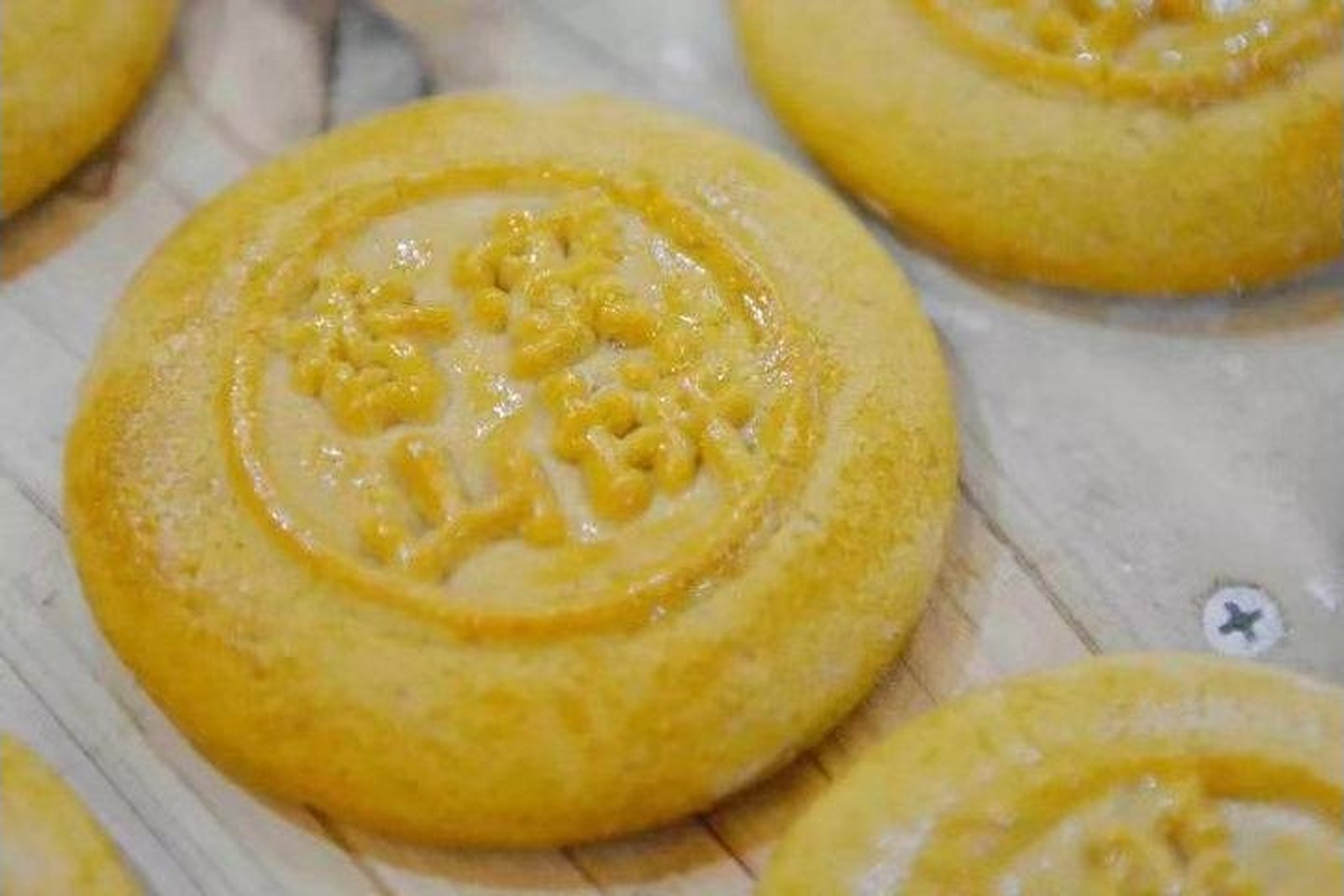
You will find Xiāngshān Mìbǐng at the county-seat bakeries and at stalls around the tourist routes, often sold by weight in paper bags. They pair naturally with a cup of tea (茶) as an afternoon bite, and they make an easy souvenir to carry home. Prices are generally modest, and a bag of a few cakes typically costs only a small amount — enough to share, or to keep for a quiet moment with tea.
Words and Names
香山蜜饼 Xiāngshān Mìbǐng — Xiangshan honey cake, a local sweet baked good 白居易 Bái Jūyì — Tang-dynasty poet linked to the cake in local legend 蜂蜜 fēngmì — honey, the sweetener that gives the cake its name 饼 bǐng — flat baked cake or round, the cake’s form 茶 chá — tea, the natural partner for the sweet snack 香山 Xiāngshān — Xiangshan, the hill name attached to the cake