
The Reservoir’s Gold: Zhouhe Carp
州河水暖鲤初肥,一尾红烧满桌春 Zhōuhé shuǐ nuǎn lǐ chū féi, yī wěi hóngshāo mǎn zhuō chūn – When the Zhouhe waters warm, the carp fatten; one braised fish brings spring to the whole table
州河鲤 Zhōuhé lǐ is the river carp of the reservoir country in 天津市蓟州区 Tiānjīn Shì Jìzhōu Qū Jizhou District – big-scale fish raised in the cool, moving water of the Jizhou reservoir basin, listed among the region’s geographical-indication products and cooked by rule in one of two ways: braised whole in soy and sugar, or simmered with tofu into a milky soup. The flesh is the point – clean, firm, without the mud note pond carp carry, because the water here turns over cold from the mountain streams.
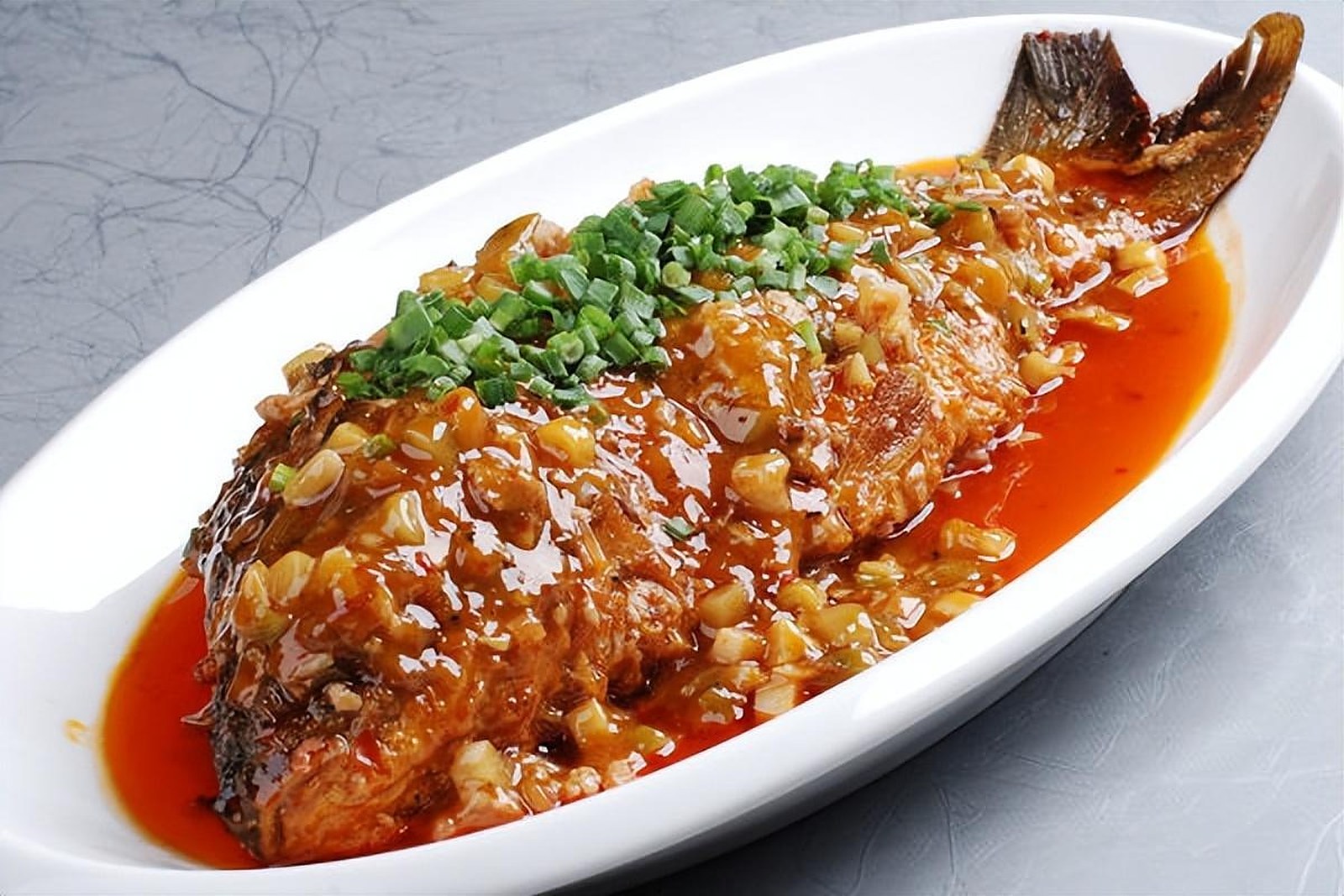
The braising is the farmhouse version. A whole carp scores deep to the bone, fries golden in the iron wok, then braises down with ginger, garlic, star anise and a heavy hand of local vinegar until the sauce climbs the fish like lacquer. The flesh stays whole and layered – chopsticks pull it off in ribbons – and the tail-to-head presentation on the long oval plate is non-negotiable in the village restaurants.
The soup is the other half of the doctrine. Milk-white carp-and-tofu simmer, cooked long from the same fish, is the dish mountain families feed new parents and recovering grandparents – the broth’s whiteness comes from the rolling boil, and no milk has ever entered a proper pot. Restaurants in the reservoir villages ladle it first thing, fish chunks and tofu in equal measure.
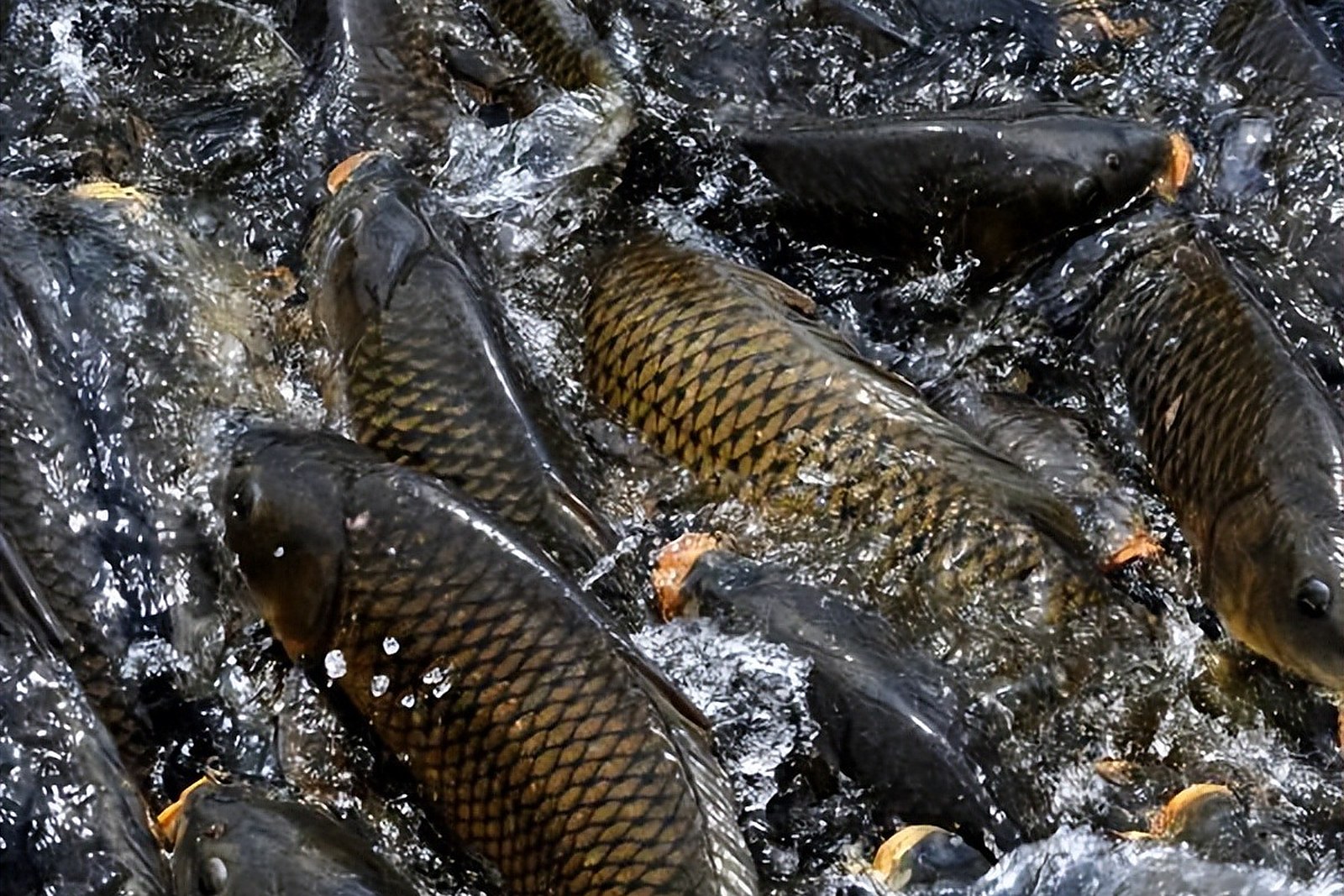
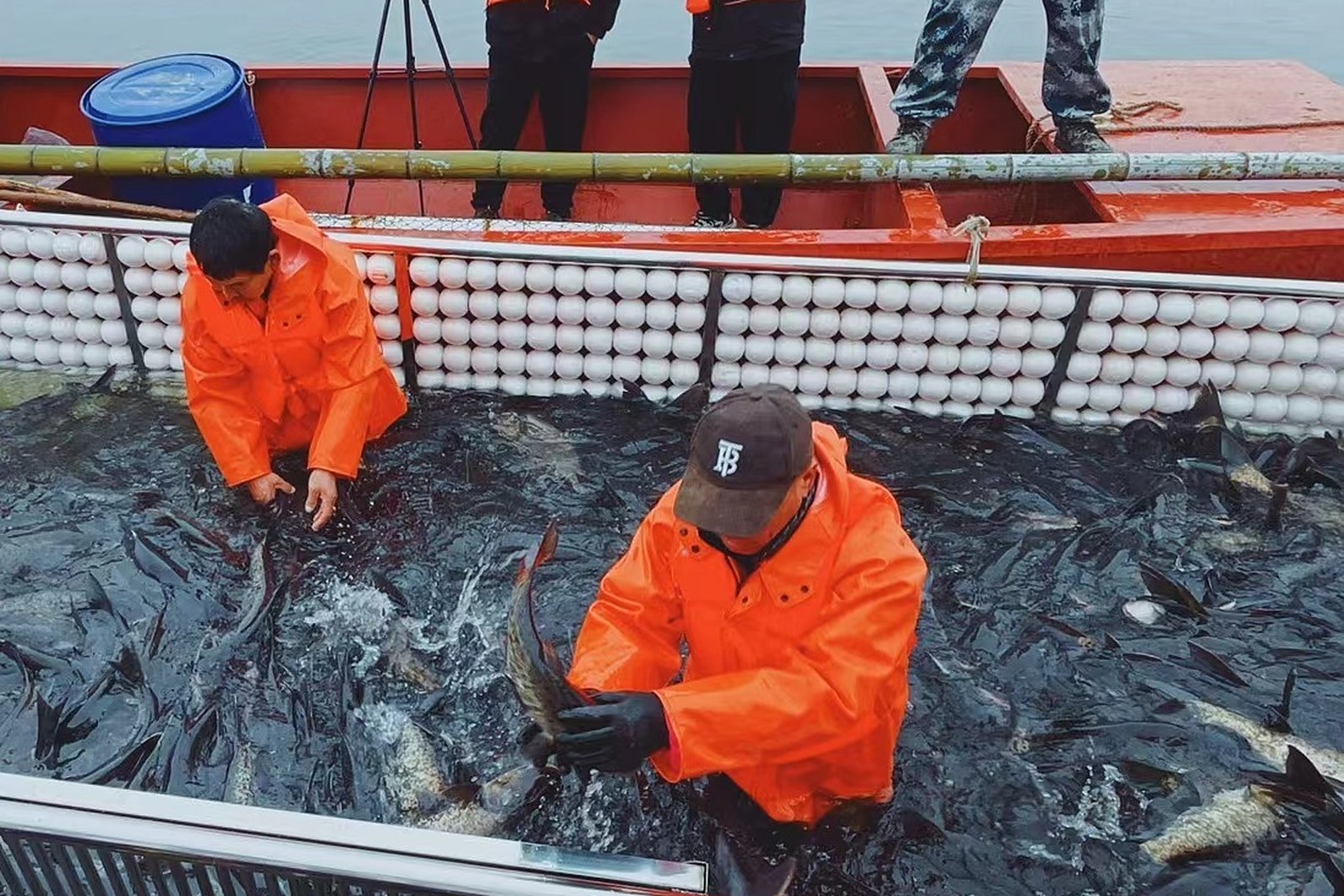
The fishery anchors the basin’s economy. Cage and pond farms around the reservoir fatten the carp on clean water, harvest crews net them by the dawn light, and the restaurants lining the lake road steam or braise the morning catch the same day. In autumn the fish fatten for winter and the basin’s kitchen calendar peaks – carp on every table, soup steam fogging the windows.
The same 天津市蓟州区 Tiānjīn Shì Jìzhōu Qū Jizhou District holds more flavors worth chasing: 贴饼子熬小鱼 Tiēbǐngzi áo xiǎoyú the iron-pot fish and cakes, 麻酱鸡蛋 májiàng jīdàn the sesame-cured eggs, 红花峪桑葚 Hónghuāyù sāngshèn the mulberry harvest, or 咯吱盒 Gēzhī hé the fried mung-bean rolls – four more doors into the same Jizhou table.
Words and Names
州河 Zhōuhé the Zhouhe, the basin’s river; 鲤鱼 lǐyú the carp; 红烧 hóngshāo the soy braise; 地理标志 dìlǐ biāozhì the geographical-indication listing; 奶汤 nǎitāng the milk-white soup, boiled not dairy.
What the Locals Know
Size cuts both ways: a two-kilo fish braises best, while anything over three kilos locals steer to the soup pot where long simmering does the tenderizing. Ask which day the catch landed – reservoir carp held two days in a tank loses the clean finish that justifies the drive. And the cheek meat, two small discs behind the jaw, goes to the eldest at the table; that custom outranks any menu. All checked November 2026.
flowcloud would say the reservoir carp is the basin’s ledger in fish form: cold clean water in, firm sweet flesh out, and a kitchen that never overcomplicates the exchange.
Where to find it: The restaurant rows along the reservoir road cook the morning’s net haul, and the basin farmhouse courtyards take the whole-fish order a day ahead for weekend tables. All checked November 2026.