
Zhouqiao Area Eats: Fahua Pagoda Lane Snacks, Sweet Rice Cake Windows and the Old-Town Eating Belt of Jiading District, Shanghai
州桥塔影汤圆暖,梅糕海棠各争甜。Zhōuqiáo tǎ yǐng tāngtuán nuǎn, méi gāo hǎitáng gè zhēng tián – Under the pagoda’s shadow at Zhouqiao the tangyuan steam warm; plum cakes and begonia cakes each contend in sweetness.
州桥老街小吃 Zhōuqiáo Lǎojiē xiǎochī Zhouqiao Old Street snacks is the snack and small-room trade of 州桥老街 Zhōuqiáo Lǎojiē Zhouqiao Old Street in 嘉定镇 Jiādìng Zhèn Jiading town, the district seat of 嘉定区 Jiādìng Qū Jiading District, Shanghai – the old-town core strung along the river around 法华塔 Fǎhuá Tǎ Fahua Pagoda, where the lanes cross the water at 登龙桥 Dēnglóng Qiáo Denglong Bridge and 济川桥 Jìchuān Qiáo Jichuan Bridge and fold back into the 嘉定城隍庙 Jiādìng Chénghuángmiào Jiading City God Temple commercial belt. The register is the old town’s own: 老街汤团 lǎojiē tāngtuán old-street tangyuan – fat rice-flour dumplings with sweet sesame or fresh-meat centres – ladled from the morning pots, 梅花糕 méihuā gāo plum-blossom cakes and 海棠糕 hǎitáng gāo begonia cakes baked in their moulds at the street windows, and the 本帮小馆 běnbāng xiǎoguǎn benbang small rooms threading the lanes behind the pagoda, cooking the 浓油赤酱 nóngyóu chìjiàng rich-oil dark-soy plates at the residents’ prices (worth confirming the details – which shop holds which lane frontage turns over as old towns do, and the specific doors are best confirmed on the street rather than recited). The clientele is the district seat itself: retirees on the morning loop, school-run families, weekend strollers from the pagoda grounds. The blunt definition: the old town that feeds Jiading between the bridges – the taste of Jiading eaten under the pagoda’s own shadow.
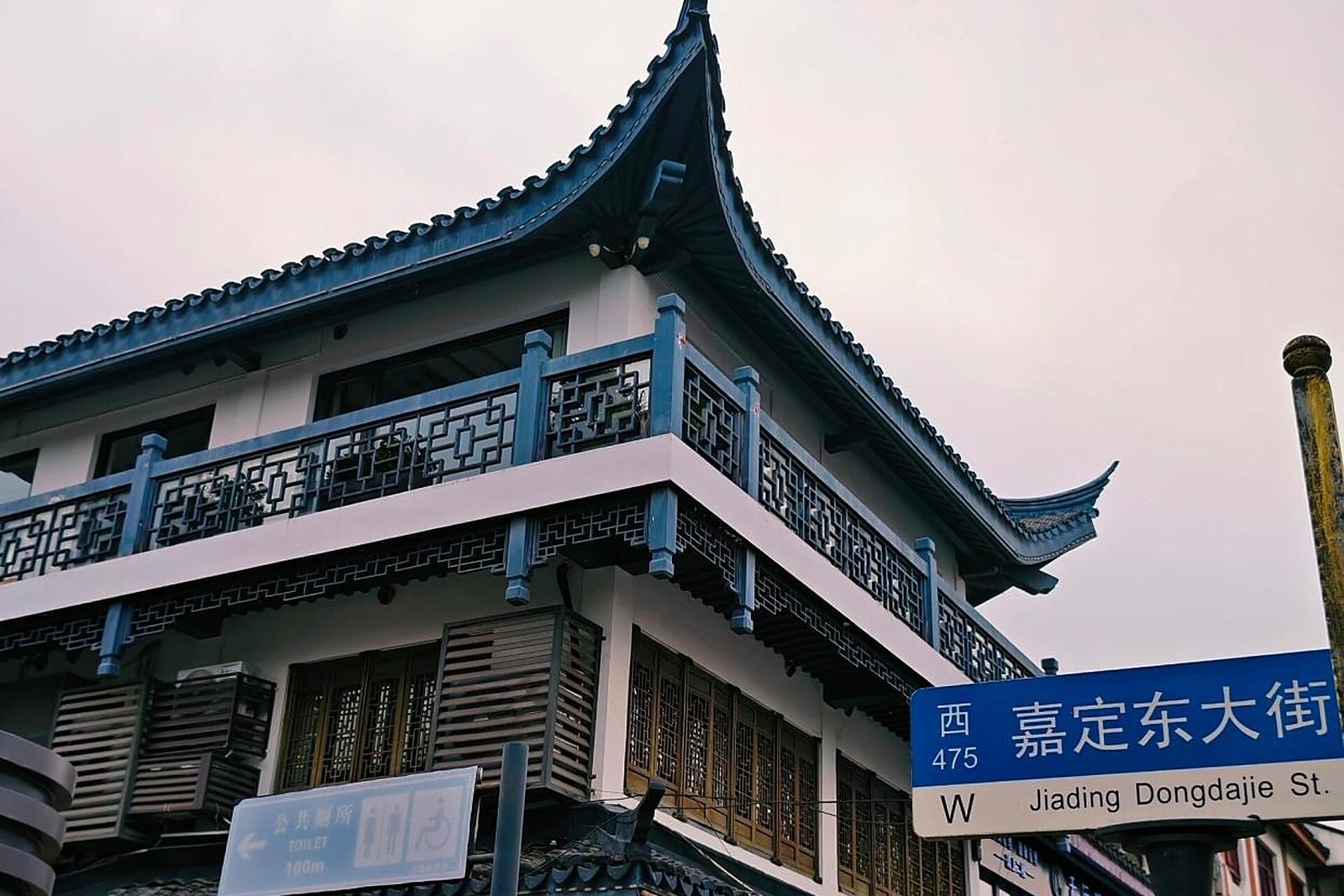
Call it honestly: old-town money on a strolling clock. Getting there is one door plus a connection: 地铁11号线 dìtiě shíyī hào xiàn Metro Line 11 to 嘉定北站 Jiādìng Běi zhàn Jiading North station brings you up the line’s northern reach, and the last stretch into the old town runs by bus or a short ride down toward the pagoda lanes (worth confirming the details for the connecting services and their frequencies, which follow the town’s commercial calendar more closely than the metro’s). A tangyuan bowl prices at street-snack money, a plum or begonia cake at pocket change, a table at a lane benbang room at casual-neighbourhood money – though exact figures are worth confirming the details on rather than quoting, the doors being small, family-run and priced for the neighbourhood before the visitors, the lane tables holding their resident rates through the stroller tide. The crowds run to the old town’s rhythm: weekend middays bring the strolling tide over the two bridges, weekday lunch sends the district-seat offices down the lanes, and a weekday mid-afternoon, when the cake moulds bake for the remaining regulars and the river runs quiet under the pagoda, is the eater’s own hour (worth confirming the details for individual shops’ hours, which follow the old-town trade rather than any posted sign).
The honest star is the lane-and-bridge geography, and the snacks are graded against it. What gets oversold is the “ancient water-town feast” framing: guides sell a preserved wonder of endless snack counters, and a first-timer may meet an ordinary district-seat old street of shopfronts, temple stalls and steaming windows – which is not the disappointment but the point. What repays the effort is grading the lanes the way the town does: a tangyuan room judged by whether the dumplings are folded that morning rather than fetched from a tray, a cake window judged by whether the moulds are filled to order and turned out hot, a benbang small room judged by whether the blocks behind the lane keep it full on weeknights. The test costs nothing: eat down the street in courses – a tangyuan bowl by the bridge, a hot cake at the next window – and take the counter with the retiree queue rather than the photograph queue (worth confirming the details – the counters migrate with the leases, and today’s plainest window may be next season’s remembered one).
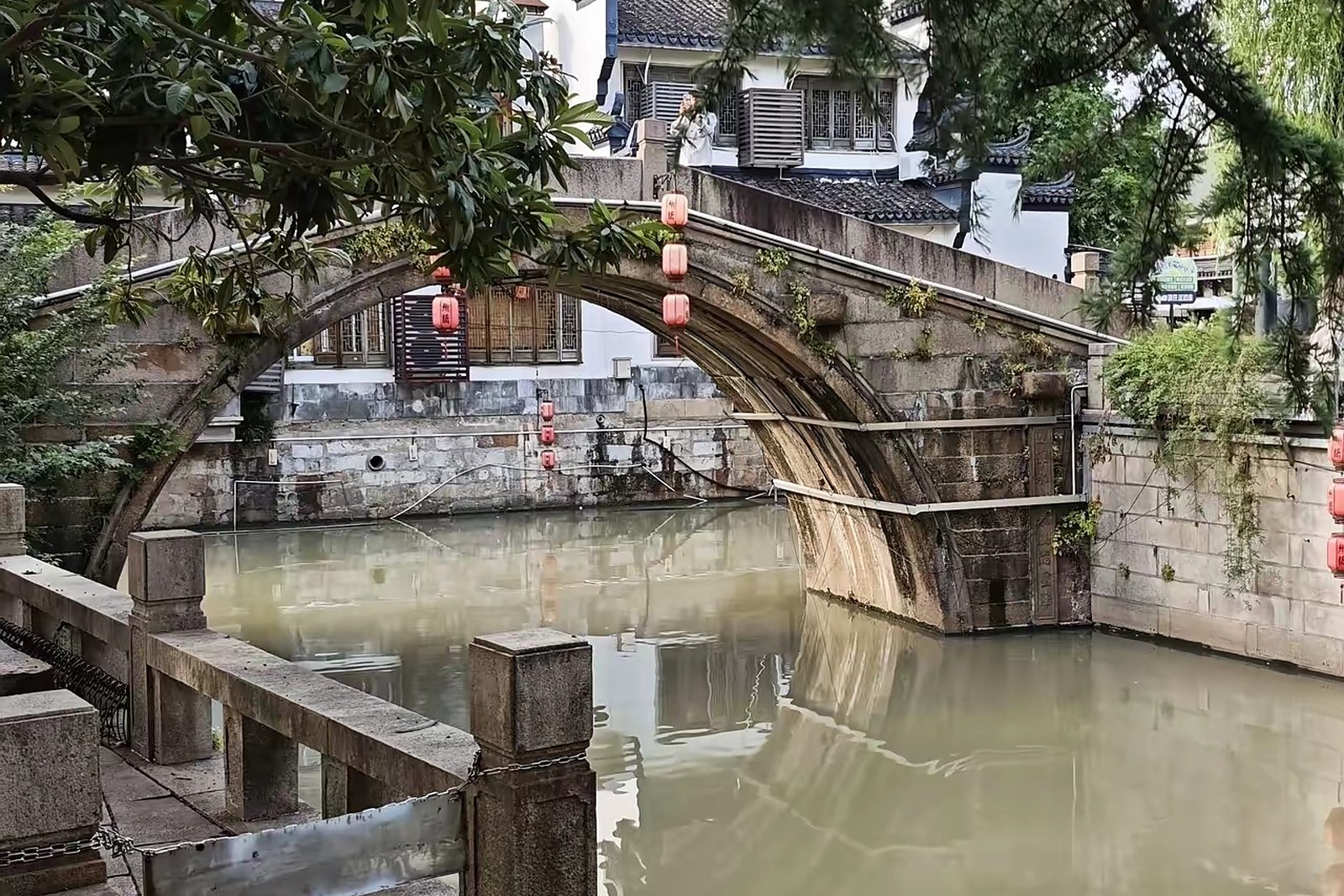
The old town’s deepest habit is the bridge-to-bridge circuit: retirees who cross 登龙桥 for the morning tangyuan, walk the river front past the pagoda, and cross 济川桥 home with a warm cake in hand – a loop the lanes have served since before the district grew towers. Time it right – a weekday morning, before the stroller tide – and the circuit explains the old town better than any guidebook page: the pagoda built the landmark, and the lanes built the appetite (worth confirming the details – which windows still bake the moulded cakes daily today, the sweet trade thinning where the leases turn).
The rest of this Jiading list keeps other tables: the origin-town steamers of 南翔小笼包 Nánxiáng xiǎolóngbāo Nanxiang xiaolongbao fog a Line 11 ride south, the farmhouse kitchens of 嘉定乡野土菜 Jiādìng xiāngyě tǔcài Jiading country cooking simmer in the northern countryside, the twin-clock tables of 安亭美食 Āntíng měishí Anting eats run the old street and the Auto City malls to the west, and the vineyard season tables of 马陆葡萄与周边美食 Mǎlù pútao yǔ zhōubiān měishí Malu grape area eats ripen down the line – one district, four more tables, all inside 嘉定区 Jiādìng Qū Jiading District; and when the old-town afternoon needs a bed nearby or a plan for the next district, the stay-and-street notes for the district pick up where the bridges leave off.
Words and Names
What the Locals Know
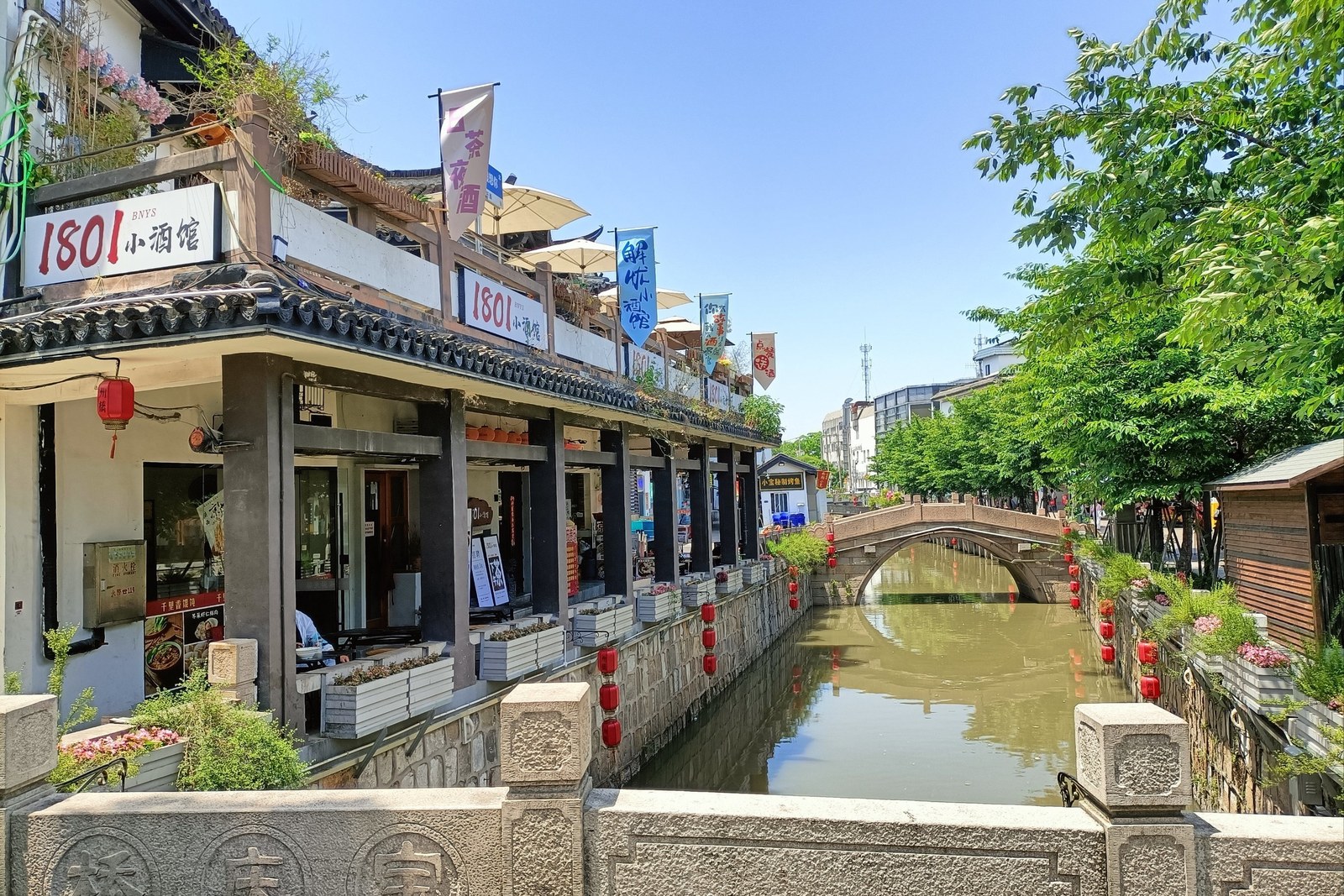
flowcloud would say that the 州桥老街小吃 Zhōuqiáo Lǎojiē xiǎochī is the pagoda-lane snack belt and the sweet rice cake windows of Jiading District, Shanghai – a 老街茶食 lǎojiē cháshí discipline where the 法华塔 Fǎhuá Tǎ Fahua Pagoda answers the tangyuan ladles and the cake-window steam between 登龙桥 Dēnglóng Qiáo Denglong Bridge and 济川桥 Jìchuān Qiáo Jichuan Bridge – and that the honest move is to snack your way across both bridges, split a paper tray of cakes with the retirees, and let the bridge circuit cast the vote, because the pagoda keeps the lane and the lane keeps the appetite. All checked October 2026.
Where to find it: 嘉定区 Jiādìng Qū Jiading District, Shanghai – the snack and small-room belt of 州桥老街 Zhōuqiáo Lǎojiē Zhouqiao Old Street through 嘉定镇 Jiādìng Zhèn Jiading town, strung around 法华塔 Fǎhuá Tǎ Fahua Pagoda between 登龙桥 Dēnglóng Qiáo Denglong Bridge and 济川桥 Jìchuān Qiáo Jichuan Bridge and backed by the 嘉定城隍庙 Jiādìng Chénghuángmiào City God Temple eating belt, reached from 嘉定北站 Jiādìng Běi zhàn on Metro Line 11 and the connecting buses into the old town, where the lanes keep the strolling clock – weekend middays the visitor tide over both bridges, weekday lunch the district-seat wave, weekday mid-afternoon the eater’s own (worth confirming the details – which tangyuan room and which cake window hold which frontage today, old-town doors turning over as old towns do); street-snack to casual-neighbourhood money, so call it worth confirming the details rather than a fixed number, and let the retirees’ bridge circuit cast the vote. Zhouqiao area eats is the Fahua Pagoda lane snacks, sweet rice cake windows and the old-town eating belt of Jiading District, Shanghai – the taste of 嘉定区 Jiādìng Qū Jiading District eaten under the pagoda between two bridges. All checked October 2026.