
The Silver Ribbon of the East China Sea: Zhoushan Hairtail
银带出网鲜满市,香煎一段满城香 Yíndài chū wǎng xiān mǎn shì, xiāng jiān yī duàn mǎn chéng xiāng – Silver ribbons fill the market as the nets come in; one pan-fried section perfumes the whole town
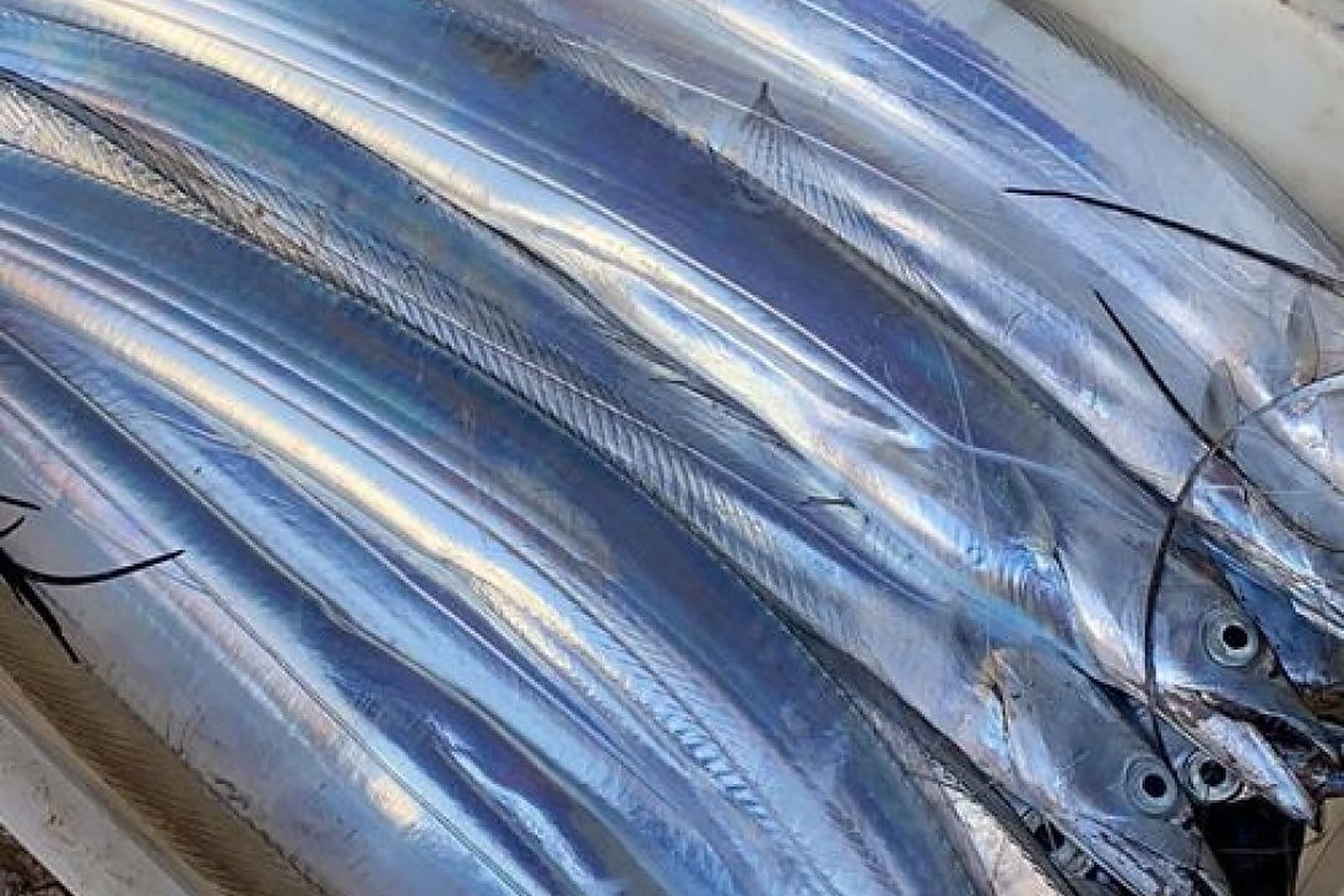
舟山带鱼 Zhōushān dàiyú Zhoushan hairtail is the silver ribbon fish that defines the archipelago’s kitchen – landed nightly by the Zhoushan fleet in volumes that make it the nation’s benchmark catch, and cooked within hours of coming off the boat. The fish is unmistakable: a meter of steel-bright ribbon, a single ribbon of bone, and flesh that carries the clean, fat sweetness of cold deep water. Other coasts land hairtail; Zhoushan’s cold-water fish is the one the markets label by origin, and the one locals refuse to substitute.
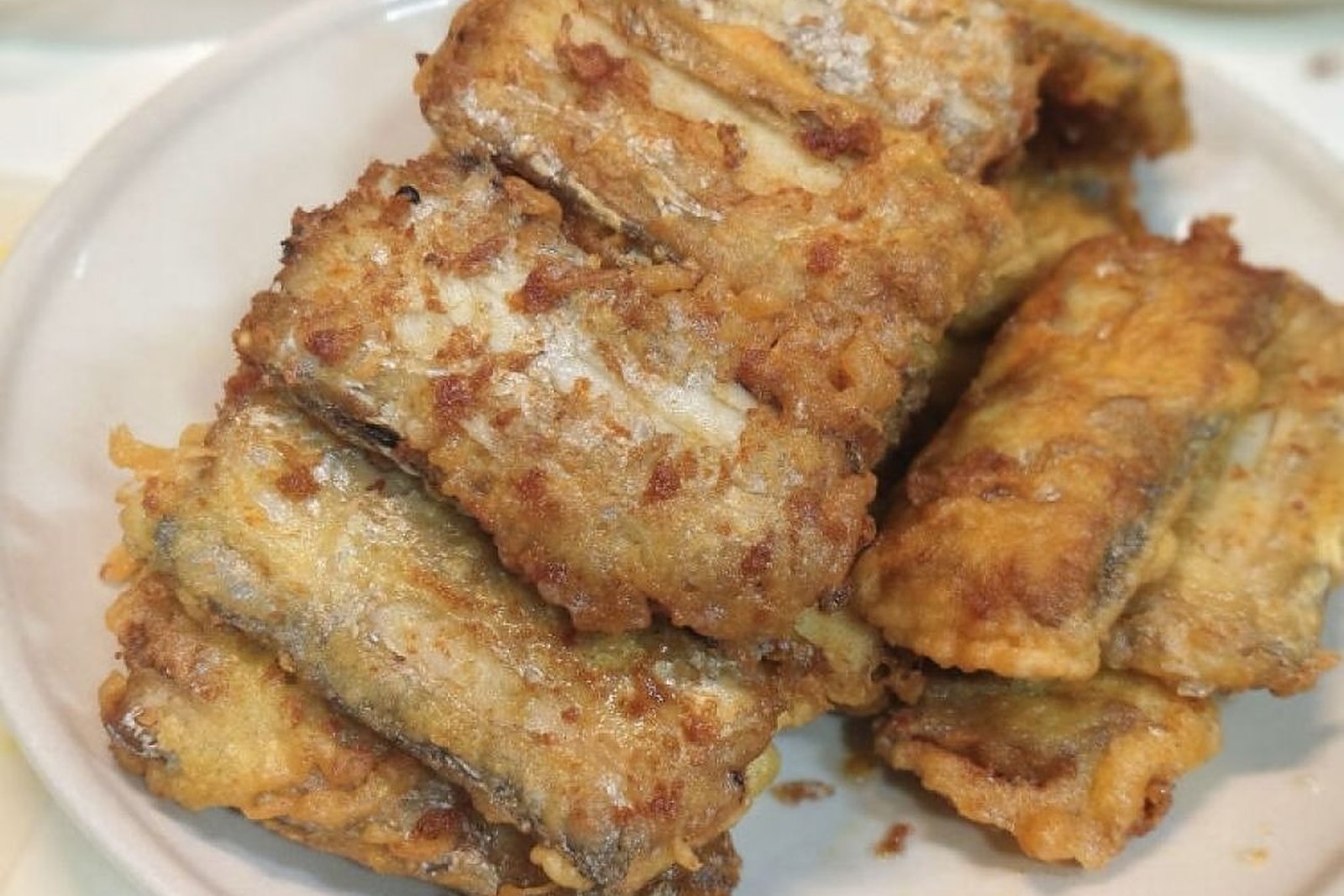
The classic treatments are few and exact. 香煎 xiāng jiān pan-fried hairtail – sections salted lightly, dusted, and seared until the skin crisps into a lacquer – is the home standard, the dish by which every Zhoushan grandmother is judged. 红烧 hóngshāo braised hairtail builds soy, sugar and a spoonful of the fish’s own stock into a glaze that clings to the ribbons. In winter, the wind-dried 风带鱼 fēng dàiyú hangs outside kitchen windows like silver laundry, steamed on the coldest days with nothing but ginger.
The market ritual is half the pleasure. Dawn auctions at 沈家门 Shěnjiāmén Shenjiamen and the island ports sort the night’s catch by boat and by fatness – locals read the fish like produce, pressing the flesh, checking the eye, arguing the boat’s name matters as much as the size. The best ribbons never leave the archipelago; the city’s counters keep the top grade and the national market takes the rest.
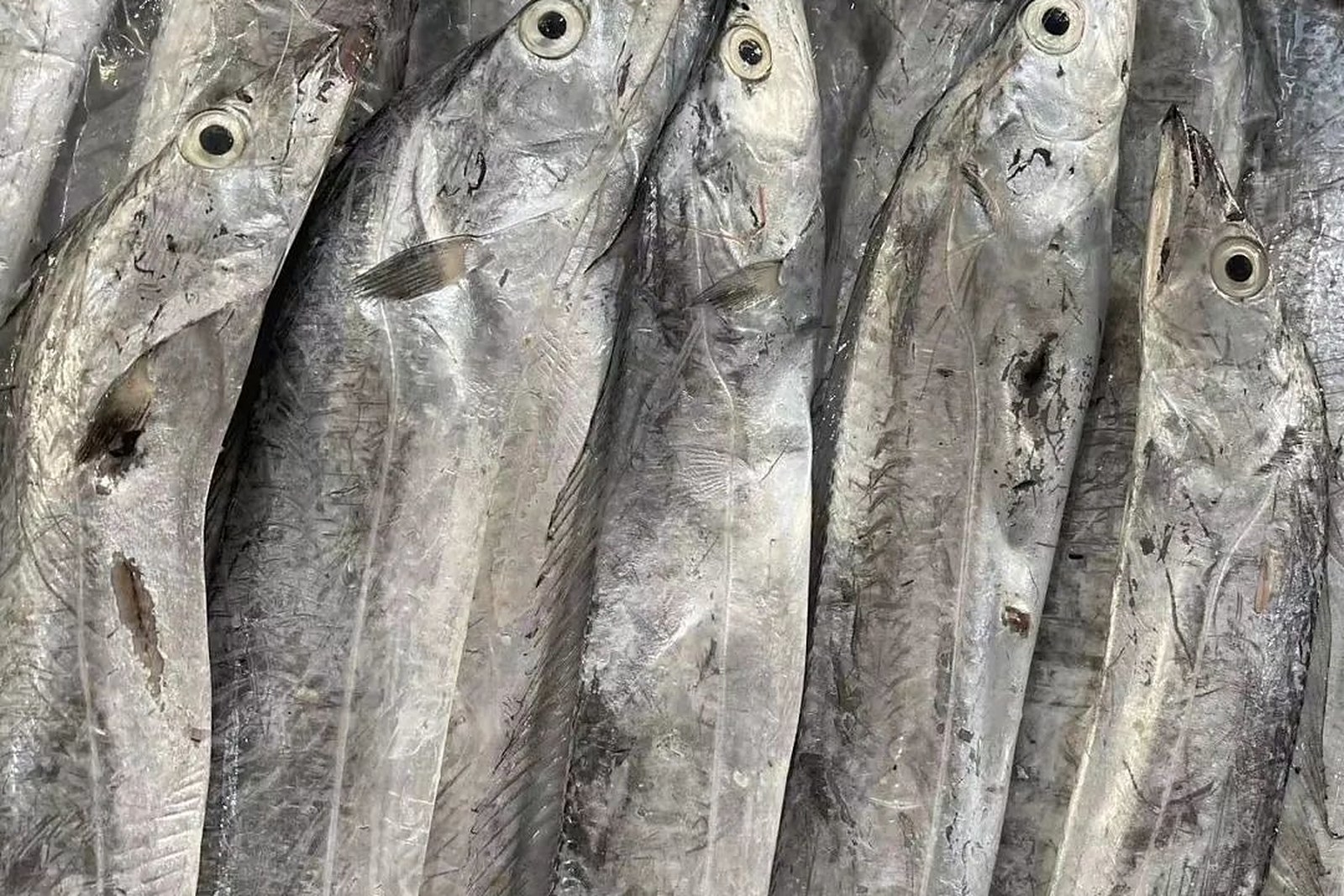
Eating hairtail here is a lesson in freshness math: the same fish that reaches inland supermarkets as a stiff frozen ribbon arrives at the Zhoushan table still stiff with cold, in the good way – seared the same morning, the flesh flakes into clean segments, sweet without a drop of added sugar. Rice porridge beside it, a pickle, tea after: breakfast at the fishing port, judged by the fish itself.
The same coast holds more flavors worth chasing: 梭子蟹 suōzixiè the autumn swimming crab, 大黄鱼 dàhuángyú the yellow croaker, 海鲜面 hǎixiān miàn the harbor noodle bowl, or 嵊泗贻贝 Shèngsì yíbèi the Shengsi mussels – four more doors into the same 舟山市 Zhōushān Shì Zhoushan City table.
Words and Names
舟山带鱼 Zhōushān dàiyú Zhoushan hairtail, the silver ribbon fish; 香煎带鱼 xiāng jiān dàiyú pan-fried hairtail, the home classic; 红烧带鱼 hóngshāo dàiyú soy-braised hairtail; 风带鱼 fēng dàiyú wind-dried hairtail; 沈家门 Shěnjiāmén Shenjiamen, the great fishing port.
What the Locals Know
Buy the cold-water ribbon, not the tropical import – the flesh should spring back when pressed and the eye should be glass-clear. Pan-fry without flipping early: the skin sets into its lacquer only when left alone. And eat it at breakfast once, with porridge, the way the port does – the fish is a different animal at seven in the morning.
flowcloud would say Zhoushan hairtail is the sea’s own silver warehousing: one night in the nets, one morning in the pan, and a ribbon of fish that has never needed a recipe book – only a hot wok and a short memory of the tide. All checked November 2026.
Where to find it: Every seafood street and canteen across 舟山市 Zhōushān Shì Zhoushan City cooks the day’s hairtail – pan-fried sections run a few tens of yuan a plate, the dawn market sells whole ribbons by weight, and the winter wind-dried version appears in market stalls from November. All checked November 2026.