
Zhuanghang Mutton: The White-Cut Mutton of the Fuyang Festival, Eaten at the Hottest Depth of the Dog Days with a Dish of Soy and a Cup of Sorghum Spirit, the Midsummer Mutton Tradition of Zhuanghang in Fengxian District, Shanghai
伏天灶上羊正白,一杯烧酒汗自来。Fútiān zào shàng yáng zhèng bái, yī bēi shāojiǔ hàn zì lái – In the dog days the mutton on the stove runs white; one cup of sorghum spirit brings the sweat on its own.
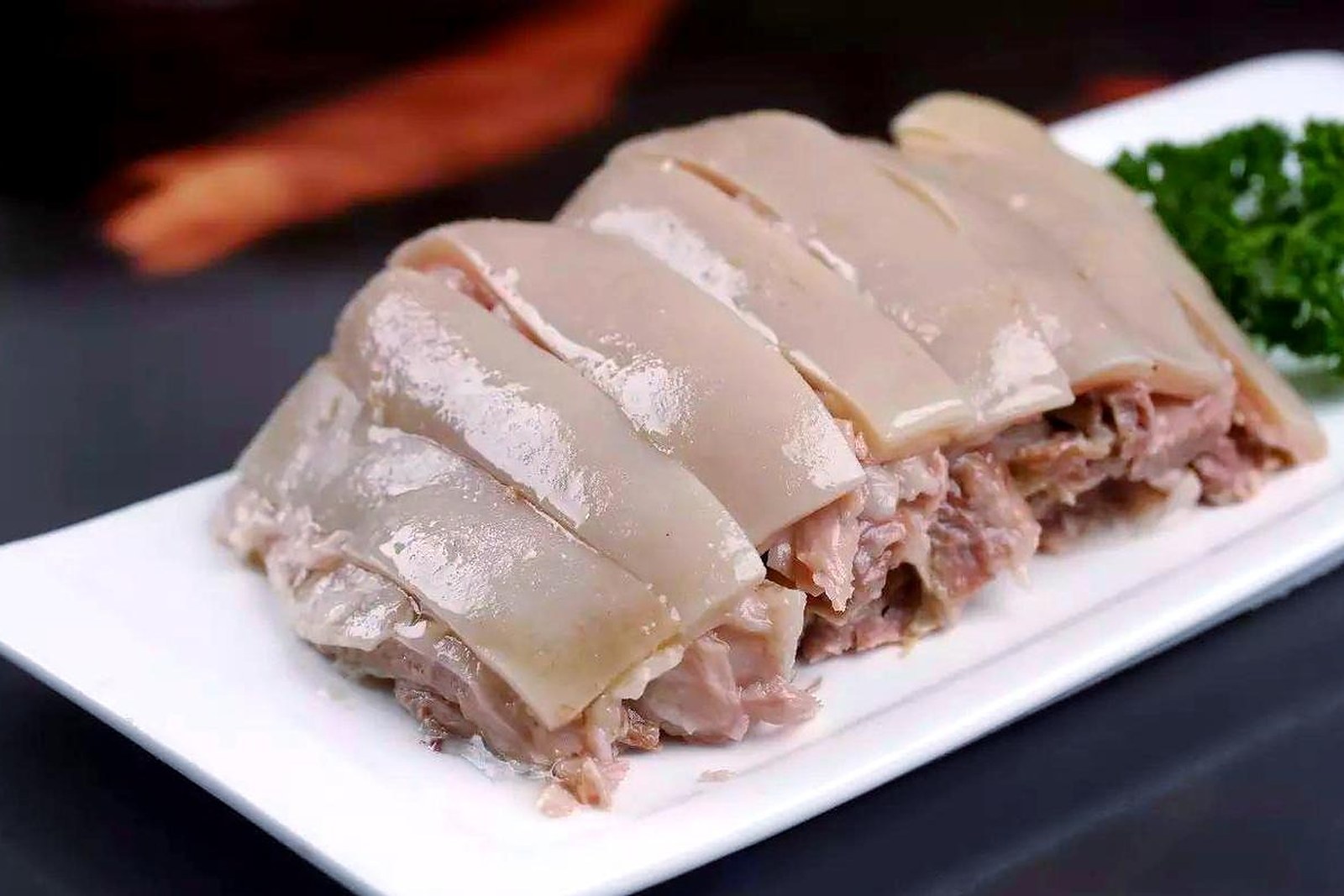
庄行羊肉 Zhuāngháng yángròu Zhuanghang mutton is the midsummer mutton trade of 庄行镇 Zhuāngháng Zhèn Zhuanghang town in 奉贤区 Fèngxián Qū Fengxian District, Shanghai – the far southwestern canal corner of the city where the town keeps Shanghai’s most counter-intuitive eating calendar: mutton at the height of summer. The tradition is the festival itself: 伏羊节 Fúyáng Jié the Fuyang Festival, running through 三伏天 sānfútiān the dog days, when the town’s mutton houses fill from breakfast onward and the order of the table is fixed by custom – 白切羊肉 báiqiē yángròu white-cut mutton, boiled plain with ginger and salt until the meat sets pale and clean-sliced, eaten dipped in 酱油 jiàngyóu soy and washed down with 烧酒 shāojiǔ sorghum spirit, the sweat that the heat and the meat call up together held by the countryside to be the body’s own reset. The register is the shophouse one: long tables under ceiling fans, cuts read off by the 羊肉馆 yángròuguǎn mutton-house keepers, a plate of sliced haunch with the skin on, a bowl of the boiling broth, a bottle of the spirit (worth confirming the details – which mutton houses run the festival tables and which boil year-round turns over as town trades do, and the specific doors are best confirmed in the town rather than recited). The clientele is the west-suburb’s own lunch trade plus the city’s festival pilgrims, who ride out through the dog days for a table. The blunt definition: the town that eats its richest meat at the hottest hour – the taste of Fengxian eaten one sweat-flecked, soy-dipped slice at a time.
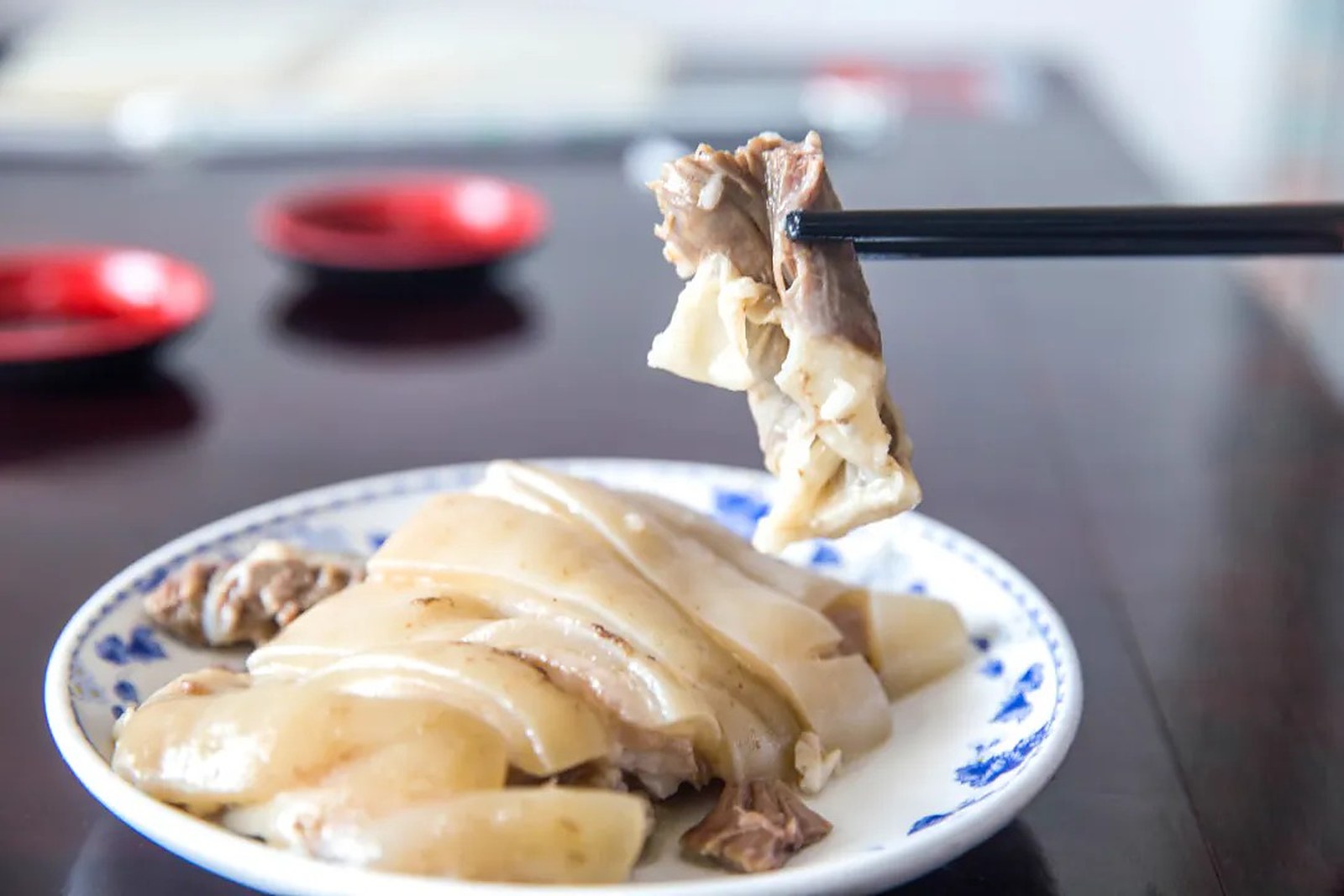
Call it honestly: shophouse-table money on a solar calendar. Getting there is one door: 庄行 Zhuāngháng Zhuanghang is reached by 地铁5号线 Dìtiě 5 hào xiàn Metro Line 5 to the southern reach of the line at 奉贤新城 Fèngxián Xīnchéng Fengxian New Town, then a bus or taxi west out of 南桥 Nánqiáo Nanqiao to the 庄行老街 Zhuāngháng Lǎojiē Zhuanghang Old Street mutton belt, half an hour or so from the town centre (worth confirming the details for the country bus frequency, which thins after dusk and outside the festival weeks). One plate of white-cut mutton at the shophouse tables prices at casual-neighbourhood money, a mutton-house spread for a group – the sliced cuts, the broth, the spirit – at occasion-within-reason money, a festival table during the 伏羊节 Fúyáng Jié weeks at celebration-within-reason money – though exact figures are worth confirming the details on rather than quoting, the houses being family-sized and repriced by the festival tide. The crowds run to the calendar: the dog days of July and August stack the tables and the best cuts sell thin by mid-morning, shoulder weeks hand the town back to its own, and a weekday early morning, when the first pot has just come off the fire and the regulars hold the corner tables, is the eater’s own hour (worth confirming the details for individual houses’ hours, which follow the boiling pots more than any posted sign).
The honest star is the cut itself, graded plate by plate. What gets oversold is the “winter tonic inverted” framing: guides sell a curious stunt where summer mutton is a novelty to be survived, and a first-timer may meet an ordinary country shophouse of boiling pots, ceiling fans and soy dishes – which is not the disappointment but the point. What repays the effort is grading the mutton the way the town does: a slice judged by whether it parts clean against the grain without shredding, the skin judged by whether it carries a bounce rather than a glue, the pot judged by whether the broth needed anything beyond ginger and salt. The test costs nothing: eat the first slice with soy only, no garlic and no chili, and watch whether the meat tastes of itself; then take the table where the town’s own regulars hold their corners rather than where the festival banners fly – a trade that has boiled the same pot through the dog days for generations grades its fire daily, and the locals’ breakfast queue is the certificate (worth confirming the details – the mutton houses migrate with the leases and the festival permits, and today’s plainest shophouse may be next season’s remembered one).
The town’s deepest habit is the 三伏 sānfú arithmetic itself: the festival opens with the first fu and closes with the last, the tables thickening as the heat peaks and thinning again by late August – a calendar the mutton houses staff around and the west-suburb’s drivers read without a signboard. Time it right – a weekday early morning in the dog days, the pot fresh – and the plate explains the town better than any plaque: the canal country raised the sheep, and the heat keeps the custom (worth confirming the details – which houses still boil through the off-season months today, the trade thickening to the festival weeks and thinning to the winter stoves between).
The rest of this Fengxian list keeps other tables: the stove-head banquet of 庄行老八样 Zhuāngháng lǎobāyàng Zhuanghang laobayang fills this same town’s dining rooms, the geography-indication peaches of 奉贤黄桃 Fèngxián huángtáo Fengxian huangtao ripen through the orchards of 青村 Qīngcūn Qingcun in July, the century-old sauce garden of 鼎丰乳腐 Dǐngfēng rǔfǔ Dingfeng rufu ferments its cubes in 南桥 Nánqiáo Nanqiao, and the caramel-scented moulds of 海棠糕 hǎitánggāo Haitang cake turn over the coals on the old streets – one district, four more tables, all inside 奉贤区 Fèngxián Qū Fengxian District; and when the mutton lunch needs a canal-side bed or a broader route, the stay-and-street notes for 庄行 Zhuāngháng Zhuanghang pick up where the slices leave off.
Words and Names
What the Locals Know
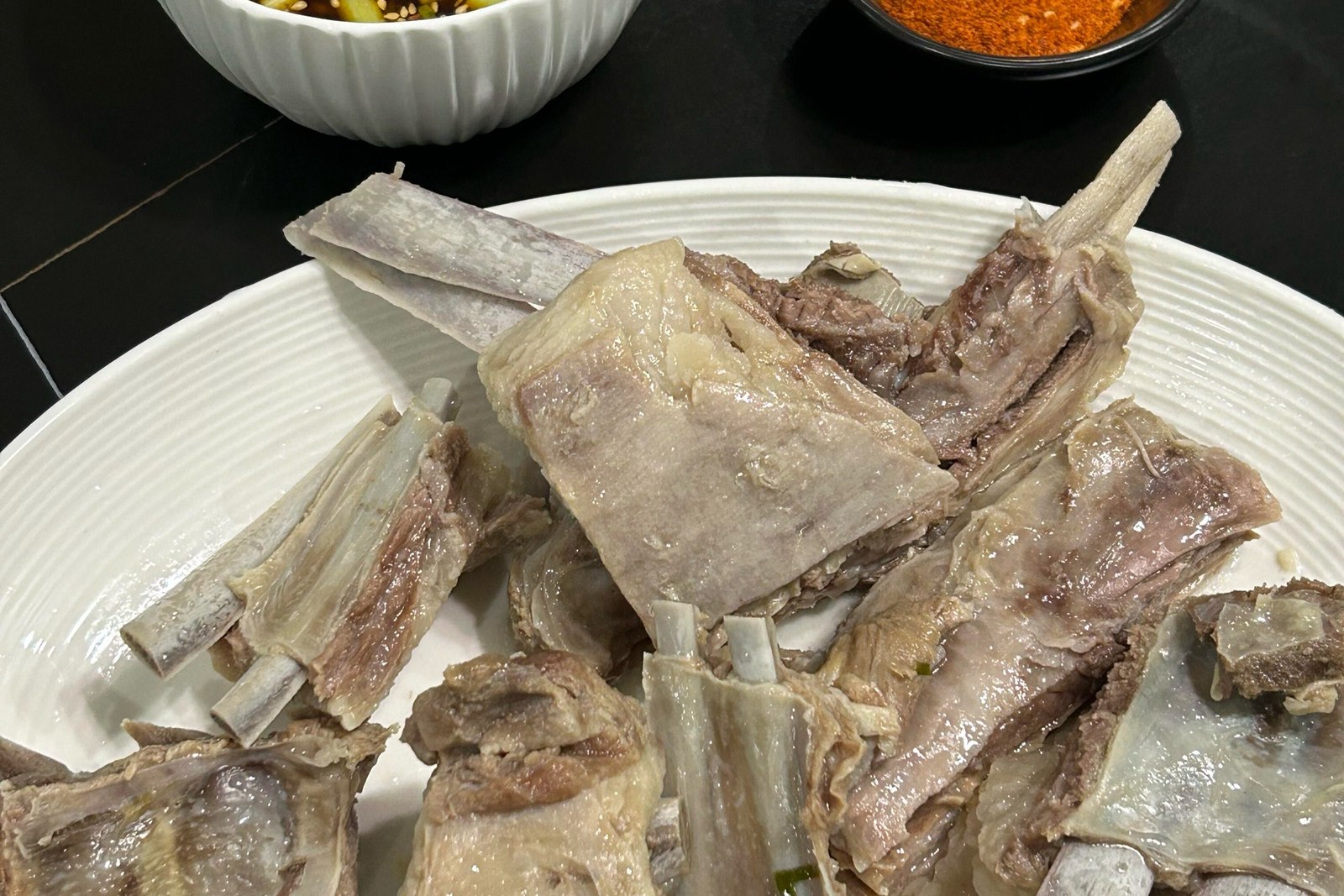
flowcloud would say that the 庄行羊肉 Zhuāngháng yángròu is the dog-days mutton and the solar-calendar eating of Zhuanghang town, Fengxian District, Shanghai – a 白切 báiqiè white-cut discipline where the 酱油 jiàngyóu soy dishes and the 烧酒 shāojiǔ sorghum spirit answer the 伏羊节 Fúyáng Jié Fuyang Festival tables of the 三伏天 sānfútiān dog days – and that the honest move is to eat the first slice with soy only, watch whether the meat tastes of itself, and let the locals’ breakfast queue cast the vote, because the canal country raised the sheep and the heat keeps the custom. All checked October 2026.
Where to find it: 奉贤区 Fèngxián Qū Fengxian District, Shanghai – the shophouse mutton belt of 庄行羊肉 Zhuāngháng yángròu along 庄行老街 Zhuāngháng Lǎojiē Zhuanghang Old Street in 庄行镇 Zhuāngháng Zhèn Zhuanghang town, where the 伏羊节 Fúyáng Jié Fuyang Festival keeps the 白切羊肉 báiqiē yángròu white-cut register through the 三伏天 sānfútiān dog days and the 酱油 jiàngyóu soy and 烧酒 shāojiǔ sorghum-spirit test, reached by 地铁5号线 Dìtiě 5 hào xiàn Metro Line 5 to 奉贤新城 Fèngxián Xīnchéng Fengxian New Town and the bus or taxi west out of 南桥 Nánqiáo Nanqiao (worth confirming the details for the country bus frequency and which mutton house holds which frontage today, town doors turning over as town trades do), where the trade keeps the solar clock – July and August the stacked tables, shoulder weeks the residents’ loop, weekday early morning the eater’s own; casual-neighbourhood to celebration-within-reason money by the table, so call it worth confirming the details rather than a fixed number, and let the locals’ breakfast queue cast the vote. Zhuanghang mutton is the white-cut mutton of the Fuyang Festival, eaten at the hottest depth of the dog days with a dish of soy and a cup of sorghum spirit – the taste of 奉贤区 Fèngxián Qū Fengxian District eaten one sweat-flecked, soy-dipped slice at a time. All checked October 2026.