
珠梅土鸡 zhū méi tǔ jī is a chicken, and in 涟源市 Lián yuán shì, a county-level city in 娄底市 Lóu dǐ shì, it is sold the way a pig is sold in most places: whole, by the bird, at a size and an age agreed in advance. 珠梅 Zhū méi is the place it comes from, a village and a stretch of river flats in 龙塘镇 Lóng táng zhèn in the north of the city – 珠梅 was once a small township of its own, and the name has stuck both to the bird and to the row of restaurants that sells it. 土鸡 tǔ jī means a native or farmyard chicken, and in this part of 湖南 Hú nán it is a category with rules attached rather than a compliment. The rule that matters is time: the bird goes to the pot at thirty-six weeks old or more, which is four or five times as long as a factory chicken takes to reach the same weight. The dish made from it is 鲜辣甘香 xiān là gān xiāng, fresh and hot and sweet and fragrant at once, and it is one of the half-dozen dishes that Hunan cooks working outside the province say they cannot reproduce.
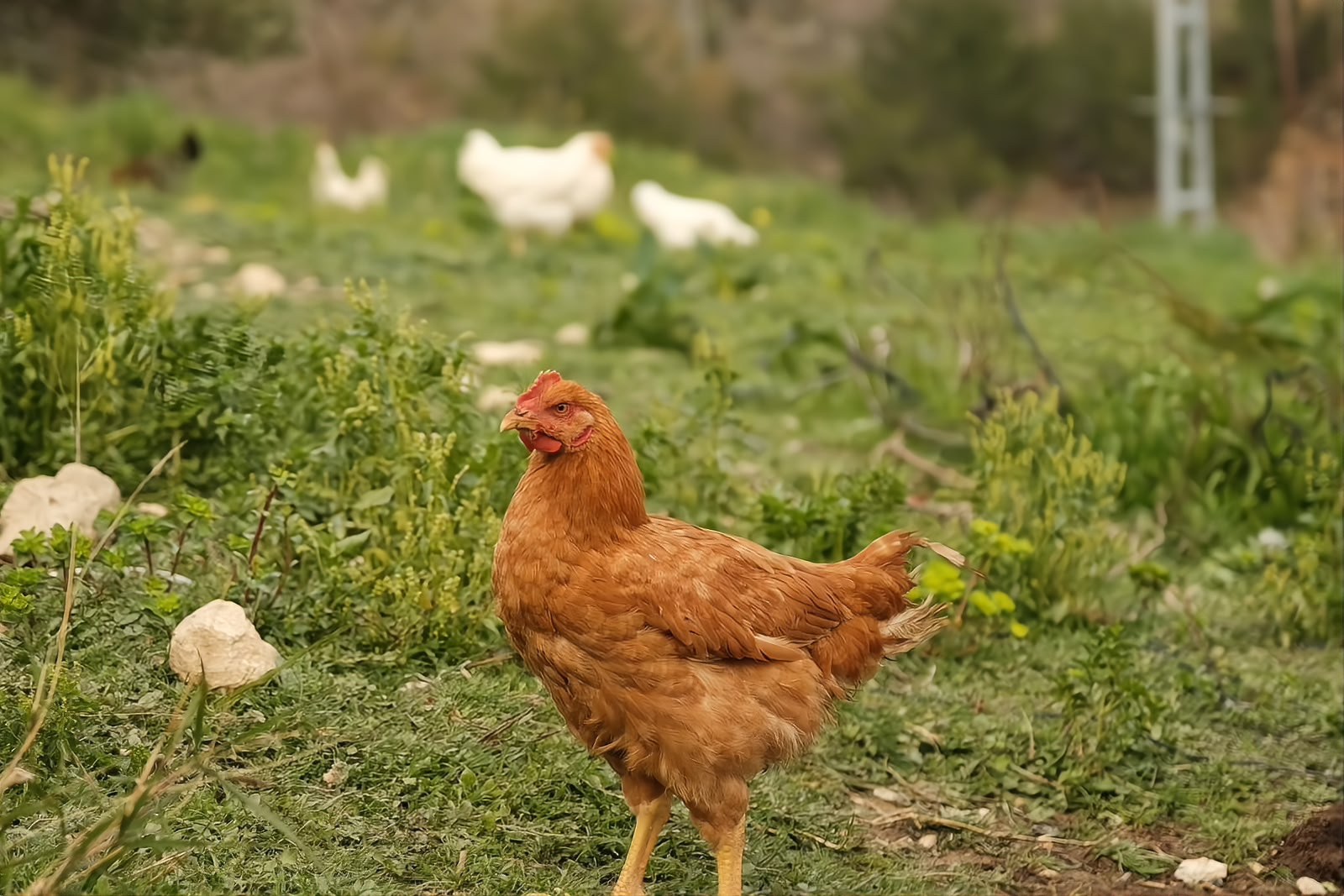
The bird is where the argument starts, and the county is not entirely of one mind about what it is. The trade’s own account, repeated in the city’s tourism material, says the chicken is the local 三黄鸡 sān huáng jī, the three-yellow bird of the region, and describes the life it leads: out in the woods and fields all day eating weeds, insects and ants, given grain and coarse corn only when it comes in at dusk, with no compound feed and no growth promoters, and bright-feathered and hard-muscled by the time it is eaten. The city’s own standard for the breed, DB4313/T 0003-2023, the technical code for raising 珠梅土鸡 under trees, defines it rather differently: a cross between the local black 涟邵黑鸡 Lián shào hēi jī and the 澳洲黑鸡 Ào zhōu hēi jī, the Australian Black, with dense glossy black plumage, a small head, a red single comb, thin legs and a compact body, which reaches market at thirty-six weeks or more and finishes at about 1.75 to 2 kilograms. Both descriptions are of the same regime, which is slow, outdoors and fed on what the ground offers. The standard also sets out the keeping of it, and that part is surprisingly strict: the flock must run under trees with the canopy thinned to about sixty per cent cover, at least half a kilometre from any main road or village, and with no source of pollution within three kilometres, which is a description of a hillside rather than of a farm.
The cooking itself is short and loud. A whole bird is chopped into large pieces, and the giblets, the intestines and the blood are kept and go into the pot with it; 五花肉 wǔ huā ròu, pork belly, is cut into palm-sized slices, seven or eight slices to a bird, and fried first until the lean is yellow and the fat has run out. The chicken goes in on top of that fat, takes a splash of cooking wine, and is stirred until the water it gives off has gone. Then thin ginger and a single small ladle of water, green and red chilli, salt, and a lid, and it is braised hard until the liquid has almost all gone and what is left is a coat rather than a sauce. The chilli is 涟源本地朝天尖辣椒 Cháo tiān jiān là jiāo, the local upward-pointing hot chilli, small, thin-skinned and considerably hotter than its size suggests. What comes out has 鸡皮纯黄, skin a clear yellow, and a stickiness the county describes with the word 糯 nuò, the texture rice has when it is right: the meat separates but holds, and the taste is sweet before it is hot. The intestines come out soft and coated in chilli oil, and the blood, cut into small pieces, has the broth pulled into its pores and is the part regulars go for first.
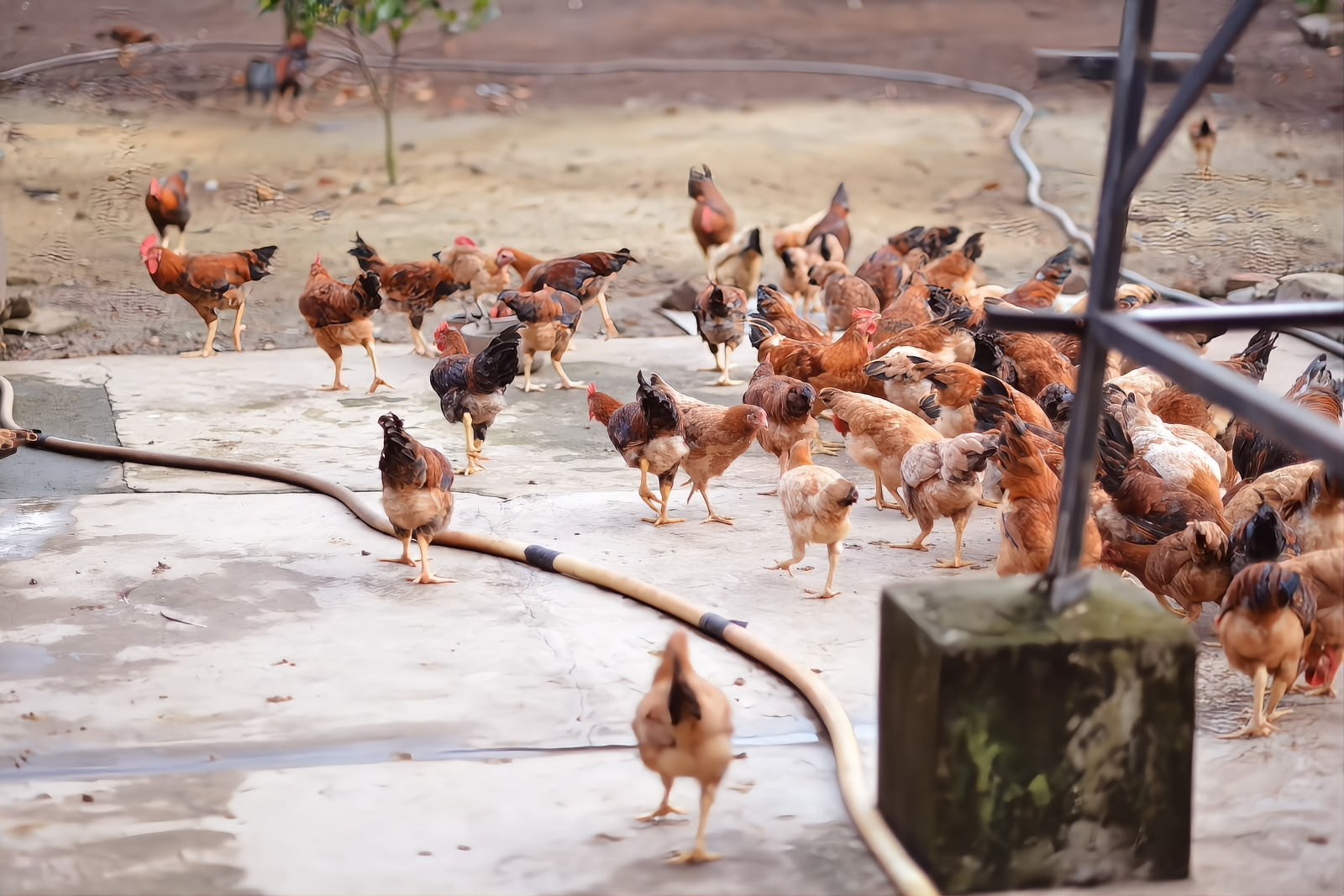
The dish turned a stretch of the 龙塘镇 river flats into a destination. On a summer Sunday the row of 珠梅土鸡 restaurants out along the flats is full, the car park fills with cars from 长沙, 娄底 and 邵阳, and the bookings are for private rooms rather than tables, because the dish is eaten by a group around one pot with the rice brought separately. The name has been listed among the hundred most influential brands in 娄底 and carries a 湖南省著名商标, a provincial well-known-trademark certificate, which for a chicken sold out of a farmhouse kitchen is a considerable distance travelled. The economics stand on the fixed bird. The rearing rule is that the animal goes to market under a year old and under three kilos, and by the city’s standard between about 1.75 and 2 kilograms, so the customer is buying a chicken of a known size and age rather than a quantity of meat; the decision at the table is how many birds and whether the blood and giblets are wanted in the pot, and the villagers who raise them sell live stock to anyone who asks.
Words and Names
土鸡 tǔ jī is a native, free-range chicken, and 珠梅土鸡 is one named for its place; 珠梅 Zhū méi is the village and the river flats in 龙塘镇 Lóng táng zhèn, once a township of its own. 三黄鸡 sān huáng jī, three-yellow chicken, is the local type the trade names, and 涟邵黑鸡 Lián shào hēi jī and 澳洲黑鸡 Ào zhōu hēi jī, the local black bird and the Australian Black, are the two breeds the city’s rearing standard gives as its parentage. 林下养殖 lín xià yǎng zhí, raising birds under trees, is the official name for the method; 五花肉 wǔ huā ròu is the pork belly that goes into the pot; 朝天尖辣椒 cháo tiān jiān là jiāo is the local hot chilli; and 鸡杂 jī zá, the giblets, is not an optional extra here but part of the dish.
What the Locals Know
Judge a real one by the leg before you judge it by the taste. A thirty-six-week bird has a thin, hard, scaly shank, a tight yellow skin rather than a pale slack one, and almost no fat laid down under it, because a free-range chicken builds muscle and puts what fat it has around the organs. Ask how the bird was kept rather than how big it is; the restaurants that raise their own will tell you the age, and the ones that do not will change the subject. The pot is ordered by the bird, so decide how many people are eating and take the kitchen’s advice, since one bird feeds three or four, and the blood and giblets are worth asking for by name if you want them, which the village restaurants will include without being asked and the town ones may not. The broth is deliberately reduced to a coating rather than a sauce, so do not expect soup, and the dish is at its best in the cool months, when the chillies are in and the birds have finished growing. In the village restaurants it is a meal for a table and not a quick lunch: it is cooked to order and takes the better part of an hour.
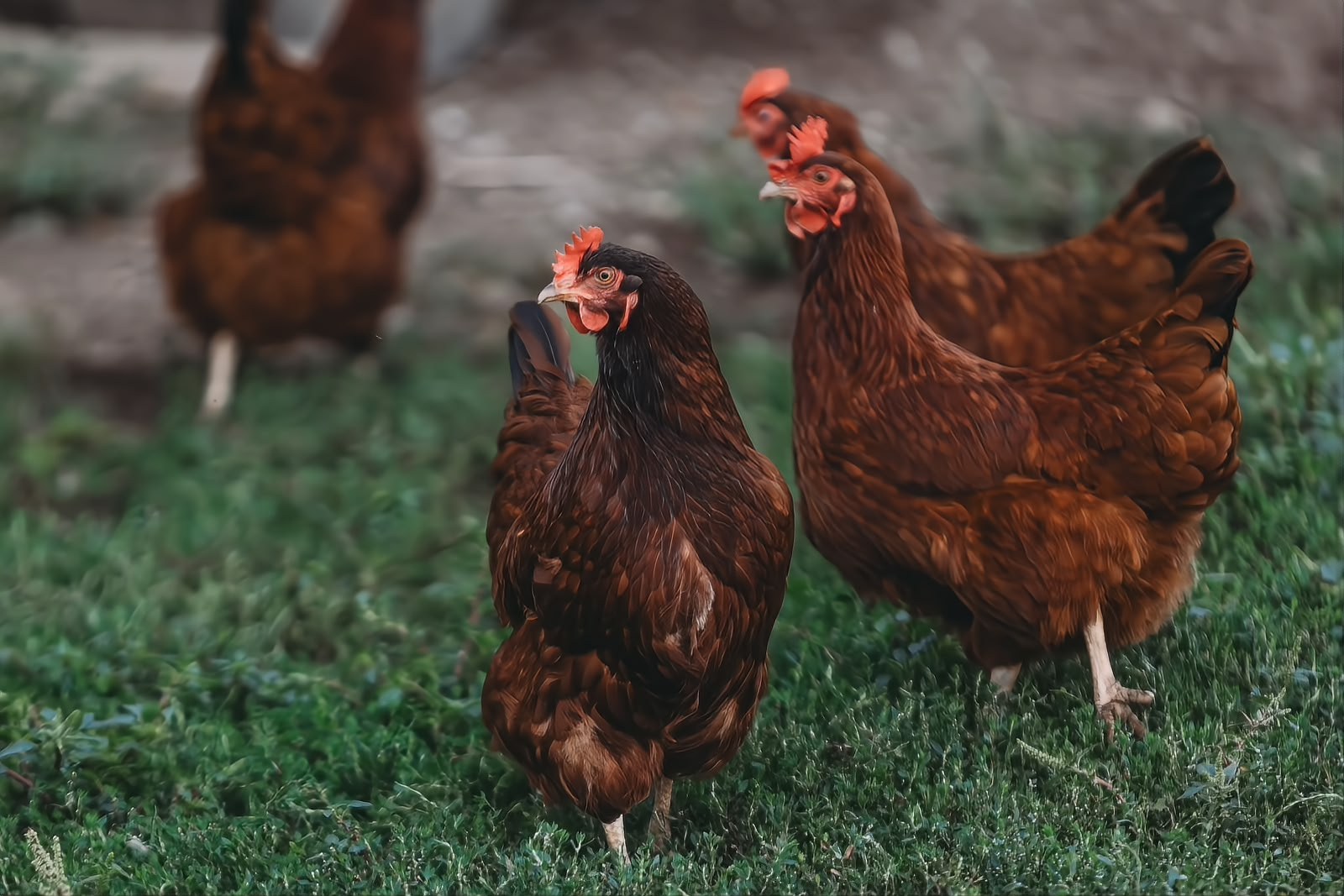
flowcloud would say that the most expensive chicken in the county is also its slowest, and that the entire premium rests on the one ingredient industrial poultry can never sell, which is the animal’s own time.
Where to find it: the village restaurants along the 珠梅 flats in 龙塘镇, in the north of 涟源市 Lián yuán shì, and the 土鸡 kitchens of the city itself and of 娄底市; 涟源 is in the north-west of the prefecture, reached from 娄底 by road in about an hour, and the chicken is also served in 长沙, where several restaurants list 珠梅土鸡 by name and price it per bird rather than per portion. The village restaurants run along the fields and need a car, since they are not on a bus route. If you want the bird rather than the dish, the villages around 龙塘镇 sell stock directly and the market in 涟源 will joint and pack one for you, but the point of coming out here is to eat it in the room it was cooked in, with the rice and the chilli oil and nothing else.