
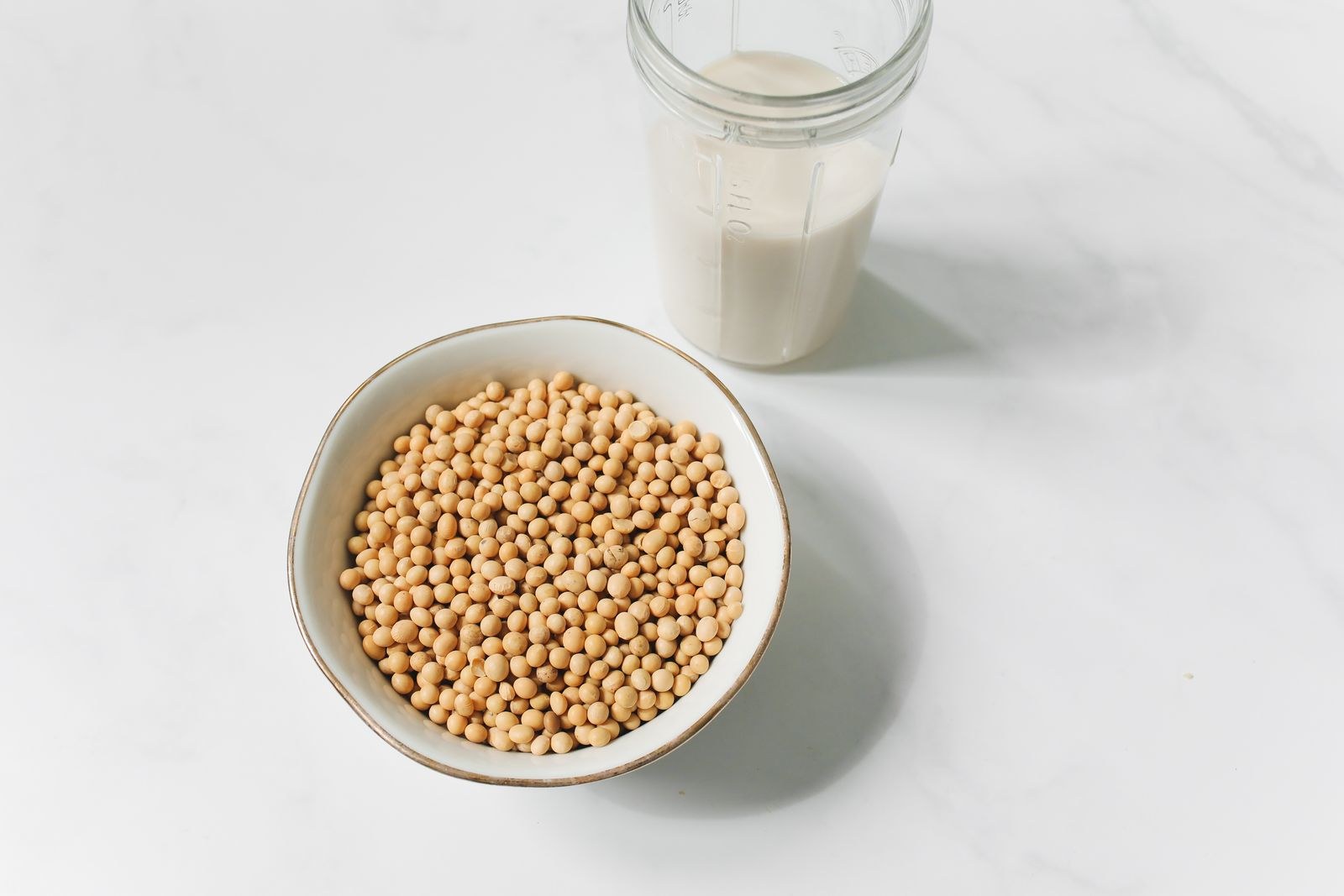
朱沱豆花 Zhūtuò dòuhuā, Zhutu beancurd, is the bowl the river town is known for above all else: a silken curd so tender it trembles when the clay pot is lifted, fresh soybeans soaked overnight, ground in the morning and boiled into milk, then coagulated with a measured dose of gypsum water. The curd is scraped gently into individual bowls and served piping hot, each diner stirring in their own condiments from the table – a spoonful of chili oil, a dash of soy sauce, chopped scallion, sometimes a pinch of sesame paste. The best shops in Zhutu grind their own beans each day and serve the curd within an hour of coagulation, because the texture is the whole point and an hour is about as long as the wobble survives. This is the breakfast page of the Yongchuan food column.
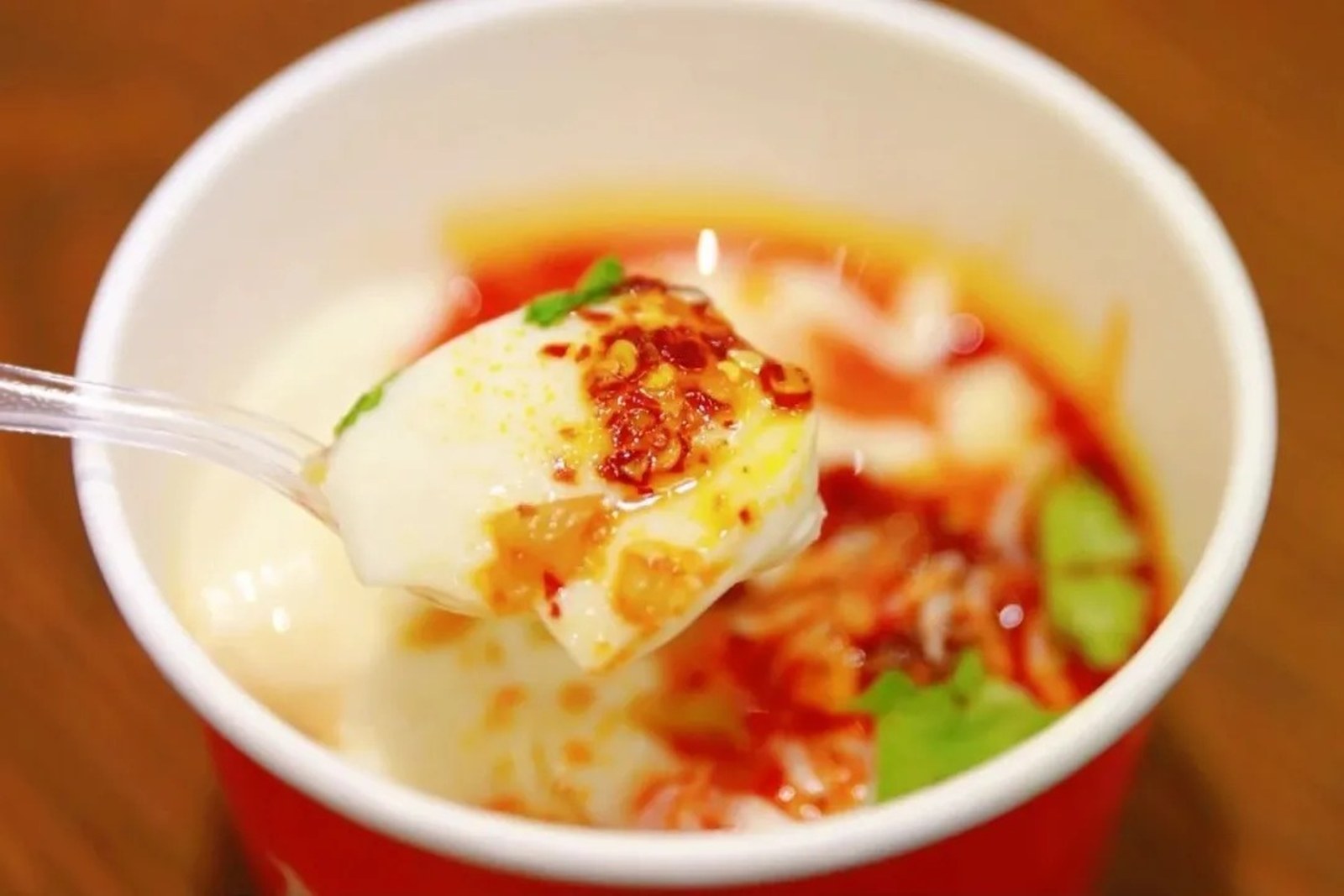
The freshness is the craft. The soybeans are soaked the night before so the grind releases a clean milk rather than a bitter one, then ground at first light and boiled before the day turns warm, because soy milk sours fast and the morning is the only window the old makers trust. The gypsum water is added by measure, a thin stream into the hot milk, and the curd is left to set undisturbed – rush it and the texture turns grainy, wait too long and it tightens past silken – so the scrape into the bowl has to land in the narrow minute where the curd holds its tremble. A bowl that quivers when the pot lifts is the proof the shop ground its own beans that morning and did not let the clock run past it.
The condiments are the diner’s own hand. The curd arrives plain and hot, a pale trembling mass, and the table sets out the chili oil, the soy, the scallion and sometimes the sesame paste for each person to build their bowl; the oil carries the heat, the soy the salt, the scallion the green bite and the sesame the roundness, and the balance is nobody’s recipe but yours. The regulars’ bowl runs heavy on chili oil with a lean of scallion, the breakfast version taken with a steamed bun so the bun soaks the last of the broth, and the point of the format is exactly this – the curd is a canvas the town seasons at the table rather than in the kitchen. It is eaten at every meal, but especially at breakfast, where the bowl with the bun is the day’s opening ritual.
What the record supports and what it does not is worth stating plainly, because a river-town breakfast with a grinding tradition behind it is exactly the kind of subject that collects invented detail. The record consulted – the plan’s own facts – names the overnight soak, the morning grind, the gypsum coagulation, the scrape into individual bowls and the table-side condiments; it does not name a founding shop, a founding year, a posted price or a documented first recipe, and none is invented here. The honest page reports a town-wide breakfast format the better shops run by grinding their own beans, and leaves the ranking to the queues that already make it every morning.
What the visitor does is eat it within the hour and season it yourself. The bowl is built around a clock – the wobble is at its peak in the first minutes and the curd firms as it cools – so the practical move is to sit where the pot is lifted in view and take the spoon before the table talk runs long. Build the bowl heavy on chili oil with scallion, take it with a steamed bun the way the town does at breakfast, and let the curd, not the dressing, tell you what the format is about. All checked October 2026.
Words and Names
朱沱豆花 Zhūtuò dòuhuā, Zhutu beancurd, the silken breakfast bowl of 朱沱镇 Zhūtuò Zhèn, Zhutu town, in 永川区 Yǒngchuān Qū, Yongchuan District: fresh soybeans soaked overnight, ground in the morning and boiled into milk, coagulated with gypsum water, then scraped hot into individual bowls for the diner to season with chili oil, soy sauce, scallion and sometimes sesame paste. The best shops grind their own beans daily and serve within an hour of coagulation. No founding shop, founding year, posted price or recipe is on the public record consulted, and none is invented here.
What the Locals Know
The local knowledge is the tremble, not the sign. A bowl that quivers when the pot lifts is the only review the town needs, because the wobble means the beans were ground that morning and the curd caught in its narrow minute – a bowl that sits firm has waited past the clock. The second thing locals know is the build: chili oil first for the heat, soy for the salt, scallion for the bite, sesame if the mood runs round, and the balance is the diner’s own hand rather than the kitchen’s. The breakfast version with a steamed bun is the town’s opening ritual, the bun soaking the last of the broth so nothing is left. What the record does not carry is any ranking of shops, and the page declines to make one – the pot lifted in view is the review.
flowcloud would say that Zhutu beancurd is the river town’s silken breakfast – soybeans soaked overnight, ground at dawn and boiled to milk, coagulated with gypsum water and scraped hot into the bowl for the diner to season with chili oil, soy, scallion and sesame, the curd trembling when the pot lifts – and that the honest page reports a town-wide format the better shops run by grinding their own beans, with no founding shop or price on the record and none invented. All checked October 2026.
Where to find it: the beancurd bowls run through the morning streets of 朱沱镇 Zhūtuò Zhèn, Zhutu town, on the Yangtze’s southern tributaries in 永川区 Yǒngchuān Qū, Yongchuan District; no specific shop address, posted price or founding year is on the public record consulted and none is invented here, and the pot lifted in view is the practical guide. The bowl is eaten hot within the hour, with a steamed bun at breakfast. Pair this page with the Yongchuan boiled-fish page for the district’s other river dish, and with the Songgai nine-bowl page for the feast that closes the same day.