
Alashankou Town Stays: One Steady Night in the Wind City, Practicality Border-Style
风城一宿梦亦稳 Fēngchéng yī xiǔ mèng yì wěn – In the wind city, one night’s dream holds steady
Alashankou is among China’s smallest county-level cities, born of the port and famous for its wind. Lodging options are few but all on target: business hotels and chains along the main road carry the town’s beds, at inland-county standards and more honest prices. The guests are mostly transit drivers, border-trade merchants, and National Gate visitors, and the front desks know train timetables and the scenic-area registration flow to the minute.
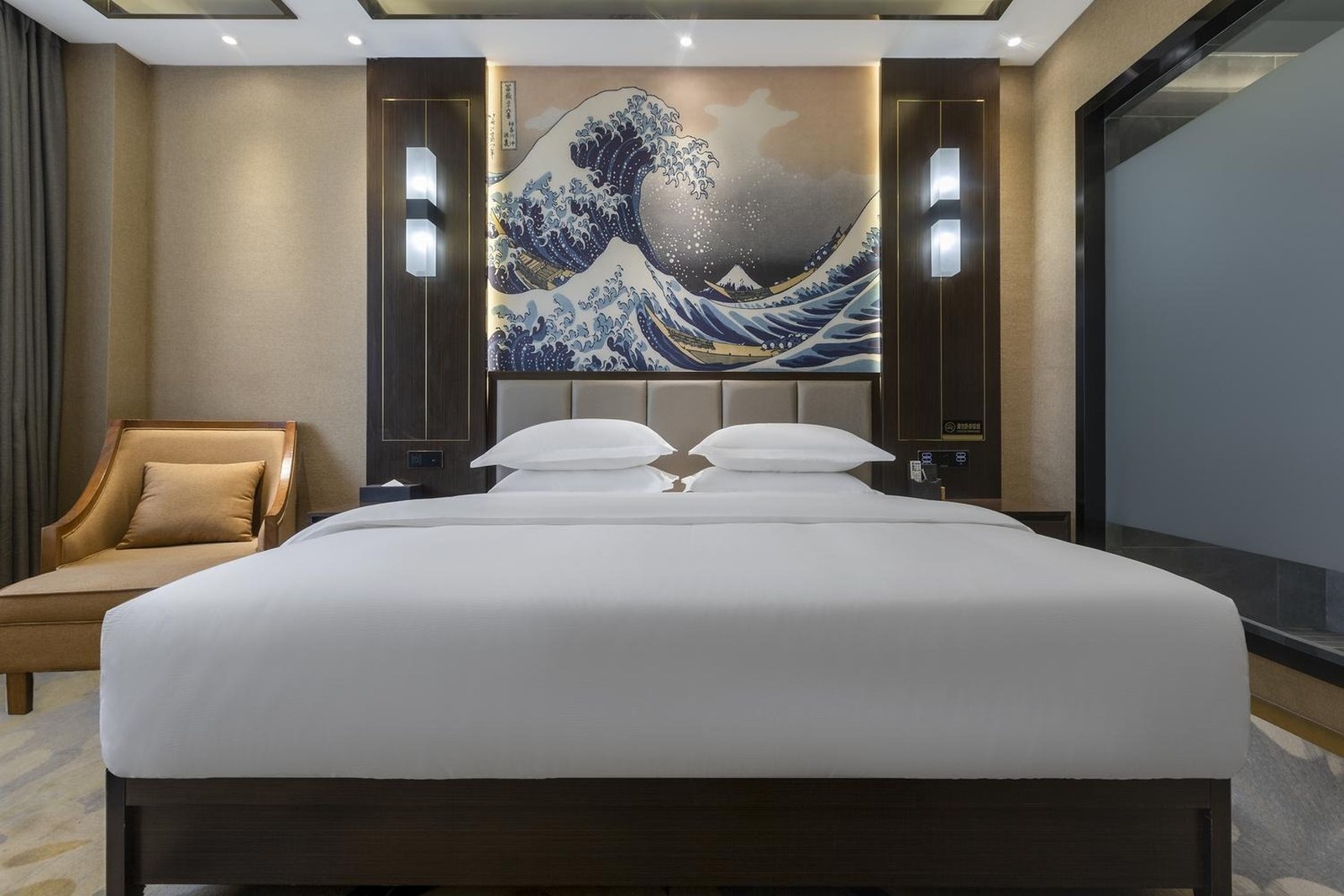
The town’s lodging keeps one hidden specialty – soundproofing. Every hotel here has suffered the wind, so renovations added double, sometimes triple, glazing town-wide: close the window and a force-eight gale drops to a distant grunt. One guest recorded the experiment – open window, howling; closed window, only breathing. This wind-city quiet has made the town an accidental haven for insomniacs. Hotel lobbies hang photos and silk banners from truckers of many nations – the port city’s growth rings, the desk clerks say, and guests fall asleep heavier for the stories. On the fiercest days utilities may blink for a few minutes; the desks keep emergency lights and kettles ready, and the power returns when the wind rests.
Wind is the first booking variable: on gale days, low floors and leeward-facing rooms run far quieter. Sealing is generally excellent, double glass cutting the howl to the occasional far train note – the small city’s lullaby.
The food logistics hold up: within five minutes’ walk of any hotel there is a noodle shop and a BBQ stand, with Sichuan kitchens and northeastern dumpling houses feeding the long-haul drivers. The baozi stalls open at half past five expressly for dawn National Gate visitors – the proprietress remembers returning guests down to their filling preference. Late returns are covered too: night taxis answer on call, one flag-fall from the BBQ stalls to the hotel door. For the turbine-array photos, borrow the town’s hand-drawn map from the front desk – marked positions beat any navigation app.
The stay’s value is position: a few minutes on foot reaches the visitor center at dawn, and pass, entry, and marker-viewing complete in one motion – an hour more sleep than travelers driving in from Bole. In the evening, noodles or skewers in town, a browse of the border market, and the wind city keeps its particular border-quiet after dark.
Booking rhythm follows the town’s own waves: months of concentrated China-Europe train movements, trade fairs, or the auto-export season squeeze rooms and lift prices; the flat winter is the year’s best value – two hundred yuan buys a large room with underfloor heating. Gate-visiting groups enter in the morning, so afternoon rooms book easiest, and the early-morning quiet is the rarest commodity. If a fair lands in your dates, book two days earlier than usual.
The wind city keeps its own romance: when the gale rests at dusk, the gobi’s stars spread unbroken – light pollution is minimal, and the hotel rooftop shows a clean Milky Way. When the wind blows, listen to it: whistles and transshipment machinery braided into a background track no other city owns. Insomniacs actually fall asleep – wind is the best white noise, outperforming every sleep app.
The hotel list is short but each entry has its job: three guesthouses by the port square specialize in registration convenience; the lodgings near the logistics zone serve drivers; the downtown business hotel takes meetings and transit guests. No five stars exist – the top room is a business suite – but hot-water pressure and bedding rank top of the county class. Visitors on port business should stay downtown: offices and banks inside the walking circle, work and travel both served.
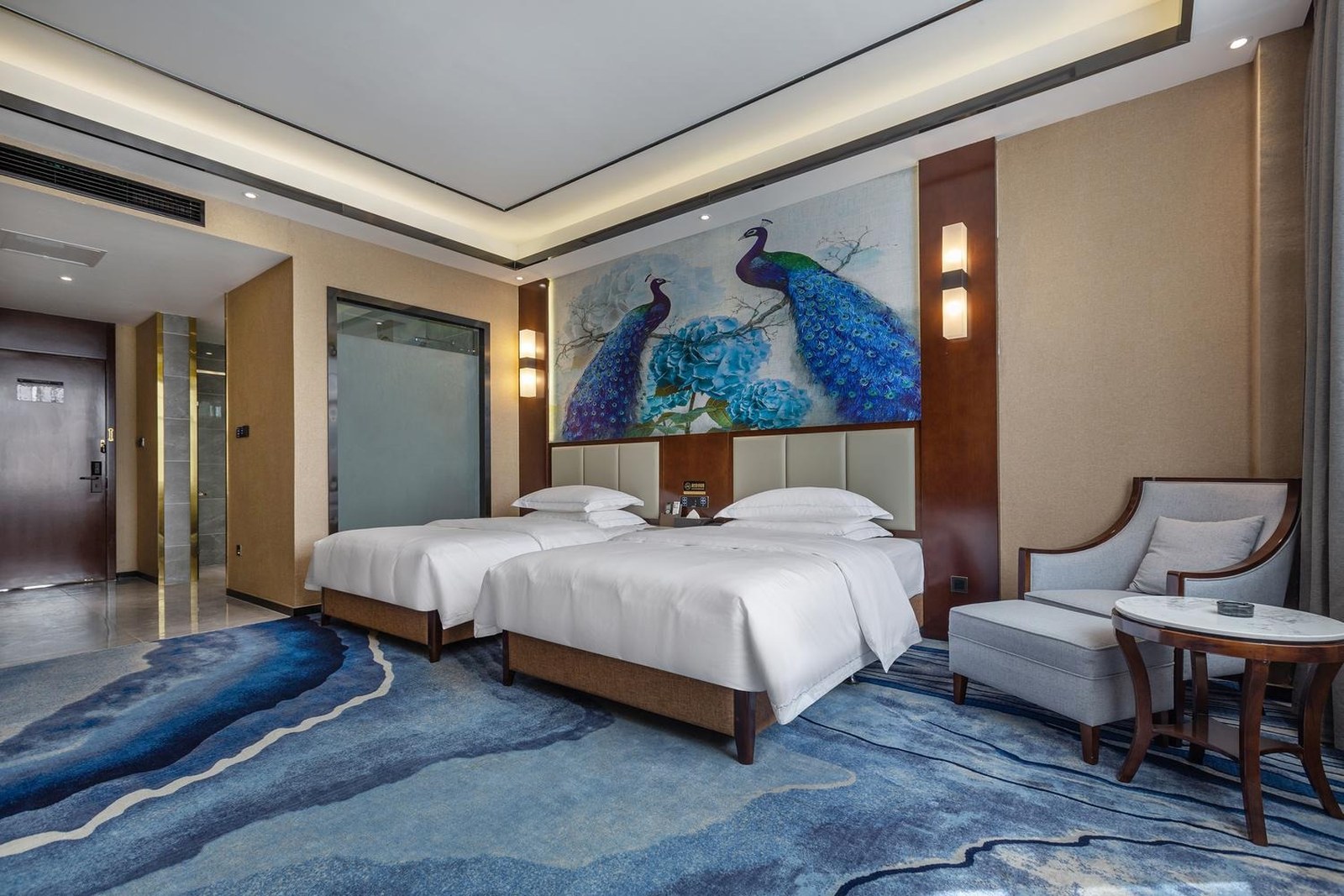
The Stays
Dawn Gate visitors should book near the visitor center – walkable, and no waiting for cars in the wind. Long-haul drivers default to the west-side lodgings by the logistics zone: roomy parking, easy loading.
Business guests take the downtown chain business hotels for network and quiet; backpackers do fine in ordinary twins – a hundred-odd yuan is genuine value in a wind city. Group season fills fast; book a day ahead on weekends.
Whatever you choose, have the front desk confirm tomorrow’s scenic-area registration window first – the National Gate requires pass entry, and missing the slot costs half a day. Settled right, the wind city’s night holds perfectly steady.
Beyond the border town, the same 博尔塔拉蒙古自治州 Bó’ěrtǎlā Měnggǔ Zìzhìzhōu Bortala Mongol Autonomous Prefecture holds other places to land: 博乐市区住宿 Bólè shìqū zhùsù Bole city stays for the base-camp nights, 赛里木湖住宿 Sàilǐmù Hú zhùsù Sayram lake stays for the starry mornings, 精河县住宿 Jīnghé xiàn zhùsù Jinghe county stays for the goji fields, and 温泉县住宿 Wēnquán xiàn zhùsù Wenquan county stays for the spring soaks – four more doors into the same 博尔塔拉蒙古自治州 Bó’ěrtǎlā Měnggǔ Zìzhìzhōu Bortala Mongol Autonomous Prefecture. With the wind-sound learned, our Bortala travel map fills the days.
The Stays
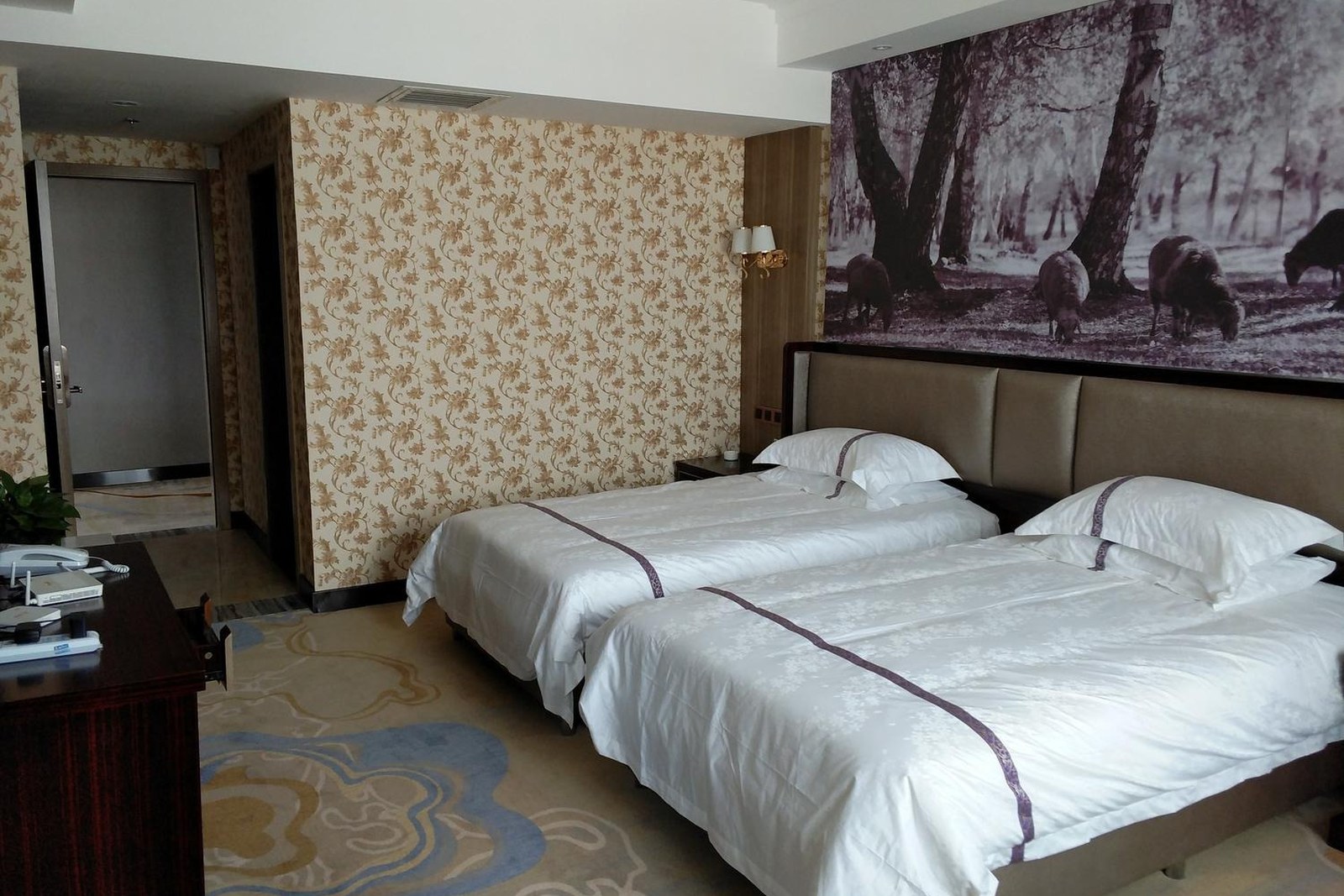
flowcloud would say the Alashankou stay is a service area on the journey: everything is plain, and everything runs on schedule.All checked November 2026.
Where to stay: Take a low floor on the lee side of the building in windy months, ask the desk to fix the gate registration slot that evening, and keep an ear out for the night freight – it is the town’s lullaby, not its nuisance. All checked November 2026.