
I booked it because I wanted to see where 安化黑茶 comes from, and I stayed two days longer than I had planned because the mountain would not let me leave. The guesthouse sits at the end of a narrow road that climbs through tea gardens until the terraces give way to forest, and from the balcony the whole valley falls away in layered green — row after row of bushes, a river glinting at the bottom, and mist that arrives most mornings without asking.
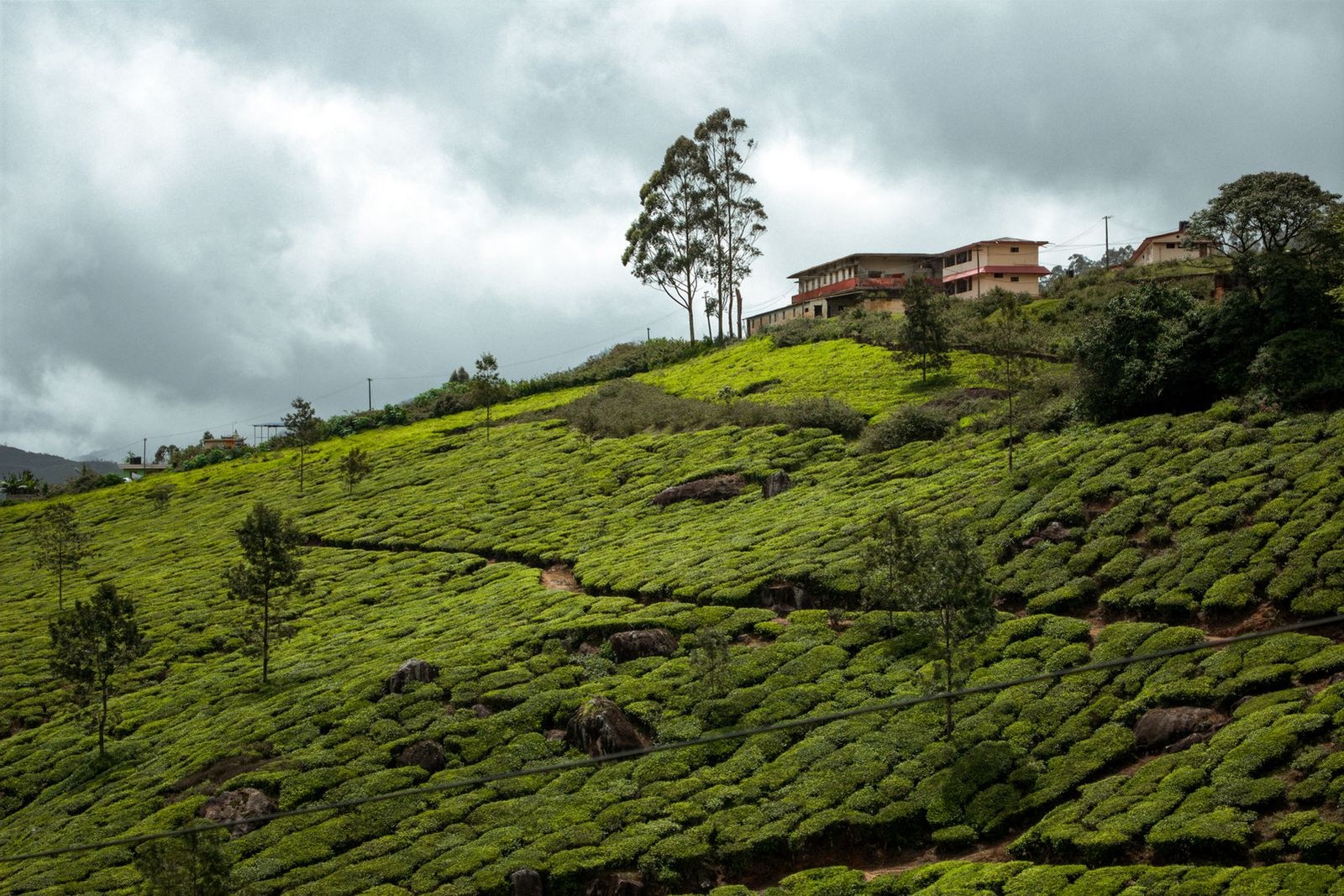
安化 Ānhuà is a county tucked into the mountains of central Hunan, and it is the home of 安化黑茶 Ānhuà hēichá — the dark, pressed, post-fermented tea that Hunan has been trading down the 资江 for centuries. The whole place runs on tea. The hillsides are stitched with it, the old stone posts of the Tea-Horse Road still mark the routes, and the guesthouses that have grown up here are the most comfortable base for seeing it.
The Rooms
The rooms are simple in the way that mountain guesthouses usually are, and the best thing about them is the window. Mine faced the valley, a big pane of glass that framed the tea terraces like a painting, and I spent a whole afternoon doing nothing but watching the light move across the bushes. The bed was firm and the sheets were clean, and there was a kettle and a proper set of tea things — a small clay pot, a cup, a tin of the house’s own 黑茶. That last detail matters: almost every guesthouse here grows or presses its own tea, so the stuff in your room is not a commercial bag but the actual product of the hillside outside.
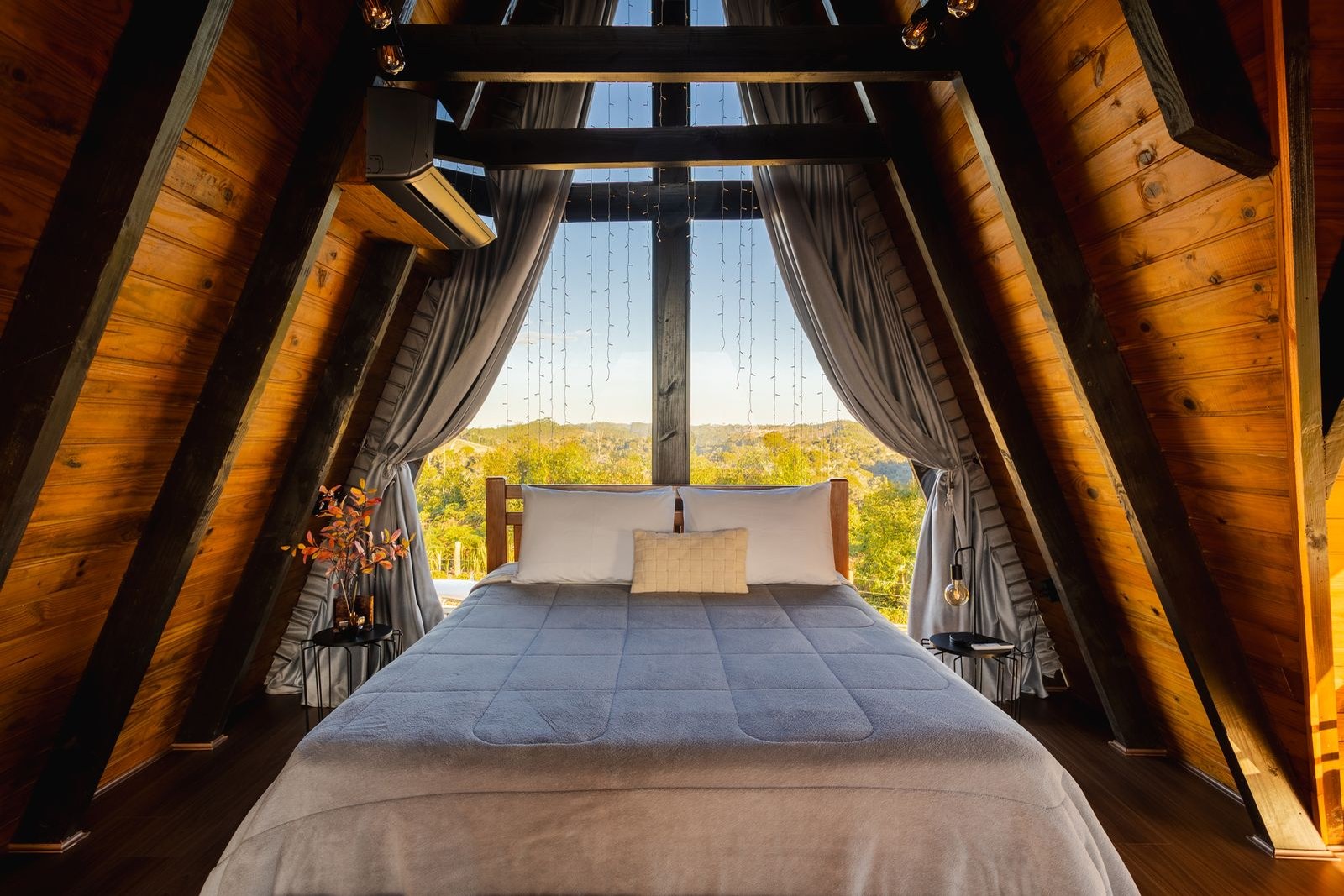
The bathroom was modern, with hot water that took a moment to warm and then ran strong, and the nights were so quiet that I heard the river. A few of the more upmarket places have added bathtubs with a view and underfloor heating for the cold season, but the basic rooms are honest and cheap.
The Mountain
The real attraction is the walking. The guesthouse sits inside working tea country, so you are out among the bushes the moment you step off the terrace. Paths thread between the rows, and the locals go about the business of picking and drying without a glance at visitors. In spring, the picking is furious and the whole hillside smells of cut leaves; in summer, the terraces are deep green and heavy; in autumn, the hills turn a rusted brown and the air has the first cold in it.
There is a small waterfall reachable in about twenty minutes down the valley, and the 资江 runs at the bottom of the walk, broad and brown and busy with the barges that still carry tea the way they have for a thousand years. If you are there in the right week, you can watch the leaves being pressed into the big 千两茶 qiānliǎngchá logs — rolls of tea a metre or more long, wrapped in bamboo, which are Anhua’s signature and one of the most peculiar objects in Chinese tea.
The Food
The guesthouse serves 农家菜 nóngjiācài, farmhouse food from the land immediately around you. Because the area is tea country, the food leans on the local produce of a mountain valley: a whole chicken boiled in broth, 腊肉 làròu cured pork fried with 冬笋 winter bamboo shoots, mountain vegetables, and rice that carries a nutty note. The family that runs the place will let you eat whatever they are having, and a meal with them is worth more than any menu.
Meals are communal if you want them, private if you do not. Breakfast is porridge, pickles, and a fried egg, and the tea flows freely at every hour — that is the point of staying here.
Price, Address, Rooms, Getting there
Price. Rooms run from about ¥150 to ¥400 a night depending on the season and how much glass the room has. The basic mountain-view rooms are at the lower end; the ones with a balcony and a bathtub facing the valley cost more. Meals are extra, roughly ¥30 to ¥50 a head, and the house tea is included or sold cheaply.
Address. The guesthouse is in 安化 Ānhuà county, 益阳 Yìyáng city, Hunan — in one of the tea villages up the 资江 valley. The area is Qingtang and Huangsha turns are where many of the better homestays cluster; ask for one near the 茶马古道 trail. There is no number that would help you; you find it by name and by letting the owner talk you up the road.
Rooms. Ten to fifteen rooms is typical, some in the main house, some in small wooden cabins scattered up the slope. All have a private bathroom, a kettle, tea things, and either a balcony or a big window. The cabins at the top have the best views and the most quiet.
Getting there. 安化 has no railway station of its own. From 益阳 Yìyáng or 娄底 Lóudǐ, buses run into the county town, then you hire a car or the guesthouse sends someone to collect you for the last stretch up the mountain. From Changsha it is about a three-hour drive by car, most of it on the new highway before the final climbing half-hour. The mountain road is not for the faint-hearted but is perfectly fine in dry weather, and the drive is part of the experience.
flowcloud would say that 安化 is the rare tea destination where the staying is as good as the drinking: the guesthouses are genuinely of the place, the mountain is walkable, and the tea in your room was grown on the hill outside your window.
Where to stay: 安化 Ānhuà county, 益阳 Yìyáng, Hunan — the home of 安化黑茶 dark tea and a piece of the old Tea-Horse Road. Staying in a tea-mountain homestay puts you among the terraces, within walking reach of tea pressings, a waterfall and the 资江. Rooms ¥150–400, meals extra. Reach it by car from Changsha (about 3 hours) or by bus to the county town and a collected ride the last climb. Come in spring for the picking, in autumn for the colour, and ask where the 千两茶 logs are being pressed.