
白沙古镇 Báishā Gǔzhèn, Baisha ancient town on the Yangtze upstream of the district seat in 江津区 Jiāngjīn Qū, Jiangjin District, runs its guesthouse trade cheap and plain under the black-rock slope that rises behind the river-port streets. The stock is the converted sort: old courtyard houses and shopfront rooms on the long Qing-dynasty streets, family-run, with twin rooms priced for the film crews and the town’s own visitors rather than for any resort market. The town keeps its beds full in an unusual way – the film-studio trade shoots the lanes for period drama, and the productions board where the town boards, which keeps the guesthouse standard honest – and this page is written on that converted stock, because a room under the slope is the base the whole town works from.
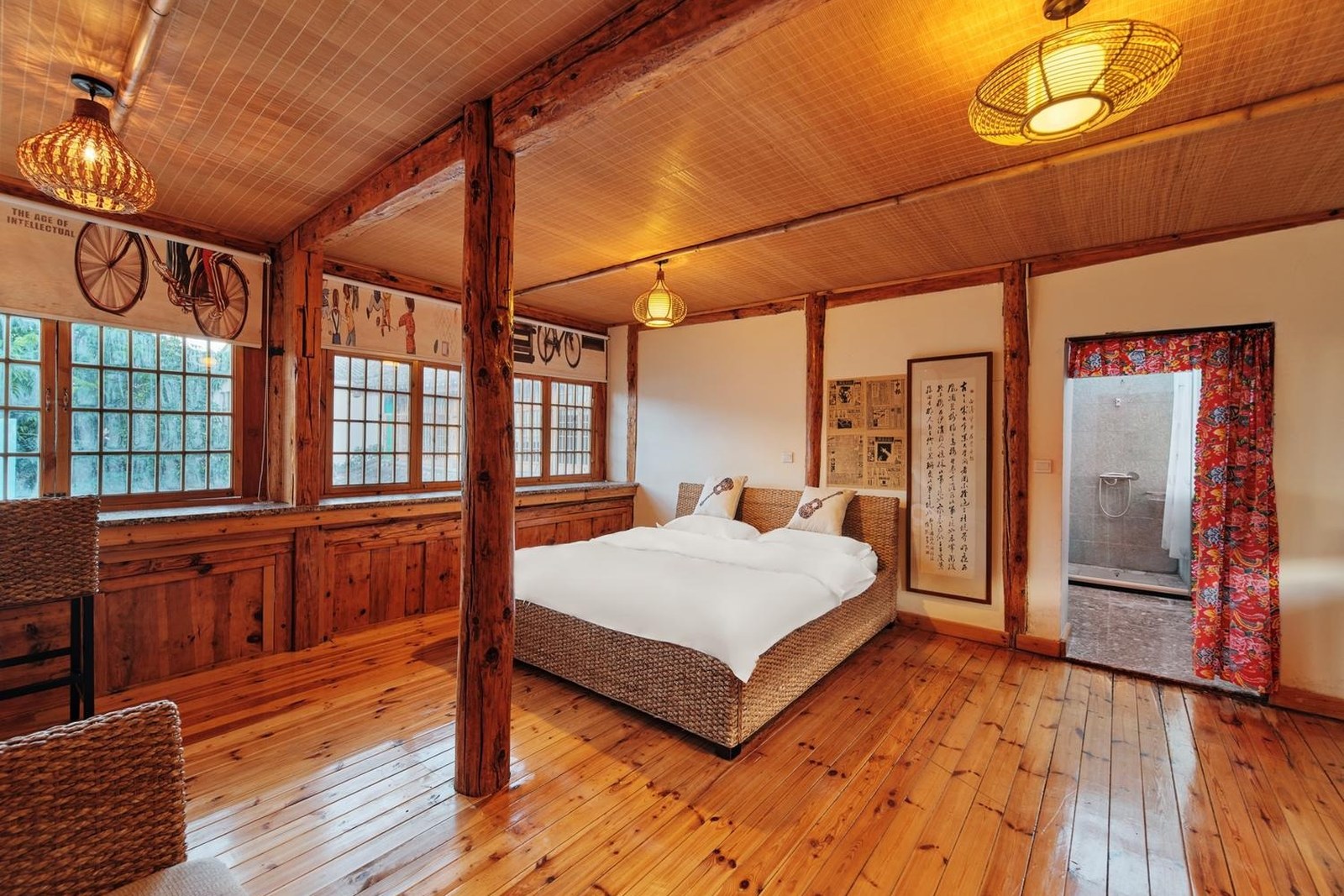
The stock explains the price discipline. Baisha’s better stays are conversions of the town’s own fabric – courtyard houses with their timber screens and small gardens kept, shopfront rooms opening to the arcaded streets that climb from the Yangtze landing stairs – and the family operators price them at the band the town’s ordinary trade pays, which is the band a city meal costs. The crews dress a lane, shoot for days and sleep in the same beds the visitors book, so the linen, the hot water and the plumbing are held to a working standard that a purely scenic town would let drift. That is the unusual virtue of a film-town lodging market: the professional trade audits the rooms continuously, for free.
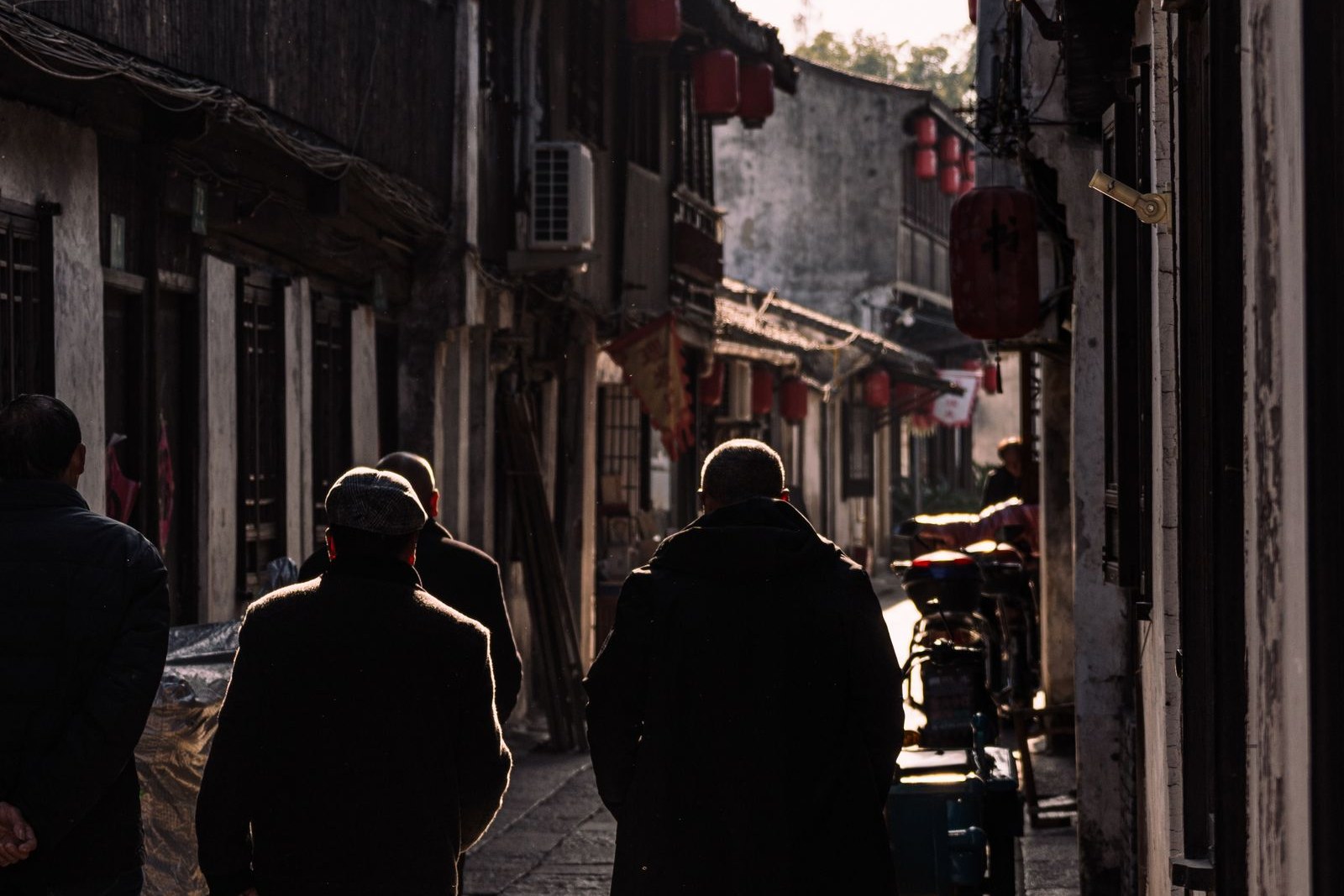
The town as a base is the second half of the argument. The landing stairs, the long old streets, the arcaded shop rows, the old Academy hall and the wartime-college buildings in the upper lanes are all walkable from a room under the slope, and the Yangtze view from the black rocks above the port is the evening’s programme. The film trade is the standing proof of the townscape – crews arrive, dress a street, leave, and the lane simply resumes being itself – and a guest who sleeps in the town gets the lanes at both ends of the day, when the crews have wrapped and the streets belong to the residents again.
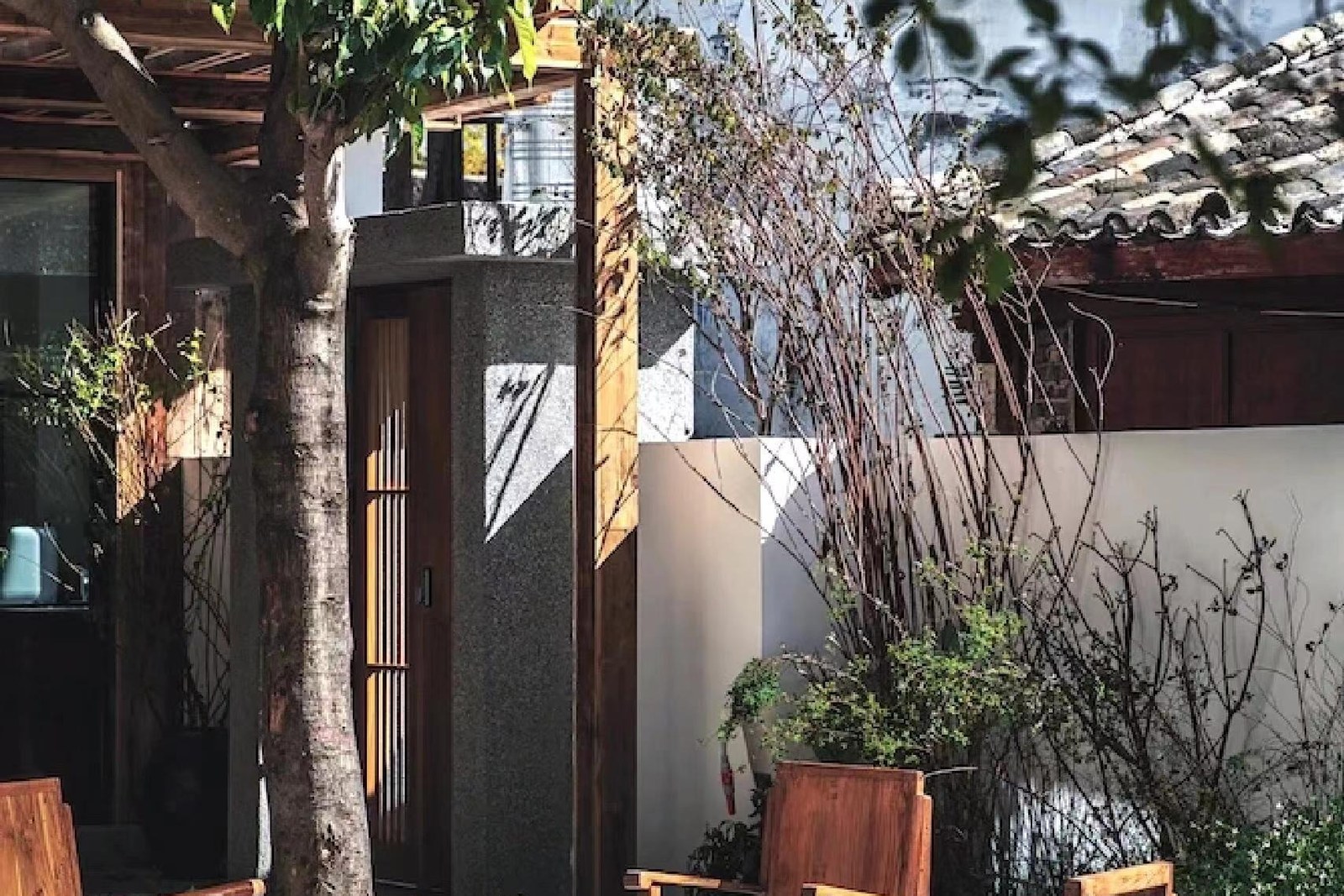
What the record supports is the converted stock, the Qing streets, the film trade’s presence and the pricing posture – cheap, plain, working-town; what it does not support is any named house, any posted rate, or any ranking among the courtyard stays, and none is invented here. The honest page quotes no figure because the operators reprice by season and by crew calendar, and it names no house because the record consulted carries none. The advice the record does carry is about the ask: the better conversions have kept their timber screens and their small gardens, and a booking that asks for a courtyard room off the main lane, away from the arcades’ noise, gets the product the town is actually proudest of.
The guesthouses also close the district’s riverside argument. Baisha and Tanghe make the two-town day, the Yangtze landing stairs make the afternoon, and the cheap converted beds are what let the evening stay slow instead of turning into a drive back to the city – a river-port overnight at a price that has not forgotten what the town is. The film crews keep the standard honest, the families keep the courtyards kept, and the traveller gets both. All checked October 2026.
Words and Names
白沙古镇 Báishā Gǔzhèn, Baisha ancient town, on the Yangtze in 江津区 Jiāngjīn Qū, Jiangjin District: a guesthouse trade of converted courtyard houses and shopfront rooms on the long Qing-dynasty streets under the town’s black-rock slope, family-run and priced for the film-crew and working-town trade, with the better conversions keeping their timber screens and small garden courts. The town’s base logic is walkability – the Yangtze landing stairs, the arcaded streets, the old Academy hall and the wartime-college buildings of the upper lanes. No named house, posted rate or founding date is on the record consulted, and none is invented here.
What the Locals Know
The local knowledge is the ask and the calendar. The ask is for the courtyard room off the main lane – the conversions with the timber screens and the small gardens are the town’s quiet best, and a booking that simply takes the first street-front listing gets the arcade’s noise instead. The calendar is the crews: when a production is in town the lanes fill, the lanes’ parking goes, and the beds tighten around the shoot schedule, so the film trade both keeps the standard honest and occasionally owns the town – locals check which lanes are dressed before booking a street-facing room. The evening walk is up, not along: the black rocks above the port give the river view, and the wartime-college lanes sit on the way. What the record does not carry is any house ranking or posted rate, and the page declines both.
Practicalities
Price. The band, not a figure: the town’s beds are priced for the film-crew and working-town trade – the city-meal band a night for the plain twins – and no posted rate survives in the record consulted beyond that posture. The crews board where the town boards, which audits the standard continuously, and the platforms carry each week’s actual figures for the listings that list.
Address. The guesthouses sit through the old streets under the black-rock slope of 白沙古镇 Báishā Gǔzhèn, Baisha ancient town, on the Yangtze in 江津区 Jiāngjīn Qū, Jiangjin District. No street-level addresses are on the record consulted; the working description is the ask itself – a courtyard room off the main lane rather than a street-front listing on the arcades – and the operators resolve the rest on booking.
Rooms. The stock is the converted sort: shopfront twins on the Qing streets and courtyard rooms with the timber screens and small gardens the better conversions kept. Expect simple baths, family operators and thin doors rather than resort fittings. Ask which room is off the lane and which faces it, and book the courtyard when one is free – the garden courts are the town’s quiet best and the first to go when a shoot is in.
Getting there. The town sits upstream of the district seat on the Yangtze, inside the Chongqing day-trip radius by self-drive, with coach services from the district seat covering the run for the carless. The landing stairs, the arcaded streets and the wartime-college lanes are all walkable from a room under the slope, and the two-town day with 塘河 Tánghé Tanghe starts from the same streets.
flowcloud would say that Baisha’s guesthouse trade is the converted sort – family-run courtyard houses and shopfront rooms on the Qing streets under the black slope, priced for the film-crew trade that boards where the town boards – and that the correct way to book the town in 江津区 Jiangjin District is a quiet courtyard room off the main lane at the town’s own cheap band, because no named house or posted rate survives in the record consulted and none is invented. All checked October 2026.
Where to stay: the converted guesthouses run through the old streets of 白沙古镇 Báishā Gǔzhèn, Baisha ancient town, 江津区 Jiāngjīn Qū, Jiangjin District, bookable on the platforms and through the operators’ own channels; named properties, posted rates and founding dates are not on the record consulted and none is invented here. Pair this page with the Baisha ancient-town page for the lanes outside the door and the rice-candy page for the town’s own counter sweet.