
草排浮碧,鸟立秋沙。Cǎopái fú bì, niǎo lì qiū shā – Green grass-mats afloat; birds standing on autumn sand.
The stay at 北海湿地 Běihǎi Shīdì Beihai Wetland is the small, seasonal, quietly strange one on the Tengchong list: a 浮毯湿地 fútǎn shīdì floating-mat peatland about 12 km northwest of 腾冲 Téngchōng city, where centuries of 草排 cǎopái grass-mat growth have built a floating green raft over the water, thick enough in places to walk on. There are no big hotels inside the 保护区 bǎohùqū reserve; the stock is 湿地民宿 shīdì mínsù wetland homestays and 农家乐 nóngjiālè farmhouse stays in the villages at its edge — mostly 10-20 rooms of converted farmhouses — plus a handful of 温泉 wēnquán hot-spring and resort properties outside the reserve line. The October 2026 snapshot runs two bands: farmhouse rooms about 150-300 yuan with dinner, and edge-of-reserve design or spring stays 300-800 yuan (worth confirming — the market is small and moves with the 候鸟 hòuniǎo migratory-bird season and the 荷花 héhuā lotus summer). Stock is 大床 dàchuáng and 双床 shuāngchuáng, sometimes a 通铺 tōngpū common bunk; what you get is a bed near the birds, and what you give up is comfort — simple bathrooms, squat toilets at the basic end, no elevators, and a village that is properly dark after 9 p.m.
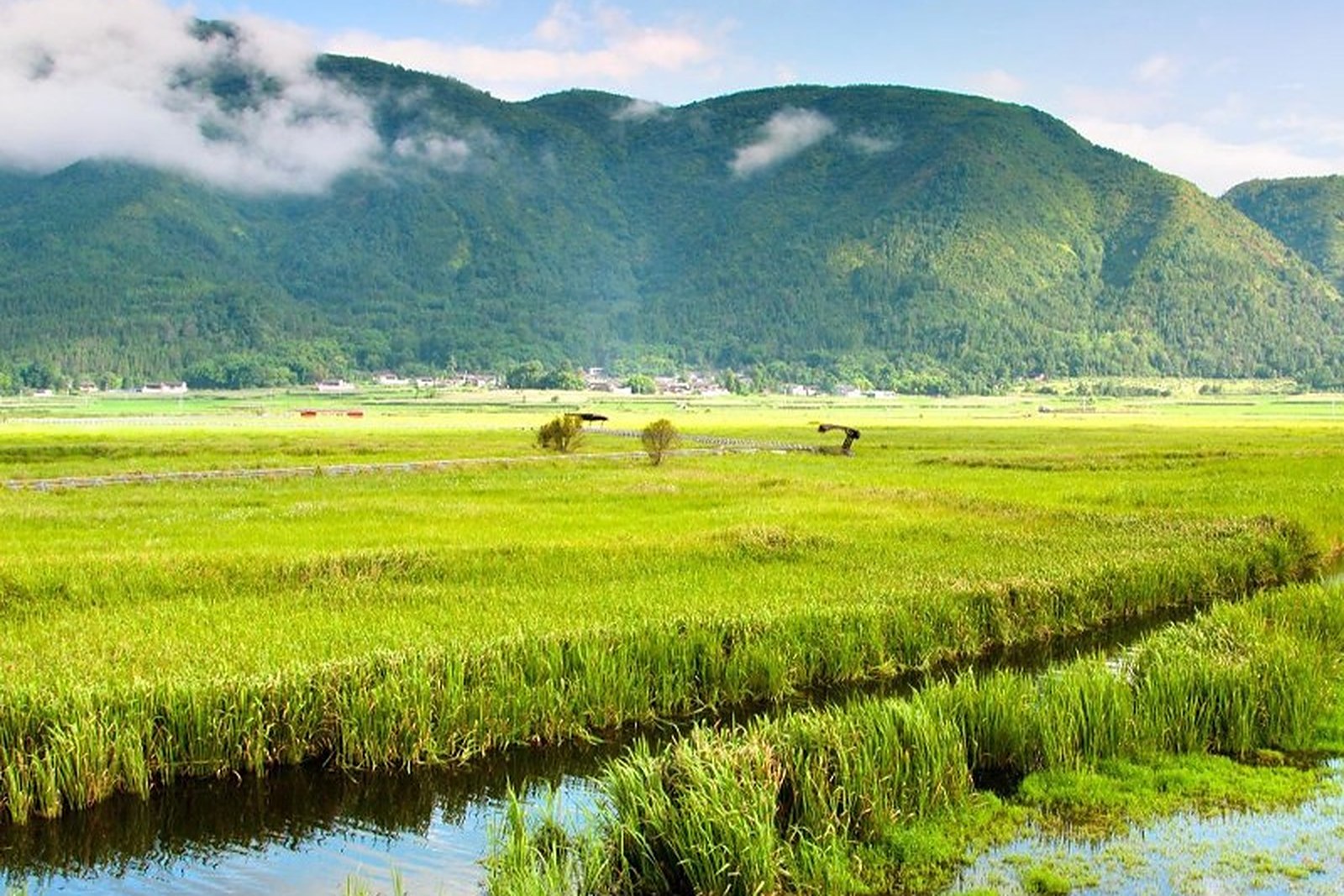
Location and season are the whole decision. Staying at the wetland buys the 6 a.m. mist and the birdsong before the day-trippers arrive from the city, which is the only honest reason to sleep here; staying in 腾冲 Téngchōng buys choice and restaurants at the cost of a 30-minute drive each way. The 草排 cǎopái boat rides — poled flat-bottom boats over the mat — are the set piece, best at first light. 观鸟 guānniǎo birdwatching peaks November to March when the migratory birds are in: egrets, 紫水鸡 Zǐshuǐjī purple swamphens and, in cold winters, cranes; the 荷花 héhuā lotus pools make summer the green-and-pink season, while the June-August 雨季 yǔjì rains raise the water and can flood the mats. The honest seasonal shape is winter for birds, spring for the greening, summer for lotus if you accept the rain. Who it suits: birders, photographers, families with young children who like water and birds, and slow travellers who want one quiet night; who it does not suit: anyone who needs a restaurant menu after dark, a bathtub, or a lift.
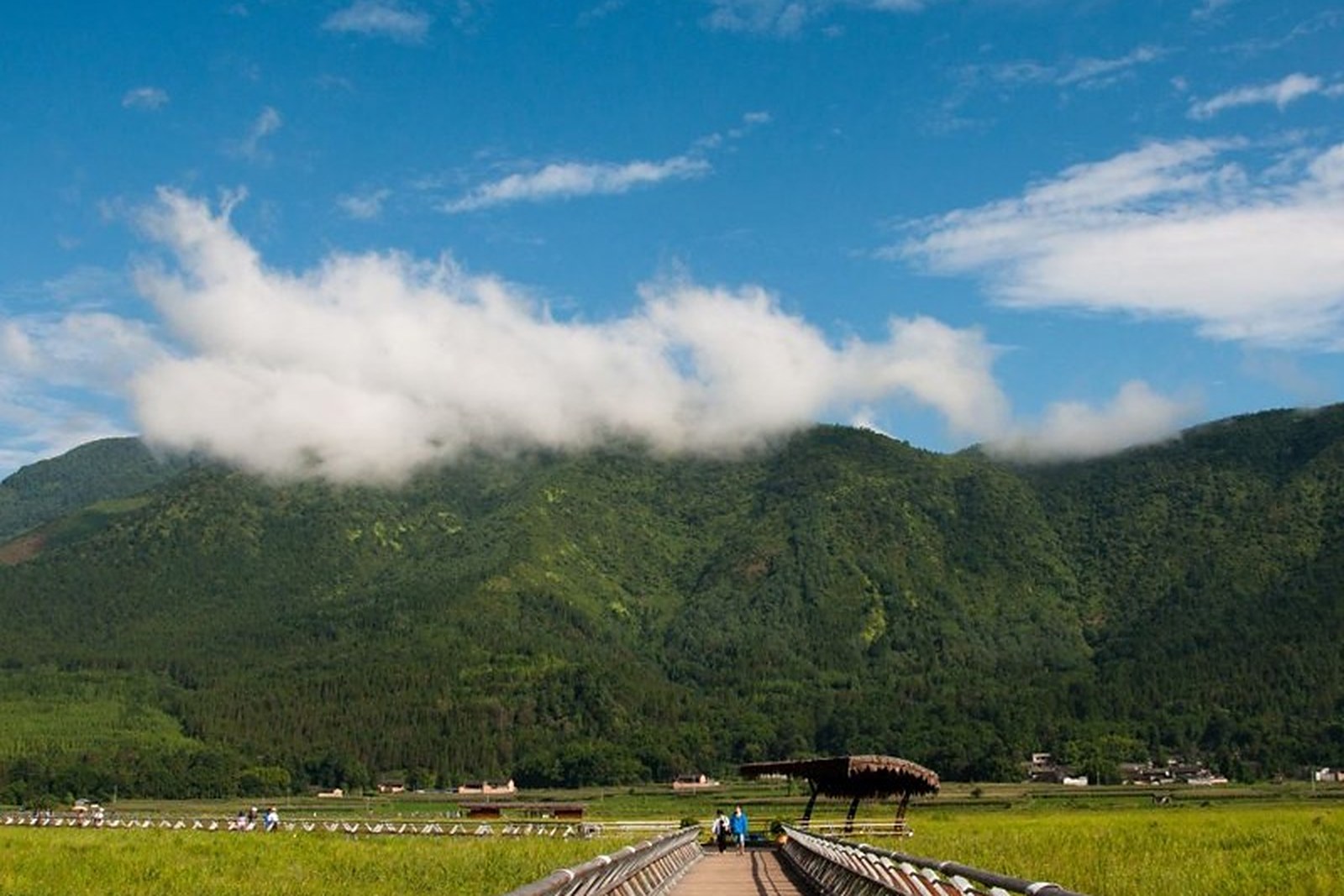
Practical shape: the honest plan is one night on the wetland plus one night in town or at a spring hotel — pair the 草排 cǎopái morning with dinner back in the city. The reserve sells day tickets (worth confirming current price, and whether stay-guests get early access or a discount); confirm what the homestay actually includes, because 农家乐 nóngjiālè pricing usually assumes you eat there — the food is simple and local (wetland fish, 野菜 yěcài wild greens, 土鸡 tǔjī free-range chicken), which is the point. Bring repellent for the mosquitoes, a 手电 shǒudiàn torch because the village lanes are unlit, and cash, because card machines are rare at this level. 北海湿地 Běihǎi Shīdì sits about 12 km out and 20-30 minutes by taxi from the city centre (worth confirming the details); 腾冲驼峰机场 Téngchōng Tuófēng Jīchǎng is roughly 25 km. Winter mornings are cold — the fog is real, and so is the chill. Check room stock and prices in the week you book. All checked October 2026.
The Stays
The stays around 北海湿地 Běihǎi Shīdì Beihai Wetland are few and simple: family inns and guesthouses in 北海乡 Běihǎi Xiāng villages on the reserve’s edge, plus a handful of small hotels by the water, all within a short walk or drive of the 草排 cǎopái grass-mat floating meadows. Rooms are plain – about 150-350 yuan a night (worth confirming the details), the honest range for the area – and the draw is the hour rather than the bedding: dawn on the wetland, when the 候鸟 hòuniǎo migratory birds work the channels and the mist sits on the water.
The honest caveats: the wetland is seasonal, the water level and the birdlife vary through the year, and the inns here are village-scale rather than resort-scale – few have lifts, the hot water can be solar and weak on a grey day, and the restaurant is whatever the family cooks. Visitors who want a guaranteed hot shower and a proper breakfast base in 腾冲 Téngchōng city and come out for the dawn; those who want the mist at 6 am sleep at the edge. Book ahead for the autumn migration weeks.
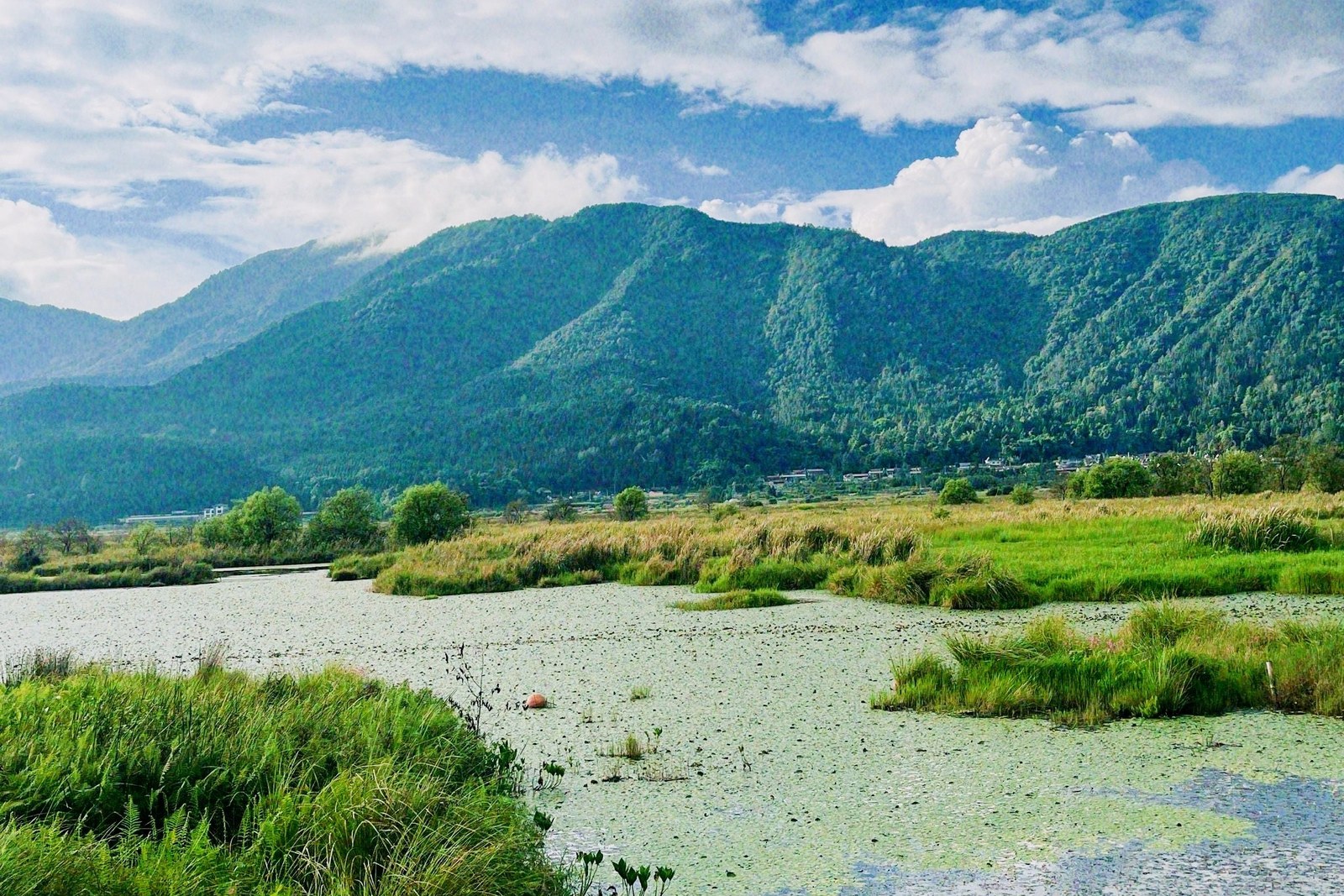
Where to stay: the family inns and small hotels on the edge of 北海湿地 Běihǎi Shīdì in 北海乡 Běihǎi Xiāng, Tengchong – plain rooms at about 150-350 yuan a night (worth confirming the details), the draw being the dawn birds and the 草排 cǎopái grass mats. All checked October 2026.