
Bayanbulak Town Stays: The Right to Overnight at 2,400 Metres, on Which the Nine-Bend Sunset and Swan-Lake Dawn Depend
草原夜静毡房暖,一觉醒来天鹅湖 Cǎoyuán yè jìng zhānfáng nuǎn, yī jiào xǐng lái tiāné hú – The grassland night is still and the yurt warm; wake to the swan lake at first light
Bayanbulak town Bāyīnbùlǔkè Zhèn hides in the Tianshan belly of Hejing County at roughly 2,400 metres, and it is the one place inside 巴音郭楞蒙古自治州 Bāyīnguōléng Měnggǔ Zìzhìzhōu Bayingolin Mongol Autonomous Prefecture most worth a night. The reason is arithmetic: the nine-bends-and-eighteen-turns sunset waits until around ten at night, and the swan lake’s morning mist burns off an hour or two after daybreak – a Korla day trip misses both ends. Only by sleeping in town do the grassland’s dusk and dawn actually belong to you.
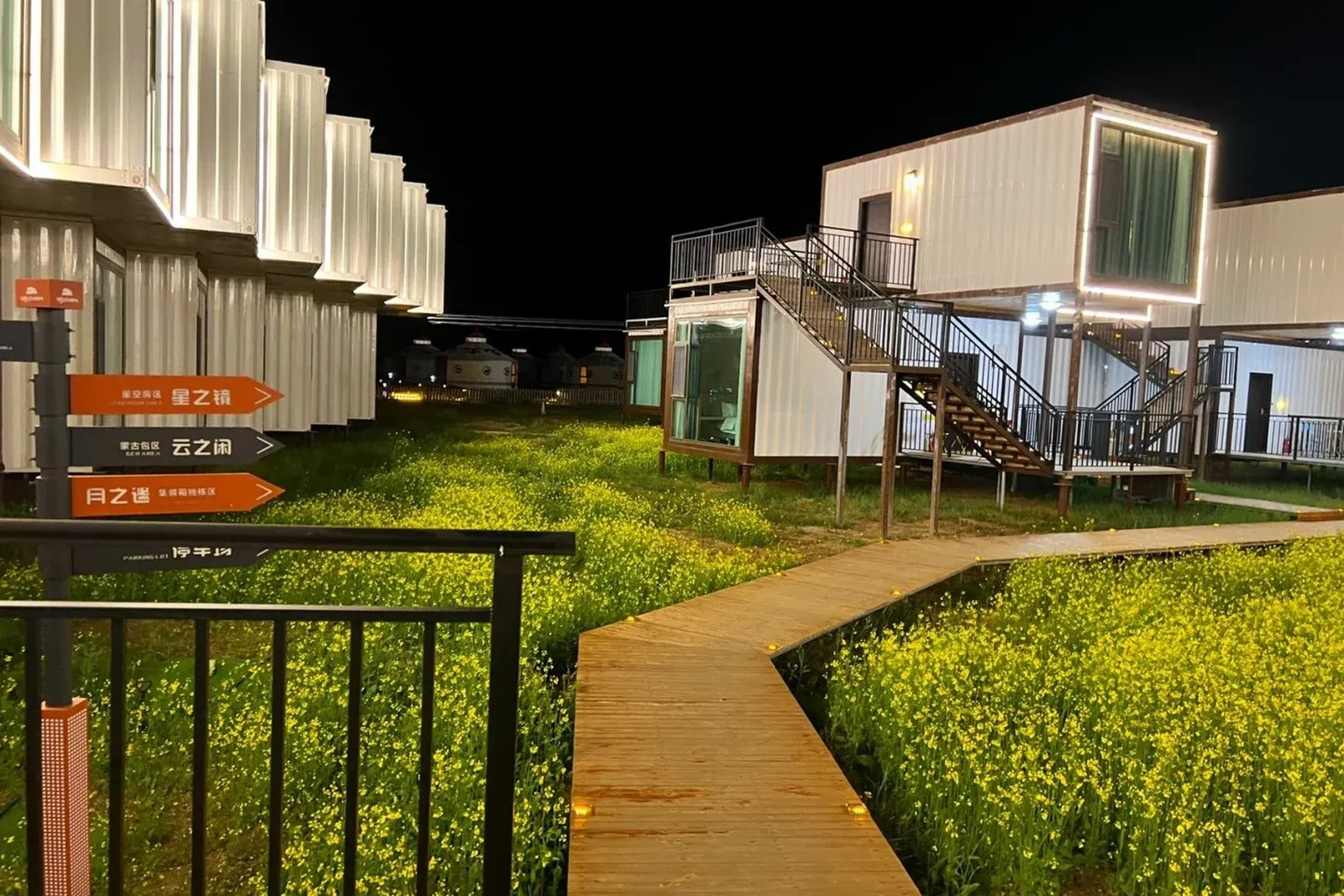
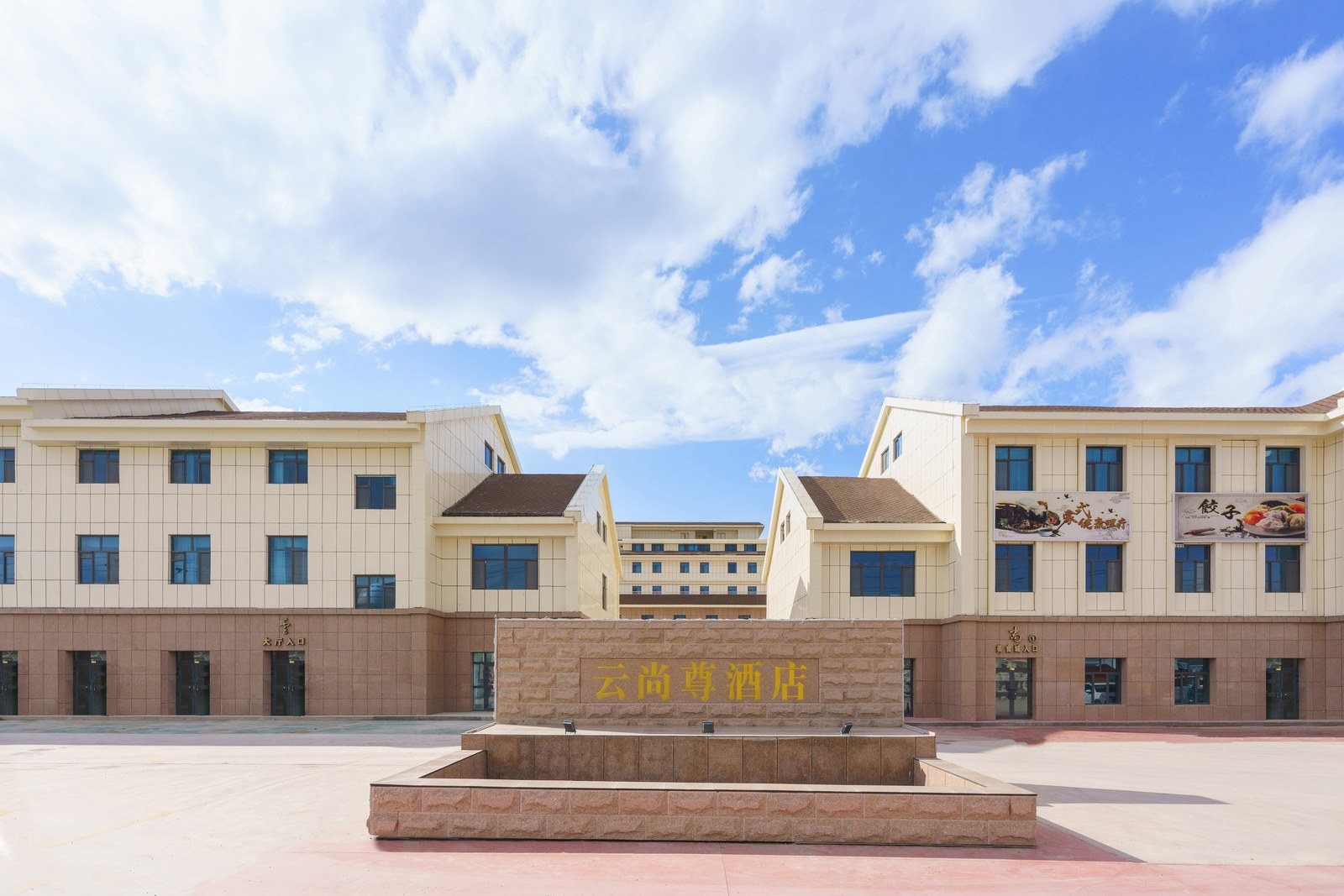
Lodging in town is hotels first, yurt experiences second: the hotels are mostly two- and three-story buildings improving year by year, en-suite twin rooms now standard, prices somersaulting upward in season; the yurt camps pitch on meadows outside town for star-counting from bed, at the price of shared bathrooms and limited insulation – young travelers chasing atmosphere. When booking, two questions matter more than the brand – 「private bathroom?」 and 「how is it heated?」 – because the plateau nights run five or six degrees, and a room that fails on heat is misery at any price.
The altitude is the first subject of staying here: at 2,400 metres most people feel only mild breathlessness, but skip strenuous plans on arrival night, go easy on the alcohol, drink more hot water, and keep hair-washing to three hours before bed if your head feels tight. The town has a health clinic, and altitude pills and oxygen canisters are stocked at pharmacies; a strip of rhodiola bought in Korla sets the mind at ease. Cold at night is normal – a down jacket in June costs no dignity – while the midday grassland sun bites hard: both wardrobes belong in the bag.
Read the high-season logic correctly: June to September stacks the grassland bloom on top of Duku-highway traffic, beds run tightest from late July to mid-August, and two weeks’ advance notice is not early. Duku drivers mostly treat the town as their mid-route grand stop, and any itinerary change squeezes rooms – so prefer free-cancellation rates when booking. The town is small, fifteen minutes’ walk end to end, so which end hardly matters; the distance to parking and the fuel station does – fill the tank in town, because the Duku highway offers tens of kilometers of nothing north or south.
Photographers’ timetables are the town’s timetable: up at four or five for the swan lake’s mist and sunrise, sleep back through midday, enter the scenic area at five to hold a nine-bends position, home under starlight at eleven. The whole time dividend of staying in town lives in that in-and-out – the day-trip bus turns back at six, while you can still wait on the platform for the sky to finish burning its last color. Restaurants line the main street; hand-pulled noodles, pilaf, and skewers are the three staples at prices two tenths above county towns – the altitude surcharge, accepted.
The low season is another world: after mid-October facilities wind down, some hotels close, and once the grassland freezes only scattered winter herding households remain. Few come in winter, but those who do call it worth it – snowfield, rime, and unfrozen spring eyes compose pictures almost nowhere else – though beds are few and transport hard, and a local hired car is mandatory. In any season the phone signal flickers: load offline maps and playlists before you set out, and when the bars go empty, the scenery will fill the space.
One more piece of expectation management: this is not a resort destination but a grassland supply station – weak water pressure, slow wifi, and plain breakfasts are the norm, and folding them into the experience raises your tolerance for everything. The genuinely good stuff is outside the window: snow mountains from the bed, pasture out the door, a full galaxy overhead at night. For that, one night repays the entire fare.
The Stays
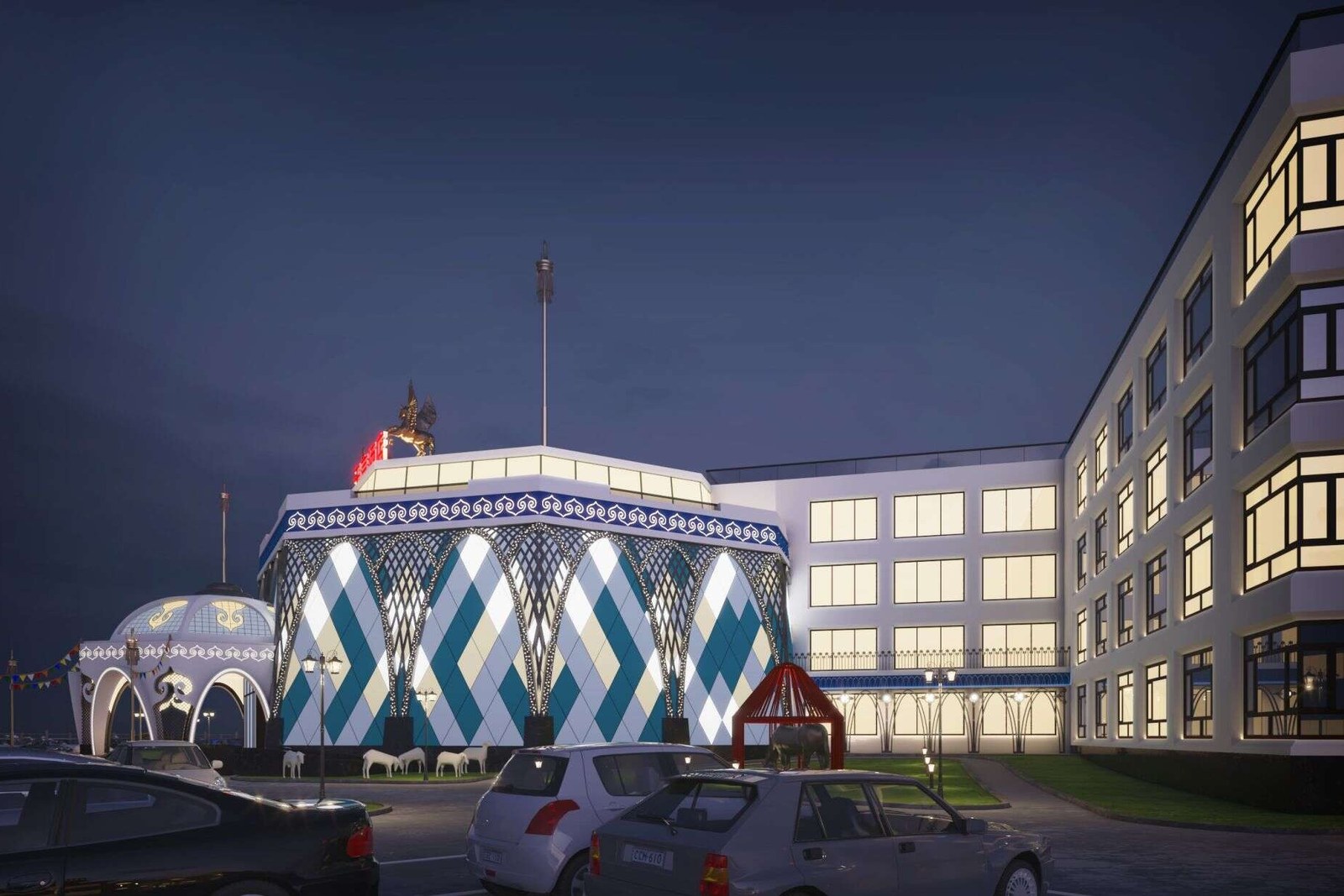
Sunset-chasing photographers and Duku drivers must sleep in town – pick a hotel twin with heating and hot water and set the alarm an hour before sunrise; younger backpackers should try one night at a yurt camp, where starfields and meadow dew are gifts no city issues.
Families with elders and children should weigh the altitude and night cold seriously; if you proceed, take the town’s best hotel, confirm oxygen bags and heating are both in place, and leave elders a full buffer day.
From June to September, book two weeks out and prefer free cancellation; whatever you choose, put tomorrow’s clothes inside the quilt to warm before sleeping – on the swan-lake dawn you will thank this old grassland hand-me-down trick.
With the plateau night settled, the same 巴音郭楞蒙古自治州 Bāyīnguōléng Měnggǔ Zìzhìzhōu Bayingolin Mongol Autonomous Prefecture holds other places to land: 库尔勒市区住宿 Kù’ěrlè shìqū zhùsù Korla city stays for the river nights, 博湖县住宿 Bóhú xiàn zhùsù Bohu county stays for the lakeside nights, 尉犁县住宿 Yùlí xiàn zhùsù Yuli county stays for the desert edge, and 若羌县住宿 Ruòqiāng xiàn zhùsù Ruoqiang county stays for the Loulan legends – four more doors into the same 巴音郭楞蒙古自治州 Bāyīnguōléng Měnggǔ Zìzhìzhōu Bayingolin Mongol Autonomous Prefecture. With the plateau settled, our Bazhou travel map fills the days.
The Stays
flowcloud would say Bayanbulak sells the hours other towns throw away: a nine-bend sunset, a swan-lake dawn, and a heated room waiting between the two. All checked November 2026.
Where to stay: Reserve at least two weeks ahead in the June-September season, pick a room with real heating at 2,400 metres, and set the alarm for the swan lake dawn – the town exists for the hours the day-trippers miss. All checked November 2026.