
Bole City Stays: The Prefecture Base Camp on the Green Steppe, Poised for the Lake and Set for Sleep
小城灯火客心安 Xiǎochéng dēnghuǒ kè xīn’ān – Small-city lights settle the traveler’s heart
Bole is the seat of 博尔塔拉蒙古自治州 Bó’ěrtǎlā Měnggǔ Zìzhìzhōu Bortala Mongol Autonomous Prefecture and the region’s natural base camp: Sayram Lake 90 km out, Guaishiyu 38 km, Alashankou 73 km – three routes radiating from one center. City lodging splits into two zones: the old town by the Bortala River and the commercial streets, where eating and shopping need no planning, and the new district by the government quarter and stadium, with newer buildings, larger rooms, and both chains and local hotels in good supply.
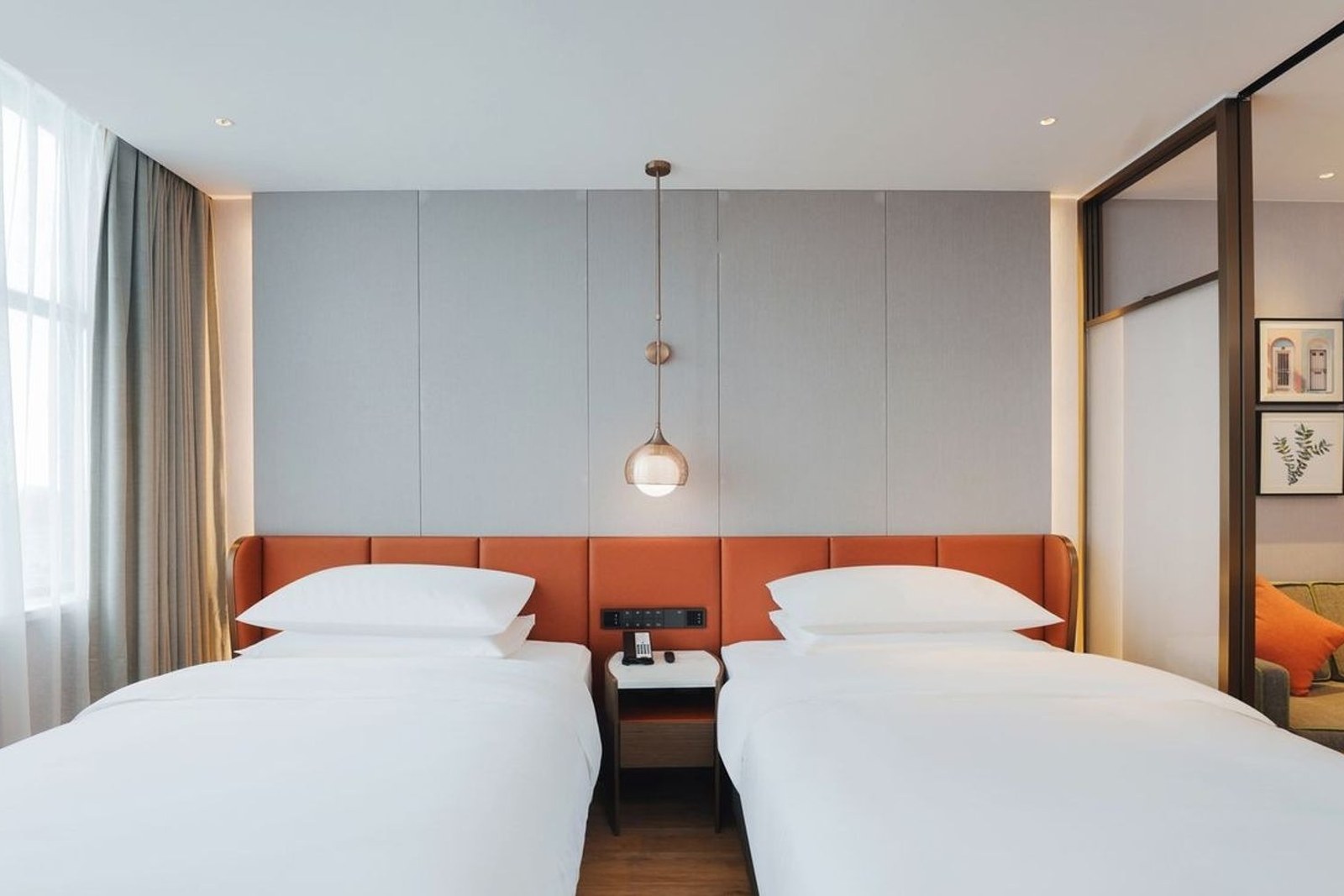
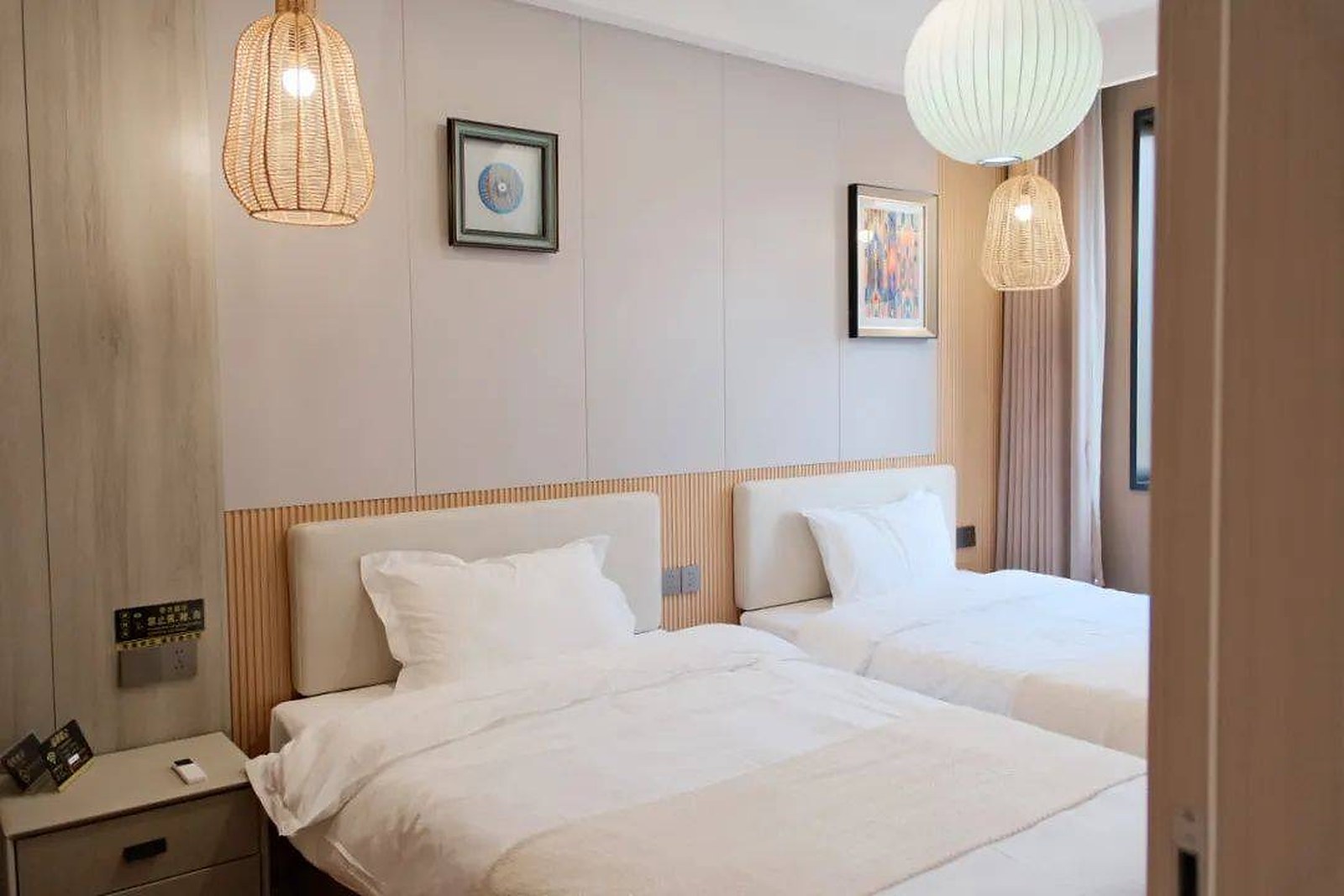
Bole’s hotel stock has renewed fast: several new-district properties refitted their rooms until smart toilets, wireless charging, and motorized curtains stopped being big-city luxuries, while the old town’s classic guesthouses trade on nostalgia – lobbies hung with old photographs of Bortala, a border town’s album to leaf through on arrival. Two temperaments for two travel moods; decide by itinerary – road tomorrow, sleep new; city stroll, sleep old. The front desks keep printed route sheets covering everything from lake-loop tips to bus timetables, and one leaflet saves an evening of research. Mornings and evenings swing hard in temperature, so ask how the rooms are heated when booking – radiators versus underfloor heating is a difference late autumn makes vivid.
Price is Bole’s bonus: the same budget buys a room far roomier than Urumqi’s, and three to four hundred yuan lands a high-standard room with breakfast. The front desks know the surrounding routes cold – chartering to Sayram or finding the Guaishiyu bus is arranged in one sentence, a travel agent built into the check-in.
Beyond value, Bole keeps a hidden ace: the prefecture museum, the planning hall, and the riverside park all sit within a few kilometers, so with the hotel as center, half a day of city sightseeing never touches the car. Walk the river before checkout and you meet the town’s full morning-exercise repertoire – power walkers, whip-crackers, top-spinners – street life in person. Loyalty points stretch furthest here, too: the same redemption buys a better room grade than in Urumqi.
Evening Bole deserves a walk: the Bortala River threads the town, the riverside park’s fitness path lights up, and locals’ unhurried rhythm is contagious. For late food, Renmin Road’s BBQ and noodle shops run past midnight – eat well, sleep better.
On booking: Bole’s hotels sit on all the big platforms, but a direct call to the front desk often beats the platform price – a border town’s trade runs on returning guests, and the desk keeps its own regular-customer rates. During the Naadam and flower seasons prices climb about fifty percent; book a week ahead. From November through April, three to four hundred yuan buys near-four-star comfort.
A practical word for drivers: fuel stations spread evenly and hotel parking is generally free, but the new district’s underground entrances are narrow – big rigs should mind the first reverse-in. Repair shops are dense; a routine check after the lake loop earns every local veteran’s nod.
Bole’s seasonal line is cleaner than most of Xinjiang’s: flower season and Naadam fill every bed in summer, while the long winter is quiet as another world. Business travelers hold the base load year-round; tourists flood in May through October only. Off-season visitors are paid twice – rates halve outright, and the desk’s food recommendations turn honest without the high-season filter. Small-city hotels are also change-friendly: a phone call moves your date, a human flexibility no chain system quite supplies.
The Stays
Business travelers should target the new district’s upmarket hotels – parking, elevators, and soundproofing all sorted, early starts easy. Backpackers and long-haul drivers do better with the old town’s chain hotels: night market and bus lines below the window, the whole city walkable without wheels.
Families should pick a hotel with breakfast and family rooms, cutting the morning scramble; luggage storage and late checkout are usually granted for the asking. High-season weekends (June to September) make prices jump – locking in two or three days ahead beats door-step haggling.
Whichever zone you choose, ask for a room set back from the road – night trucks and wind still remind you the wind gap is near. Get the floor and facing right and you sleep through till dawn.
Before the lake loop, the same 博尔塔拉蒙古自治州 Bó’ěrtǎlā Měnggǔ Zìzhìzhōu Bortala Mongol Autonomous Prefecture holds other places to land: 赛里木湖住宿 Sàilǐmù Hú zhùsù Sayram lake stays for the starry mornings, 阿拉山口市住宿 Ālāshānkǒu shì zhùsù Alashankou town stays for the border nights, 精河县住宿 Jīnghé xiàn zhùsù Jinghe county stays for the goji fields, and 温泉县住宿 Wēnquán xiàn zhùsù Wenquan county stays for the spring soaks – four more doors into the same 博尔塔拉蒙古自治州 Bó’ěrtǎlā Měnggǔ Zìzhìzhōu Bortala Mongol Autonomous Prefecture. With beds settled, our Bortala travel map fills the days.
The Stays
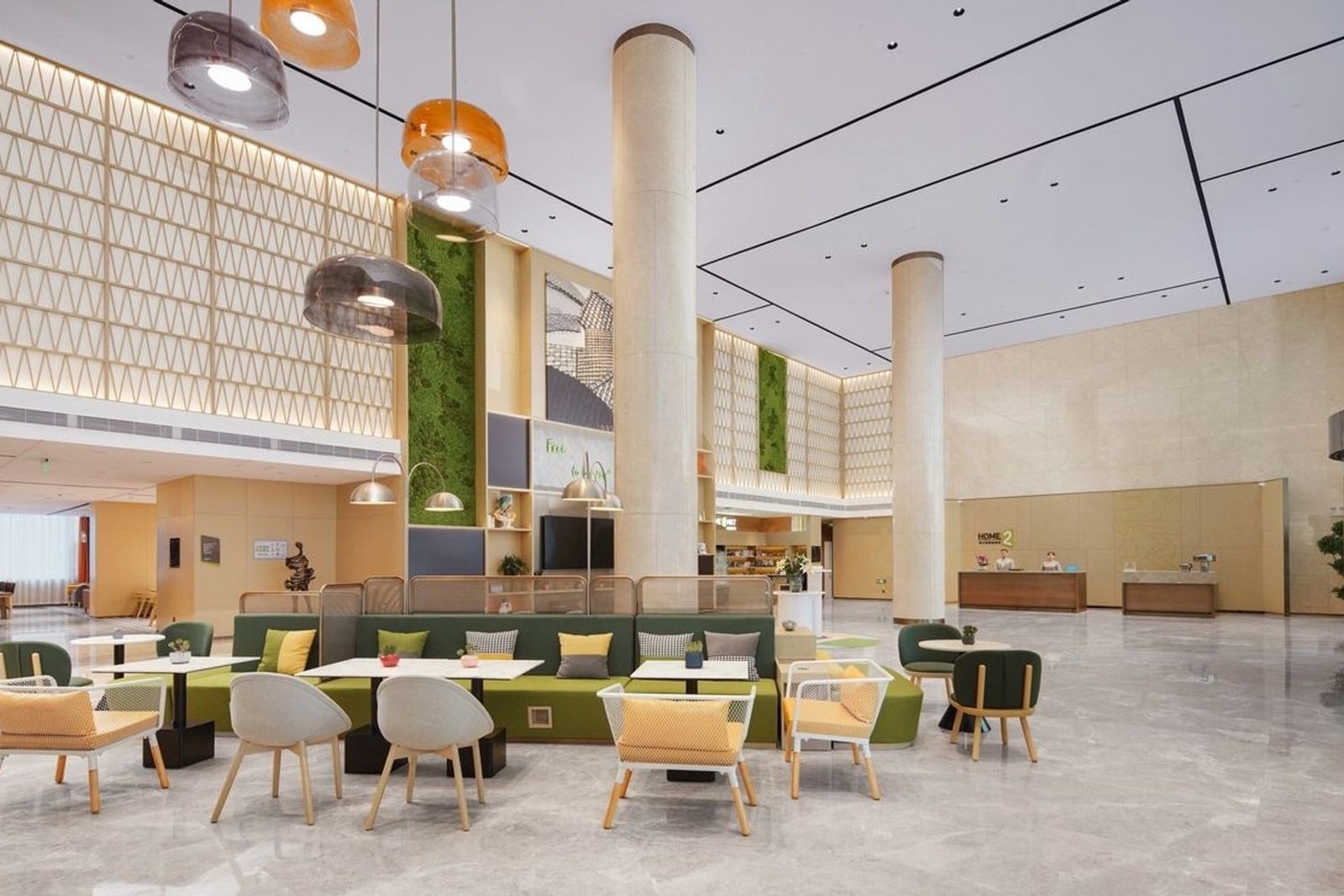
flowcloud would say Bole is the charging station of a Bortala trip: out to spend energy by day, back to a full battery by night.All checked November 2026.
Where to stay: Book two nights minimum, split them between the old quarter and the new district if the schedule allows, and let the front desk lock in the lake car or the valley bus – one call here saves an hour of phone tag. All checked November 2026.