
Guesthouse Country: the Tree-Avenue Blocks Around the Central Squares
白杨夹道绿成廊,小楼灯暖夜归人 Báiyáng jiādào lǜ chéng láng, xiǎolóu dēng nuǎn yè guīrén – Poplars line the road into a corridor of green; in the small buildings the lamps warm the night-returning guest
正文:林荫道区住宿 Línyīndào Qū Zhùsù the boulevard stays occupy Shihezi’s oldest guesthouse blocks – mid-rise buildings from the city’s first booms, their ground floors given to shops and their upper floors to family-run rooms with high ceilings and long windows. Staying here puts a traveler inside the city’s signature landscape: every window looks onto rows of poplars and elms planted before the buildings around them, and every walk out the door begins under green.
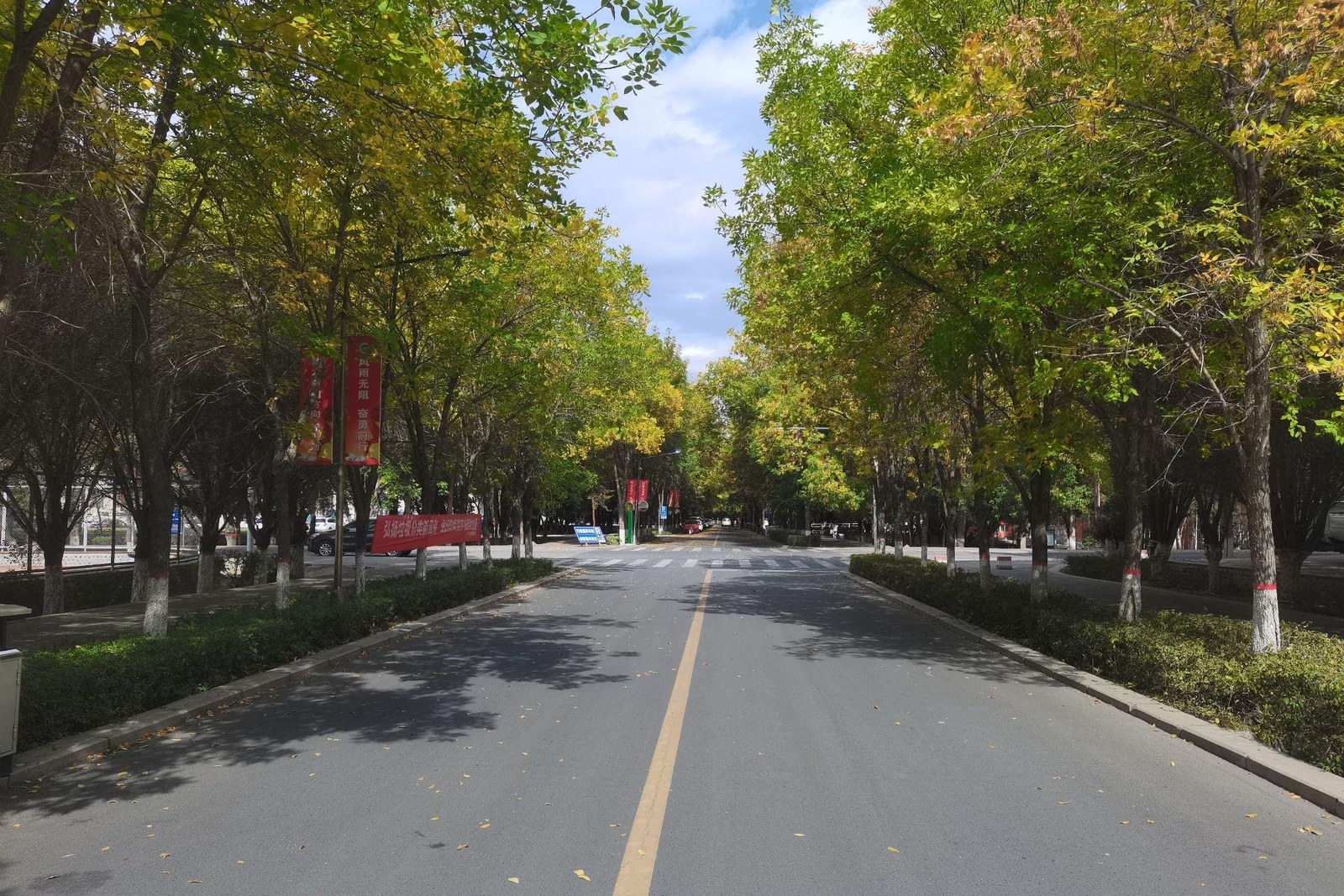
The rooms are characterful rather than plush – thick-walled, simply furnished, with radiators for the winter and fans for the short summer – and their hosts are the second generation of the families that built them, full of stories about which trees date to which decade. Rates are the city’s friendliest, and the location does the selling: the military museum, the First Plow square and the night market all fall within a walk measured in single minutes.
The Stays
The avenue tier is the family guesthouses on the tree corridors: high ceilings, street-facing windows, and hosts who can date every poplar on the block – the character pick, and the city’s friendliest rates.
The corner tier is the market-edge houses two blocks off the night streets: plain comfortable rooms above the shopfronts, with the food lanes starting at the door and the museum five minutes on foot.
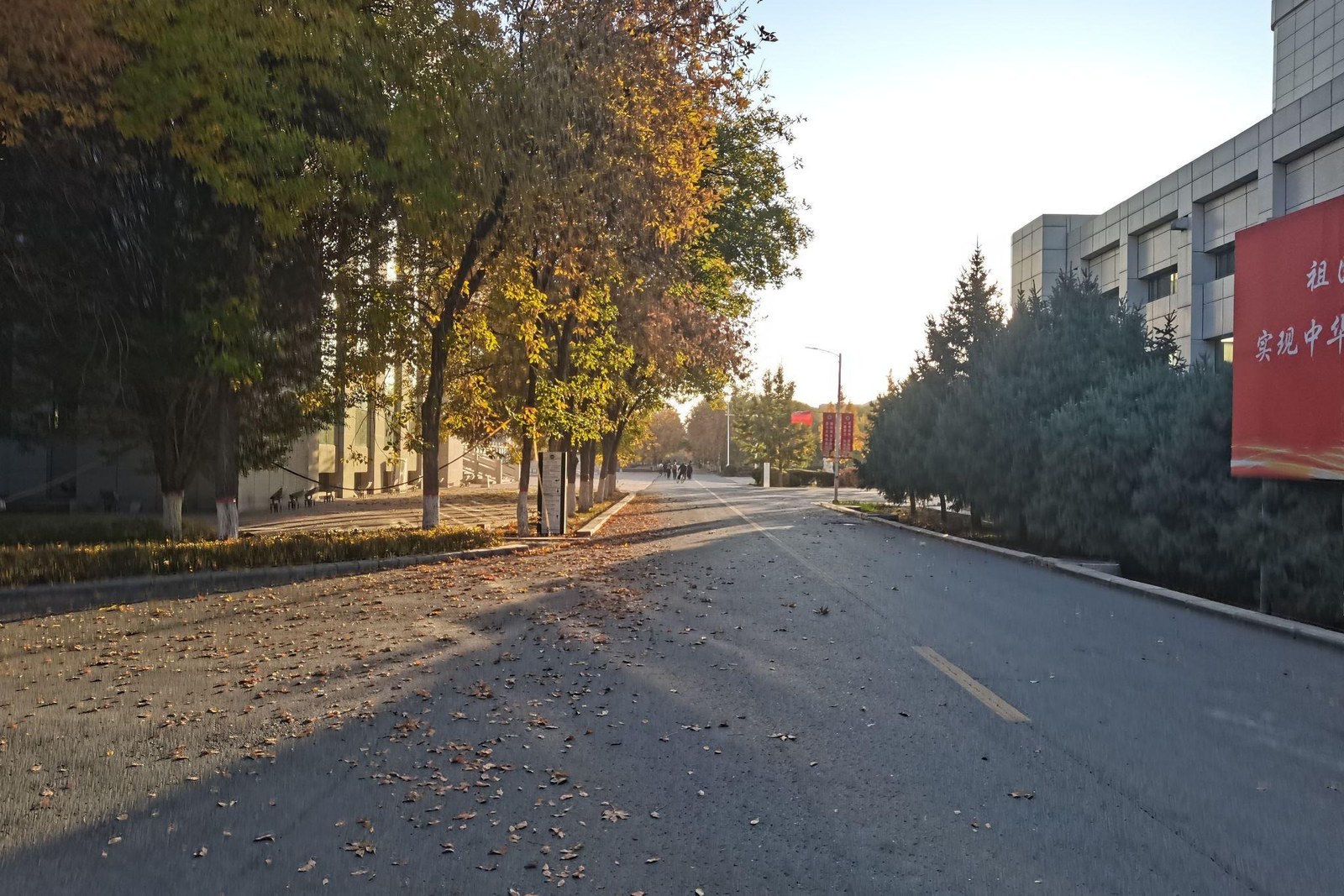
The upper tier is the top-floor rooms under the roofs: stairs traded for views down the golden avenues in October, and on clear mornings the white peaks standing up on the southern horizon like a promise the city kept.
The avenue blocks also make the practical case for autumn travel. When the poplars turn, the streets around these guesthouses go gold for about two weeks, and the morning light down the empty boulevards is the best photography in the city – you can shoot it from the breakfast table. In winter the same blocks hold the snow in white ranks, and the radiators inside do their steady work. Book by phone where the family operations don’t list online, confirm the hot-water hours, and ask for the top floor.
Beds settled, the same 石河子市 Shíhézǐ Shì Shihezi City keeps other bases for the around-town days: 石河子市区住宿 Shíhézǐ Shì Shìqū Zhùsù the city-center stays for the business strip, 桃园周边住宿 Táoyuán Zhōubiān Zhùsù the peach-grove inns for the orchard mornings, 戈壁花园住宿 Gēbì Huāyuán Zhùsù the gobi-garden courtyards for the desert rim, or 绿洲庭院住宿 Lǜzhōu Tíngyuàn Zhùsù the oasis-court inns for the trellis courts – four more doors into the same 石河子市 Shíhézǐ Shì Shihezi City. With beds settled, our Shihezi travel map fills the days.
The Stays
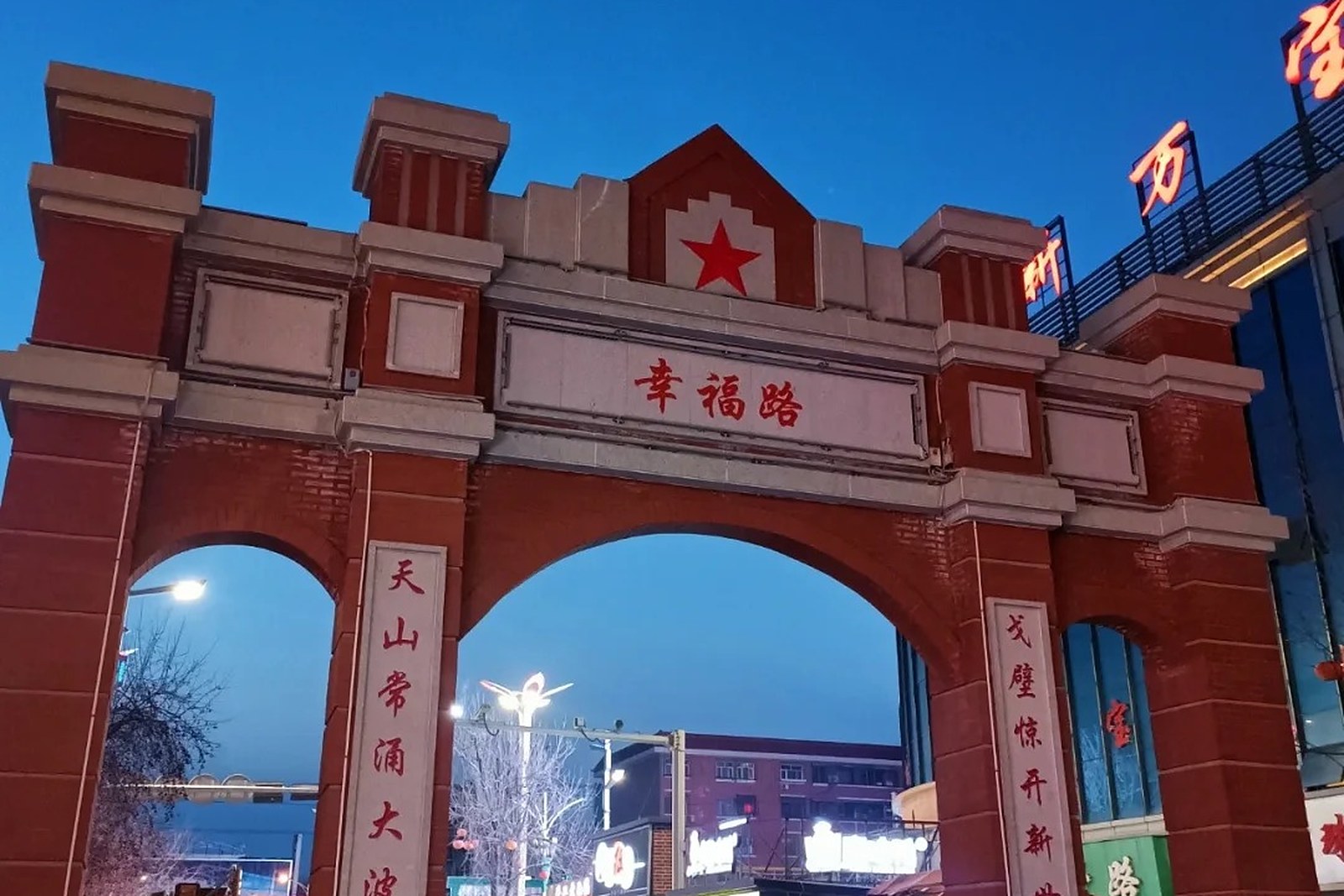
flowcloud would say the boulevard guesthouses are the young city keeping its old rooms: high ceilings under low rates, poplars outside every window, and hosts who remember when the street trees were saplings. All checked November 2026.
Where to stay: The tree-avenue blocks near the central squares hold the city’s classic guesthouse stock – high ceilings, slow lifts and leafy views, five minutes on foot from both the museum and the night market. All checked November 2026.