
The window looks out over the reconstructed waterfront of 常德河街 Chángdé Héjiē, and at nine in the evening that means lanterns, the smell of clay-pot cooking, and a slow river of people walking in both directions. The rooms are small and modern — the buildings are new, built in 2017 in the style of the old river warehouses — and they are comfortable, insulated and cheap: ¥180–380 for a double, and the point is entirely location. You step out of the door and you are in the best fifty metres of eating in the city, and forty metres past that is the 沅江 Yuánjiāng with the poetry wall running along its bank.
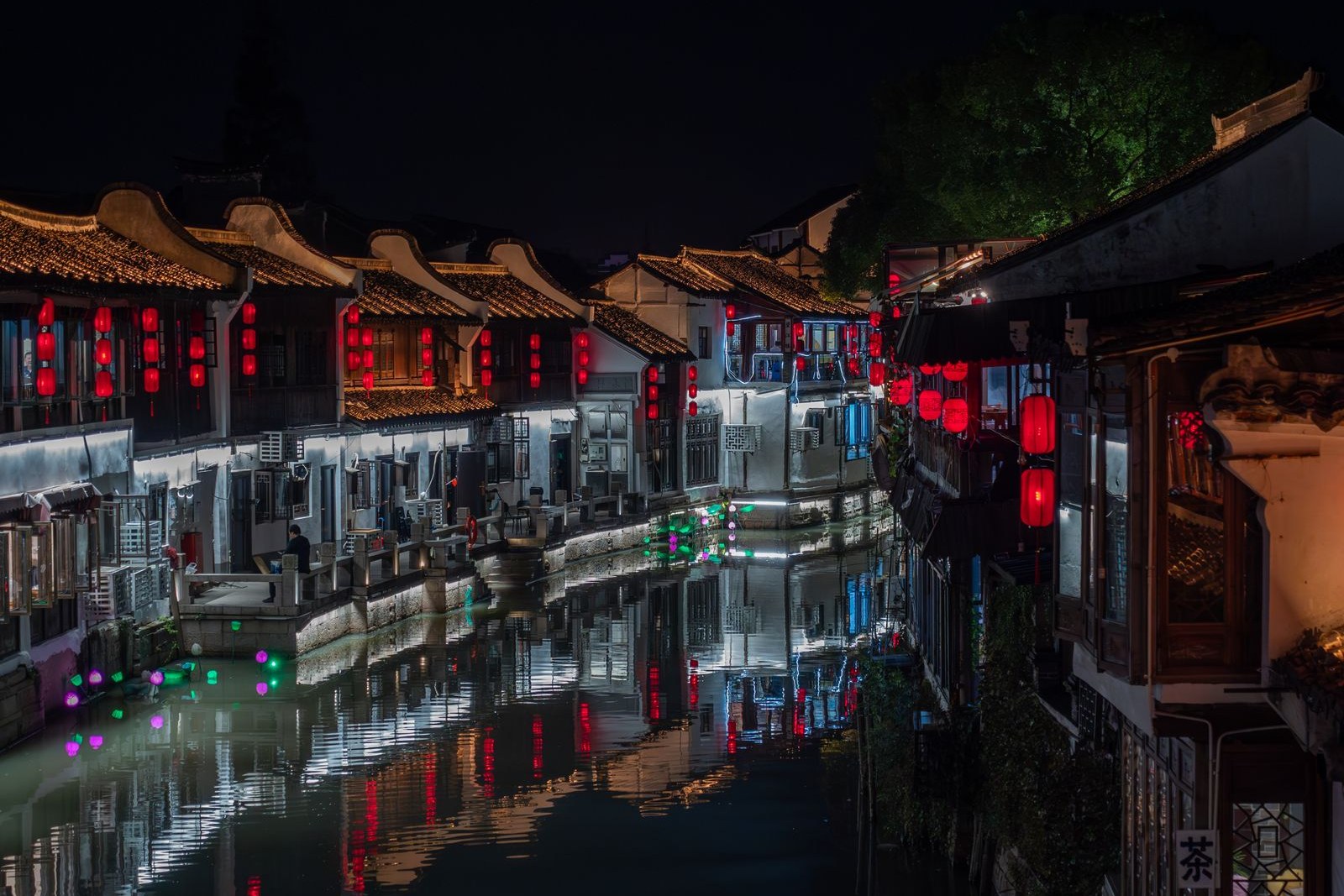
常德河街 Chángdé Héjiē is a reconstruction of the old river-front commercial street that stood here until the twentieth century, when the warehouses and the wharves were replaced by a flood wall and a road. What has been rebuilt is not a facsimile of a specific building but the type: timber shopfronts, projecting eaves, a covered arcade, and a line of businesses that are mostly food. It is a commercial street and it is unembarrassed about it. What makes it worth staying at rather than merely visiting is that it sits directly next to something real — the 常德诗墙 Chángdé shīqiáng, the poetry wall, a three-kilometre stretch of the Yuan River flood defence on which more than a thousand poems have been carved and filled with the work of a thousand calligraphers.
The poetry wall is the strangest and best monument in the city. It was started in the 1990s by people who looked at a concrete dike and decided it should carry literature, and the result is a long, low, continuous wall of stone slabs inscribed with classical and modern verse, arranged in sections, with the calligraphy outsized and the whole thing lit at night. Walking it takes the better part of an hour in one direction. It has become the city’s most-used piece of infrastructure: people walk it, fish beside it, exercise against it, and sit on it. Nobody seems to find the poetry unusual.
What You Are Paying For
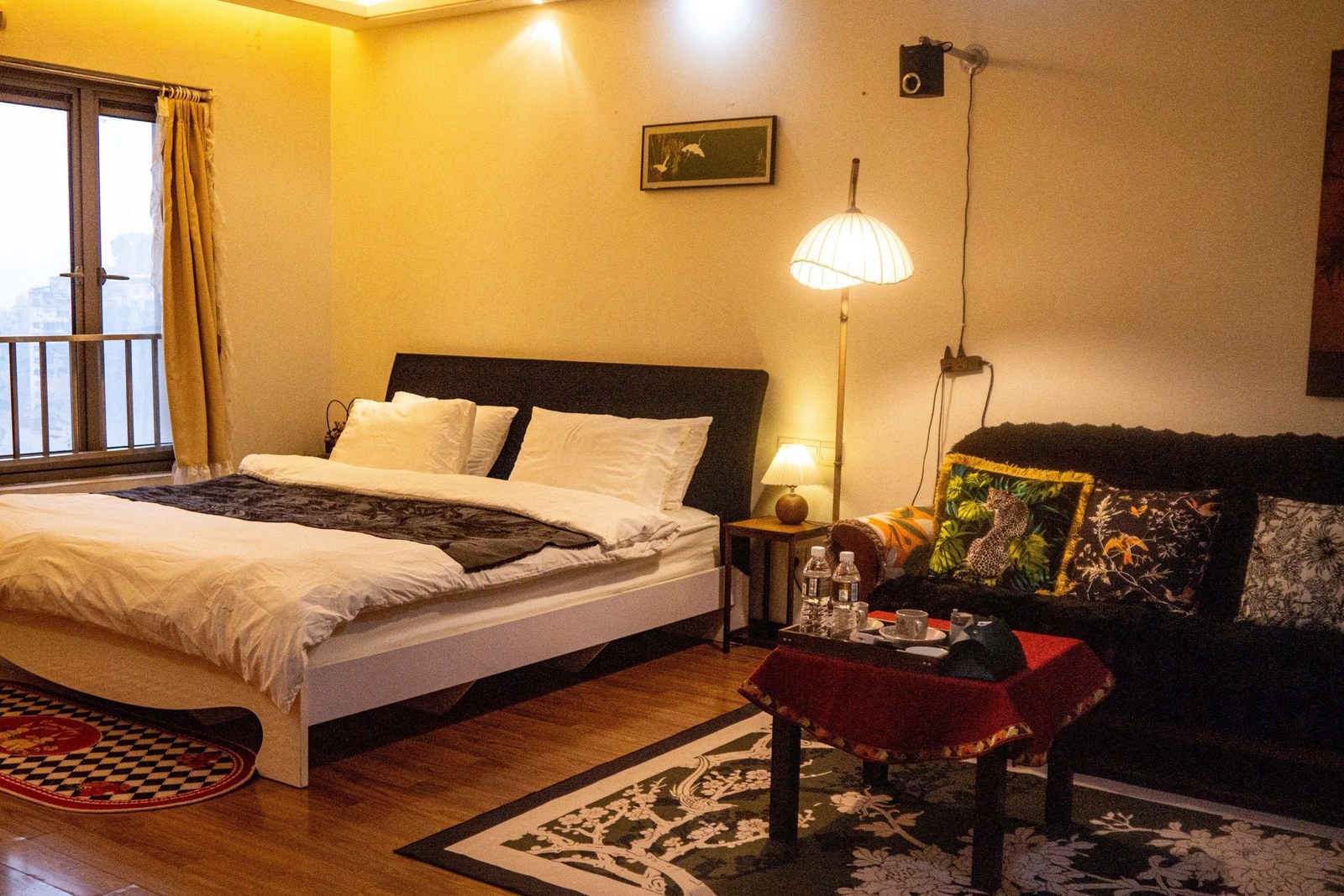
Price. ¥180–380 for a double. For a room on the river street with a balcony at the weekend, ¥380; for one facing the backs of the buildings, ¥180 and it is perfectly comfortable.
Address. 常德河街 Chángdé Héjiē, 武陵区 Wǔlíng Qū, 常德市 Chángdéshì. The guesthouses are on the upper floors of the street’s buildings and in the lanes immediately behind.
Rooms. A few dozen, spread across several small operators. Ask whether the window faces the street — beautiful and slightly noisy until ten — or the courtyard, which is silent.
Getting there. 常德站 Chángdé Zhàn is about 15 minutes and ¥25–40 by taxi. The street is on the south bank of the 沅江 Yuánjiāng, within walking distance of the old city centre.
What the Locals Know
Eat here, but shop around. The street is full of restaurants and the quality varies by a factor of three. The 钵子菜 bōzicài clay-pot places at the northern end and the 酱板鸭 jiàngbǎnyā shops in the middle are the reliable ones.
Walk the poetry wall at dusk. It is lit for a couple of hours after dark and it is much better then than in the middle of the day.
Breakfast is a street away. The 牛肉粉 niúròu fěn shops behind the river street open at six; ask at the guesthouse and they will point you at the one they use.
Buy 酱板鸭 jiàngbǎnyā here on your last day. There is a museum devoted to it on this street with a shop attached, and the vacuum-packed ducks travel.
Where to Stay
The river street is the right choice if you are in Changde to eat and walk. If you want water and quiet, 柳叶湖 Liǔyè Hú is twenty minutes away with bigger rooms and a better view. Doing both — one night on the river, one at the lake — is what people who know the city do.
flowcloud would say that a city which turned its flood defences into twelve hundred poems, and then built a street of restaurants alongside it, has made a more useful contribution to civilisation than most places manage with a museum, and that the fact nobody finds it odd is the best part.
Where to stay: 常德河街 (Chángdé Héjiē), 武陵区 (Wǔlíng Qū), 常德市 (Chángdéshì), 湖南 (Húnán). Doubles ¥180–380. About 15 minutes and ¥25–40 by taxi from 常德站 (Chángdé Zhàn). Ask for a courtyard-facing room, walk the 诗墙 (shīqiáng) at dusk, and eat breakfast at a noodle shop behind the street.