
The hotel belt of the district seat of 长寿区 Chángshòu Qū, Changshou District, runs along the 步行街 bùxíngjiē pedestrian streets and the station roads, and it is built of chain business hotels doing exactly what chains do well: reliable beds, strong showers, buffet breakfasts laid early, and the sort of front desks that print a boarding pass without being asked. Nothing here is trying to be a destination, which is precisely the appeal – the district seat is a working city with a modern hotel trade that prices itself for its own market, and the traveller who books into it gets the standard of a much larger city at the district’s own pace.
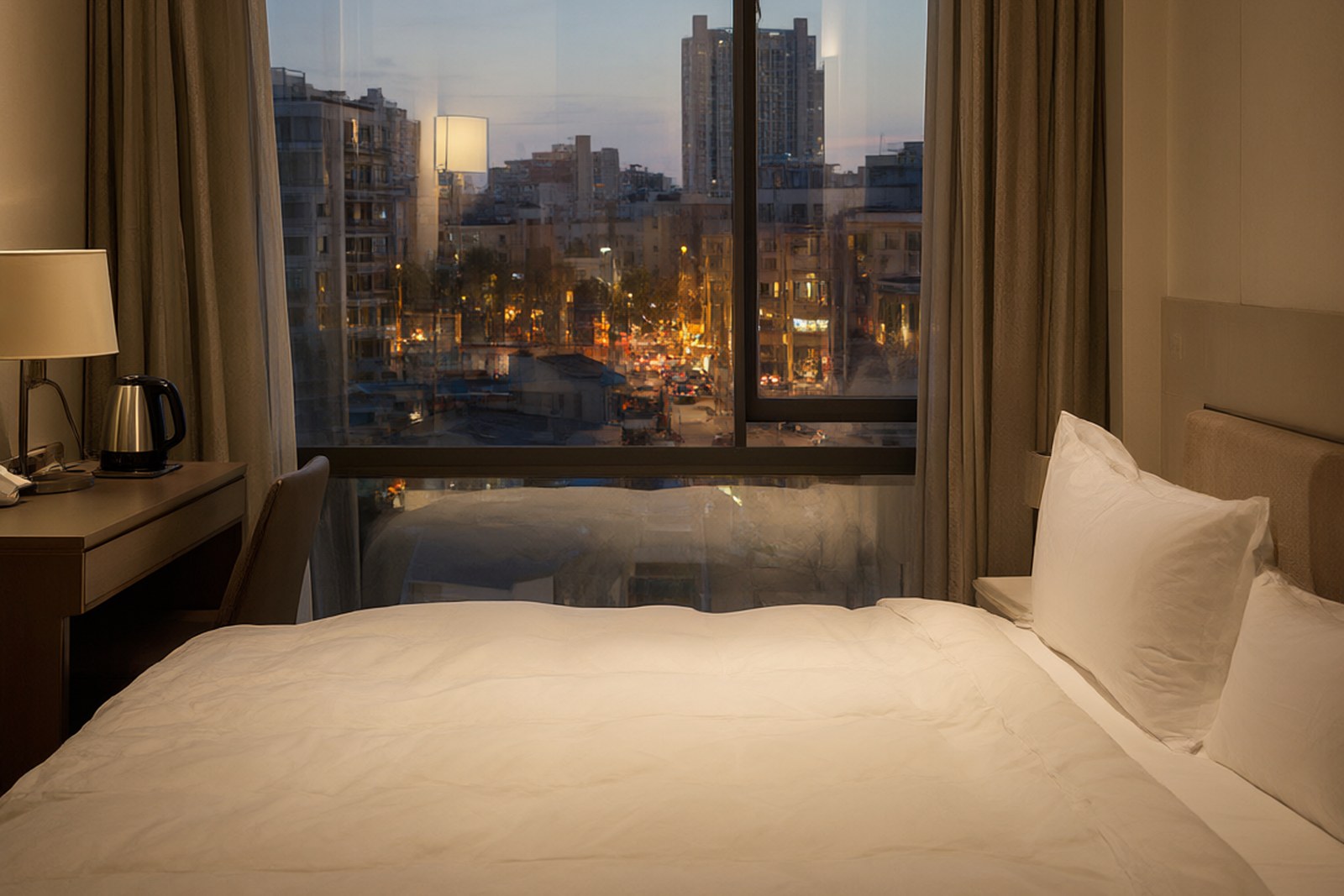
The argument for the district seat as a base is arithmetic and geography together. Prices sit well below central 重庆 Chóngqìng for comparable standards, and the whole of the district hangs within easy reach of the bed: 长寿古镇 Chángshòu Gǔzhèn Changshou ancient town is a short ride away, the lake shuttle leaves from the station square for 长寿湖 Chángshòu Hú Changshou Lake, and the gate of 菩提山 Pútí Shān Bodhi Mountain sits inside the city’s own street grid, close enough to walk from several of the station-road hotels. One room, three headline sights, no repacking – the seat is not the prettiest address in the district but it is the practical one, and it knows it. The trade-off is scenery: the windows look at a working city, not at water or temples, and the belt asks the traveller to take the views by day and the comfort by night, which is a fair exchange at these prices.
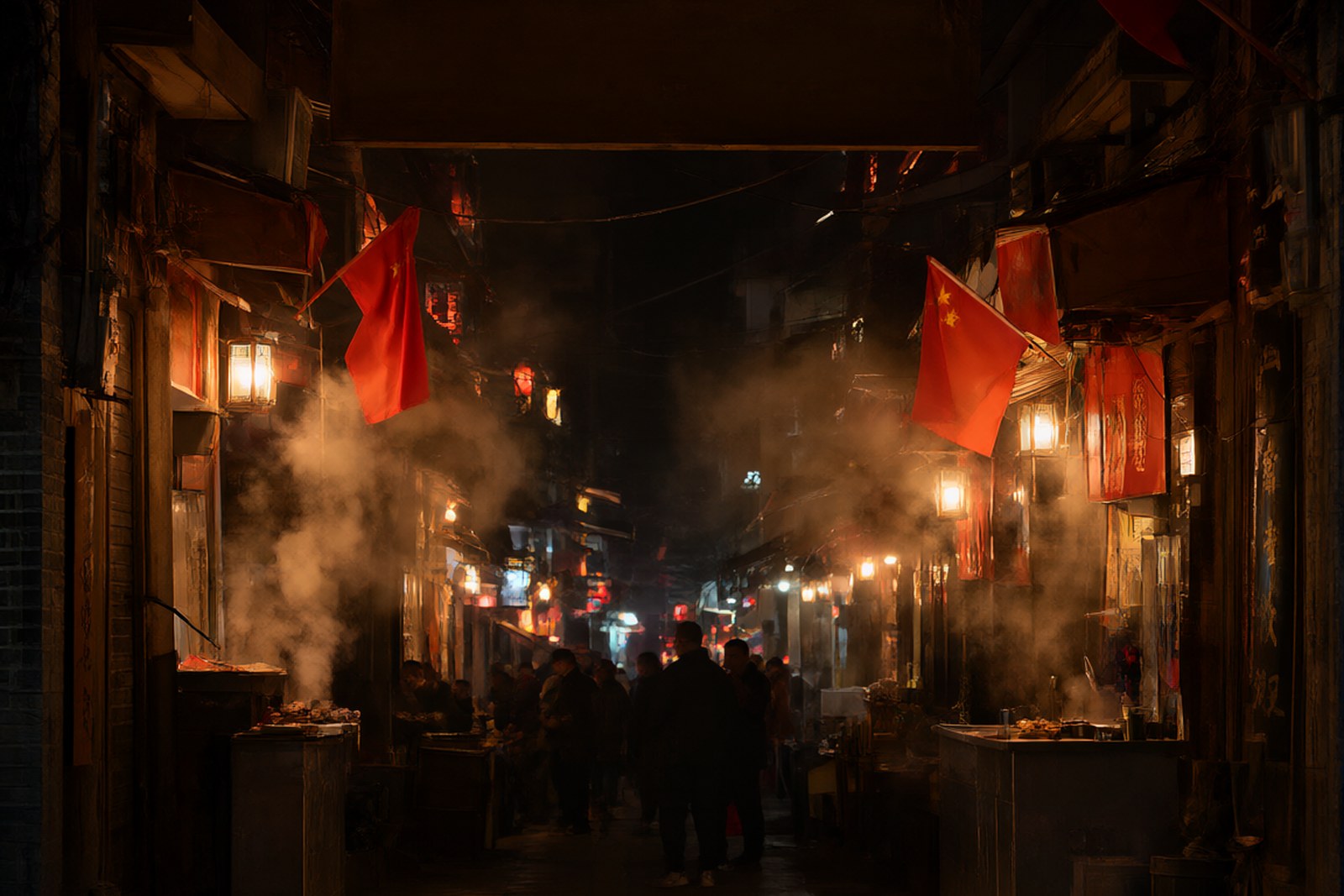
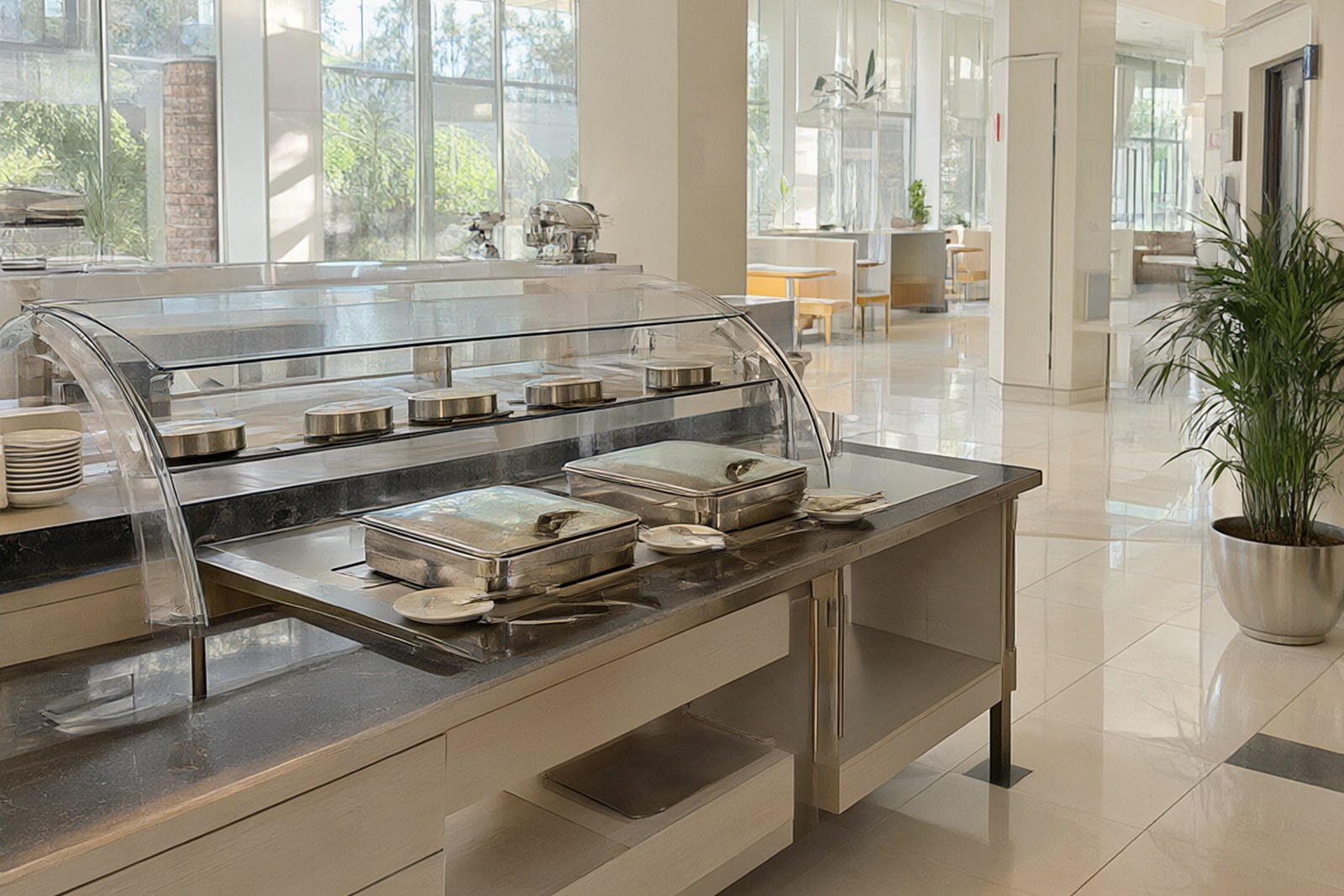
The evenings are the part the chains do not advertise and the city provides free. The riverside walks along the 长江 Cháng Jiāng Yangtze fill after dinner – dancers, strollers, fishermen with rods over the parapet – and the food streets keep late hours: the 肥肠饭 féicháng fàn pork-intestine rice and 米粉 mǐfěn rice-noodle shops run well past the hour a capital’s kitchens would close, which suits the rail traveller arriving at nine and the business guest back from dinner even later. The breakfast buffet, the early desk, the late noodles: the belt is arranged around the schedules of people in transit, and it is none the worse for that. What the chains add is the small mercies of the type – luggage held past checkout for the afternoon shuttle, a desk that books the taxi before it is asked for, a kettle that actually boils – the unglamorous competencies that make a working base work.
The choice within the belt is really a choice of two addresses. The station-adjacent hotels make a one-night stop entirely painless – luggage, bed, breakfast, platform, in that order, with the lake shuttle square between the bed and the train. The pedestrian-street hotels trade a few minutes’ walk from the platforms for the food streets at the door and the evening riverside circuit starting at the lobby. Both classes are the same chain comfort underneath; the difference is whether the traveller’s free hours fall at dawn or at night, and the belt has a bed arranged for each.
Words and Names
长寿区 Chángshòu Qū, Changshou District, of 重庆 Chóngqìng: the district seat’s business-hotel belt along the 步行街 bùxíngjiē pedestrian streets and the station roads, chain comfort with buffet breakfasts and boarding-pass front desks, priced below the central city for comparable standards. The seat is the practical base for 长寿古镇 Chángshòu Gǔzhèn Changshou ancient town, the lake shuttle to 长寿湖 Chángshòu Hú Changshou Lake from the station square, and the gate of 菩提山 Pútí Shān Bodhi Mountain inside the street grid; evenings go to the riverside walks and the food streets’ 肥肠饭 féicháng fàn pork-intestine rice and 米粉 mǐfěn rice noodles. No named hotel, posted rate or star count is on the record consulted, and none is invented here.
What the Locals Know
The local knowledge is the side and the season. The side is the choice above: station side for the one-night transit and the shuttle square, pedestrian-street side for the evenings and the food lanes, and the two are a short taxi apart so there is no wrong answer, only a better one for the itinerary. The season is the weekend, when 重庆 Chóngqìng plates fill the same hotels the weekday business trade uses and the lake shuttle runs fuller; a midweek booking gets the same room for less noise and the front desk’s full attention. Ask the desk for the shuttle timetable at check-in rather than at the platform – the square’s departures are the district’s least-advertised and most useful service, and the desks know the day’s schedule before the signs do.
Price. The seat’s business hotels price well below central Chongqing for the same standard, quoted by the platforms and honoured at the desk; no posted tariff sheet is on the record consulted, and the page quotes none. Rooms on the station side run cheapest, and the difference buys nothing but noise.
Address. The belt runs along the pedestrian streets and the station roads of the 长寿区 Changshou District seat; no hotel-by-hotel directory is on the record consulted, and the practical address rule is simple – the closer to the station, the plainer the street and the lower the rate.
Getting there. The stations sit inside the belt, so arrival and check-in are one taxi-free motion; from any of the desks the old town, the lake shuttle and the mountain gate are a short ride, which is the whole argument for basing here.
flowcloud would say that the lodging of the district seat is the chain business class – the pedestrian-street and station-road belt of 长寿区 Changshou District, reliable beds and buffet breakfasts at prices below central Chongqing – and that the correct booking is by address rather than by name: station side for the rail stopover and the lake shuttle, pedestrian-street side for the food streets and the riverside evenings, with the ancient town, the lake and the mountain all reachable without repacking, because no named hotel or posted rate survives in the record consulted and none is invented. All checked October 2026.
Where to stay: the hotel belt runs along the 步行街 bùxíngjiē pedestrian streets and the station roads of the district seat of 长寿区 Chángshòu Qū, Changshou District – rail arrivals step out to the station-adjacent houses, the lake shuttle departs from the station square, the ancient town is a short ride away, and the gate of 菩提山 Pútí Shān Bodhi Mountain is inside the street grid. Book by side through the platforms for the timing that suits the trip, and the whole district runs from one bed. Pair this page with the ancient-town, lake and mountain pages for the three days the seat serves. All checked October 2026.