
The old town of 潮州 Cháozhōu in eastern 广东 Guǎngdōng is a place where it pays to sleep inside the walls. The historic core is a tight grid of lanes and 骑楼 qílóu arcades wrapped around 牌坊街 Páifāng Jiē, the memorial-archway street, and the best way to feel it is to stay in one of the small inns that have been converted from old courtyard houses and shopfronts. You wake up to the sound of shutters, not traffic.
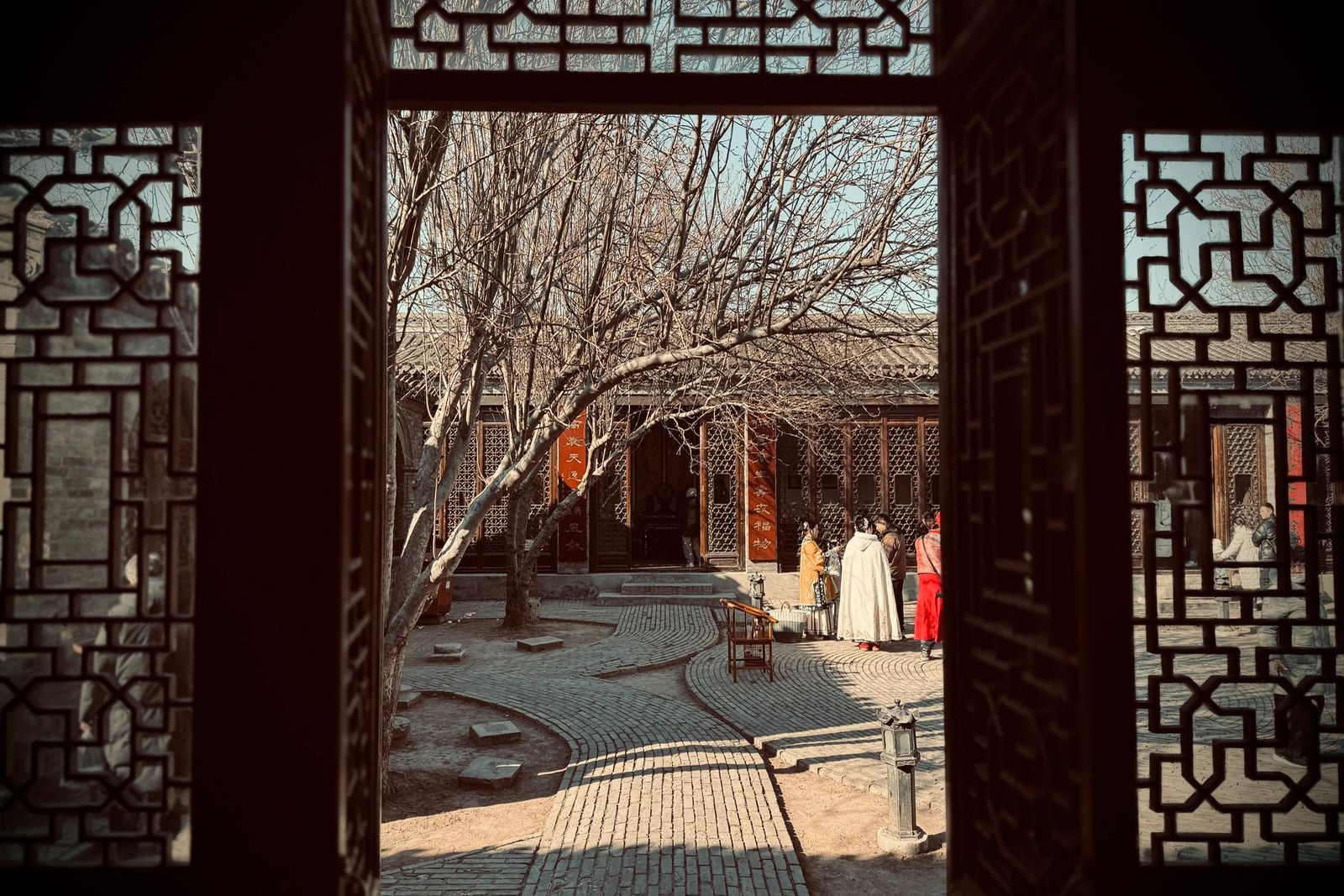
Most of these inns occupy 老厝 lǎocuò — the old single-storey or two-storey houses of the region — and they keep the bones of the original building: grey brick, timber beams, a small skywell courtyard, carved screens. The result is somewhere between a guesthouse and a museum, and it puts the whole old town within a few minutes’ walk.
The Rooms
Rooms in the old-town inns are small and characterful rather than grand. Expect a comfortable bed, a modern private bathroom (the one part that is always new), air conditioning, and often a window or a balcony overlooking a lane or a courtyard. Because the buildings are heritage structures, room sizes vary a lot from one to the next — the corner rooms and the ones facing the courtyard are the ones to ask for.
Prices sit in the modest mid-range, higher than a chain hotel in the new city but well below a luxury resort, and the value is the location and the atmosphere. A few inns double as teahouses and offer 工夫茶 gōngfu chá — Chaozhou’s own meticulous tea service — to guests in the courtyard in the evening, which is worth seeking out.
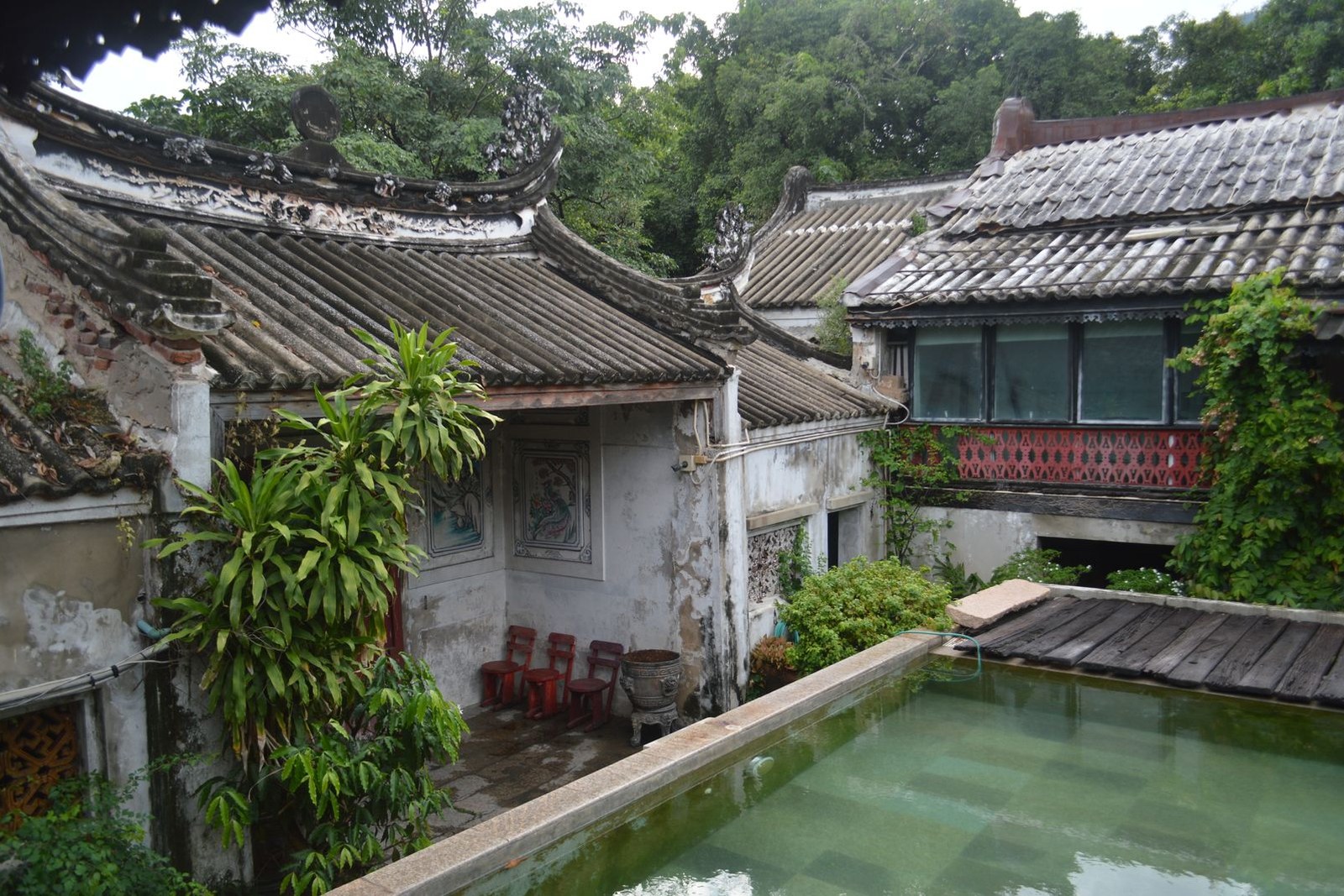
Around the Old Town
The reason to stay here is that everything worth seeing is on foot. 牌坊街 Páifāng Jiē runs through the middle, lined with archways and small shops; the 广济桥 Guǎngjì Qiáo, the famous bridge of boats across the 韩江 Hán Jiāng, is at the eastern end, and 开元寺 Kāiyuán Sì, the great Tang-dynasty temple, sits to the west. In between are lanes full of 牛肉丸 shops, teahouses, and workshops making the region’s crafts.
Go out in the evening, when the crowds thin and the arcades light up, and again early in the morning, when the old men are out with their teapots. The old town rewards slow walking and repeated passes rather than a checklist.
Practicalities
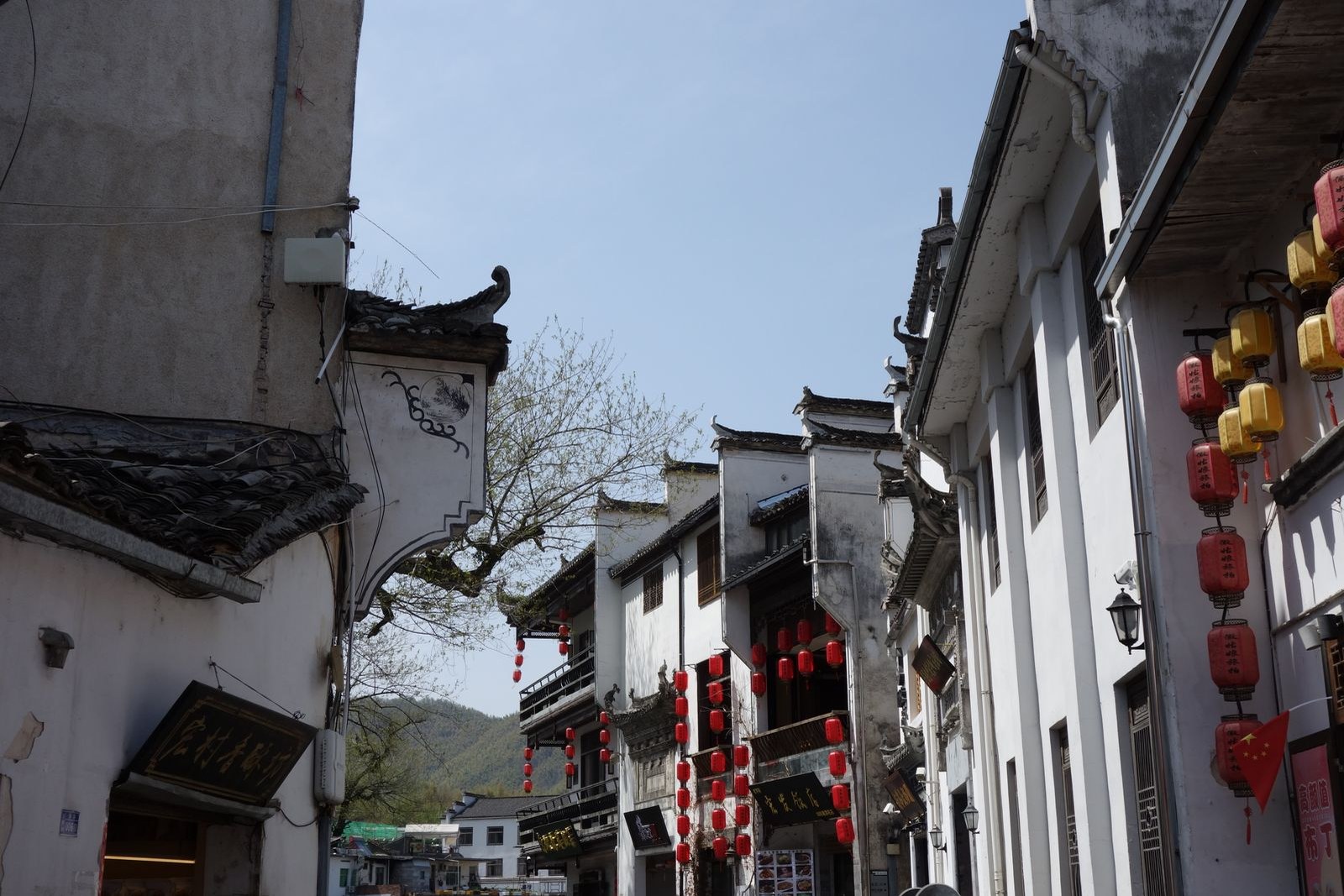
Price: Modest mid-range — more than a standard city hotel, far less than a resort. Courtyard-facing and corner rooms cost a little more. Address: Inns are scattered through the historic core around 牌坊街 Páifāng Jiē and the lanes near 广济桥 Guǎngjì Qiáo, in 湘桥区 Xiāngqiáo district, 潮州 Cháozhōu, eastern 广东 Guǎngdōng. Rooms: Small heritage rooms with private bathrooms; ask for a courtyard view or a room on an upper floor, and check the size, since no two are alike. Getting there: see below.
Where to stay: 潮州 Cháozhōu is in eastern 广东 Guǎngdōng, reached by high-speed rail to 潮汕 Cháoshàn station and then by taxi or bus into the old town, about half an hour away; 揭阳 Jiēyáng airport serves the region. The inns cluster in the lanes around 牌坊街 Páifāng Jiē, within walking distance of 广济桥 Guǎngjì Qiáo and 开元寺 Kāiyuán Sì, and a stay of two nights is about right to see the old town slowly. Flowcloud would say that the right way to see a place like Chaozhou is to sleep in it, so that the tourists leave and the lanes go quiet and the town goes back to being itself. Book a room on the archway street, and let the old town come to you.