
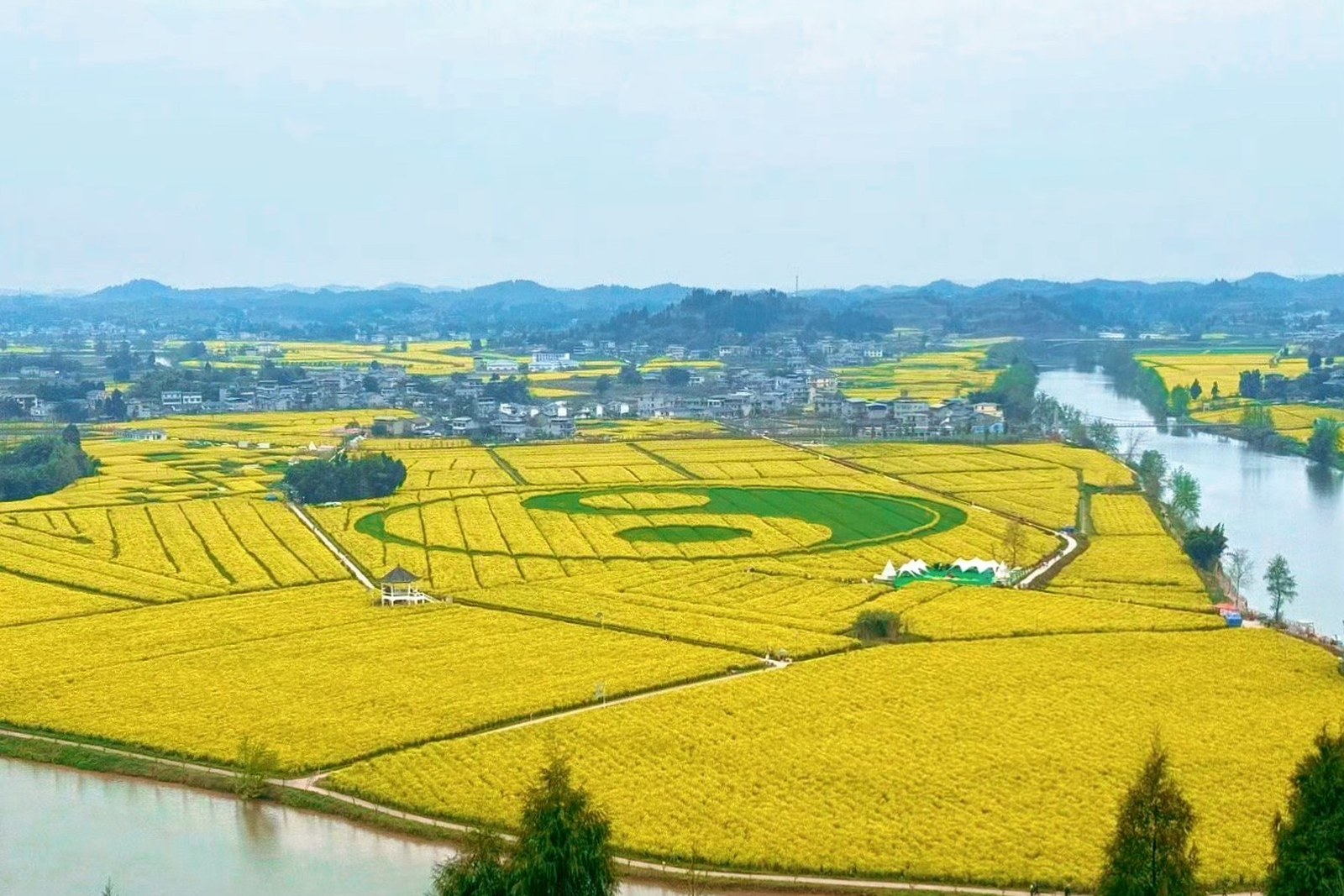
崇龛 Chóngkān Chongkan, in the southern fields of Tongnan, is the district’s spring headline: terraces of rapeseed flowers (油菜花) that run gold from edge to edge when the season turns. The stays here are farmhouse and guesthouse rooms set among those terraces, simple lodgings whose whole point is to put you inside the bloom rather than driving in for a few hours and leaving. Visitors wake to fields wet with morning mist and step straight from the door into the yellow, which is the experience the seasonal guest is paying for. It is rural and unpretentious — a bed, a hot meal, and a view that changes colour with the light — and for the blossom window that is exactly enough.
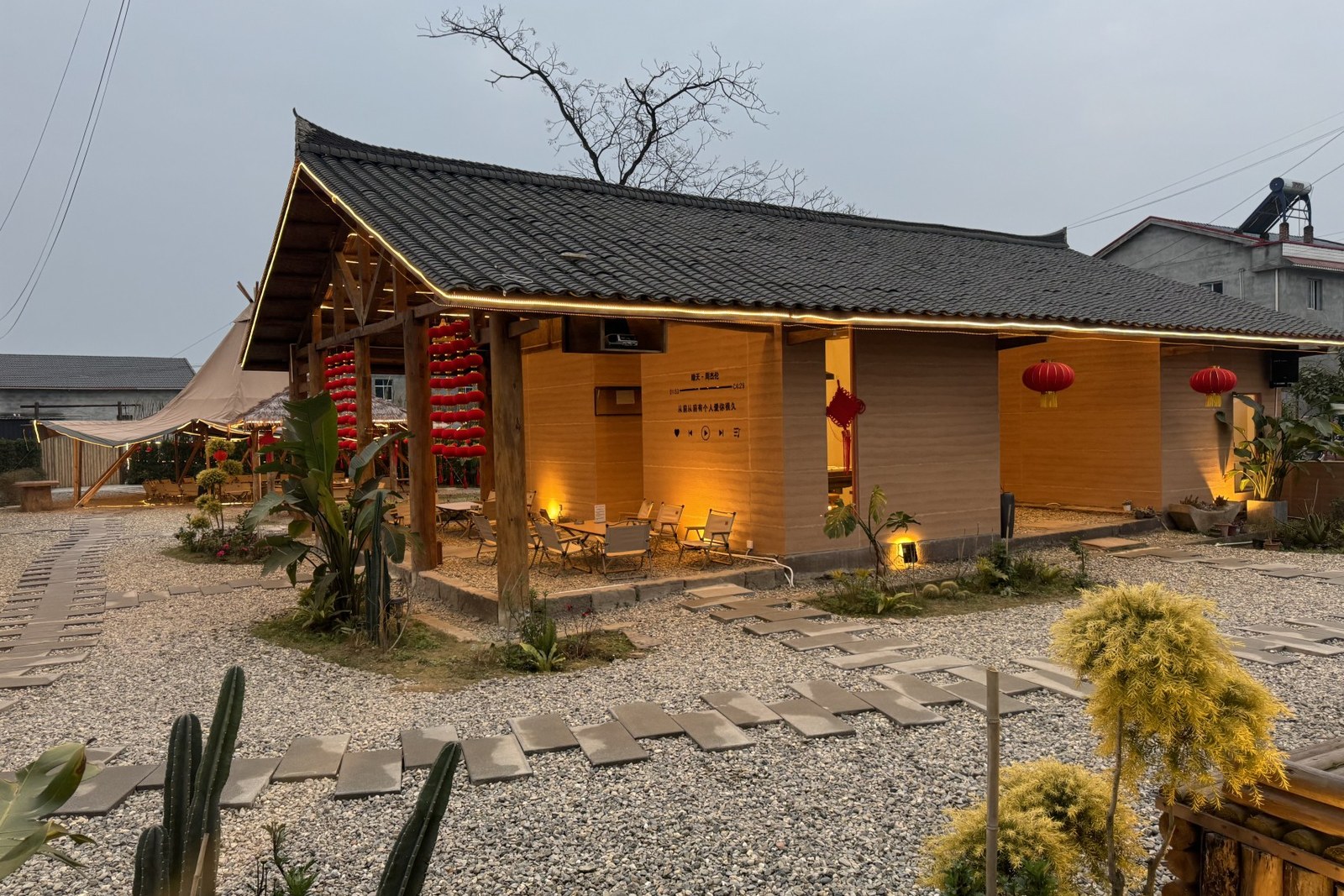
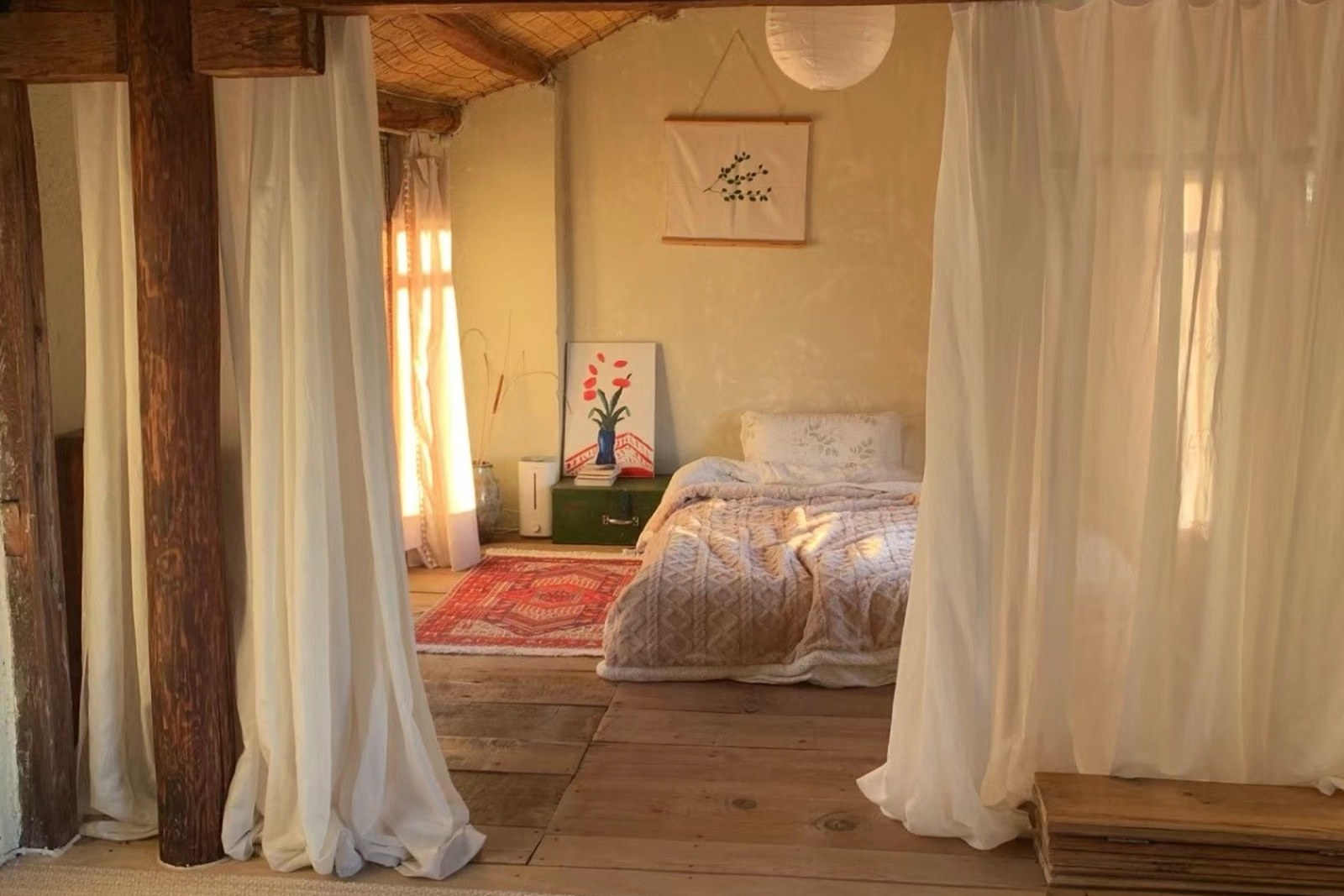
The rooms are farmhouse plain. Expect clean tiled floors, a firm bed, a private or shared bath, and a host family who will feed you from the kitchen rather than a menu. What you are buying is proximity: the best rooms look straight onto the terraces, so the flower sea is the first thing in the frame at dawn and the last thing at dusk. Some guesthouses have been converted from older village houses with a small courtyard where guests sit with tea; others are newer builds put up for the season, plainer but with better plumbing. None pretend to be resorts, and the honest guest comes for the land, not the linen count.
The season governs everything. The bloom is short and weather-driven, so the fields can be sparse in a cold spring or already cut in a warm one, and the rooms are booked out in March for the blossoms when the terraces are at their peak. Outside that window the guesthouses often slow or close, which makes a flower-season stay a narrow, deliberate trip rather than a year-round option. Travellers who come for the gold should plan the dates around the bloom report, not the calendar, and treat the room as the means to be in the field at first light.
Take the room for the view and the early access, and accept the farmhouse basics as the deal. The stay is worth it only in the bloom, which is the honest truth of a flower-town guesthouse.
Words and Names
崇龛 Chóngkān is Chongkan, the town in southern 潼南区 Tóngnán Qū Tongnan District ringed by spring rapeseed-flower terraces. 油菜花 yóucàihuā is the rapeseed flower, the gold crop that turns the Chongkan fields each spring. 潼南区 Tóngnán Qū is Tongnan District in Chongqing Municipality where the bloom draws seasonal visitors. 农家 nóngjiā is the farmhouse, the kind of family home that takes guests during the flowering season. 涪江 Fú Jiāng is the Fu River that runs through the broader district and feeds the farm country around Chongkan.
What the Locals Know
The rooms are booked out in March for the blossoms and the fields themselves are weather- and variety-dependent, so locals say to time the trip to the bloom report rather than a fixed date and to lock in a room well ahead in peak season. Outside the flowering window many guesthouses slow down or close, so a flower-town stay is a deliberate spring trip, not a year-round option, and winter visitors will find little open. Transport is rural: a car or a booked driver is near-essential because the terraces sit outside the town centres and public runs are thin, and the best rooms are the ones whose windows face the fields rather than the road. No specific guesthouse name, address, price or owner is stated here; the lodging is a general seasonal feature of the Chongkan flower country.
flowcloud would say that Chongkan Flower Town offers farmhouse and guesthouse rooms set among Tongnan’s spring rapeseed-flower terraces, booked out in March for the blossom and valued for stepping straight from the door into the gold fields at dawn, with the stay meaningful only in the short flowering season. All checked October 2026.
Where to find it: the stays sit among the rapeseed terraces around 崇龛 Chóngkān Chongkan in southern 潼南区 Tóngnán Qū Tongnan District, Chongqing, outside the district seat and reached by road through the farm country, with rooms in converted village houses and newer seasonal guesthouses facing the fields. No specific guesthouse, address or price is invented here; the lodging is a general seasonal feature of the flower country rather than the property of one named house. All checked October 2026.