
Grape Trellises and Melon Patch Mornings: Courtyard Farmstays Around Hami, Xinjiang
葡萄架下瓜果香,农家院里日月长 Pútáo jià xià guāguǒ xiāng, nóngjiā yuàn lǐ rìyuè cháng – Under the grape trellis the fruit smells sweet; inside the farmhouse courtyard the days pass long and slow.
乡村庭院农家 xiāngcūn tíngyuàn nóngjiā the countryside courtyard farmstays scatter through the irrigated villages around Hami – melon-field hamlets east of the city and grape-growing lanes in the oasis belt, where every yard is roofed with trellises and the ground smells of floodwater and dry grass (worth confirming the details for which villages take overnight guests; several families register as homestays in season). Rooms are simple: a kang or proper beds, cotton quilts sun-dried on the wall, a thermos always full. What they sell is rhythm – dinners pulled from the household’s own patch, shade thick enough for a long afternoon, and mornings where the loudest event is a tractor changing gear.
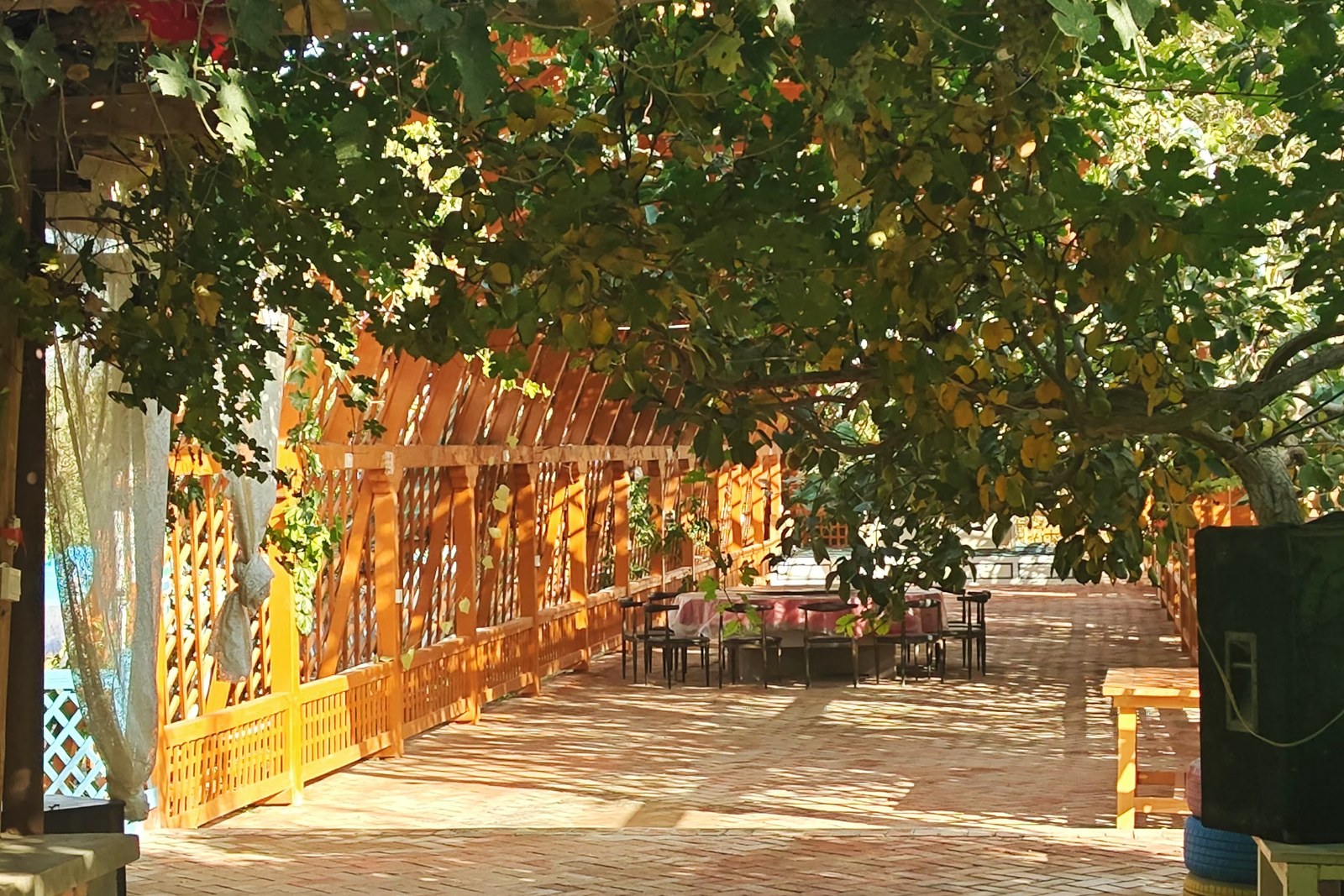
The guests who thrive here are families with children who want to see where melons actually grow, photographers working the oasis light against poplars and mud-brick walls, and repeat Xinjiang travellers tired of hotel corridors who want to hear wind in the trellises all night. Expect shared bathrooms in many houses, meals at fixed hours and hosts who feed you past the point of politeness. The stock answer in kind: take the corner room facing the trellis, accept the second helping of lamb, and let the farm’s clock replace your own for a night or two.
Call it honestly: a farmstay is not a retreat centre – insulation is thin, flies arrive with the melons, and privacy runs on village terms, with the household’s television audible through an internal wall (worth confirming the details for private bathrooms if that matters to you; the newer builds have them). The moments that justify the choice cannot be bought in town: a watermelon cracked open at the yard table at dusk, kids chasing the household cat between melon ridges, and a night sky unlit by anything but the yard bulb. Come in late summer when the melons and the trellises peak, bring earplugs if you sleep light, and do not book just one night – the second morning is the one that lands.
The Stays
The melon-village farmstays on the oasis edge put you among the fields that made the name famous – long trellis yards, dinner tables under the vines and hosts who cut fruit the moment a guest sits down.
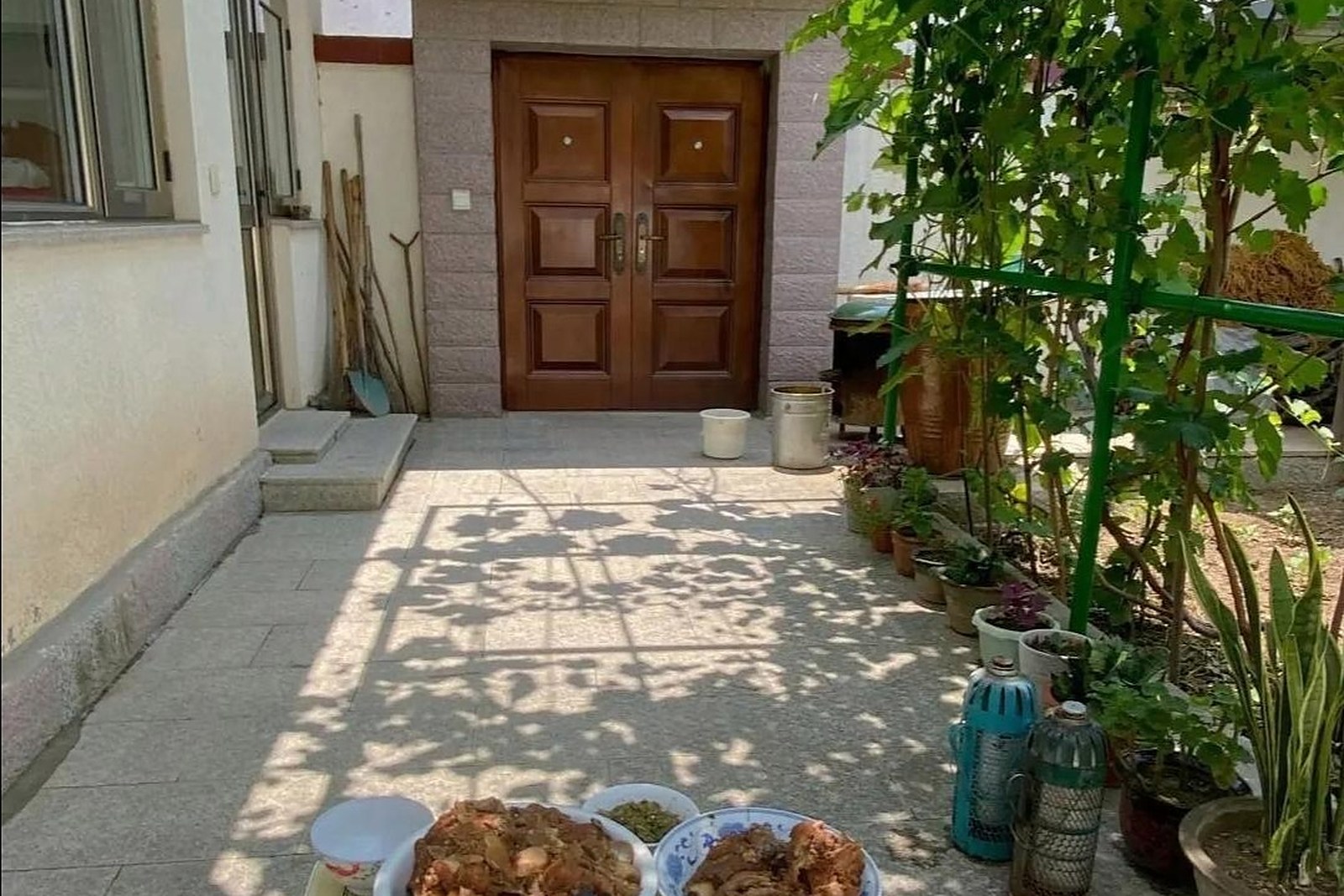
The grape-lane homestays closer to the city keep older courtyard houses with thick poplar shade, drying raisins on the flat roofs and the shortest run back into town for dinner.
The newer courtyard guesthouses along the village roads build proper en-suite rooms behind the old facade – the compromise that suits families who want village mornings and hotel bathrooms.
Nearly everything else on this Hami list trades a different mood on the same oasis: 市区酒店 shìqū jiǔdiàn Hami City hotels for the business comfort, 回王府周边住宿 Huíwángfǔ zhōubiān zhùsù Royal Mansion area stays for the caravan quarter, 巴里坤县城住宿 Bālǐkūn xiànchéng zhùsù Barkol county stays for plateau nights, or 高铁站片区住宿 gāotiě zhàn piànqū zhùsù Railway station area stays for timetable logistics – four more doors into the same 哈密市 Hāmì Shì Hami City. Once the night is planned, our Hami travel map fills the days.
The Stays
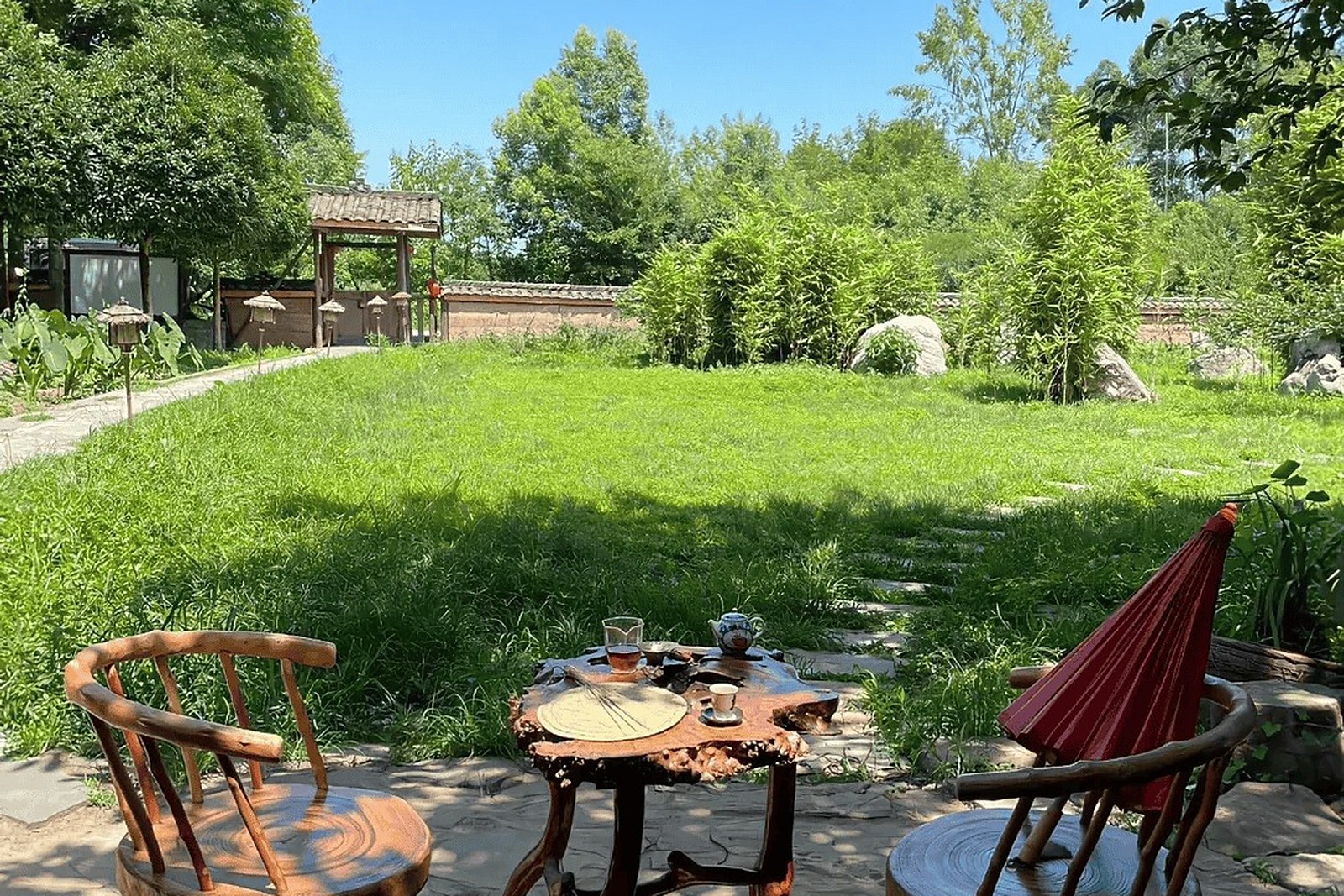
flowcloud would say the courtyard farmstay is the oasis’s slow heart: trellises overhead, melons at your elbow, and a night measured in wind changes instead of notifications. All checked November 2026.
Where to stay: Base yourself at the vineyard and orchard courts on the city’s outskirts for the starfield nights and the farm suppers, or back in town for the morning departures, favouring rooms with the kang heated in the cold months. All checked November 2026.