
This is a county-town homestay with a museum next door, and the combination works better than it sounds. 湖寮镇 Húliáo Zhèn is the county town of 大埔县 Dàbù Xiàn, and the county museum is a short walk from the centre, in a building that is itself part of the story: 大埔 is the county with the greatest density of surviving 客家 Kèjiā houses in Guangdong, and its museum keeps the drawings, tools and photographs of how they were built. Staying in the town rather than in a village puts you within walking distance of the museum, the morning market and the bus station, and it puts a converted family house, rather than a resort, around you. The rooms are the wide, high-ceilinged rooms of a 客家 house with the courtyard intact, and the family that runs it is usually the family that built it.
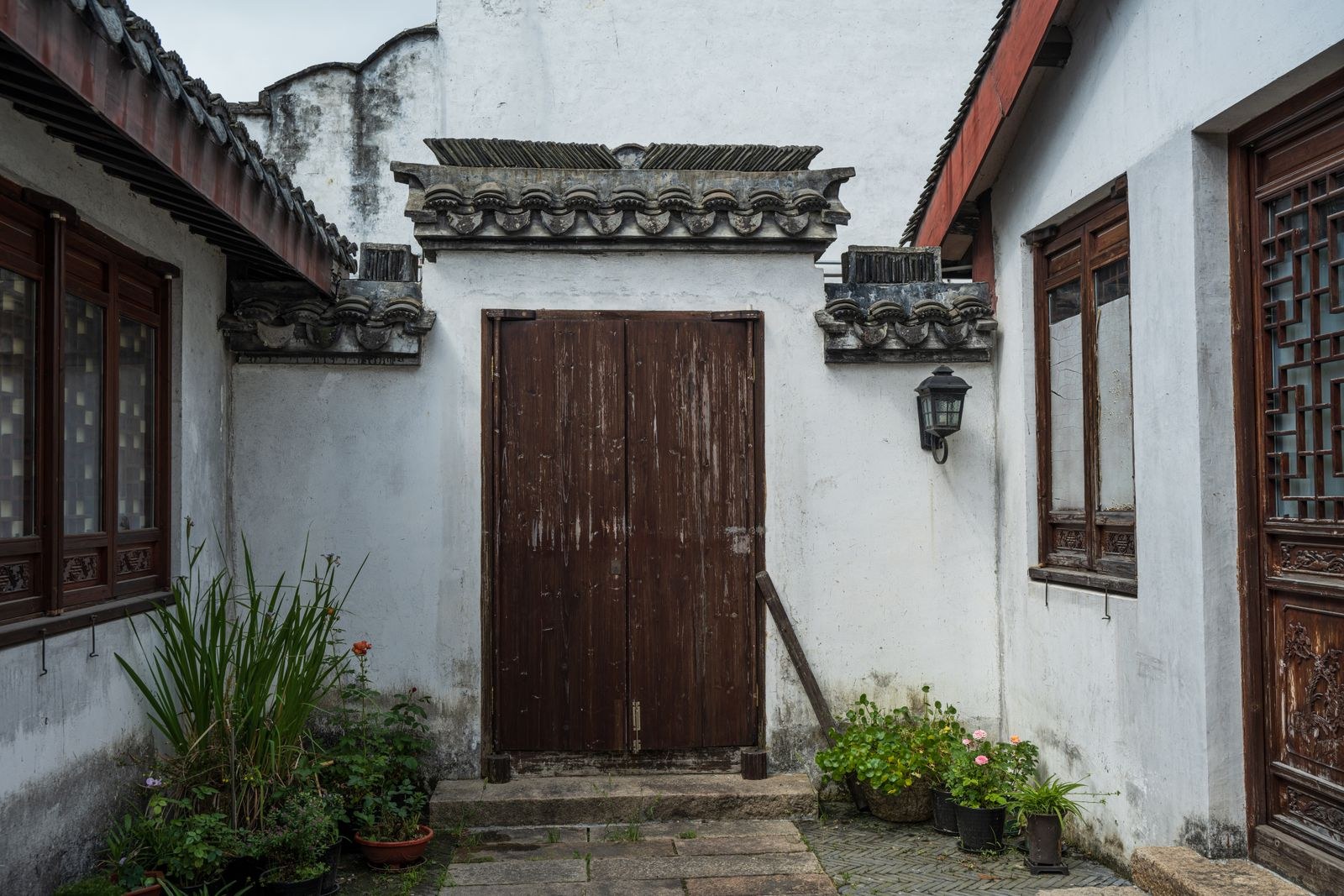
The building type is worth understanding before you sleep in it. A 客家 house in 大埔 is typically a 堂横屋 tánghéng wū: a central hall on an axis with two side wings, built of rammed earth or grey brick, roofed in the local grey tile, with the outer wall almost windowless and the light coming from the courtyards. A homestay in one of these has had the plan lightly adapted, which usually means the family has moved into one wing and the guests occupy another. Ceilings are high enough that an air conditioner has to work hard in summer, the floors are stone or polished concrete, and the doorways are framed in heavy timber with a raised threshold that you will trip over exactly once.
湖寮 is small enough to walk and large enough to have a decent market, and the food is the reason to be here rather than in a resort. 大埔 is where 老鼠粄 lǎoshǔ bǎn is taken most seriously, and the county is also known for 大埔蜜柚 Dàbù mìyòu, the local pomelo, and for 客家娘酒 Kèjiā niángjiǔ, the sweet red rice wine that every household makes in winter. Breakfast is served by the family in most of these homestays and is usually better than anything you would find in a hotel of the same price, because it is what the family eats.
What the Rooms Are Like
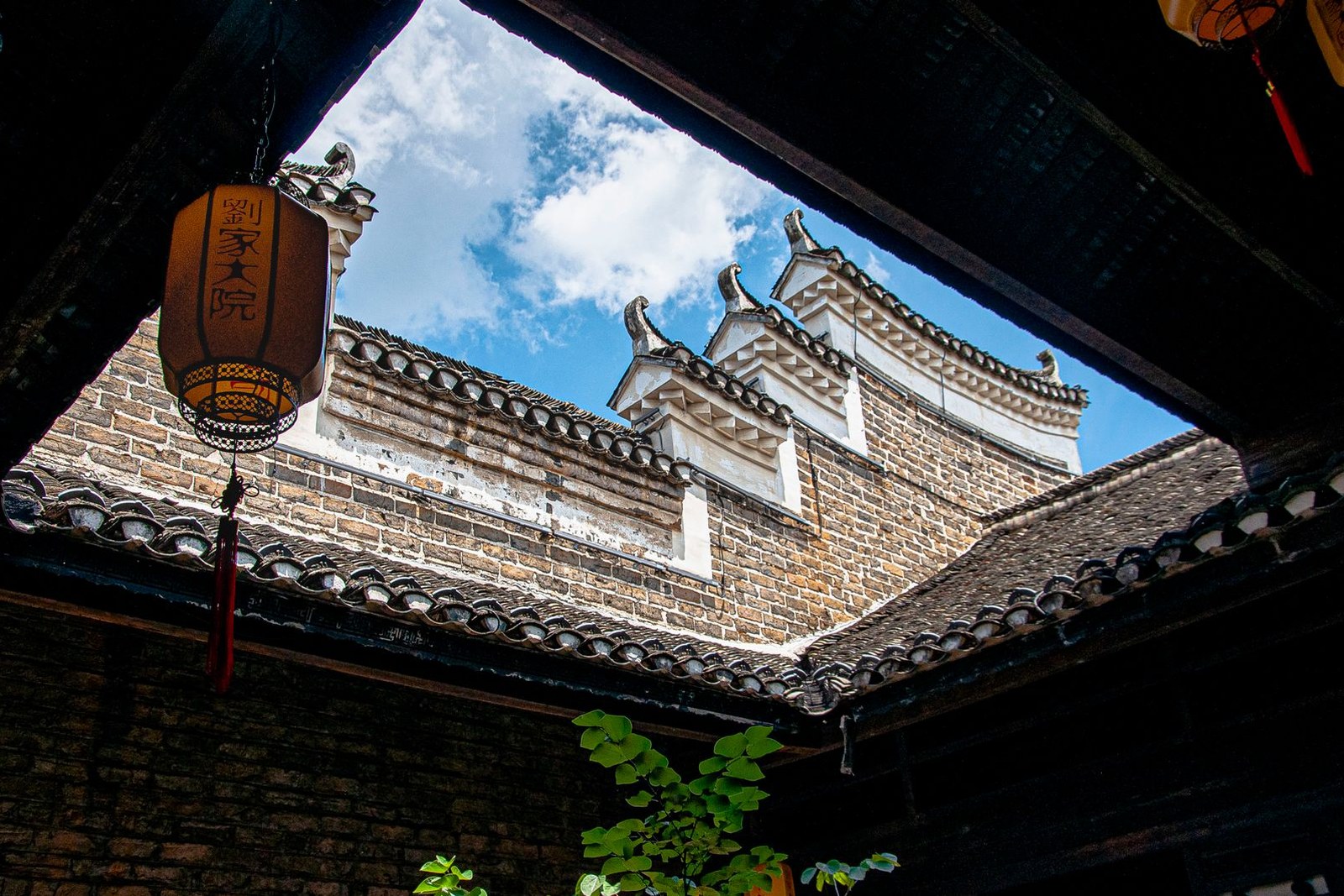
Rooms are large and plain, with a bed, a wardrobe, a desk and a bathroom that has been fitted into the corner of the original space. The best rooms face the courtyard and get the light well; the back rooms are quieter and darker. Walls are thick enough that you will not hear the neighbours, and thin enough in the roof that rain is loud. Look at whether the bed has been raised off the floor on a frame, which matters in the wet season in a building with stone floors, and ask whether the room has an independent hot water heater, because a shared one in a house this size can run cold at the breakfast hour. Family homes sometimes have a shared sitting room with a tea table where guests are invited to sit, which is usually the most interesting room in the building.
Practicalities
Price. A double runs about ¥120 to ¥320 a night, breakfast included in most of the family-run houses and excluded in the larger ones. A whole wing for a family is possible in the bigger conversions. Rates barely move except during 春节 Chūnjié and the 柚子 yòuzi harvest in autumn, when buyers fill the town.
Address. 湖寮镇 Húliáo Zhèn, 大埔县 Dàbù Xiàn, in the streets around the county museum and the main market, all within about fifteen minutes on foot of each other. Ask for the address in Chinese before you arrive, since the lanes in the old part of town are not reliably named on foreign maps.
Rooms. Ask for a courtyard-facing room and for the family to serve breakfast at your hour rather than theirs, which is worth arranging the night before. Ask whether the house keeps the original 天井 tiānjǐng open to the sky, because a covered light well changes the whole feel of the middle of the building. If you are sensitive to damp, ask for an upper floor, which is drier in the wet months.
Getting there. 大埔县 is in the far east of 梅州市, two hours or more by road from 梅州西站 Méizhōu Xī Zhàn. Buses run from the 梅州 terminal into 湖寮 several times a day, and the journey is on mountain roads with good views and slow traffic. From 湖寮 the famous houses at 百侯 Bǎihòu and 茶阳 Cháyáng, and the circular 花萼楼 Huā’è Lóu at 大东 Dàdōng, are all reachable in under an hour by car.
flowcloud would say that the best thing about sleeping next to the county museum is that you visit it before breakfast, when the town is still quiet, knowing that the house you slept in could be the next exhibit and hoping it never is.
Where to stay: in a converted family house in 湖寮镇 Húliáo Zhèn in 大埔县 Dàbù Xiàn, in a courtyard-facing room and preferably on an upper floor. Confirm that breakfast is included and that the bathroom is en suite, walk to the county museum early, and eat 老鼠粄 lǎoshǔ bǎn at a town stall before you leave.