
且将新火试新茶。Qiě jiāng xīn huǒ shì xīn chá – Take the new fire and brew the new tea. (Su Shi, ‘Cherish the Ruins Terrace’)
The stay in 德宏茶山民宿 Déhóng cháshān mínsù Dehong tea-hill guesthouses belongs, in substance, to 三台山 Sāntáishān – 三台山德昂族乡 Sāntáishān Dé’ángzú Xiāng, the country’s only 德昂族 Dé’ángzú De’ang ethnic township, on the hills about twenty-odd kilometres southwest of 芒市 Mǎngshì (worth confirming the exact distance and drive time). Its core is 出冬瓜村 Chūdōngguā Cūn Chudonggua village, a 中国传统村落 Zhōngguó Chuántǒng Cūnlùò national traditional village of 干栏式建筑 gānlánshì jiànzhú stilted Deang houses founded in the 明清 Míngqīng Ming-Qing centuries, ringed by a thousand-plus 亩 mǔ of tea gardens and centuries-old 古茶树 gǔ cháshù trees. The 德昂族 Dé’ángzú call themselves the ‘ancient tea farmers’, children of the tea tree in their epic 《达古达楞格莱标》Dágǔ Dáléng Géláibiāo, and their 德昂酸茶 Dé’áng suānchá Deang sour tea – made by 厌氧发酵 yānyǎng fājiào anaerobic fermentation over four to nine months – is a national intangible-heritage item (2021) and, since 2022, part of the UNESCO list as a sub-item of China’s tea-processing traditions. The lodging is young and village-scale: Deang stilt houses rebuilt as guest rooms facing the gardens, a dozen-odd tea-themed 农家乐 nóngjiālè farm kitchens serving the 酸茶宴 suānchá yàn sour-tea banquet, and study-tour houses where you pick, steam, ferment and seal tea in bamboo. The supporting cast – the 德昂族博物馆 Dé’ángzú Bówùguǎn Deang museum, the 水鼓广场 Shuǐgǔ Guǎngchǎng water-drum square, the 圣水大榕树 Shèngshuǐ Dà Róngshù sacred banyan – is a walk around the village loop.
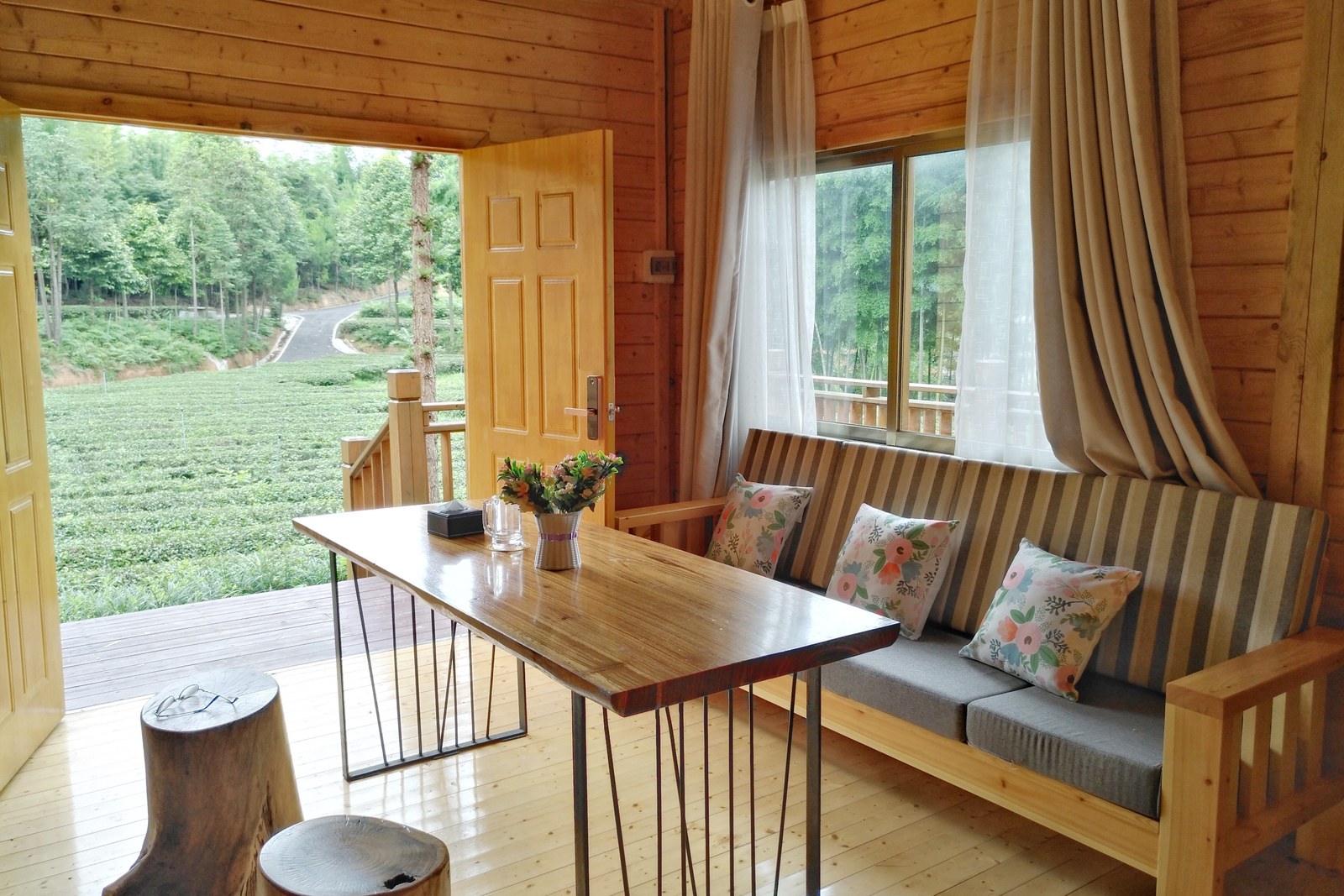
The October 2026 snapshot runs three bands: village farmhouse rooms and simple 民宿 mínsù about 100-200 yuan, the garden-view stilt-house guesthouses about 200-400, and study-tour packages with the full 制茶 zhìchá programme about 350-700 yuan (worth confirming – the stock is genuinely small, a dozen-plus rooms in the core village, and the bands are inferred from the county’s farm-stay norms rather than published rate cards; confirm by phone). The season decides the experience: the spring picking and study-tour months from March to May, the summer and winter-school 研学 yánxué waves, and the 春节 Chūnjié ’traditional village New Year’ week, when the village stages 腊盒 làhé games, tops and sour-tea demonstrations; 浇花节 Jiāohuā Jié the Deang watering festival and 目瑙纵歌 Mùnǎo Zònggē nights fill the 水鼓广场 Shuǐgǔ Guǎngchǎng on their dates. The cheap end is a farmhouse room – clean, thin-walled, rooster dawn, farm breakfast; the middle band buys the stilt-house conversion, the garden outlook and the 茶室 cháshì tea room; the top band buys the programme – the inheritance-courtyard session, the bamboo-tube sealing, the banquet. What every band buys is the village evening: the banyan, the fireflies, and tea poured from a 土罐 tǔguàn clay pot. Who it suits: tea learners, 研学 yánxué groups, 非遗 fēiyì intangible-heritage travellers and anyone who wants the hill without the resort; who it does not suit: travellers who need big-hotel hardware, or who read ’tea mountain’ as a plantation resort – this is a working village that happens to sell rooms.
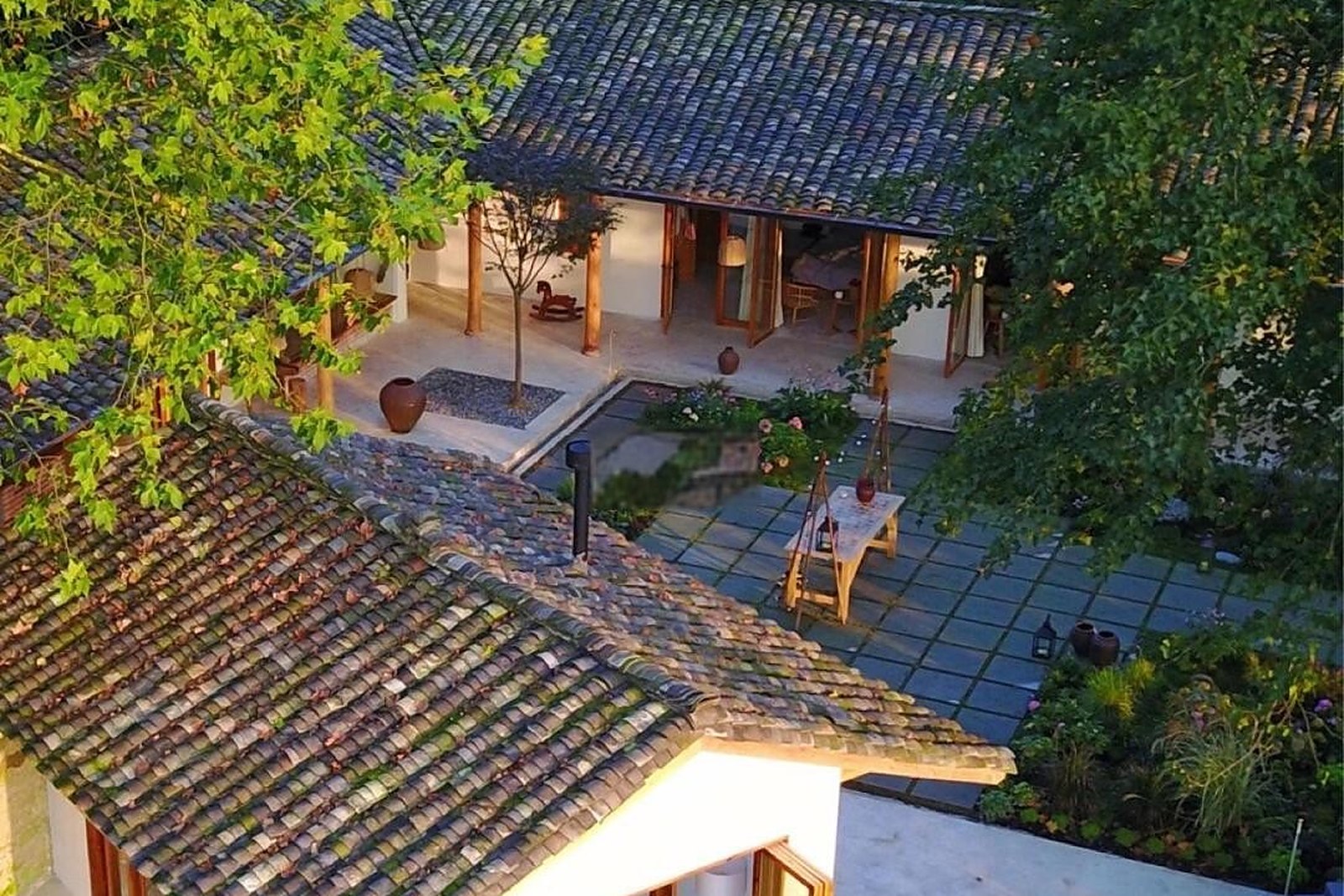
Practical shape: 三台山 Sāntáishān is a one- or two-night stay, best by car or hired driver from 芒市 Mǎngshì – twenty-odd kilometres and half an hour of hill road (worth confirming the details); prefecture buses reach the township seat, and the village sits a few kilometres on. Book the 制茶 zhìchá experience before you come: the inheritance-courtyard sessions need a 传承人 chuánchéngrén practitioner booked ahead, dry weather for the outdoor steps, and in the off-season may run only for groups. Ask what the rate includes – some houses bundle the workshop, the banquet and the tea; others charge per head – and confirm the tea you are sold: 德昂酸茶 Dé’áng suānchá runs from loose 散装 sǎnzhuāng leaf to pressed cakes at several hundred yuan, and the honest test is your own cup from the clay pot (worth confirming current prices). Bring flat shoes with grip for the garden paths, a jacket for the hill’s cool mornings, repellent, and cash – the village is cash country. The 博物馆 bówùguǎn and the village loop are walkable in an hour; the real morning is the garden at first light, before the study buses. All checked October 2026.
The Stays
- 德昂干栏民居客栈 Dé’áng gānlán mínjú kèzhàn De’ang stilt-house village inns: about 100-250 yuan (worth confirming the details), converted 干栏式 gānlánshì stilt houses in 出冬瓜村 Chūdōngguā Cūn and neighbouring hamlets with farm breakfast and the gardens at the door. Who it suits: slow travellers, heritage sleepers and anyone who came for the village evening; who it does not suit: anyone with heavy luggage or a lift requirement – the lanes are stepped and the houses are raised.
- 茶山景观民宿 cháshān jǐngguān mínsù garden-view tea guesthouses: about 250-450 yuan (worth confirming the details), newer houses on the 古茶园 gǔ cháyuán slope with tea rooms, terraces and sour-tea banquets on request. Who it suits: couples and photographers who want the hill mist with a working shower; who it does not suit: purists after an unrenovated village – these houses are styled and priced accordingly.
- 酸茶研学民宿 suānchá yánxué mínsù sour-tea study-tour guesthouses: about 350-700 yuan (worth confirming the details), programme-led stays bundling the inheritance-courtyard 制茶 zhìchá session, bamboo-tube sealing and the 酸茶宴 suānchá yàn with the room. Who it suits: 研学 yánxué groups, tea learners and 非遗 fēiyì travellers who came to make, not just taste; who it does not suit: independent travellers on an open schedule – the programme runs to set dates and needs booking.
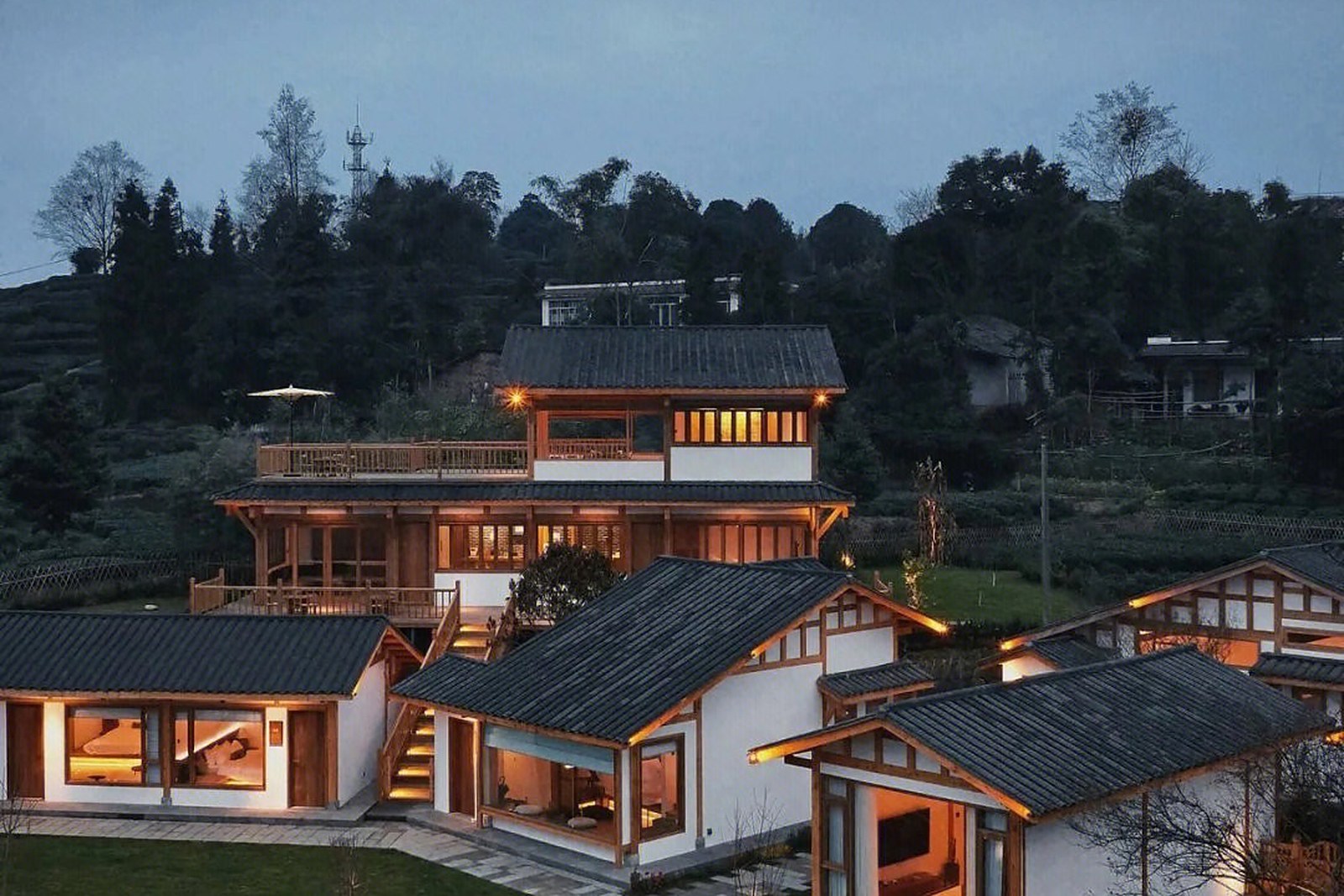
flowcloud would say that the Dehong tea-hill stay is a stilt-house room with a clay pot of sour tea in it – 100 yuan farmhouse bed to 700 for the study-tour package in the October 2026 snapshot – and that the honest move is to sleep in 出冬瓜村 Chūdōngguā Cūn, walk the 古茶园 gǔ cháyuán at first light and book the 制茶 zhìchá session before you come, because the village is the amenity and 芒市 Mǎngshì is the hardware. All checked October 2026.
Where to stay: 遮放 Zhēfàng and the 芒市 Mǎngshì tea hills for the family inns with the terraces at the door, 三台山 Sāntáishān for the 德昂族 Dé’ángzú village stays, and 中山 Zhōngshān for the quiet mountain houses (worth confirming the details); the season is the spring picking, and the honest plan is a night among the bushes for the dawn mist. All checked October 2026.