
水东湾 Shuǐ dōng wān is a broad shallow bay on the 电白 coast, and a hotel on it is in a different landscape from the rest of the city. The bay opens to the south-east off 茂名市 Mào míng shì, its inner edge is a channel of mangroves and mudflat where the tide goes out a long way, and the strip of land that closes it on the seaward side, 南海半岛 Nán hǎi bàn dǎo, carries the beach the district is famous for. The 水东湾大桥 Shuǐ dōng wān dà qiáo crosses the mouth of it, the 220 kilometres of coast that 电白 Diàn bái owns run both ways from here, and the whole point of sleeping in this spot is that you get the water without the resort wall.
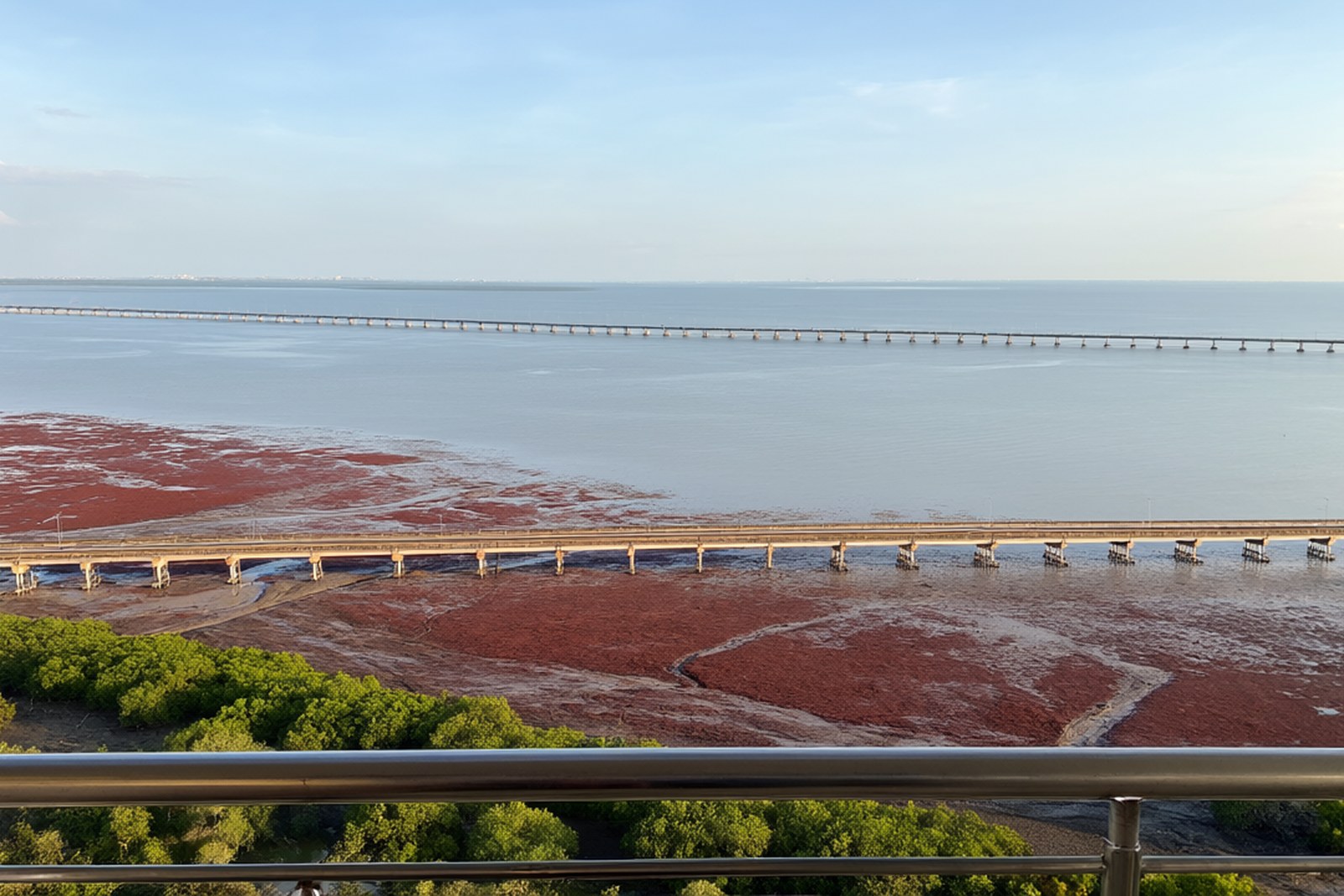
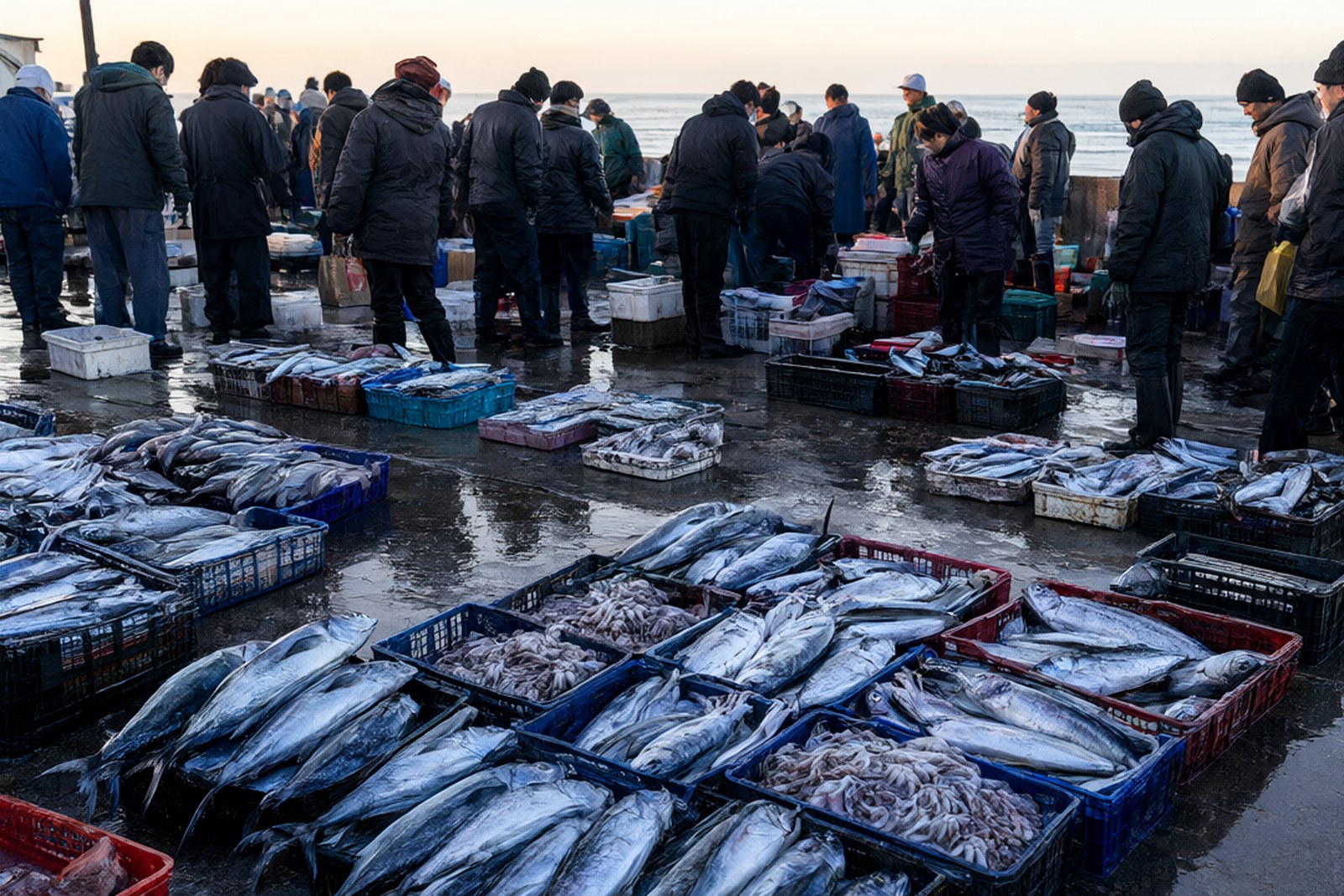
The bay is a working one as much as a holiday one. 电白 is the only coastal district in 茂名, and its harbours – 博贺 Bó hè, one of the ten largest fishing ports in the country, and 水东 Shuǐ dōng itself – put boats on the water at night and boxes of cuttlefish, mackerel and prawns on the quay in the morning. The mangroves at the head of the bay are protected, the mudflats are a nursery for everything that ends up on the district’s tables, and the district’s own figure for its open coastline is eighty-one kilometres of mostly sand, with a further hundred and thirty-nine kilometres of sheltered shore inside the bays. It is also where the Chinese white dolphin turns up; the local fishermen have known the animals for generations and the district has been posting signs about them for thirty years.
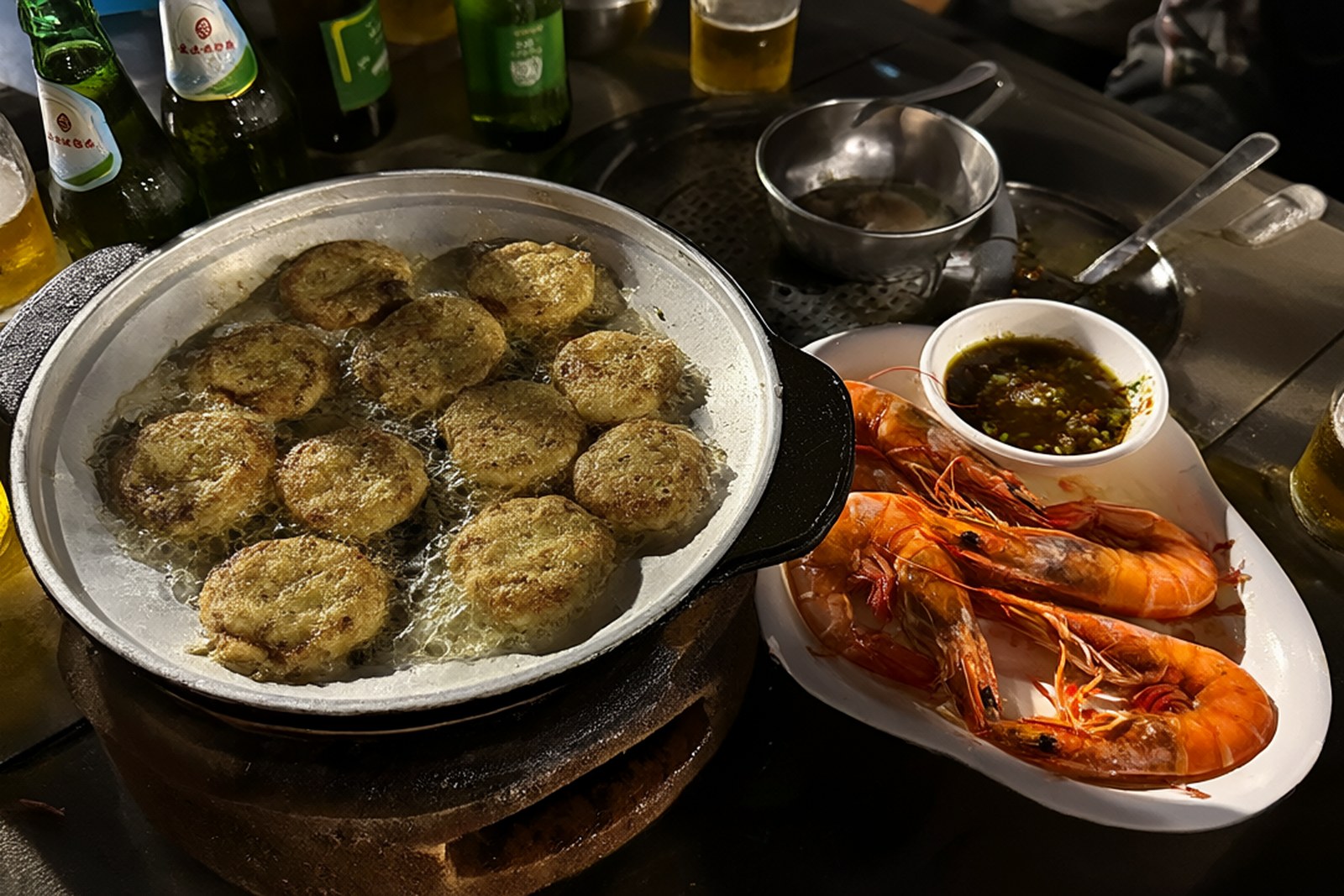
What the bay has that the resort strip does not is a town behind it. 水东 is the district seat, so there are wet markets, noodle shops, hardware stores and a night market within walking distance of the seafront, and the food is the district’s own rather than a hotel’s approximation of it. 水东芥菜 shuǐ dōng jiè cài, the stem mustard the town gave its name to, is sold in the market in the morning; the 墨鱼饼 mò yú bǐng and the grilled oysters come off the same boats that went out the night before; and the local hotpot, the 打边炉 dǎ biān lú, is how the district eats its own catch. Ten minutes by road along the peninsula brings you to the section of beach called 中国第一滩 Zhōng guó dì yī tān, and half an hour in the other direction brings you to 浪漫海岸 Làng màn hǎi àn and 放鸡岛 Fàng jī dǎo, both of which are day trips from a bed here rather than reasons to move.
The district’s newer hotels sit on the peninsula and along the bay’s outer edge, and this is where the trade-off is clearest. A room facing the sea on the outer side gets the horizon and the wind; a room on the inner side gets the still water, the bridge and the mangrove channel, which is better for the light and worse for swimming, because the inner bay is shallow and tidal. The swimmers’ water is on the exposed side, at the 第一滩 end, and it is a short drive rather than a walk from most of the rooms. 电白 is also a district where the summer typhoon season is real, and the coast road floods in a heavy rain, which is worth knowing if you are booking a room with a sea view in July.
What the Rooms Are Like
Expect twenty-five to forty-five square metres, a firm bed, reliable air conditioning and a bathroom with a separate shower. The sea-facing rooms on the peninsula are the ones worth paying for, and the premium is smaller here than it would be on a better-known coast; ask for a high floor and for a room at the end of a corridor, because the sea breeze is also a wind that finds gaps. Balconies are common and useful. Some of the newer hotels have hot-spring or pool facilities attached, and the bay’s own water is warm enough for comfortable swimming from about May to October. Check on foreign-guest registration before booking, because the smaller seaside hotels are inconsistent about it.
Practicalities
Price. A double with a sea view on the 电白 coast runs ¥250 to ¥600 a night in ordinary weeks, rising steeply for the Spring Festival, the May holiday and the October week; the town-side hotels in 水东 are a good deal cheaper and are five minutes from the same food.
Address. The hotels are in 电白区 Diàn bái qū in 茂名市, on the 水东湾 and the 南海半岛, most of them within a few kilometres of the 水东湾大桥 and ten to thirty minutes by road from the 第一滩 section of beach.
Rooms. Ask for a high floor on the seaward side, for a room away from the lift lobby, and for the tide times, because the inner bay empties a long way and the beach is a different place at low water. Ask the desk to write the hotel’s name in Chinese for the driver, and to say which of the seafood restaurants on the front are open on a weekday.
Getting there. 茂名站 Mào míng zhàn on the 深湛 railway is the railhead, about forty minutes west of the bay by road; 广州 is roughly two and a half hours by train and 湛江 about an hour. The 沈海 and 汕湛 expressways serve the district, and the coast road links 水东, the peninsula, 博贺 and the resort strip. There is no airport in the city; arrivals come through 湛江 or 广州.
Where to stay: the seaside hotels of 电白区 on the 水东湾 and the 南海半岛, or the cheaper town hotels in 水东 itself. Take the seaward side for the horizon, the town side for the food and the bridge, and use either as a base for 第一滩, 放鸡岛 and 浪漫海岸.
flowcloud would say that a district with two hundred and twenty kilometres of coast has sensibly put its hotels where the boats come in, so that the thing you see from the balcony in the morning is the thing you eat at lunch.