
一径穿山通秘境,独龙火塘夜不眠。Yī jìng chuān shān tōng mìjìng, Dúlóng huǒtáng yè bù mián – One road bores through the mountain to a hidden land; the Dulong hearth burns all night.
The stay in 独龙江 Dúlóngjiāng – the deep valley of the 独龙族 Dúlóngzú Dulong, one of China’s smallest ethnic groups, cut off behind the 高黎贡山 Gāolígòng Shān Gaoligong range in 贡山县 Gòngshān Xiàn Gongshan county – is the 农家 nóngjiā family homestay: a sparse, regulated stock of village houses and a couple of township lodges, where the road in is a tunnel through the mountain and the winter once meant total isolation. The first cluster is the 孔当 Kǒngdāng Kongdang township seat – the valley’s only real centre, where the few lodges and the 独龙江乡 Dúlóngjiāng Xiāng township guesthouses sit, with the 独龙河 Dúlóng Hé river and the 边境 biānjìng border checks at the door. The second cluster scatters up-valley to 龙元 Lóngyuán Longyuan and the higher hamlets – 龙元 Lóngyuán is the village of the 纹面女 wénmiàn nǚ tattooed-face women, last bearers of a tradition now ended – where family houses keep the 火塘 huǒtáng hearth and the 独龙毯 Dúlóng tǎn hand-woven blanket. The third is the handful of 生态 shēngtài eco-lodges and the 普卡旺 Pǔkǎwàng riverside houses, styled for the few who make the crossing.
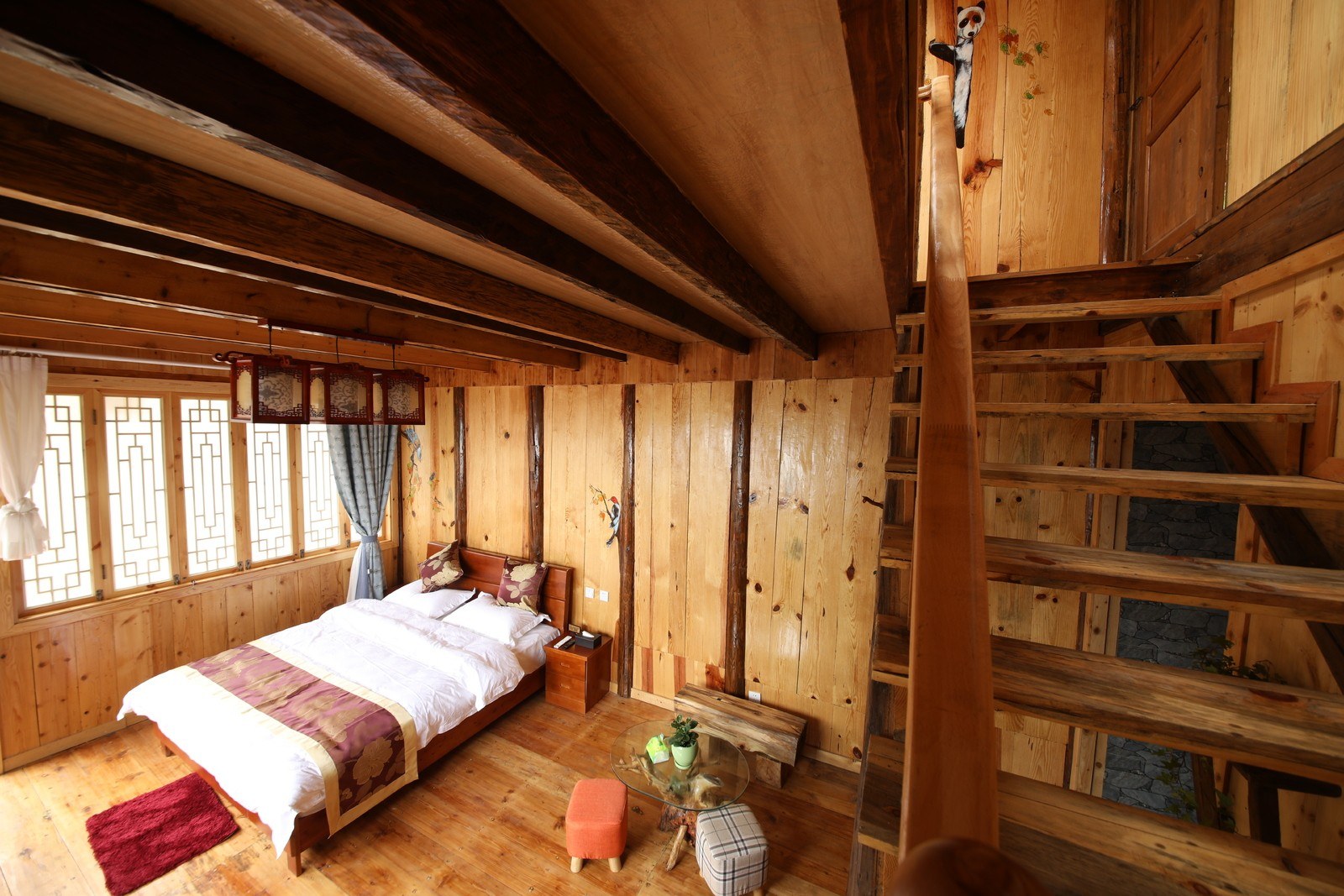
The October 2026 snapshot runs three bands: village 农家 nóngjiā family rooms about 80-200 yuan, 孔当 Kǒngdāng township lodges about 200-400, and the styled eco-houses about 350-600 yuan (worth confirming – a tightly capped, permit-sensitive market; the valley is an ecological reserve and a 边境 biānjìng zone, and the number of beds is deliberately small, so rates are soft but rooms are scarce). The cheap end buys a 火塘 huǒtáng hearth room, a farm breakfast and the sound of the 独龙河 Dúlóng Hé at night; the middle band buys a heated township room and a restaurant that opens for the dawn; the top band buys the eco-lodge garden and the quiet above the river. What no band buys is choice: 独龙江 Dúlóngjiāng is a valley you reach by one tunnel, and the honest product is the 独龙族 Dúlóngzú evening, the 纹面女 wénmiàn nǚ visit and the forest, not the hardware. Who it suits: cultural travellers, slow walkers and anyone who came for China’s last 纹面 wénmiàn faces; who it does not suit: travellers without permits or patience – the valley sits on the 缅甸 Miǎndiàn Myanmar border, checks are routine, and the one road in means the one road out.
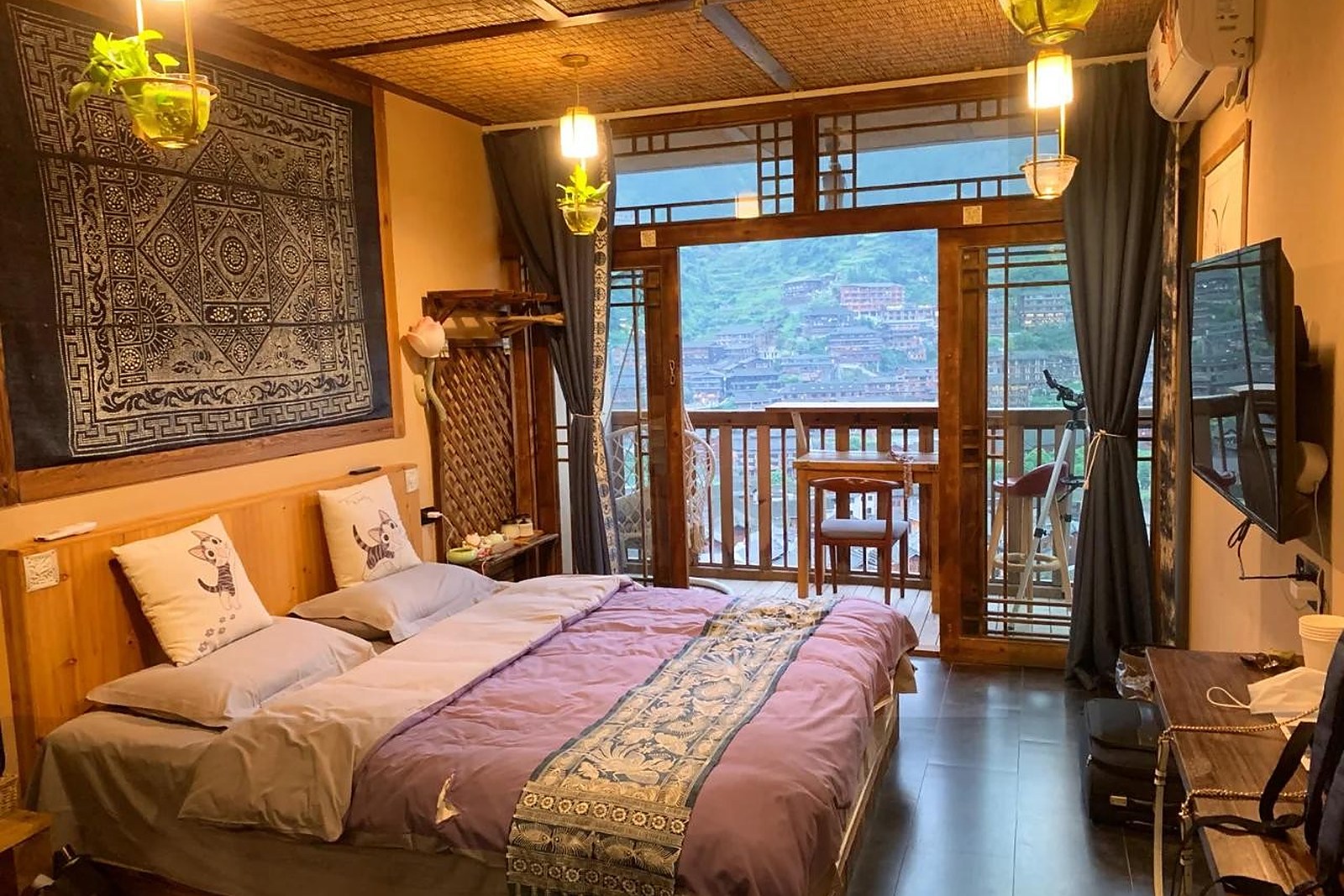
Practical shape: 独龙江 Dúlóngjiāng is a two-night stay, almost always paired with 贡山 Gòngshān or 丙中洛 Bǐngzhōngluò below. The honest season is October to April – dry and open; note the history, because it matters: before the 高黎贡山独龙江公路隧道 Gāolígòng Shān Dúlóngjiāng Gōnglù Suìdào Gaoligong tunnel opened (worth confirming the year – widely reported as 2014), the old road over the 雪山垭口 Xuěshān Yákǒu snow pass closed from roughly November to May and the valley was cut off for half the year. The tunnel now holds the road open year-round, but winter snow and ice on the approach still close it for hours (worth confirming conditions) – so the old ‘winter closure’ warning is softer now but not gone. Getting here: no railway, and the gate is the tunnel road from 贡山 Gòngshān, about two hours up and over (worth confirming the details) – there is no other way in. Carry your ID for the 边境 biānjìng checks, register where required, and ask the three things valley rooms get wrong: 取暖 qǔnuǎn heating on the cold nights, 热水 rèshuǐ hot water at peak, and 信号 xìnhào phone signal, which is patchy to nil beyond 孔当 Kǒngdāng. Bring warm layers, repellent for the valley mosquitoes, and cash – the valley is firmly cash country. All checked October 2026.
The Stays
- 孔当乡接待站客栈 Kǒngdāng Xiāng jiēdàizhàn kèzhàn Kongdang township lodges: about 200-400 yuan (worth confirming the details), the valley’s main lodges at the 独龙江乡 Dúlóngjiāng Xiāng seat with heated rooms and a restaurant for the dawn drive. Who it suits: cultural travellers wanting a base for the 纹面女 wénmiàn nǚ villages; who it does not suit: anyone expecting river-view luxury – the township is a functional centre, not a resort.
- 龙元村火塘农家 Lóngyuán Cūn huǒtáng nóngjiā Longyuan hearth homestays: about 80-200 yuan (worth confirming the details), family houses up-valley at 龙元 Lóngyuán with the 火塘 huǒtáng hearth, 独龙毯 Dúlóng tǎn blankets and the tattooed-face elders nearby. Who it suits: slow travellers and photographers after the last 纹面 wénmiàn faces; who it does not suit: travellers without a car – the upper valley is a drive from 孔当 Kǒngdāng and the buses are few.
- 普卡旺生态民宿 Pǔkǎwàng shēngtài mínsù Puqiawang eco guesthouses: about 350-600 yuan (worth confirming the details), styled riverside eco-houses on the 独龙河 Dúlóng Hé with gardens and the forest at the door. Who it suits: couples and nature travellers who want the valley quiet with a working shower; who it does not suit: budget travellers and anyone needing reliable 信号 xìnhào signal – the eco peace comes with patchy coverage.
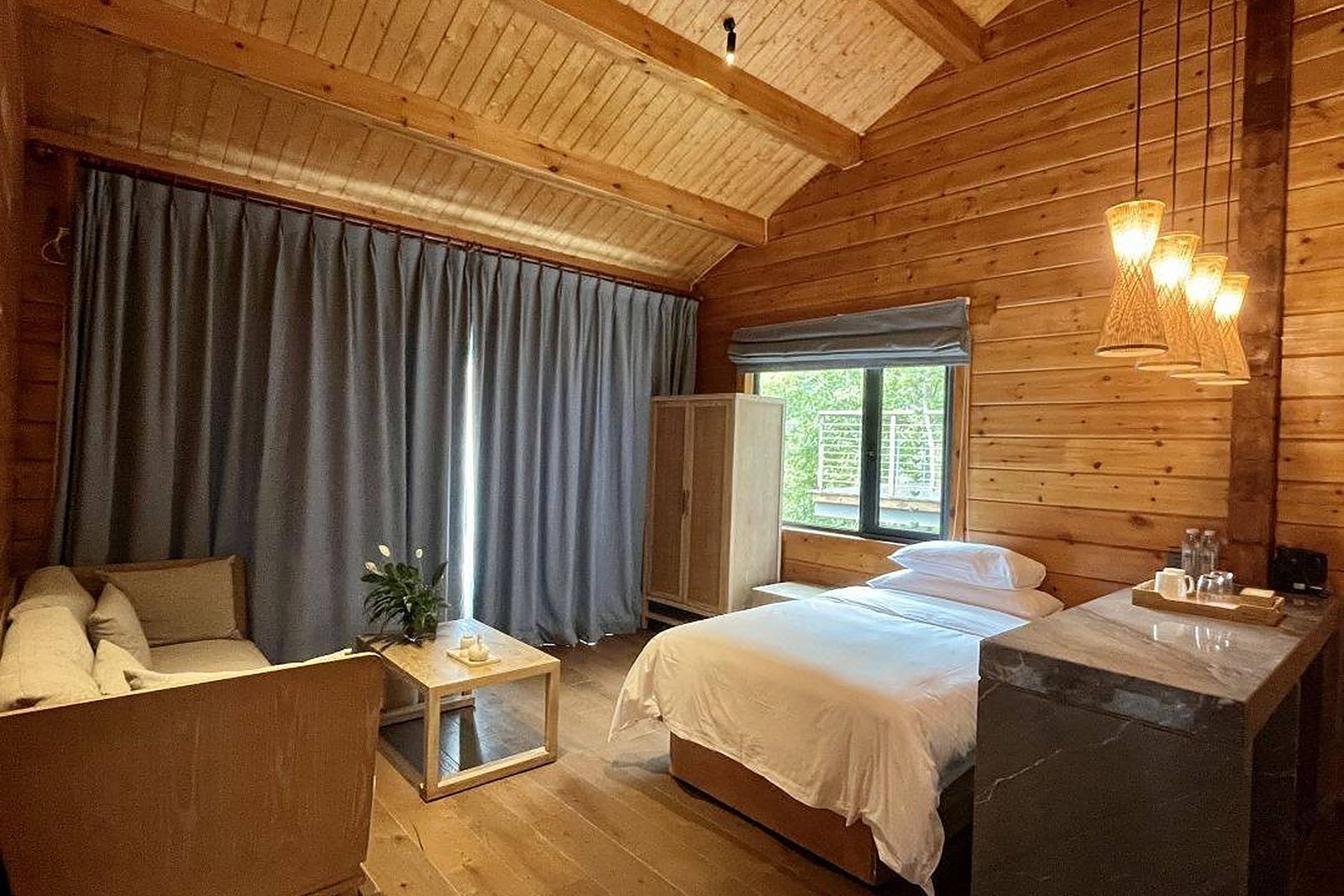
flowcloud would say that the Dulongjiang stay is a hearth room with a 独龙毯 Dúlóng tǎn on the bed and the river at the window – 80 yuan 农家 nóngjiā to 600 for the eco-lodge in the October 2026 snapshot – and that the honest move is to base at 孔当 Kǒngdāng, drive up to 龙元 Lóngyuán for the last 纹面女 wénmiàn nǚ, and watch the tunnel forecast before you go, because the valley is the amenity and the one road in is the only road out. All checked October 2026.
Where to stay: 孔当 Kǒngdāng for the village guesthouses nearest the shuttle stop, 龙元 Lóngyuán and the upper villages for the family hearth stays, and the 孔当 Kǒngdāng service area for the few rooms with private baths (worth confirming the details); bring cash and patience – the valley’s beds are few and winter closes them all. All checked October 2026.