
凤凰山 Fènghuáng shān, Phoenix Mountain, is the tea mountain of the 潮州 Cháozhōu interior, and it is the home of the 凤凰单丛 Fènghuáng dān cóng, the single-bush tea that the region is famous for and that many consider the finest oolong in China. In the hills above the town, among the terraced plots of old tea bushes, a number of tea farmers have opened their homes to guests, so you can sleep in the middle of the fields you are drinking. A tea-farm homestay is a working house on the mountain, and the point of it is the tea, the view and the quiet.
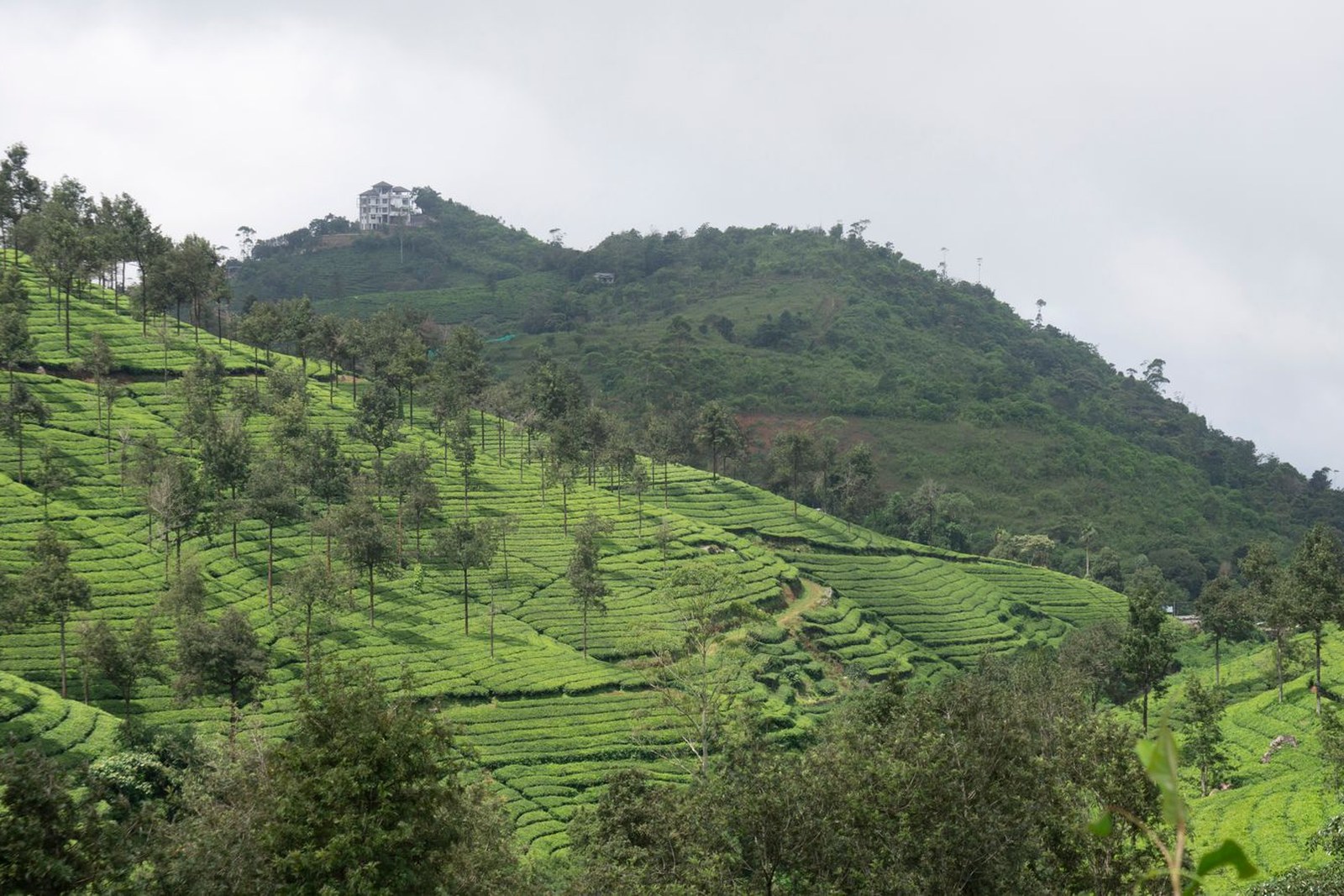
The homestays are family-run and simple in the best way. A typical one is a concrete house on the hillside with a handful of rooms, a kitchen, and a terrace or a balcony that looks out over the tea terraces. In the morning the mist comes down the ridge and the fields are green and wet; by the middle of the day the light is clear and you can see the rows of bushes stepping down the slope. The rooms are basic – a bed, a bathroom, a kettle – and the real draw is that you are staying with a tea farmer, who will brew you his own tea and, if you ask, take you up into the plots.
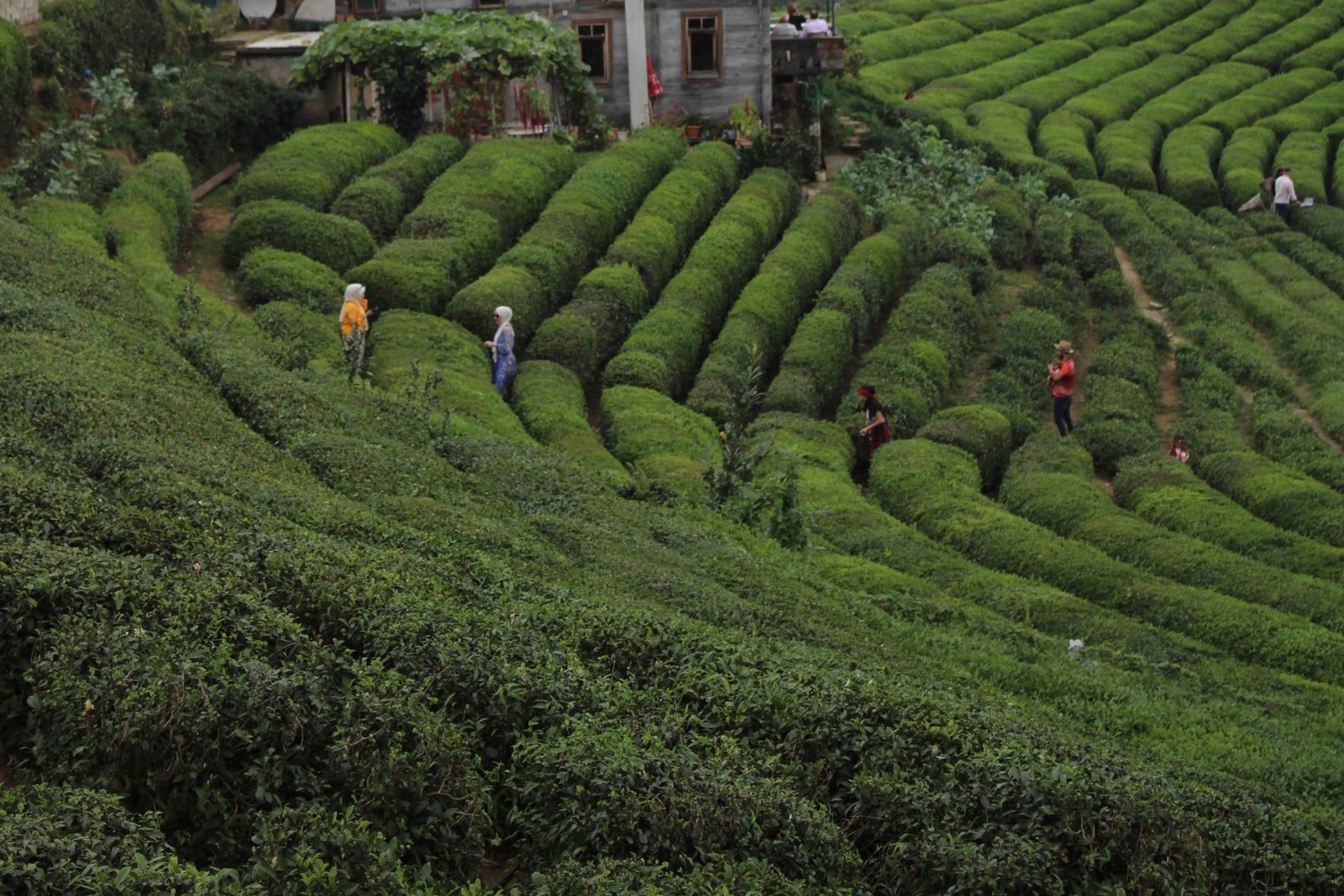
The tea is the reason to be here. 凤凰单丛 is an oolong grown from old, ungrafted bushes on the high slopes, each line descended from a single mother bush and named for the particular aroma it carries, 蜜兰香 mì lán xiāng the honey-orchid and 鸭屎香 yā shǐ xiāng the famous one with the odd name. The farmer will brew you a small pot, and you will sit and watch the mist drift over the ridge and taste what the mountain made. You can also help, or just watch, as the leaves are picked and sun-withered and worked. It is a couple of hours’ drive up into the hills from the plains, and the quiet and the air are worth the winding road.
What the Rooms Are Like
Expect a simple, clean room of twelve to twenty square metres, a bed, a small bathroom and a kettle with a supply of the house tea. The finish is homely rather than stylish, and the value is in the position and the welcome rather than the fittings. There is usually a terrace or a balcony with a view, and the air is cool and clean at this altitude. Wi-Fi can be weak or absent on the upper slopes, which most people come here to escape anyway. Bring a warm layer, as the mountain can be cold at night.
Practicalities
Price. A double at a 凤凰山 tea-farm homestay runs ¥150 to ¥350 a night in the shoulder season, and more over the October week and New Year. It often includes the farmer’s tea and a simple home-cooked breakfast, and the more established homestays with better views cost more.
Address. The homestays are on the slopes of 凤凰山 in the 潮安区 Cháo’ān qū of 潮州, above the town of 凤凰镇 Fènghuáng zhèn, reached by the hill road from the plains. 潮州 is about an hour and a half to two hours by road from the tea mountain.
Rooms. Ask for a room with a view over the tea terraces and confirm whether the bathroom is private. Check whether meals are included, because eating on the mountain can mean a drive. Ask whether the farmer can take you up into the plots and on the tea harvest, which is the whole point of staying here.
Getting there. The mountain is reached by road from 潮州 city, climbing the hill road to 凤凰镇 and then up to the tea villages. It is about one and a half to two hours, on a winding route. There is no rail station on the mountain; the high-speed 潮汕站 Cháoshàn zhàn is the nearest, from which you hire a car or a taxi.
Where to stay: the tea-farm homestays above 凤凰镇 on 凤凰山 in 潮安区, 潮州, reached by the hill road. Book a room with a view, expect a homely stay, and come for the tea and the mist rather than the fittings.
flowcloud would say that to sleep among the bushes that made the tea you are drinking, and to have the farmer who grew it pour your cup, is to close a loop that most tasting rooms only describe, and that the mountain is the honest part of the flavour.