
Báidì chéng xià, yī yè shān sè — Below White Emperor City, a night within the hill’s shadow.
The family guesthouses and small hotels cluster around the White Emperor City scenic approach, on the terraces and lanes that run down to the Baota Ping tourist pier, and they trade the town’s spread for something closer to the history. From here the historic hill is a short walk or a free shuttle ride away, and the gorge overlook where the Yangtze squeezes through Kuimen is right at the foot of the slope. These are plain, low-rise stays — a riverside inn, a gate-side guesthouse, a small boutique hotel near the old city wall — run by locals who know the boats and the best hour for the light. A room typically runs 130 to 280 yuan, usually with breakfast and always with a view of either the hill or the water.
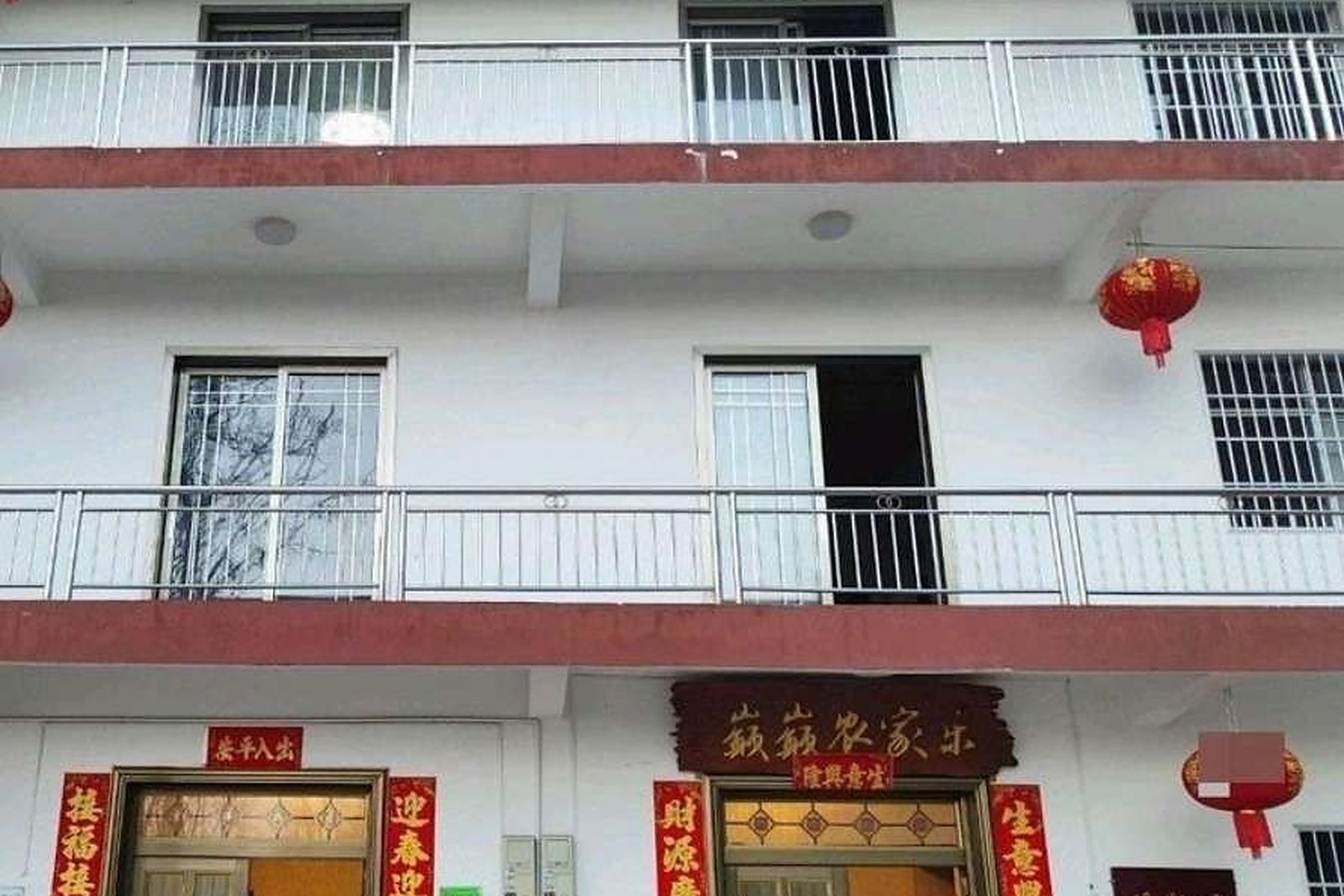
The draw is the morning. Step out before the coaches arrive and the hill is quiet: the covered bridge to the island, the temple stairs, and the old city wall at Yidou Gate are yours alone with the river mist still hanging on the far ridge. Reception can arrange a taxi to the pier in two minutes, and several of the inns sit within a hundred metres of where the cruise boats and the Qutang Gorge ferries tie up, so you can be on the water as soon as it opens. Evenings are slow — a hot meal of river fish and congee taken while the cliffs turn from green to blue to black, then the shoreline lamps switch on.
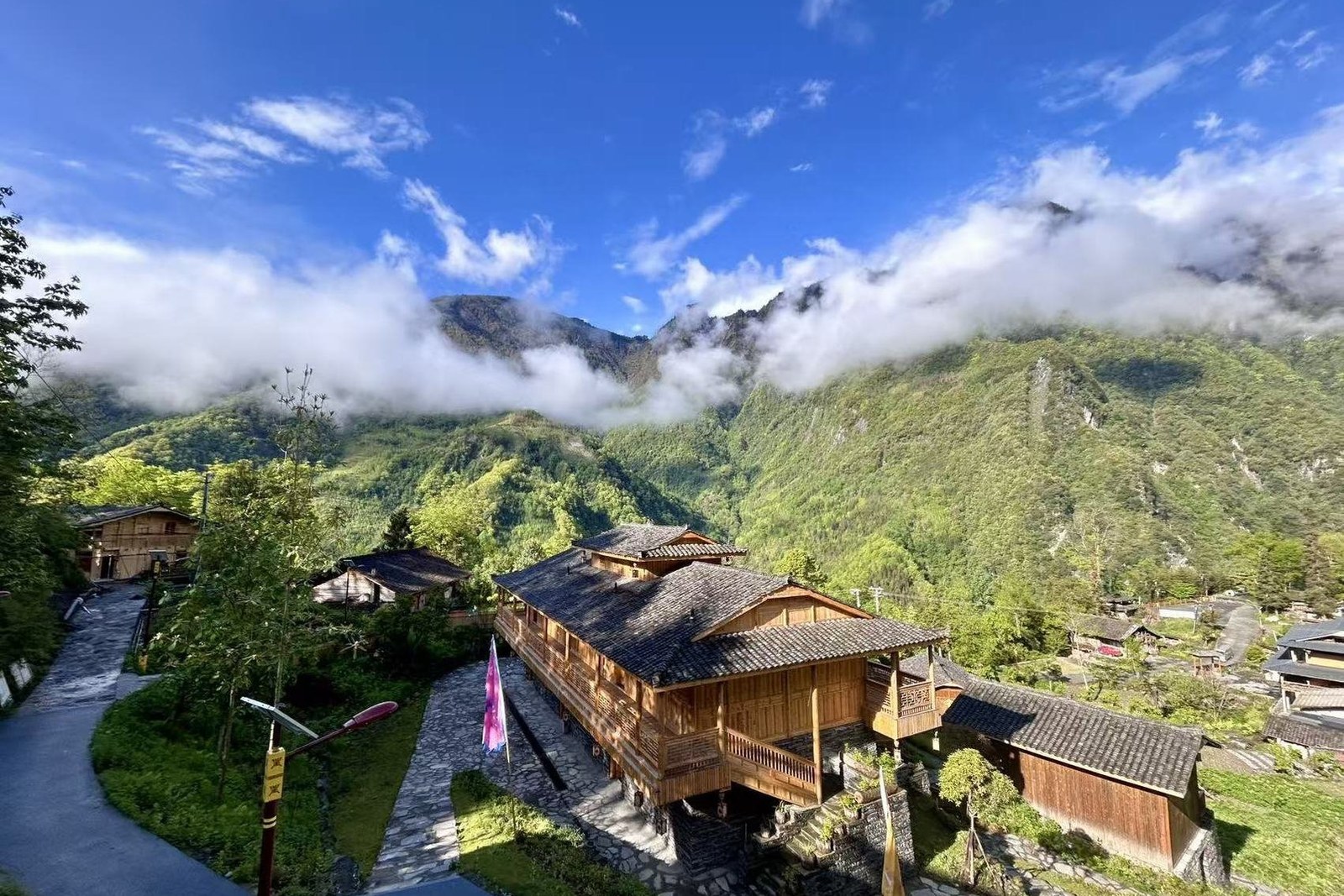
The catch is dining. The scenic strip has a few restaurants and tea houses but nothing like the county-town spread, so plan your meals or walk back toward the commercial core for hotpot and grilled fish. Rooms are simple — a clean tiled bath, a firm bed, a window onto the hill or the water — and the best windows go first on weekends and holidays, when the cruise passengers flood in. Ask for the temple side when you reserve, since that is the quiet end of the lane and the one that catches the first sun on the cliffs.
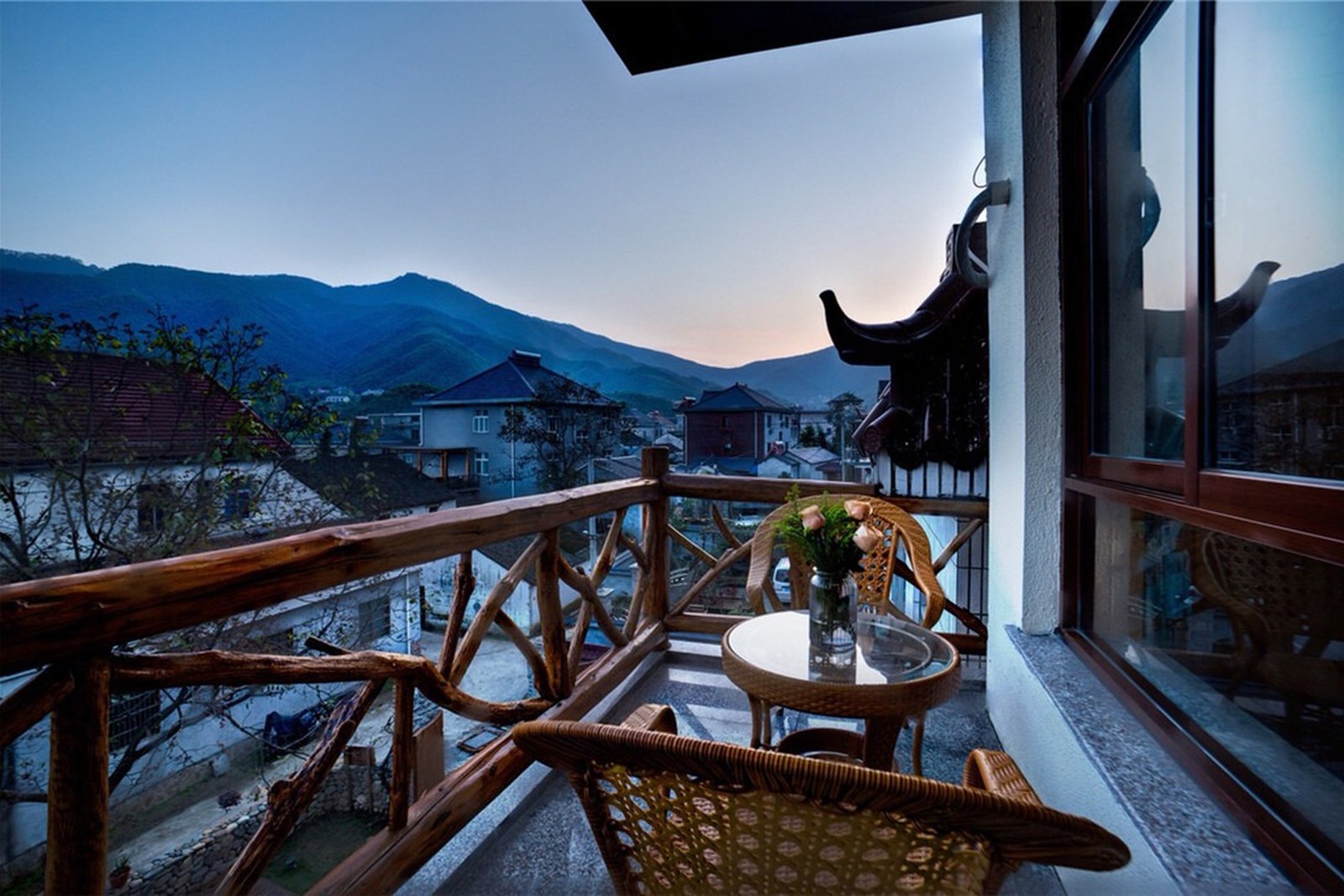
For slow travellers, poets-at-heart, and anyone who has come to walk the Sichuan-Trips corridors rather than tick boxes, the Baidi City inn is the gentle landing. You are a short ride from the town’s pharmacies and the rail station if you need them, but you do not have to see a street all evening if you do not want to. Book early, ask for the hill side, and let the temple bells and the ship horns set the pace of the night.
Words and Names
白帝城 Báidì Chéng — White Emperor City, the historic hill-island 白帝庙 Báidì Miào — the White Emperor Temple on the summit 宝塔坪 Bǎotǎ Píng — Baota Ping, the tourist pier area 依斗门 Yīdǒu Mén — the Yidou Gate, an old city-wall gate 托孤 tuōgū — “entrusting the orphan,” Liu Bei’s charge to Zhuge Liang 诗城 Shīchéng — the City of Poetry, Fengjie’s literary nickname