
Chongqing is a municipality of southwest China, and 丰盛镇 Fēngshèng Zhèn, Fengsheng Town, is the one place in 巴南区 Bā’nán Qū, Banan District, that touches three counties: 涪陵区 Fúlíng Qū, Fuling, and 南川区 Nánchuān Qū, Nanchuan, to the east, 东温泉镇 Dōngquánwēn Zhèn, Dongwenquan Town, to the south, and 木洞镇 Mùdòng Zhèn, Mudong, to the west. It is fifty kilometres from the Chongqing centre and seventy from the district seat at 龙洲湾 Lóngzhōuwān, Longzhouwan, which is a long way for a town whose title sequence runs from the first batch of municipal historical towns in April 2002 to the national list in December 2008, a national AAAA rating in December 2016 and national health town status in 2017. That sequence is why the guesthouses here are what they are. This is not a decorated replica. It is a town with the oldest surviving fabric in the district, and the houses people sleep in were built by the families whose names are still on them.
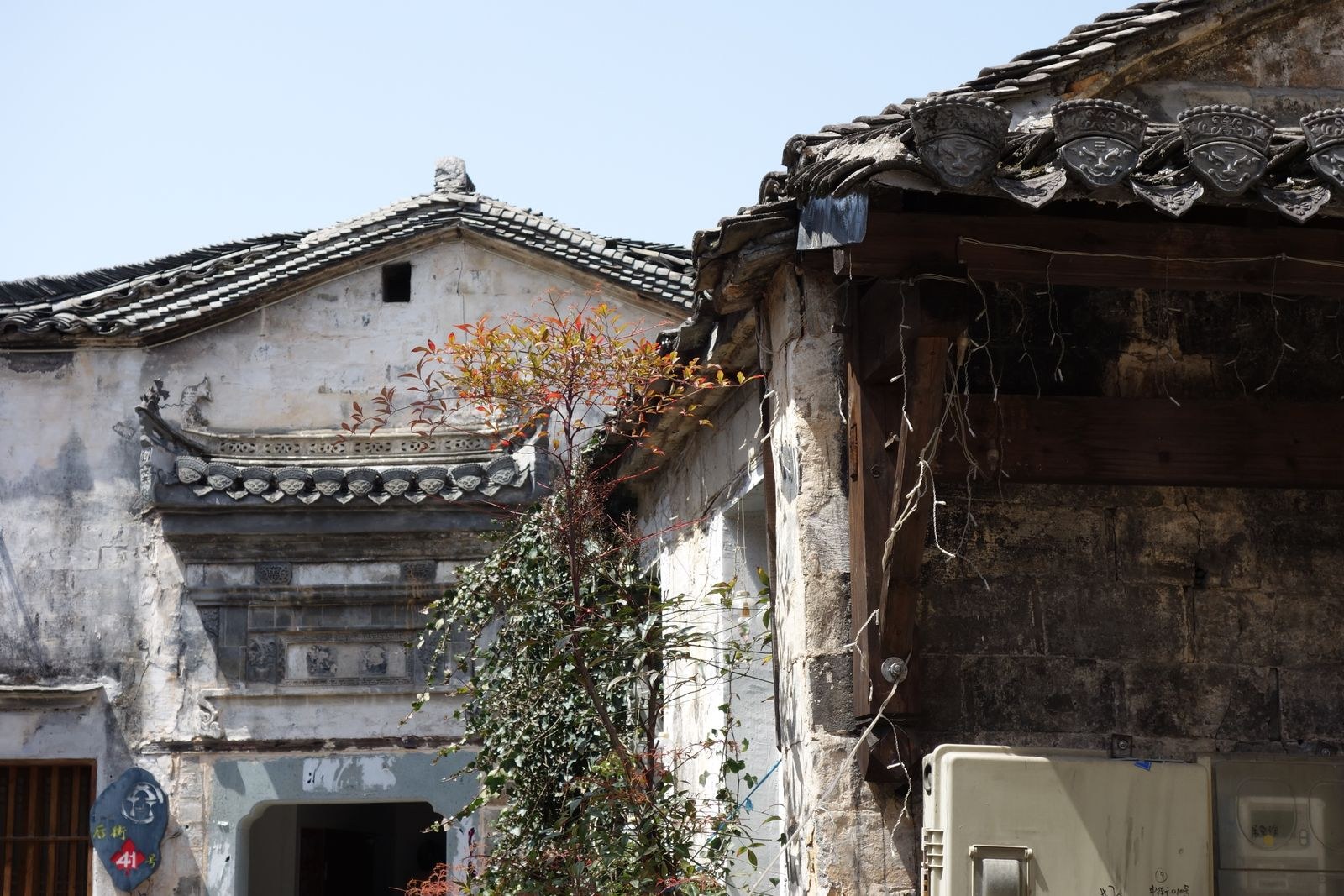
The house to book is at 福寿街 Fúshòu Jiē, Fushou Street, No. 114: a Republican-period landlord’s mansion converted into a hotel, with family rooms and a two-storey attic suite. The family who built it is Liu Zhushan, and the plan is the reason to sleep there – three sequential gates and four courtyards, which in a town this size is not decoration but a statement about how a house made its owners known. The same street carries a supply-and-marketing co-op inn at numbers 35 to 43, which shows 112 to 153 yuan and is the cheapest bed in a national AAAA town, and a villa at Qiaoshang village group 4 on the far side of the settlement, which shows 284 to 368 and is the most expensive thing in Fengsheng. Out of town entirely, at No. 23 Lianglukou in Youfang village, a rural art hotel inside the Colorful Forest scenic area shows 266 to 288.
What the town gives a guesthouse that a reconstructed old street cannot is a plan. Shiquantang Hall is three gates deep and four courtyards wide, built as a home. 禹王宫 Yùwánggōng, Yuwang Palace, the Ming-dynasty guild hall for Hunan and Hubei merchants, is hard-roofed with fire walls and Huizhou detailing. There are fifteen watchtowers and eighteen forts in the old stock, and the oldest building standing is Song. The historic fabric is measured at 26,900 square metres with an intactness of 89 per cent, which is a rare thing to be able to quote. The streets are Fushou Street, 十字街 Shízì Jiē, Shizi Cross Street, and 江西街 Jiāngxī Jiē, Jiangxi Street, and the narrowest thing worth standing in is the Shizi Cross Street alley, about twenty metres long and two and a half wide, named Chongqing’s prettiest alley in 2011.
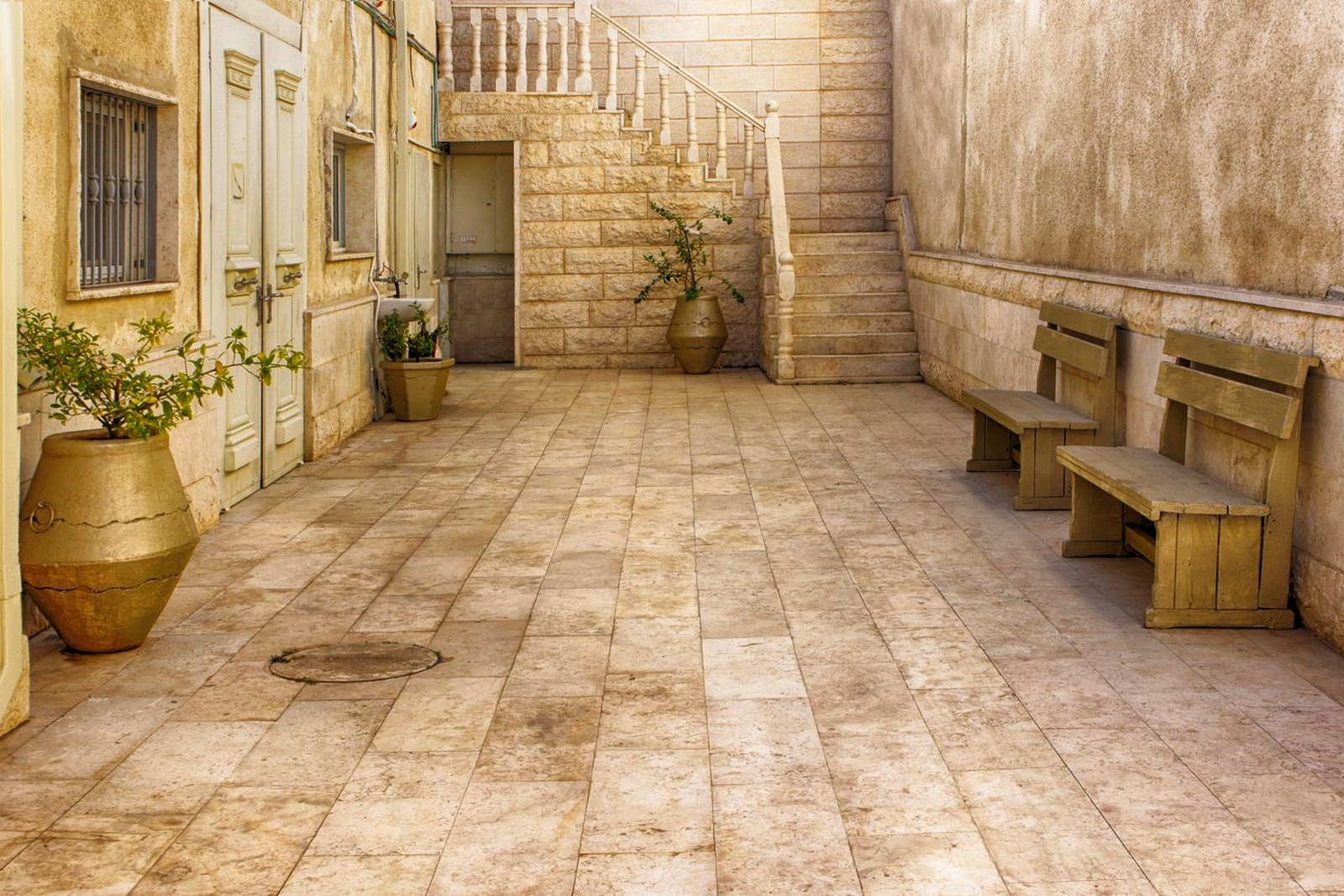
The Big House was put up in the Xianfeng reign of the Qing, covers 12,000 square metres, and holds one watchtower, two courtyards and five light wells under thirty households. The second reason to book inside the town rather than outside it is the opening hour. Fengsheng Ancient Town is free and open twenty-four hours a day, which means the thing that normally costs a ticket and a daylight window costs nothing and a bedtime. That is the practical spine of a stay here: the courtyard is yours in the afternoon, the lanes are yours after the coaches have gone, and the town at midnight is a different place from the town at ten in the morning. What the booking pages do not agree on is anything inside the town. Figures for the watchtower group and the underground chamber circulate on user-guide posts, and they are not quoted here, because a number appearing only on someone’s trip report is not a price until the site publishes one.
The stock divides into three kinds, and the spread is wide because it is not a quality ladder. The Republican mansion conversion on Fushou Street is the one with the architecture, and it is priced accordingly: 181 yuan on Ctrip against 120 to 183 on Qunar for the same property on the same night, a gap worth naming because the lower figure is the one most people will see. The co-op inn is a working guesthouse above a working shopfront and prices like one. And the villa on the far side of town, at 284 to 368, is a house with a garden and no shared wall, which is why it costs what it costs. The rural art hotel inside Colorful Forest sits between them in price and outside the town in every other respect, at a park of roughly 667 hectares with a first phase of 200.
Practicalities
Price. The town’s own range, measured off booking pages in October 2026 and described as a spread across the guesthouses rather than any single property’s rate, because a converted mansion and a shopfront are not comparable products. The floor is the supply-and-marketing co-op inn on Fushou Street at 112 to 153 yuan. The Republican mansion conversion is 181 yuan on Ctrip and 120 to 183 on Qunar, and the two are printed together deliberately rather than resolved: the lower platform figure is the one most travellers see, and the gap is the platform’s, not the house’s. Above that sits the rural art hotel inside Colorful Forest at 266 to 288, and the villa at Qiaoshang village group 4 at 284 to 368, which is the ceiling in Fengsheng.
Address. 重庆市巴南区丰盛镇福寿街 114 号 – Fushou Street 114, Fengsheng Town – is the mansion conversion, and the co-op inn is at numbers 35 to 43 on the same street. The villa is at 桥上村 4 社 Qiáoshàng Cūn 4 Shè, Qiaoshang village group 4, and the rural art hotel at 油房村两路口 23 号 Yóufáng Cūn Liǎnglùkǒu 23 Hào, Youfang village, Lianglukou 23, inside the Colorful Forest scenic area several kilometres out.
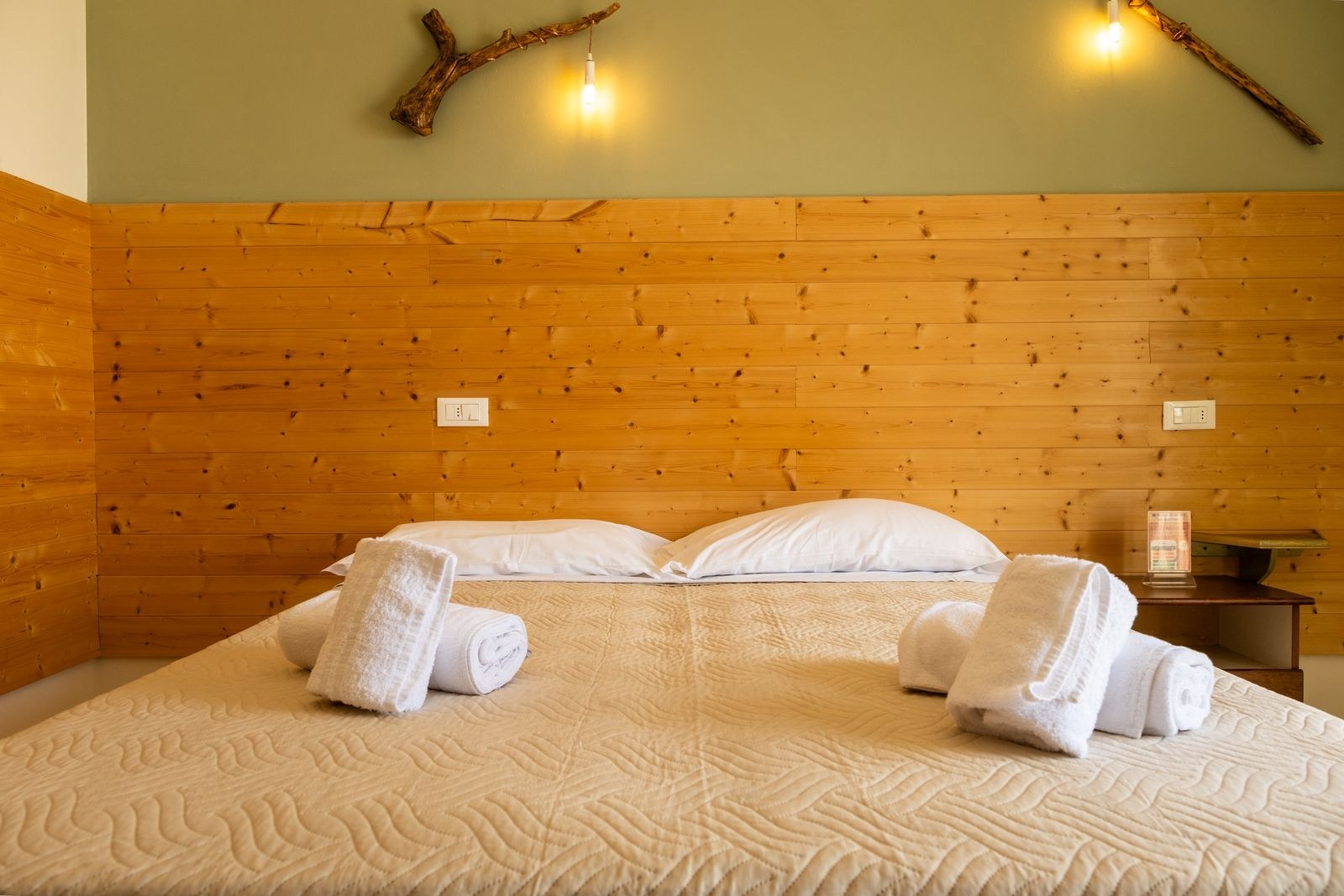
Rooms. Three shapes, and the courtyard is the one thing every good room here has. The mansion conversion, which has family rooms for a group and a two-storey attic suite reached by the second staircase, in a building whose rooms open off a sequence of courts rather than a corridor. The co-op inn, smaller and simpler, above a shop, where the morning noise is the town’s. And the villa, a house with a garden and no shared wall. Ask which staircase and which court, because in a three-gate plan the difference between two rooms in the same building is the difference between sleeping over the entrance and sleeping over the back garden.
Getting there. Fengsheng is a road town, not a rail one, and the approach is why the guesthouses are cheap relative to their quality. It sits about fifty kilometres from the Chongqing centre, seventy from the district seat at Longzhouwan, and ten from Mudong on the river, with Fuling and Nanchuan across the eastern boundary. The town itself is free, open twenty-four hours a day, and there is no gate to queue at; the only practical constraint is the last bus back, because the nearest node is Mudong and the service thins out after dark.
A day in Fengsheng has the town itself as its clock. Morning belongs to the lanes before the coaches, when the stone is still cold and the shopfronts are half up. Midday is the Big House, the guild hall, and the twenty-metre alley at Shizi Cross Street, which takes ninety seconds and is worth ninety seconds. Afternoon is Maple Bay, 13.33 hectares and the largest natural maple wood near the main city, or the twelve cascades and the Ziyun Mountain ridge behind the town. Evening is when staying inside the walls pays: the town is open all night and free, the lighting is low, and the lanes after dark belong to the people who live in them. Then the room, which in a three-gate house is a different room from the one you looked at in the afternoon.
flowcloud would say that Fengsheng is the only accommodation in Banan where the room plan is the reason for the stay and the price difference between two rooms in the same building is the distance between a corridor and a courtyard, and that the correct way to book it is to take the Republican mansion on Fushou Street and compare the two platforms yourself, because that house carries the three gates and four courts, and the platforms disagree about what it costs by sixty yuan.
Where to stay: the Republican mansion conversion at No. 114 Fushou Street if the architecture is why you came, checking both platforms before you pay; the co-op inn at numbers 35 to 43 if the budget is the point and a shopfront’s morning noise does not bother you; and the villa at Qiaoshang village group 4 if a garden and no shared wall are worth the ceiling price. And book inside the walls, because the town is free and open all night and that is the thing you cannot get from a room outside them.