
福山镇 fú shān zhèn is coffee country, and it is the only place in 海南 Hǎi nán where a town’s identity is a drink. The town sits in the north of 澄迈县 Chéng mài xiàn on the 西线高速 Xī xiàn gāo sù, the west-line expressway, halfway between 海口市 Hǎi kǒu shì and the coast at 桥头镇, and it has its own exit off the expressway, which is a distinction usually reserved for cities. 福山咖啡 fú shān kā fēi is a Chinese national geographical-indication product, and the county describes it in two phrases that the trade has used for decades: 天涯珍宝 tiān yá zhēn bǎo, treasure of the ends of the earth, and 琼州一绝 Qióng zhōu yī jué, the one singular thing of Qiongzhou.
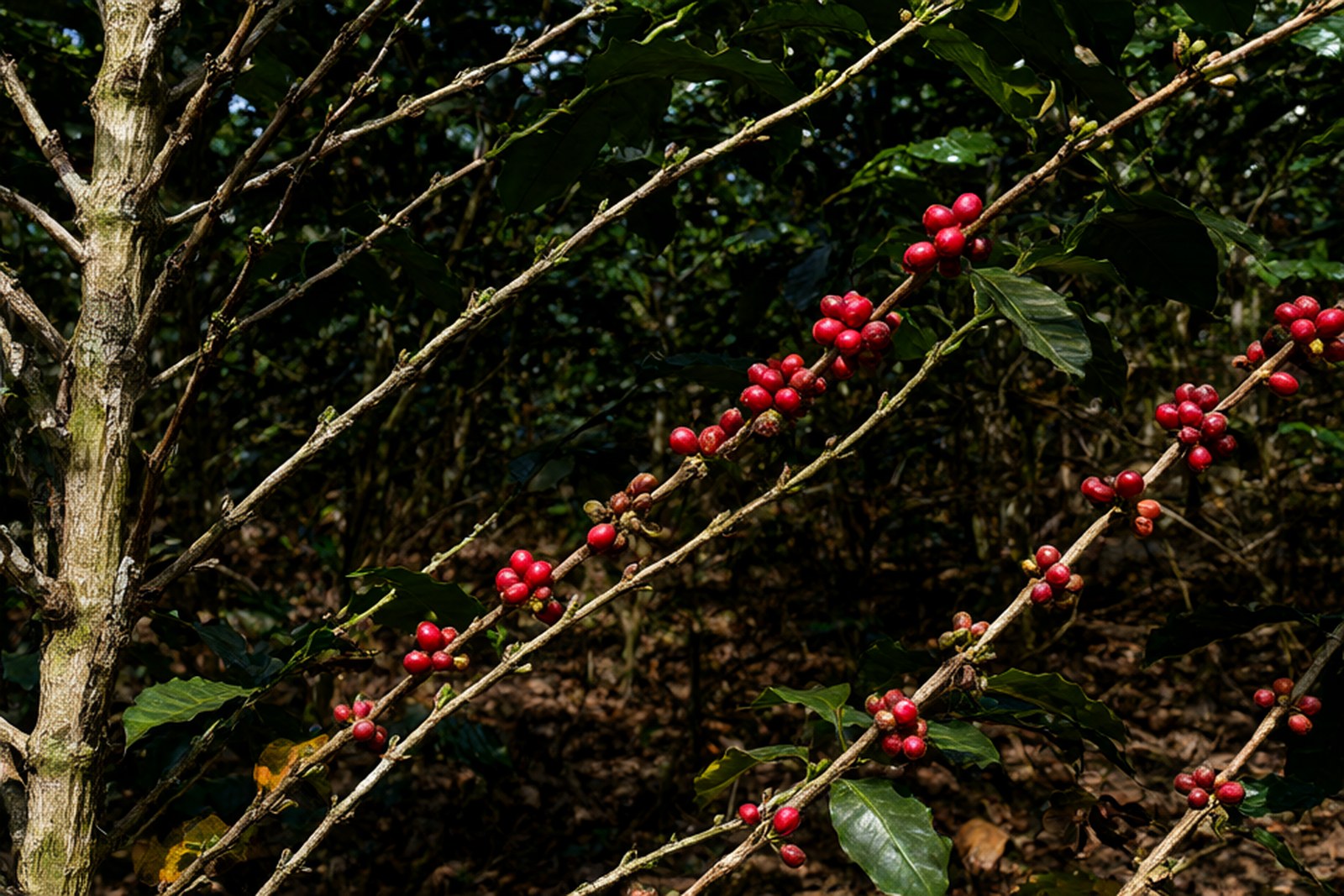
The trees came back with people. Coffee reached this part of the island with returning 华侨 huá qiáo, the emigrants who had gone to 东南亚 Dōng nán yà, Southeast Asia, and come home with a habit and a handful of seedlings, and the crop took to the low volcanic ground north of the county town well enough that by the middle of the last century 福山 had a coffee trade and the rest of the island did not. What the county sells now is not the origin story but the method: the beans are still roasted in small batches by hand rather than by a drum doing a tonne at a time, and the trade’s own vocabulary for the result is 香味浓郁,色泽纯正, deep in aroma and true in colour, which in practice means a roast pushed further than a modern light roast and a cup that tastes of the pan. The drink is served black and sweet almost everywhere in the county, and the strongest local expression of it is not the cup at all but 咖啡糕 kā fēi gāo, coffee cake, the dense, dark, faintly bitter set cake that every café in the county sells beside the pot.
The estate the name comes from is now partly a tourist town as well as a working plantation. The county has built a 福山咖啡文化风情镇 fú shān kā fēi wén huà fēng qíng zhèn, a coffee-culture townlet, around the plantations and the roasting sheds, with a visitor operation around it: rows of coffee under shade trees, drying yards where the cherries are turned on mats, a roasting room you can stand in while the batch is going round, and cafés that serve the coffee with the view of the trees it came off. It is a small operation by the standards of the world’s coffee industry and it behaves like one – the person who pours the cup is likely to be able to tell you which slope the beans came from – which is exactly the reason to stay the night here rather than drive out from 海口 and back.
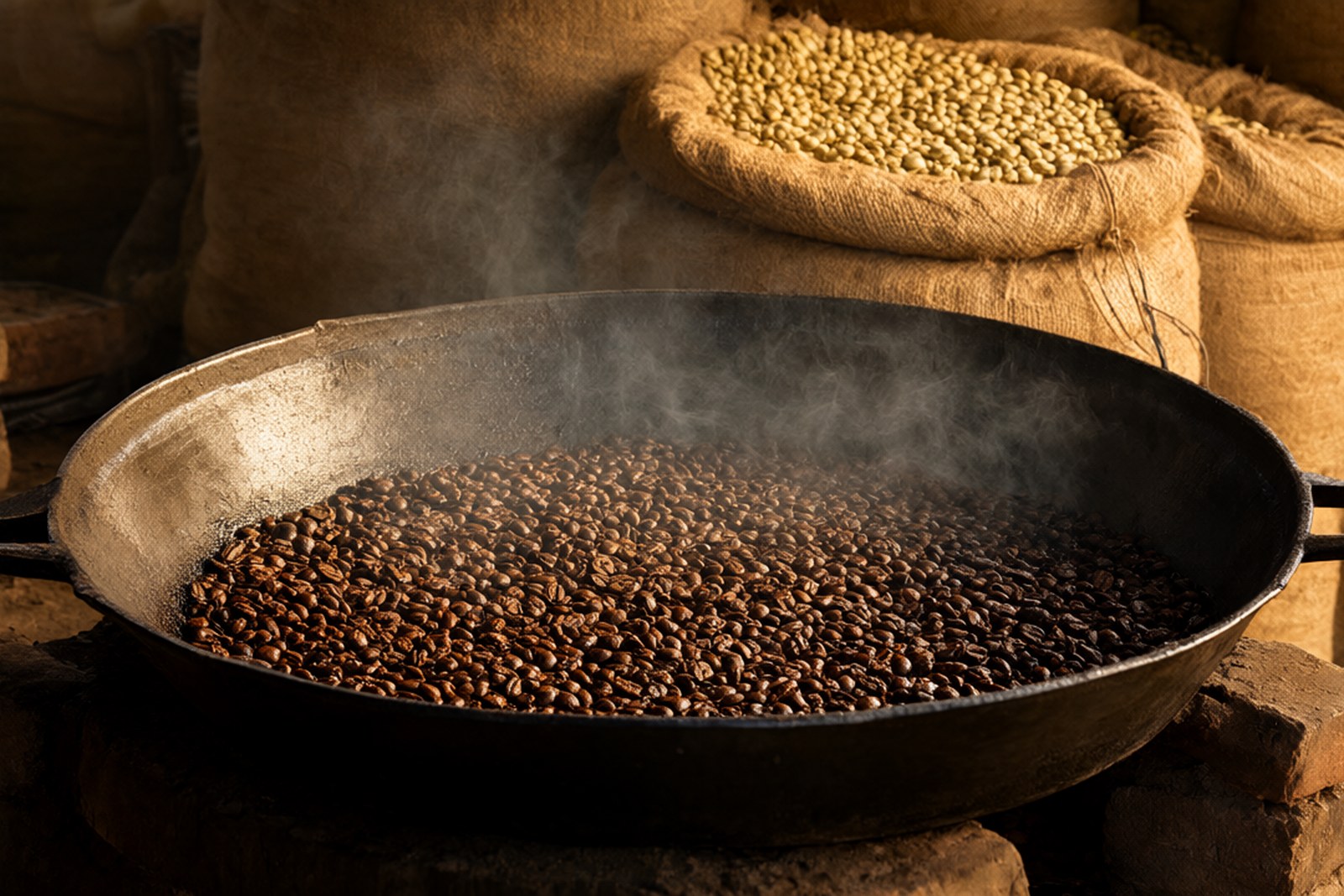
Living on the estate means waking to the smell of the roast, which is the whole of the proposition and is a better reason to choose a hotel than most. It also means being on the right road. 福山镇 is fifteen minutes from the 福橙 fú chéng orchards and twenty from the sweet potato fields and the kilns of 桥头镇, an hour from 海口 by expressway, and two minutes from a station on the island’s west-ring high-speed railway if you would rather not drive; the county town at 金江镇 Jīn jiāng zhèn is an hour inland. The trade’s busy months are the roasting and the picking rather than a beach season, and the quietest weeks are the wet ones, when the trees are green, the roads are empty and the café is yours.
What the Rooms Are Like
The accommodation is small and domestic rather than grand: a handful of rooms in a converted farm building, a courtyard with the coffee trees in pots, a common room where the pot is always on, and often a covered verandah that faces the rows. Expect a good bed, air conditioning, a kettle – and a coffee kit rather than a tea basket, which is the detail that tells you where you are. Rooms in the newer blocks of the culture townlet are plainer and cheaper and have less of the plantation about them; the older courtyard rooms are the ones worth asking for by name.
Practicalities
Price. A double at a 福山镇 coffee lodge or the culture townlet runs about ¥300 to ¥700 a night in ordinary weeks, with the courtyard rooms at the top of that range and the plain blocks at the bottom; there is no high season the way there is on the coast, so the price moves far less than it does down at the bay.
Address. The lodges are in and around 福山镇, 澄迈县, on the 西线高速 Xī xiàn gāo sù, roughly halfway between 海口市 and 桥头镇 on the coast; the 福山 exit fú shān chū kǒu serves the town, the plantations and the 福橙 orchards, and the town itself is a few minutes from the station on the west-ring high-speed line.
Rooms. Ask for a room facing the rows rather than the road, and ask what time the batch is roasted, because watching one go round is most of the reason to be here and it is not on a schedule you can guess. Ask whether the lodge runs a picking or drying walk in season, and ask for the roast to be ground for filter rather than for a moka pot if you intend to take beans home – the county’s roast is dark enough that an espresso grind turns it bitter.
Getting there. 福山镇 is on the 西线高速 with its own exit, about an hour from 海口美兰国际机场 Hǎi kǒu měi lán guó jì jī chǎng and an hour and a half from the county’s southern end; the island’s west-ring high-speed railway stops at 福山镇 fú shān zhèn, which makes the town reachable without a car even though the orchards are not. Buses run along the expressway corridor, but a car or a taxi is what you want if you plan to pair the coffee with the kilns and the sweet potato fields at 桥头.
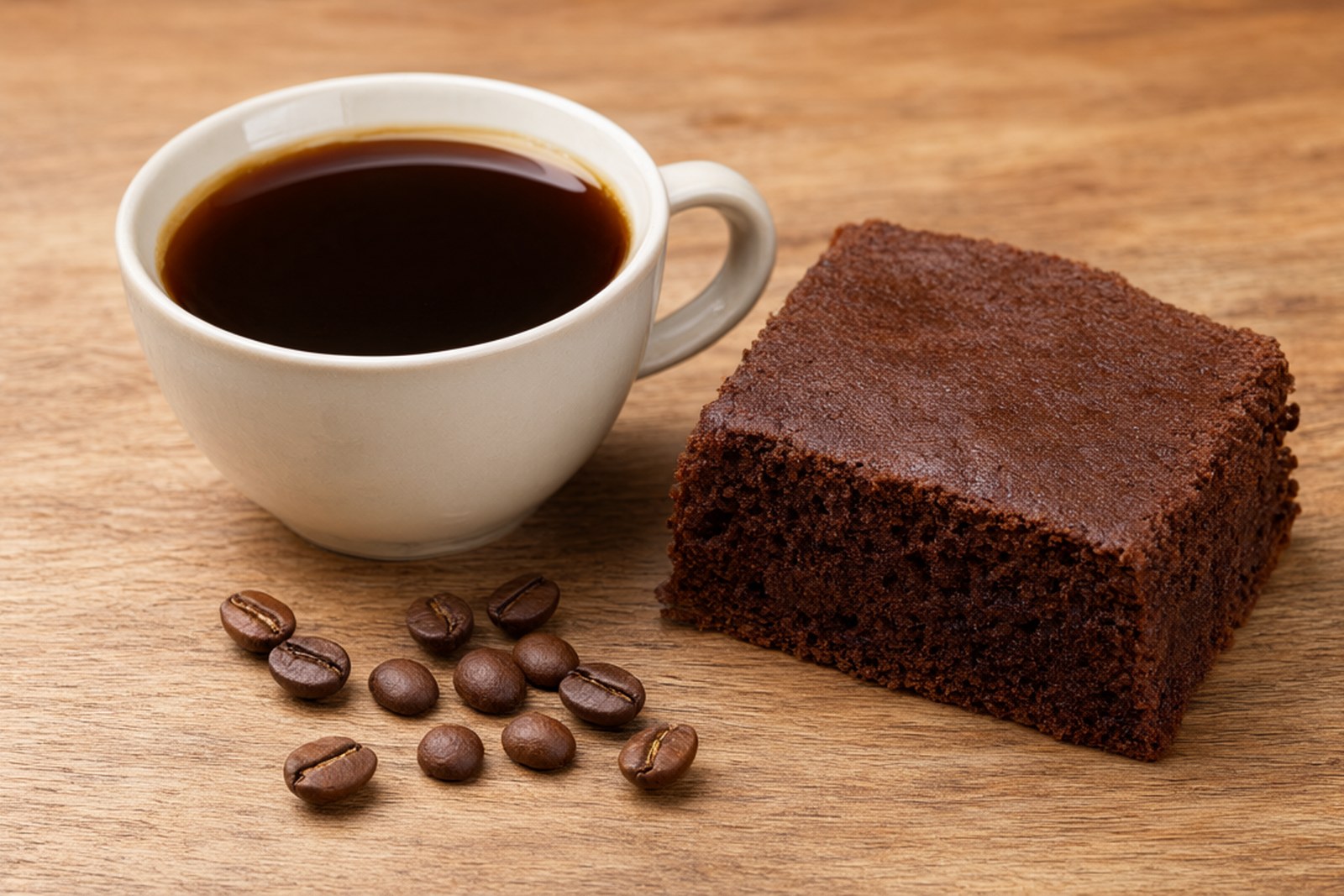
Where to stay: a coffee estate lodge or one of the rooms in the culture townlet at 福山镇 in 澄迈县. Take the courtyard room, drink the coffee where it was grown, walk the rows in the cool of the morning, and use the expressway exit to reach the 福橙 orchards, 桥头’s sweet potatoes and the pottery kilns at 红坎岭 in the same day.
flowcloud would say that the only thing this town ever needed was for somebody to come home from abroad with a bad habit and a few seeds, and that a hundred years later the county is still selling the habit back to the people who left.