
高黎贡下,鸟鸣空谷。Gāolígòng xià, niǎomíng kōnggǔ – Below Gaoligong; birdsong fills the empty valley.
The stay in the 高黎贡山 Gāolígòng Shān Gaoligong Mountains is a community stay, not a hotel: 高黎贡山国家级自然保护区 Gāolígòng Shān Guójiā Jí Zìrán Bǎohùqū Gaoligong National Nature Reserve is one of China’s great biodiversity reservoirs, and its two famous homestay villages are 百花岭 Bǎihuā Lǐng Baihualing on the Tengchong side and 赧亢 Nǎnkàng Nangang on the Baoshan-city side, both built on 观鸟 guānniǎo birdwatching — Gaoligong holds 500-plus bird species, and the villagers have turned their forests into 鸟塘 niǎotáng bird hides worked with local 鸟导 niǎodǎo birding guides. The October 2026 snapshot runs two bands: homestay beds about 100-200 yuan a head with full board, and a few upgraded lodges at 300-800 yuan (worth confirming — this is a village market with no fixed rate card, and prices move with 春节 Chūnjié, the spring migration and the 雨季 yǔjì). Stock is 大床 dàchuáng, 双床 shuāngchuáng and sometimes 通铺 tōngpū common bunks in village houses; what you get is a bed in a family home, and the honest shape is that conditions are basic — cold-water showers at the plain end, squat toilets, shared bathrooms, no lift, and the occasional power cut — which is exactly what the price is telling you.
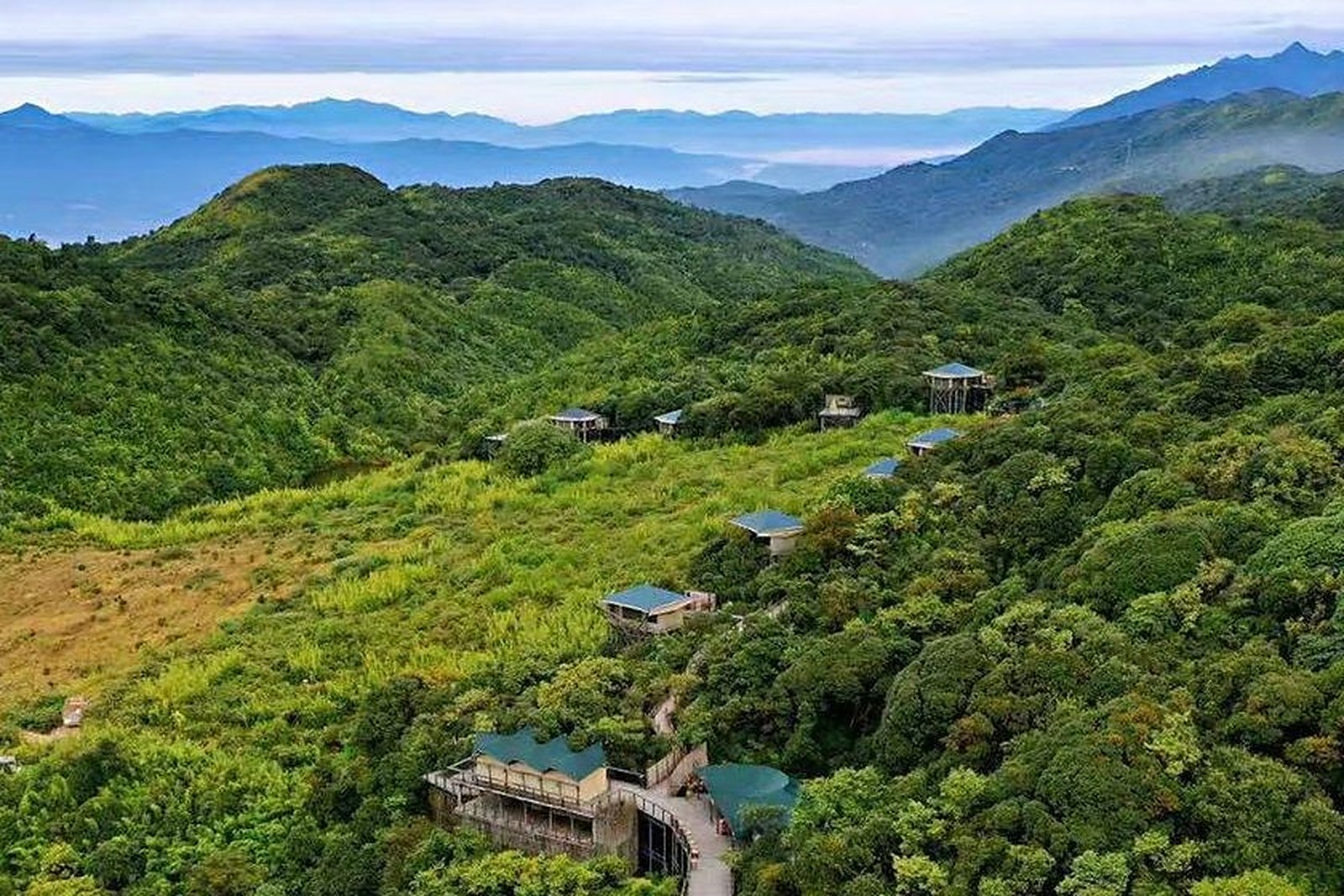
The experience is the point. The day runs on bird time: a 6 a.m. walk to the 鸟塘 niǎotáng hides with a 鸟导 niǎodǎo, then a village breakfast of rice and pickles. Birds around 百花岭 Bǎihuā Lǐng include 太阳鸟 tàiyángniǎo sunbirds, 啄木鸟 zhuómùniǎo woodpeckers and, high on the ridge, the 白尾梢虹雉 Báiwěishāo Hóngzhì Sclater’s monal — hard work, and a matter of luck; 赧亢 Nǎnkàng sits lower in 热带雨林 rèdài yǔlín tropical rainforest, warmer and wetter, with 白鹭 báilù egrets and hornbill sightings a lottery. Beyond the birds there are 古道 gǔdào ancient-road hikes on the old 永昌道 Yǒngchāng Dào trade route, 咖啡 kāfēi — the Baoshan valleys grow 保山小粒咖啡 Bǎoshān Xiǎolì Kāfēi Baoshan arabica — and village dinners of 野菜 yěcài, 土鸡 tǔjī and river fish. Who it suits: birders, naturalists, and hikers who trade thread count for the dawn chorus; who it does not suit: anyone who needs a hot shower on demand, Wi-Fi in every room, or a 24-hour front desk — the village runs on the sun.
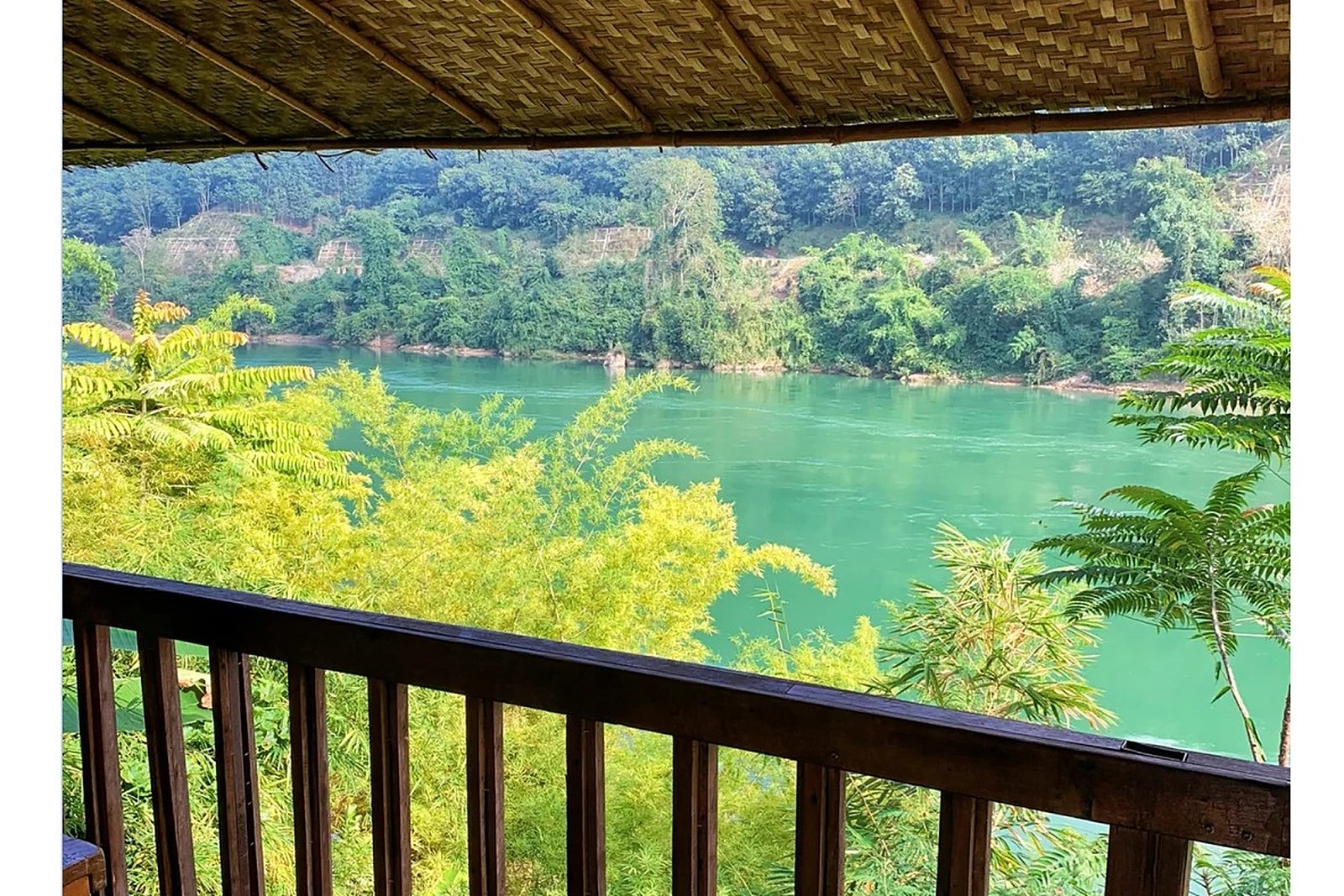
Practical shape: book through the village association or a guide before arrival, because the homestays are phone-and-cash businesses and the good 鸟导 niǎodǎo guides get taken. Bring cash (no card machines in the 村 cūn villages), leech socks and long trousers for the forest, rain gear, and, if you are photographing, a long lens — the 鸟塘 niǎotáng are feeding stations, and flash and playback rules are tightening (worth confirming current 保护区 bǎohùqū rules). Best seasons are October to April for dry trails and active birds; the spring migration peaks April-May, winter is clear but cold at 1,500-2,000 m, and the summer 雨季 yǔjì brings rain, mist and leeches — an honest trade-off. 百花岭 Bǎihuā Lǐng is roughly two hours by road from 腾冲 Téngchōng; 赧亢 Nǎnkàng about 1.5-2 hours from 保山 Bǎoshān city, and 保山云端机场 Bǎoshān Yúnduān Jīchǎng is the nearer airport for the Baoshan side (worth confirming drive times, since valley roads are slow). Check availability in the week you book. All checked October 2026.
The Stays
The valley stays are community homestays: village households at 百花岭 Bǎihuā Lǐng and 赧亢 Nǎnkàng on the western slopes of 高黎贡山 Gāolígòng Shān that take in visitors under the reserve’s eco-tourism arrangements. Rooms are simple – a bed, a clean bathroom, a heater in the cold months – at about 120-300 yuan a night with dinner and breakfast (worth confirming the details), and the real value is the household’s birding knowledge: the men and women of these villages can find 白颊噪鹛 báijiá zàoméi and 火尾绿鹛 huǒwěi lǜméi in an hour where a visitor would walk all day and see nothing.
Be honest about the conditions: this is a mountain valley, the roads in are narrow and slow, the power and the hot water are village-grade, and the rooms fill with the sound of the stream. The seasons matter – spring and autumn for the migration, summer for the waterfalls and the leeches, winter for the clear ridge views. Book through the village association or a registered guide rather than turning up, and check the reserve’s access rules for the day, because the protected zones open and close with the wildlife calendar (worth confirming the details).
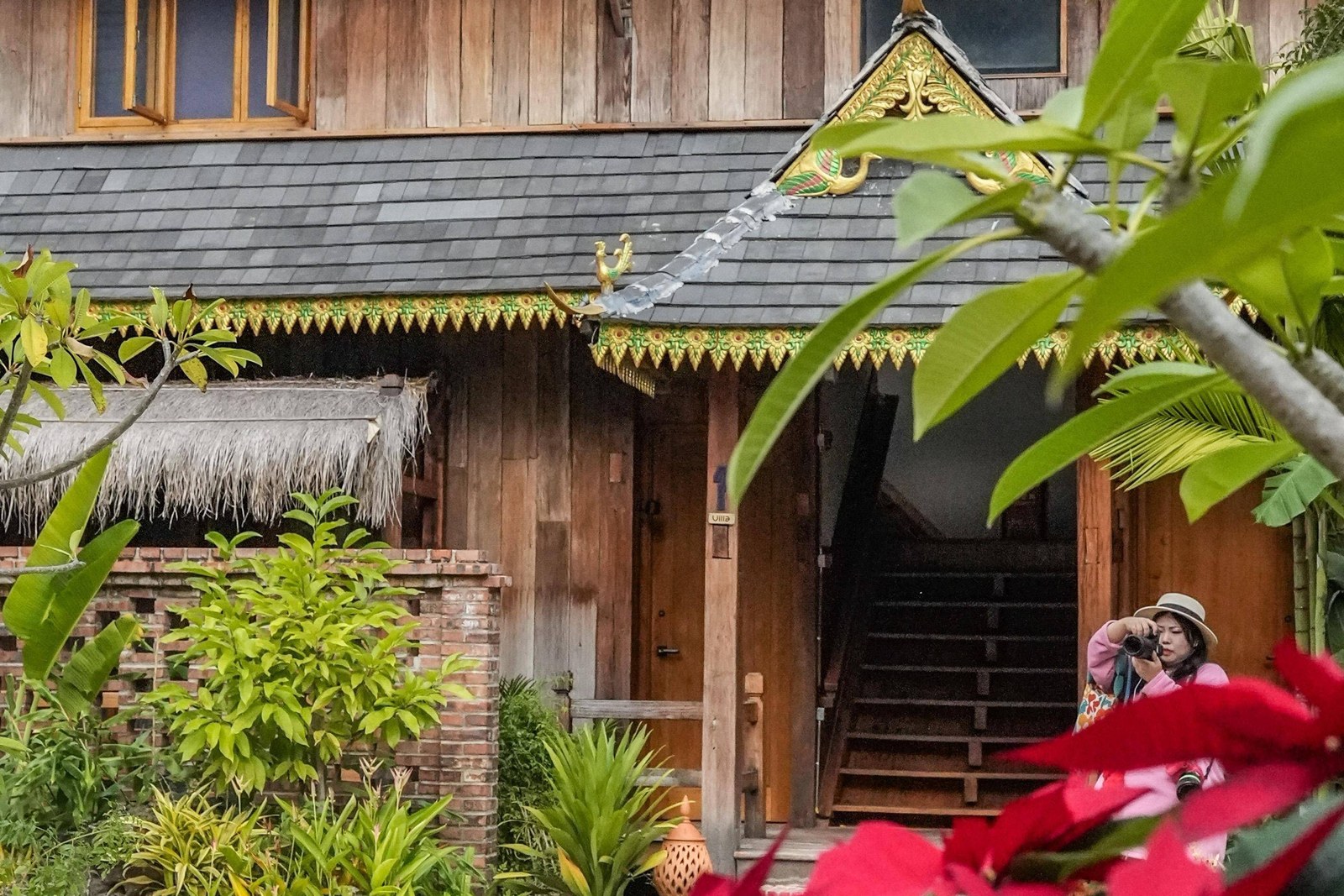
Where to stay: the community homestays of 百花岭 Bǎihuā Lǐng and 赧亢 Nǎnkàng on the western slopes of 高黎贡山 Gāolígòng Shān – simple rooms with dinner and breakfast at about 120-300 yuan a night (worth confirming the details), booked through the village association or a registered guide. All checked October 2026.